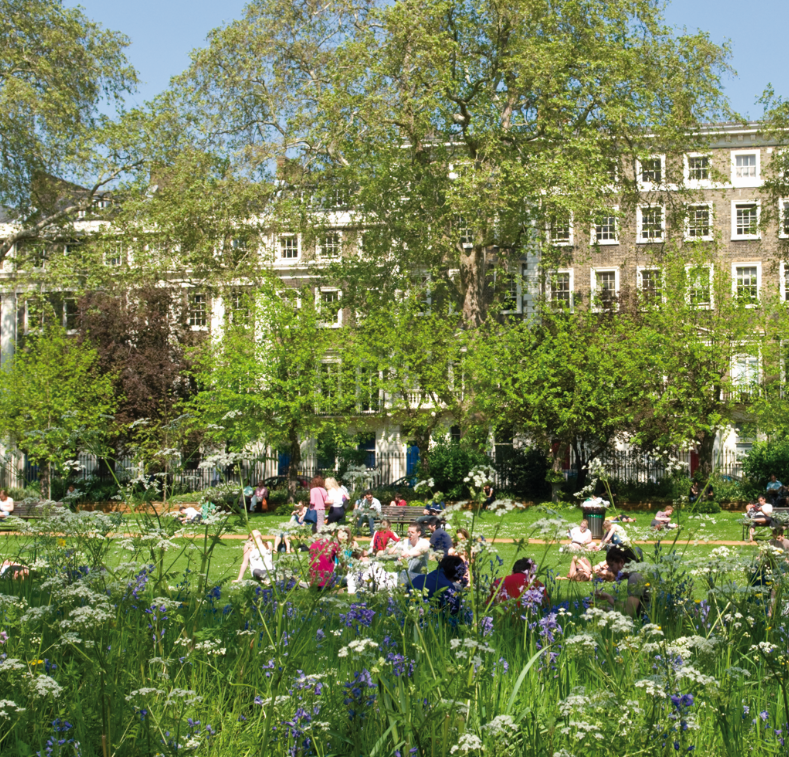
This year, several Birkbeck Law School students have been awarded prestigious scholarships to support their journey towards becoming barristers. These scholarships, awarded by the Inns of Court, help aspiring barristers undertake the vocational training required before they can practice at the Bar. For many students, receiving a scholarship is not only valuable financial support but also recognition of their hard work, commitment and potential. We spoke to this year’s recipients about their route into law, what the award means to them, and their hopes for the future
André Buller
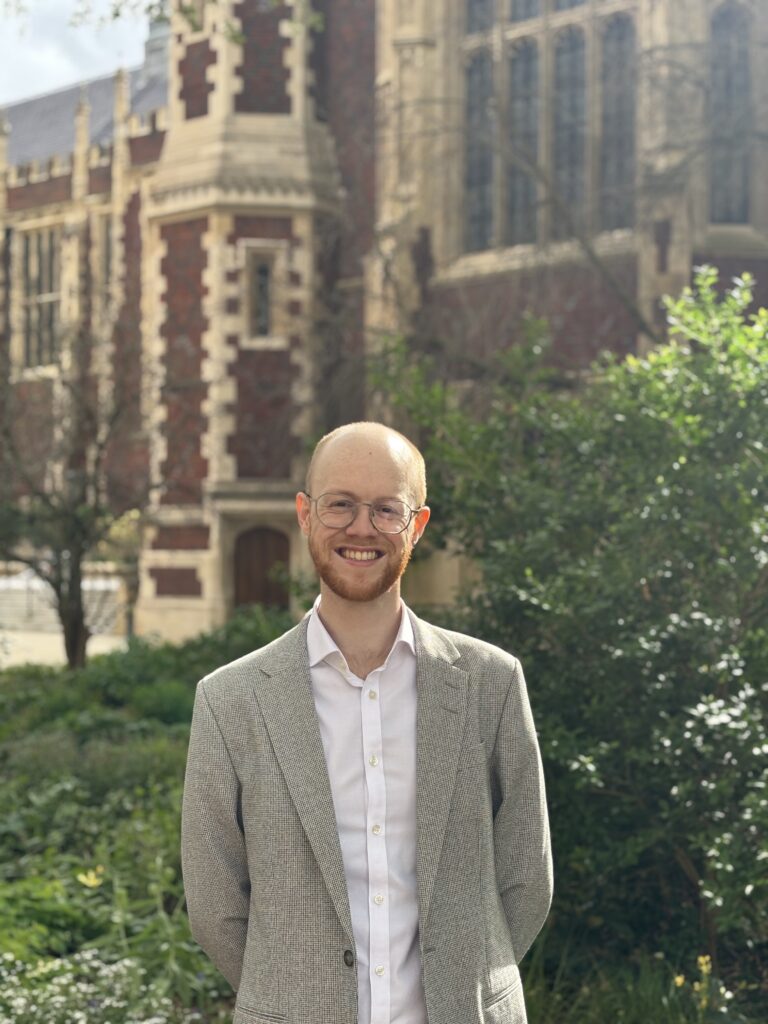
Scholarship: Lord Denning Scholarship and Daniel Lett Scholarship
Congratulations on receiving your scholarship. How did you feel when you found out you’d been successful?
I was honestly very surprised. The application process includes an intense interview with a panel of practising barristers who are very poker-faced, so I had no idea how well I’d done. Getting notification of my success blew me away (and I was in the library, so had to try to respond calmly)! After the initial surprise, I mostly felt really encouraged. It meant that a panel of impartial experts all believed I was worth investing in for this exciting journey.
What first inspired you to study law?
Personal circumstances led to real engagement with law from a young age, which I found incredibly fascinating. My first proper inspiration to pursue law began later through my work. As a copyright specialist for a major academic publisher, I negotiate, draft and advise on contracts and complicated intellectual property rules. It was this exposure to legal processes and language that captivated me.
What area of law have you been most interested to learn about during your studies at Birkbeck and why?
I have a real fascination with intellectual property (IP) law. My prior academic background in literature focused on critical theory and narratology, which engages quite heavily with the abstract. As IP law aims to provide protection and rights around intangible property, much of the complex methods of its construction and application reflect these literary concepts.
The opportunity to study this, and to explore beyond my professional familiarity with copyright into patents and trade marks, was really exciting.
Many Birkbeck students balance study with work, family or other commitments. How have you managed your own journey?
I decided to study the GDL full-time because I was eager to prioritise the conversion and devote most of my attention to learning the law. I was fortunate enough to receive scholarship funding and to be able to keep working throughout my course.
By scheduling all my classes for the evening, there was minimal impact on work, though I did reduce my hours to balance my workload and extra-curricular commitments. It can be intense, but it’s very rewarding, and much easier when you can study in hours outside the ordinary 9–5 schedule.
What advice would you give to someone considering studying law or pursuing a career at the Bar, especially if they are coming to it through a non-traditional route?
Go for it! The law is incredibly interesting, engaging and widely applicable. I would definitely advise someone to take advantage of, and emphasise, any non-traditional route. The Bar responds positively to those who can demonstrate experience and a background outside a direct academic path, and some of the best skills for a barrister’s day-to-day life are developed in non-traditional areas: timekeeping, balancing multiple workloads and adaptable thinking, for example.
Finally, especially at Birkbeck, I recommend connecting with your fellow students. Most of my peers are also coming to law from varied backgrounds, and their wisdom and support are equally encouraging and essential. Good luck!
Daniel Cloney
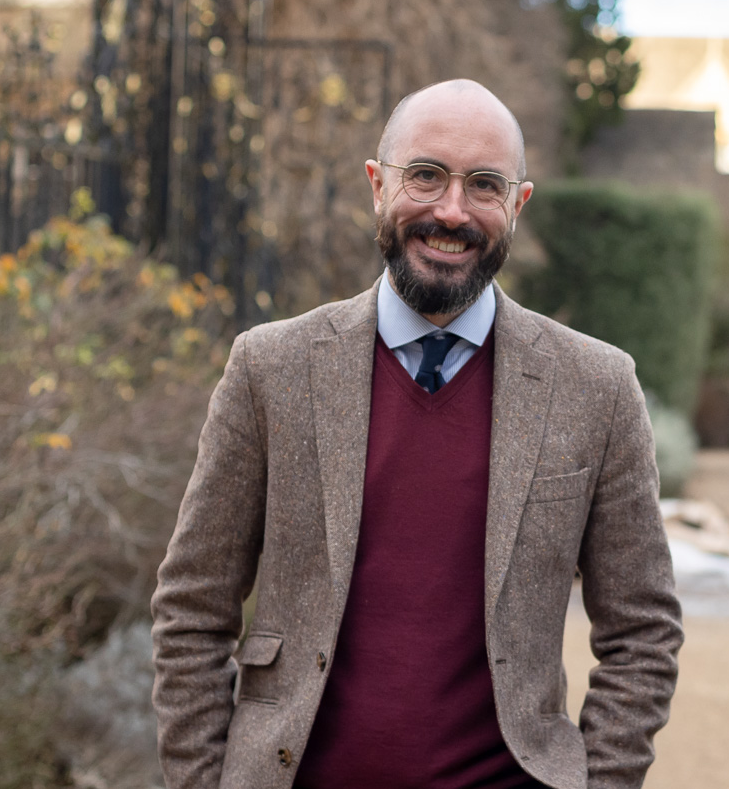
Scholarship: Cassel Scholarship (Bar Course), The Honourable Society of Lincoln’s Inn
How did you feel when you found out you’d been successful?
Honestly: huge relief, for a few reasons. On the one hand, the Inn’s financial support was fundamental to my ability to take the GDL in the first place, and the Bar Course would not have been feasible without it. But beyond that, the vote of confidence from the profession makes a huge difference.
What first inspired you to study law?
I came to the study of law late, aged 35, when I took a master’s degree in International Human Rights Law. It was then that my academic interest in law more broadly blossomed, and I realised I wanted to make it the centre of my career. The choice to do a GDL was an easy one after that.
What area of law have you been most interested to learn about during your studies at Birkbeck and why?
Given my background, I already had a fairly good handle on aspects of public and human rights law. So, what I really enjoyed at Birkbeck was the ability to deepen my engagement with criminal law and aspects of private law, especially contract and company law. They provided refreshing new puzzles to consider, and fascinating insights into the historical development of law in England and Wales.
Many Birkbeck students balance study with work, family or other commitments. How have you managed your own journey?
I couldn’t give up work completely, so I switched to 0.5 FTE, which was just about feasible alongside full-time study. That allowed me time during the afternoons to study and to take my classes in the evenings. I also really enjoyed attending classes in person, which helped me to make some good friends here.
What advice would you give to someone considering studying law or pursuing a career at the Bar, especially if they are coming to it through a non-traditional route?
On the one hand, you have to put your ego to one side and be patient. It’s a very competitive profession with a tight bottleneck at the entry point. At the same time, it’s a hugely supportive community. There is a wealth of help and advice on offer, whether from Birkbeck, the Inns of Court, certain sets of chambers or individual barristers. It’s vital to take advantage of that: it will be there for you when the process gets tough.
Alfie Hansen

Scholarship: BPP Bridge Programme Scholarship
How did you feel when you found out you were successful?
I was lost for words. It’s quite literally life-changing. I work and want a career in the human rights and charity sector, but due to the area’s limited training opportunities and an inability to privately fund the SQE, I’d been emotionally preparing to pivot into a corporate firm just to get qualified. Now I’ll be able to keep working in the sector I’m passionate about, helping vulnerable people, with half of my qualification funded.
What first inspired you to study law?
I don’t come from a privileged background and have witnessed a lot of injustice in my life. One particular example occurred during the Covid pandemic. I spearheaded a union action against a coffee chain about unsafe business practices that put workers’ and public health at risk for corporate profits.
I wrote a petition that received 40,000 signatures, was interviewed on BBC Radio and in the Financial Times, which led to several meetings with corporate executives. Despite this, once the coverage faded, so did the executives’ sincerity and any prospect of change. This exploitation of power resonated with me for a long time and directly informed my decision to study law. For me, it was a decision to equip myself with the tools to help others in a similar position and be the difference that makes real change.
What area of law have you been most interested to learn about during your studies at Birkbeck and why?
I’ve really taken to modules with a critical approach to law, particularly State Crime, Housing Justice, and Law, History and Political Violence. What really struck me is just how much philosophical and sociological perspectives are implicitly embedded in the law. This has helped me understand the true structure of the law and how it embeds itself into every aspect of our social lives.
How have you managed multiple commitments?
I won’t pretend it hasn’t been difficult. I’ve been studying full-time, working part-time, volunteering to get legal experience, taking on side projects to make my CV stand out and trying to have a personal life at the same time.
I found planning and prioritising helped the most. When studying multiple modules, I’d break down my weeks, dedicating several days at a time to solely studying one module. Mapping out assessment deadlines was also a must. Knowing when I had to begin work on essays and exams meant I never felt I handed in work I was unhappy with or felt underprepared for.
What advice would you give to someone considering studying law, especially from a non-traditional route?
The idea of “traditional” is just a ceiling put on your potential by someone who doesn’t know you. Forget what they think and give it 110 per cent! I was lucky enough to benefit from having a big support network, which was really important when things got tough. So I’d also say to leave your ego at the door if you want to succeed and don’t be afraid to ask for help, whether that’s asking someone to check over your essay or simply having a shoulder to cry on.
Chloe Hennigar
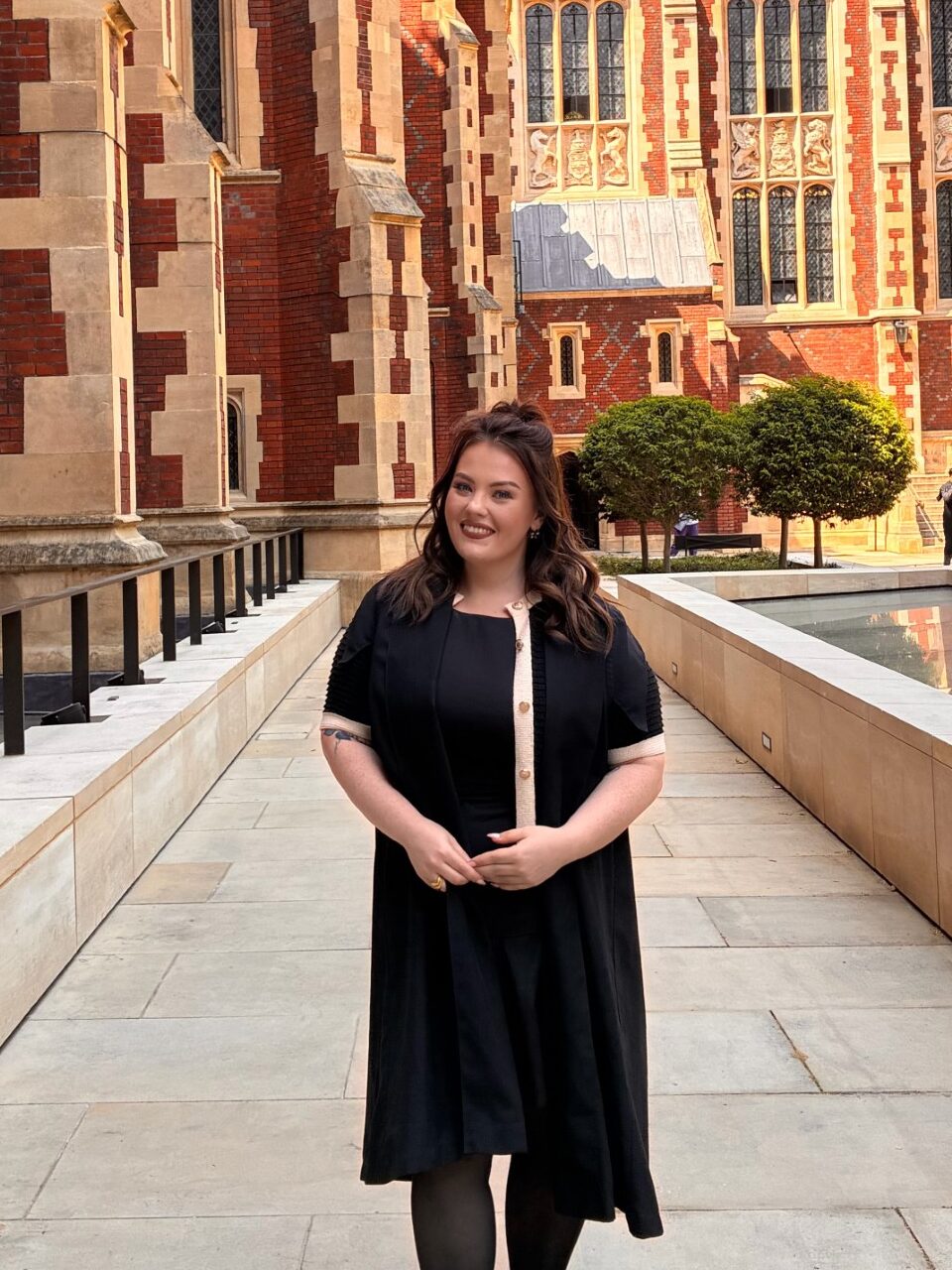
Scholarship: Helen Grindrod Social Mobility Prize from Lincoln’s Inn
How did you feel when you found out you’d been successful?
I was delighted. The prize gives me the opportunity to attend a summer school hosted at Lincoln’s Inn, where we’ll develop our advocacy and case analysis skills and also have the opportunity to undertake a mini-pupillage. It also provides invaluable opportunities to meet and learn from barristers, making it a really significant step towards my goal of becoming a barrister. It feels both like recognition of the work I’ve put in so far, and also opens opportunities to gain practical experience, build my network and continue developing as an aspiring advocate.
What first inspired you to study law?
Growing up in a relatively disadvantaged area, I saw first-hand how much difference access to knowledge, resources and representation can make. I became increasingly aware that people often struggle not because they lack ability or determination, but because they don’t know where to turn or don’t have access to the right support. That has motivated me to pursue a career where I could help people navigate those challenges. Law appealed to me because it combines intellectual challenge with the opportunity to make a meaningful difference in people’s lives.
What area of law have you been most interested to learn about during your studies at Birkbeck and why?
I’m most excited to study criminal law, as I’m drawn to its complexity and the way it balances protecting individual rights with serving the public interest. I’m also really looking forward to studying banking and finance law and immigration law, as I’m interested in the wider economic and international dimensions of legal practice.
Many Birkbeck students balance study with work, family or other commitments. How have you managed your own journey?
I’ve found that being organised and prioritising my commitments allows me to perform well academically while also making the most of the opportunities available to me.
Alongside my studies, I work at Birkbeck and I’m actively involved in a number of extracurricular activities, including the Birkbeck Law Review, the Birkbeck Law Forum, which I founded, BIUCAC and other initiatives. These commitments are important to me because they allow me to contribute to the student community while developing skills that will support my future career. At the same time, I make a conscious effort to maintain a healthy balance by making time for friends and family.
What advice would you give to someone considering studying law or pursuing a career at the Bar, especially if they are coming from a non-traditional route?
There isn’t one ‘right’ pathway into the profession, and the experiences you bring with you can become one of your greatest strengths. I’d also encourage people to be proactive. Attend networking events, apply for opportunities even if you don’t think you’ll get them, and don’t be afraid to ask questions. Every application, conversation, and experience helps you build confidence and develop your understanding of the profession. Finally, remember that it’s a marathon rather than a sprint. Progress doesn’t have to happen all at once, and consistency will take you much further than comparing yourself to other people.
Samuel James Barley

Scholarship: Lowry Calvert Scholarship from Middle Temple
How did you feel when you found out you’d been successful?
I was at work when the email came through, and I had to take a moment out to just sit in the feeling. I recall a warmth spreading through me as I thought, “You know what, I could actually do this.” Ultimately, it was the feeling of being positively viewed by practising barristers that mattered to me most.
It’s been such a busy year that I’m not sure I’ve celebrated it properly or let it sink in just yet! There’s still a long way to go, but it really is such a confidence boost at this stage, and I’m determined to keep going.
What first inspired you to study law?
I’d actually fallen for law during my original undergraduate degree, albeit it’s taken me about a decade to get around to pursuing it again. I’d been put in a module on “Legal Cultures in Late Antiquity” in my third year and ended up doing a master’s degree on the same theme. I’ve worked in criminal justice since leaving my studies, so coming back to complete a GDL was always a possibility. Last summer, I took the leap and applied.
What area of law have you been most interested to learn about during your studies at Birkbeck and why?
I was surprised by just how much I enjoyed Equity & Trusts. There can be a tendency from people outside the legal world to think of law as this rigid and soulless set of rules to be applied, which simply isn’t accurate. The Common Law is continually growing and shifting, and my class quickly identified which judges we enjoyed reading most. In Equity, that movement is even more obvious, and the near-obsession with fairness over procedure is something I hope to take with me into my career.
Many Birkbeck students balance study with work, family or other commitments. How have you managed your own journey?
I’ve balanced studying full-time with working full-time this year, and if I could easily explain how I’d managed that, I would. Ultimately, organisation and commitment are key. I’ve studied tired, on my commute, on holiday, in groups and on my own. There’s been impeccable support from my partner, ensuring that I look after myself and eat enough vegetables, and a fantastic group of people in classes to talk issues through with. Birkbeck’s format has been really useful for managing my time too. Knowing that my classes are in the evening, or online if need be, and that I can watch and rewatch lectures as and when allows me to be flexible. It’s been a hectic year but an enjoyable one.
What advice would you give to someone considering studying law or pursuing a career at the Bar, especially if they are coming from a non-traditional route?
Know why you want to do it. You’ll read online and in books about how competitive it is and that the odds are against you, which is all true. That doesn’t mean you shouldn’t do it, though; it means you have to really want it to try. This year has taught me just how much I want this.
Take all the opportunities you can to get experience, whether that be mini-pupillages or marshalling, and definitely participate in mooting. I was fortunate enough to compete at the Jessup International Law Moot and the Birkbeck Law Forum Mooting Competition this year, and I’ve received some incredible feedback to bolster pupillage applications in the future. There’s plenty of challenges still ahead for me, but knowing how much I’ve enjoyed this year fuels my ambition to continue.
Aravindi Rubasinghe

Scholarship: Dame Juliet Wheldon Scholarship
How did you feel when you found out you’d been successful?
Complete shock and disbelief. I wasn’t sure how my interview went. I’d spent a lot of time ruminating on what I could have done better, so I hadn’t given myself any credit for what I’d probably done well (great life lesson, I think!). I’d kept my expectations intentionally low because of this. When I got that email, I genuinely had to read it multiple times. I took a big leap of faith in choosing to pursue the Bar, and this encouragement from the Inn means a great deal. Above all, I feel incredibly grateful to the Inn and blessed to have their support.
What first inspired you to study law?
Before deciding to pursue law, I had another career: studied medicine and currently work as a doctor while completing my postgraduate law conversion. Law has always been something I found myself drawn to, even during medical school. Once I began practising medicine, although I enjoyed the work, I became increasingly aware of how deeply the law shapes healthcare and provides the framework within which so many professions and systems operate. That only strengthened my interest. Over the past few years, I’ve also grown personally and gained a much clearer understanding of the kind of career I want for my life.
What area of law have you been most interested to learn about during your studies at Birkbeck and why?
I’m particularly interested in public law, so I was especially looking forward to studying constitutional and administrative law. I find the way public bodies make decisions that directly affect individuals compelling and deeply important. I’ve been able to witness this within medicine, where wider systemic decisions impact the care we deliver day to day.
That said, one of the biggest surprises has been how much I’ve enjoyed modules I wasn’t initially drawn to. One of the best parts of my first year at Birkbeck has been being exposed to such a wide range of legal disciplines and discovering something interesting in all of them. It’s made me even more excited to explore new areas of law in the coming year.
Many Birkbeck students balance study with work, family or other commitments. How have you managed your own journey?
I currently work full-time as a doctor while undertaking my Master’s, and continuing to work has been essential as I self-funded the first year of my degree. That’s why I’m so grateful for the opportunity Birkbeck offers to fit education around the realities of everyday life. I genuinely don’t think I would have been able to pursue law at this stage in my career without that flexibility.
I’m also continually inspired by my classmates, who come from all walks of life, bringing with them a wide range of experiences and perspectives. Balancing study alongside work, family and other commitments means that everyone has made a conscious decision to be there, and that creates a learning environment where people are genuinely engaged and motivated. That’s been one of the most rewarding parts of my experience so far.
What advice would you give to someone considering studying law or pursuing a career at the Bar, especially if they are coming from a non-traditional route?
I’m very early in my journey towards the Bar, so I tread carefully! However, I do know a thing or two about scary decisions. When I first started thinking seriously about pursuing law, it felt overwhelming knowing I had devoted many years to another profession. My advice would be to listen to your intuition (it’s telling you something for a reason!) and then really critically think to find your why.
I would say don’t ever think it’s too late. There are so many things in this world to learn, and if something has made you stop and think, “I could do that”, and you have the opportunity to pursue it, don’t let the critical voices inside your head or the voices of what others might say stop you.
More Information