Birkbeck’s Carena Institute of Sustainable Archaeologies recently began a new heritage cooperation with Syria’s Directorate General of Antiquities and Museums (DGAM). Hiba Alkhalaf, Carena Research Fellow in Sustainable Archaeologies, shares how a community event in Salihya, Syria, brought historic photographs of the Dura-Europos excavations back to the communities connected to the site.
Dura-Europos is an ancient city on the Euphrates in eastern Syria. Excavations there in the 1920s and 1930s produced an extensive photographic record, but many of the local people who worked on the excavations were never named in the archive.
The Faces of Dura-Europos project is helping to change this. By bringing historic photographs back to local communities, the project invites people to identify individuals, share memories and contribute local knowledge that can help build a fuller picture of the site’s history.
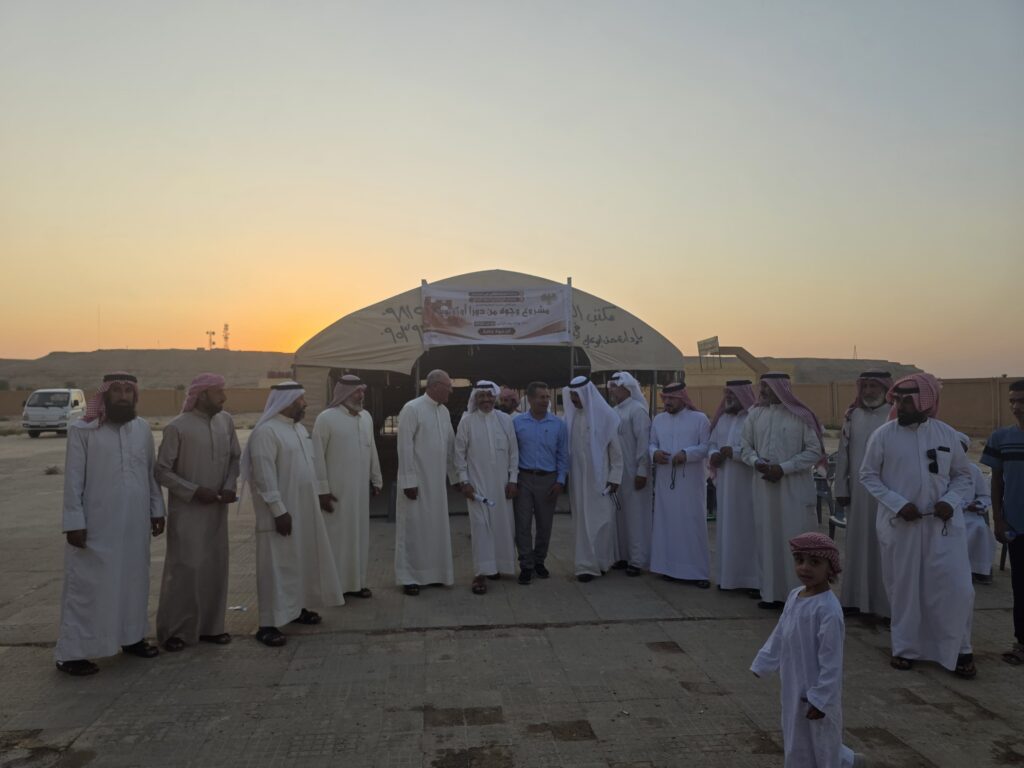
In August 2026, the Carena Institute for Sustainable Archaeologies, working with Syrian scholars and community representatives and with the support of Syria’s Directorate General of Antiquities and Museums (DGAM), held its first community engagement and exhibition event in Salihya, near Dura-Europos.
The Faces of Dura-Europos exhibition featured photographs from the 1930s excavations, including images of local workers whose names were rarely recorded. The project aims to reconnect these photographs with their descendants and with the wider communities around Dura-Europos, helping to bring names, memories and local knowledge into the archaeological record.
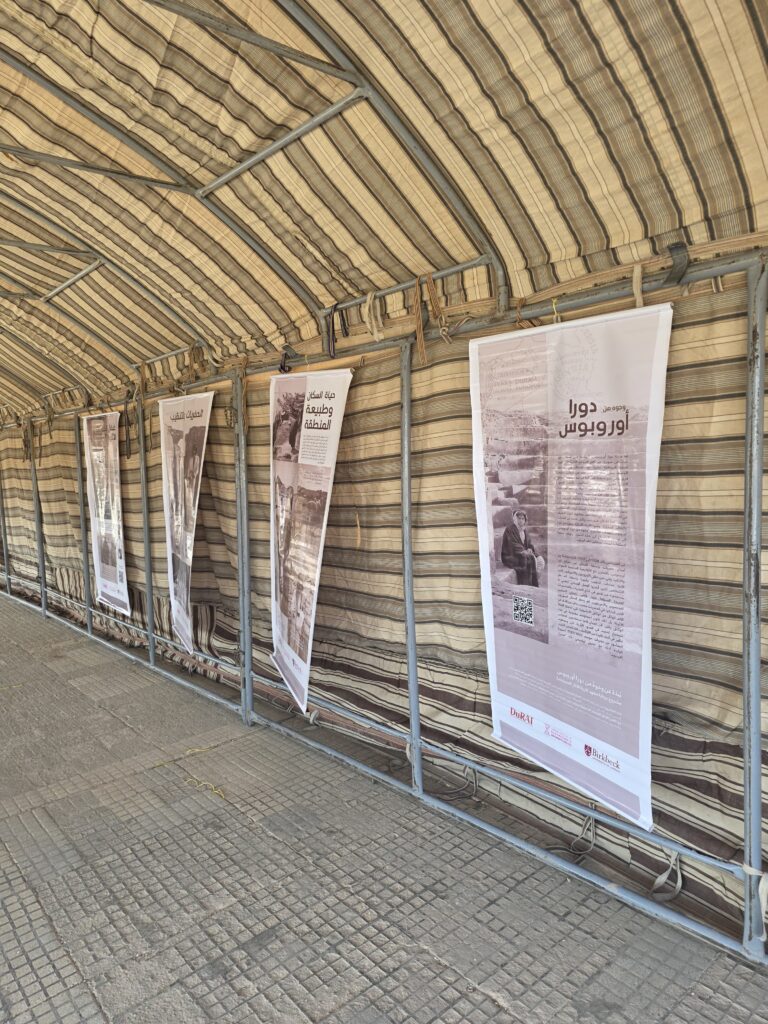
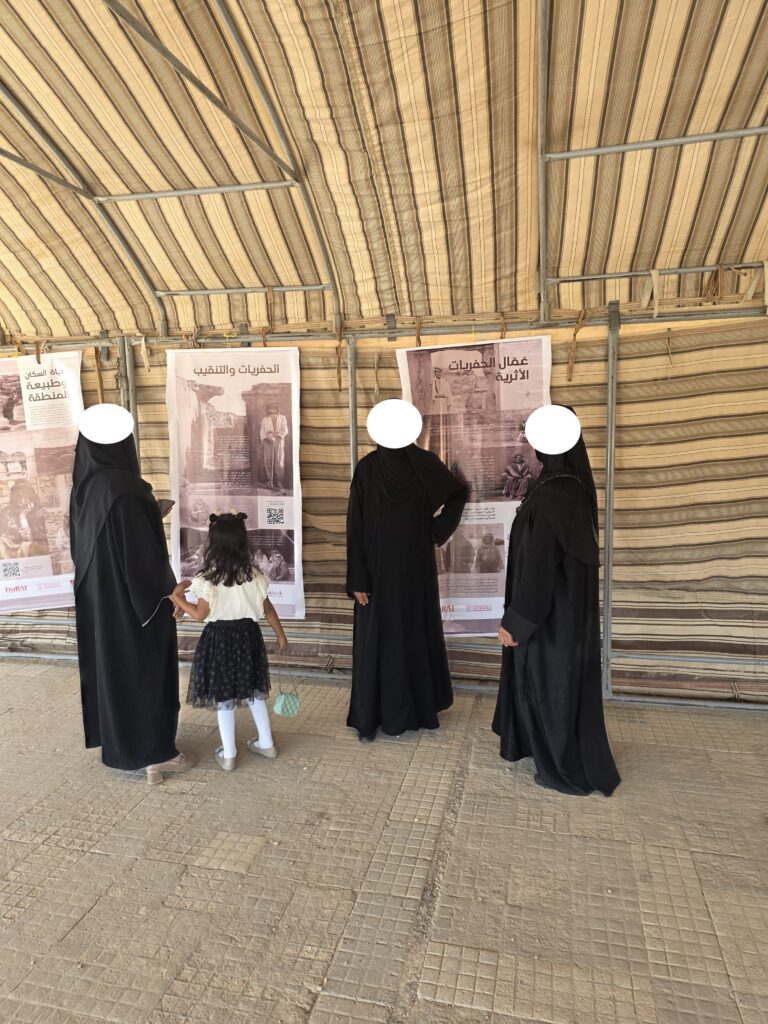
The exhibition was attended by men, women and children from Salihya, Albukamal and the surrounding region. Visitors were introduced to the history and significance of Dura-Europos through a short presentation and specially designed project leaflets.
The exhibition was organised around three themes: The Work, The People, and Local Lives and Landscapes. Alongside the excavation photographs, it explored traditional clothing, everyday life and the landscape around Dura-Europos.
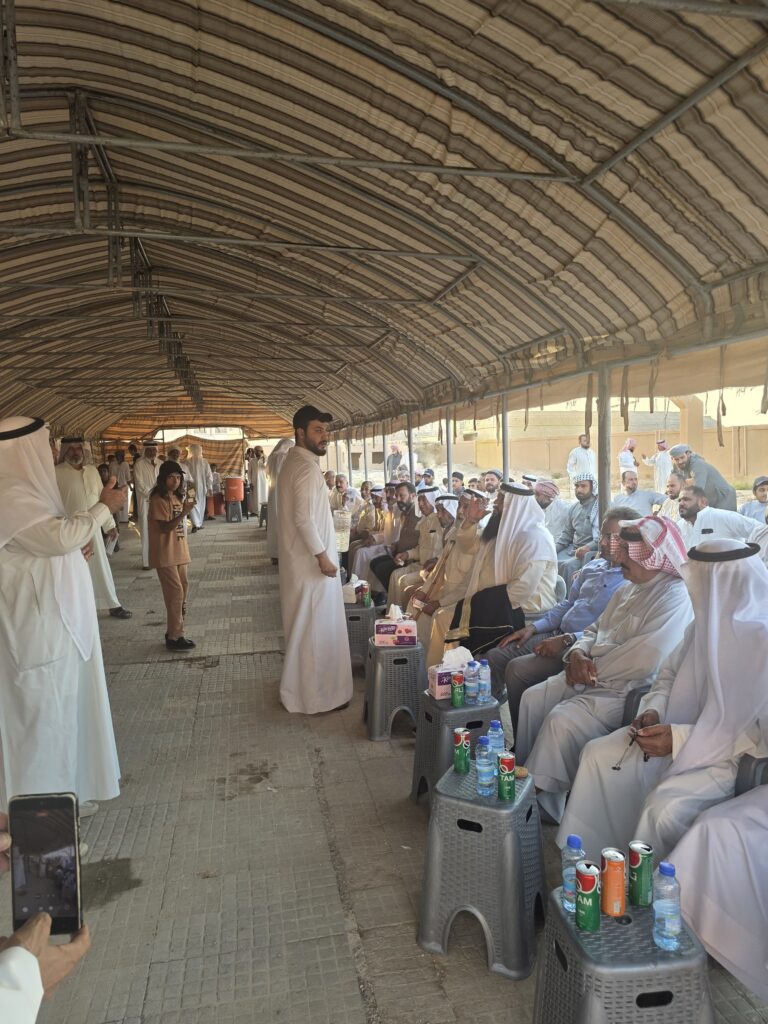
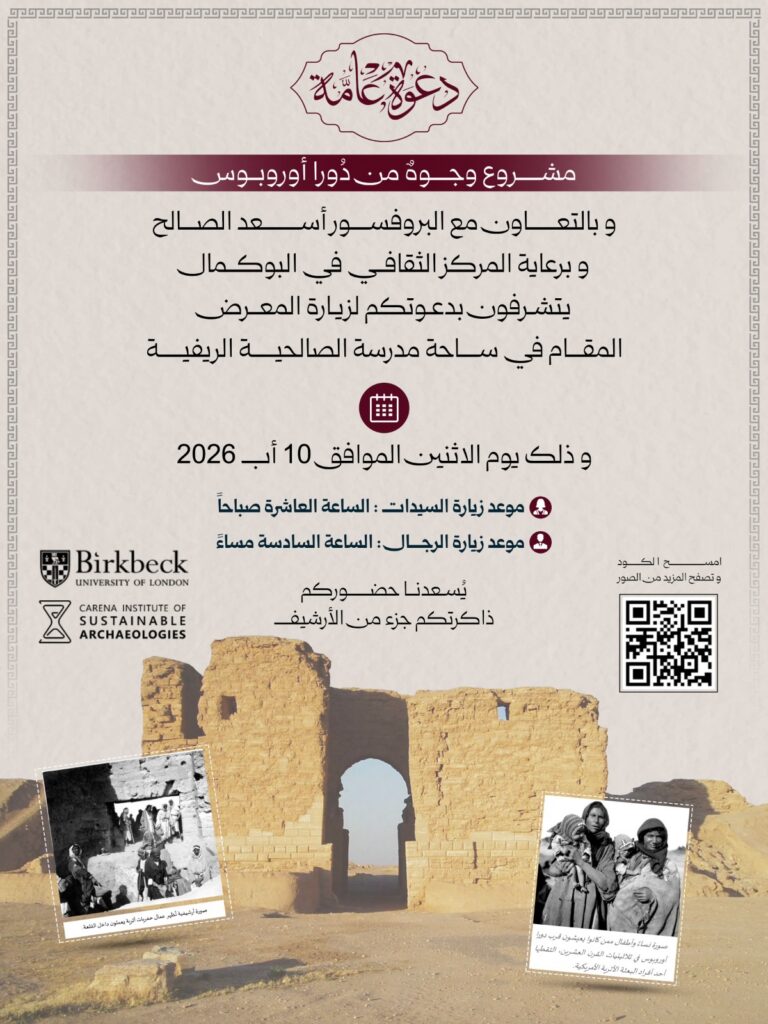
Visitors were also invited to contribute through the digital Faces of Dura platform, helping to connect the historical photographs with knowledge held within the local community.
The event is part of a wider programme of work to strengthen connections between local communities and Dura-Europos. By bringing photographs from the site’s excavation history back to the people who live in the region today, the project aims to create a more inclusive record of the site’s past and support communities in having a role in its future.
Images courtesy of Faces of Dura/Asaad Alsaleh.