The changing role of Birkbeck’s website homepage

Jane Van de Ban, Web Content Manager for Birkbeck, gives insight into the functionality and strategic design behind our new homepage. Read part one and part two in our blog series about the redesign project.

We launched the new Birkbeck website six months ago and, since that time, one of the areas that has sparked a lot of conversation is the homepage – the ‘bbk.ac.uk‘ page that traditionally would have functioned as our ‘virtual’ front door.

Colleagues from across the College have been very curious about the changes that have been made to the homepage – and rightly so. Along with a lot of very positive responses – about the modern design, clear navigation and sense of purpose for both recruitment and research – some concern has also been expressed. This is understandable – we have made a drastic change from what went before.

So I thought it would be worth dedicating this latest edition of our series of blog posts about Birkbeck’s digital transformation project, to exploring this subject in a little more depth, explaining the evidence and rationale behind the design route we have taken.

The concerns that colleagues on our campus have expressed largely cluster around three issues: long pages; use of large images; and the loss of the carousel – a filmstrip of images that you can click through.

The ‘above the fold’ myth
Some people are worried that the introduction of long pages on content might put off visitors, who they imagine do not want to scroll down a lengthy page. This concern is sometimes expressed as ‘our content needs to be above the fold’.

There is a persistent, outdated belief that all of our most useful content needs to be available ‘above the fold’ on the homepage or people simply won’t find it. Some folk imagine that web users won’t scroll. This was certainly the case in the 20th century when mass web use was in its infancy (and on desktops), but is no longer true.

The term ‘above the fold’ comes from the world of printing presses and ink, where newspapers ensured their best story was featured on the top half of the paper so, when folded in half for the newsstand, the front-page lead story could easily be seen by passersby.  This concept carried over to the web, where people equated the bottom edge of their browser window to the fold in a newspaper. Some colleagues are worried that, a bit like those newsstand customers, web visitors will simply scan the headline and, if not presented with every key messages at a glance, they will walk on by.

This certainly used to be the case, but the web and how people use and interact with it has changed dramatically with the rise of mobile.

  1. The fold has moved – different devices have different viewing screens, and the ‘fold’ on my desktop is not the same as the ‘fold’ on my iPhone. Nor is it the same as the fold on my colleague’s Android phone or the fold on another colleague’s iPad. The relevance of the ‘fold’ as a strict guide for web design – and the injunction to ensure your most important content is above it – faded at the point at which people regularly started using devices other than their computers to access the internet (last year, visitors used more than 6000 different devices to access our website). This doesn’t mean the fold is entirely irrelevant, but it does mean web design in relation to it has had to change.
  2. Scrolling is now normal web behaviour. In the 90s, scrolling was not normal for web users and websites lacked the sophistication of functionality available today.

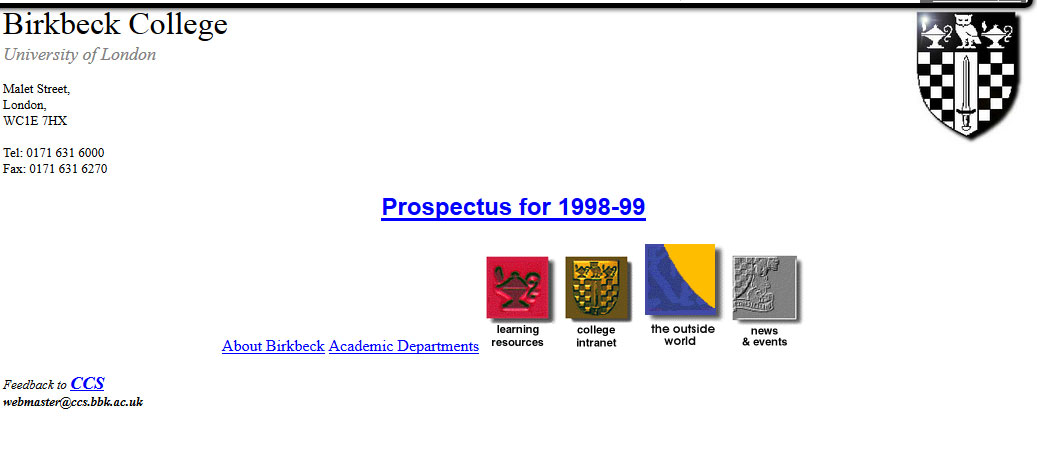
Here’s what the Birkbeck website looked like in January 1999.
At that time, we didn’t ask people to scroll, but our website was tiny and not even the place most people turned to find out about us. Imagine this – Google was only founded in 1998! Like many other websites in the 90s, it mostly comprised text that was uncomfortable to read on screen.

Now, thanks to the proliferation of devices with small screens that people use to access the web, along with advances in readable screen technology and the advent of social media channels that require you to scan lots of content, people have not only learned how to scroll and read online, but scrolling has become the norm. This means we no longer have to put all of our most important information above the fold – indeed, we’re no longer expected to – which means we can be more flexible when it comes to homepage design.

Where did the carousel go?
Since we launched the new homepage, some people have mourned the loss of the carousel – the sliding set of images that used to adorn the top of the homepage. They are concerned that, with the loss of the carousel, we no longer convey the unique character of Birkbeck at a glance.

When we were working with Pentagram, our design agency, to develop our new homepage, we had long discussions about whether the carousel should stay or go: we were initially resistant to the idea of losing it. After all, it was an efficient way to showcase lots of information about Birkbeck in one space, wasn’t it? Actually, no it wasn’t.

It turns out that web carousels aren’t working for website users, but internal audiences love them. So, while we thought people were finding out all about Birkbeck from the rotating images and messages in the carousel, in fact, our visitors weren’t interested at all: they did not always see them; scrolled past them; went straight to our course finder; or noticed just one image and followed that link. Our carousel was giving us a false sense of security and, as a result, we were not working hard enough to ensure our visitors understood what Birkbeck was about.

This chimed with findings from our customer journey mapping research, where students told us that, even though they trawled our website enthusiastically (some of them claimed to have visited ‘hundreds of times’), they weren’t necessarily aware of our core offering or our ‘unique selling points’, in marketing parlance.

For example, some did not realise we offered evening teaching as the norm: they thought it was just an option and that we were a daytime university. Nor did they realise how well respected we are for our research, both nationally and internationally. Or that our NSS results can really shine. Our researchers told us that we ‘hide our light under a bushel’ and we absolutely needed to do more to share our unique characteristics and our successes with our web visitors, the majority of whom only ever engage with us online.

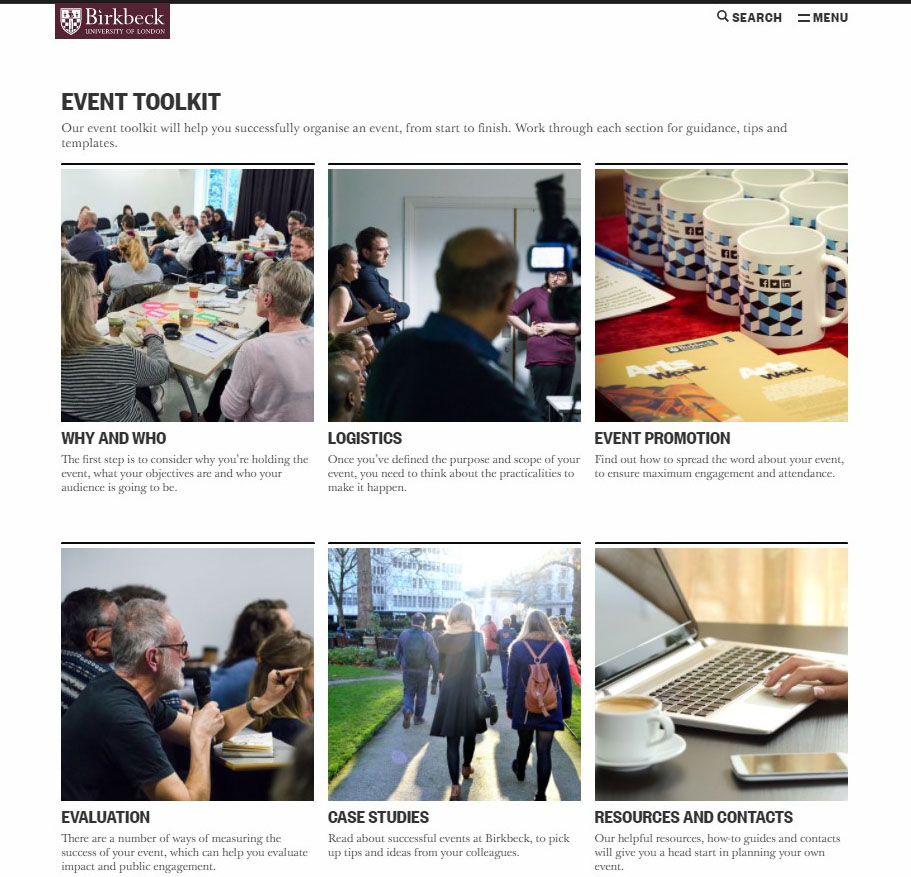
Our new homepage design

When we commissioned Pentagram to come up with a new web design with and for us, based on our new visual ID, we knew we wanted to showcase Birkbeck effectively. We knew – because Birkbeck staff and students told us – that the Birkbeck website didn’t work for our visitors as well as it might and that it looked dated and staid.

Pentagram took time to understand our objectives, our concerns and the feedback we had received from staff and students before devising this list of design principles to inform our new web design:

  1. Simplify and clear away clutter
  2. Push up content and reduce steps
  3. Connect content and surface a story on every page
  4. Create hierarchy
  5. Don’t be afraid of long pages

We know that people don’t read every word on our homepage – in fact, not everyone sees our homepage but goes straight to a particular page as directed by a search result. But if our visitors do choose to travel down it (and a lot of them do), they will encounter a number of elements that tell them more about the type of institution Birkbeck is:

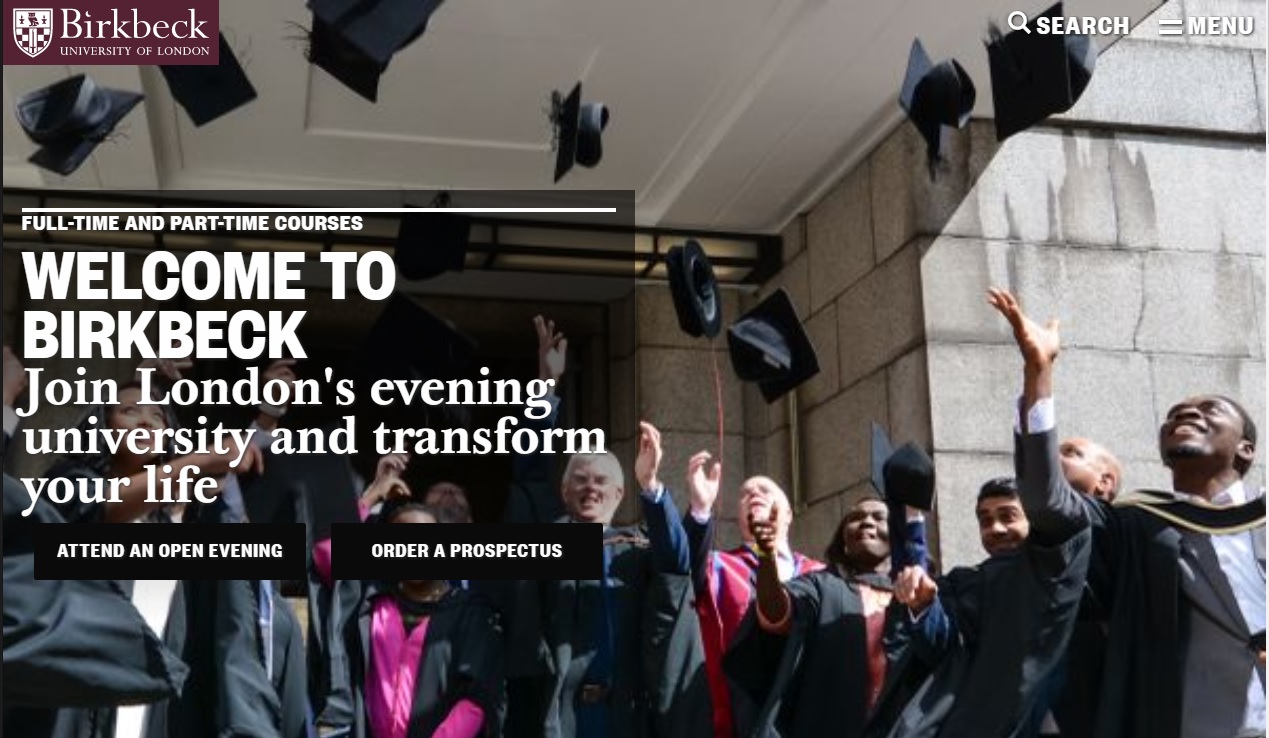
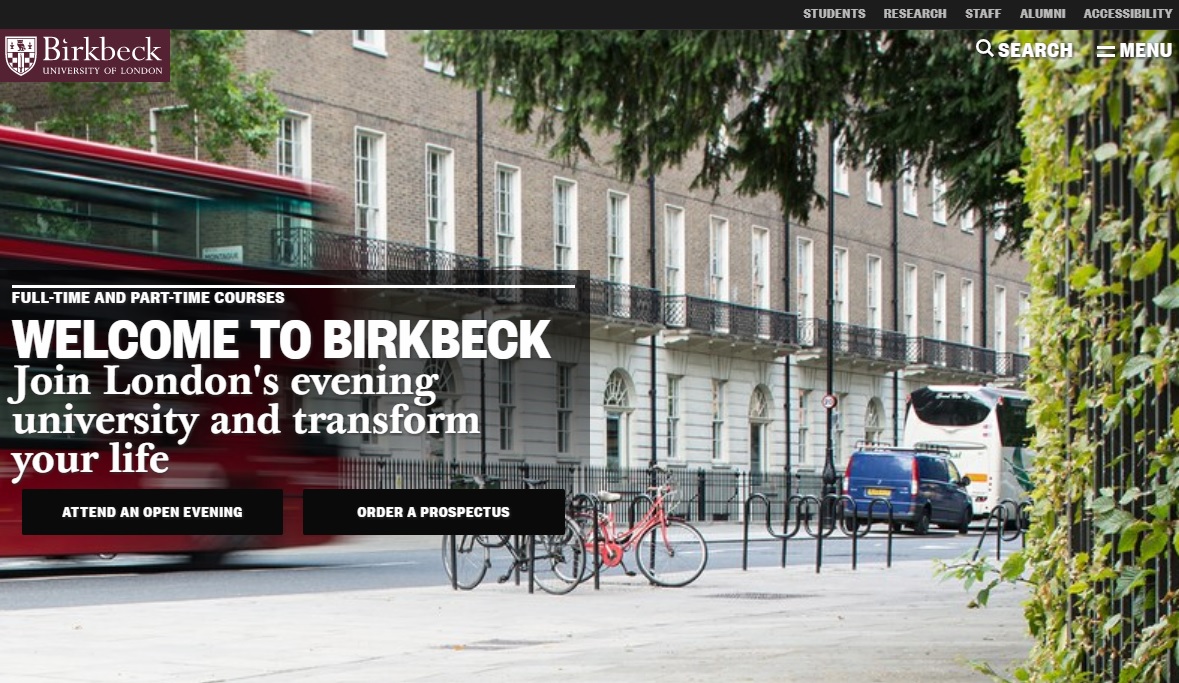
  • Hero image: this is the big image that loads whenever someone visits our homepage. We have deliberately chosen an image that is both large and striking, because we know this is one way to attract the attention of our visitors and, yes, encourage them to explore. But it isn’t just the size and quality of the image – this image also conveys something about Birkbeck, buttressed by the message ‘Join London’s evening university and transform your life’. And now that we have one image to grab people’s attention, we make sure it works hard. (For example, one of our previous images – a bus driving past the SSHP buildings in Russell Square – tells people that we are in the heart of historical London.)
  • A prominent course finder: we have emblazoned our course search across our homepage, after the hero image. Why? Because the art of a successful homepage is to enable visitors to get to where they want to go, quickly. In the last academic year, people pulled up our course information 6m times, so we know this is important to them. Our course finder makes it quick and easy for them to find our course information – and by including all the level options, they can see that our courses span the breadth of higher education offerings.
  • Research stories embedded across our site: We are proud of Birkbeck’s research profile and know how important it is to Birkbeck staff that we tell people about it. To help us share our research stories more widely, we have embedded news, events and blogs/podcasts on all of our landing pages – not just our homepage – including our course listings. This means our research information – which comprises the bulk of these channels – is accessible almost anywhere people travel on the redesigned pages – and by showcasing our research through these different channels, we are giving people loads of ways to engage with it.
  • Obvious USPs: no more hiding our light under a bushel. Our new image-based ‘statement tiles’ give us the chance to tell visitors about Birkbeck and what makes us unique. On our homepage, for example, we tell people that ‘Birkbeck is different: our classes are held in the evening so you can fit study into your life and build your future’. But this isn’t the only message on our site (because we know that our homepage isn’t the only place people look for information about us) – on our ‘About us’ landing page, we tell visitors that Birkbeck is ‘A leading research university and vibrant learning community’; and so on. If someone engages with our website, they should be in no doubt that we are a unique evening teaching institution with a world-class research reputation, and our statement tiles are designed to reinforce this message.

But that’s not all. In addition to these elements, you will find that we offer routes to destinations across our site through large visual signposts; that accessibility is at the heart of our design and our Reciteme bar means all visitors can access our information more easily; and that our redeveloped pages are responsive, which means they change, depending on the size of the browser you are using to access them, in order to provide an optimal browsing experience.

Is our homepage working the way we wanted?

Two of the objective set for Stage 1 of the Digital Transformation Project were to:

  1. Support student recruitment by making it easier for prospective students to navigate our site.
  2. Better promote our research.

Since the new pages and design went live on 16 May, we have seen a number of results that suggest that we are meeting these objectives. For example, compared to the period immediately before the go-live, prospectus requests have gone up 200%, Open Evening registrations 70% and applications 50%. And we’ve seen a 130% increase in views of our research content.

Of course, we know these results aren’t solely due to the work we did on the web, as these objectives are shared by colleagues across the college, and we work collectively to achieve them. However, we can at the very least be reassured that our website is helping us to meet these objectives and, as we track user engagement with our site (through user testing and the use of online tools like Hotjar), we can see that it is now easier than ever for our users to find the content they need to decide to study with us – and we can also see that they are engaging with our content in the way that we hoped (watch this video of someone reading our home page).

It’s early days and there’s still a lot to do and a lot to learn – but the work undertaken so far has greatly improved the website for our users and who are now able to quickly and efficently find out about Birkbeck and what we offer.

Birkbeck’s telephone fundraising campaign – meet the Student Callers

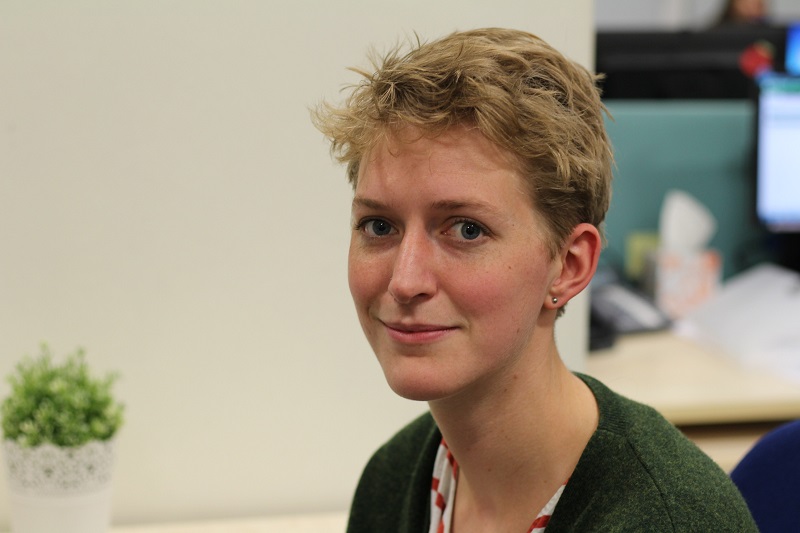
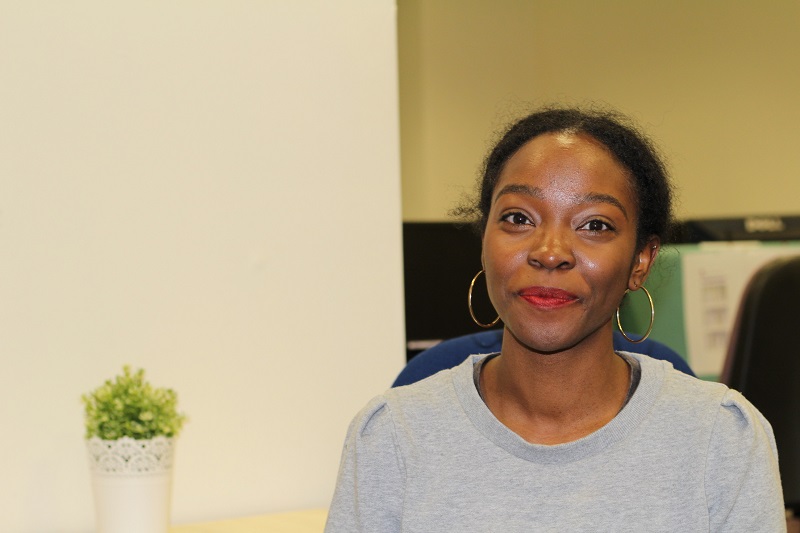
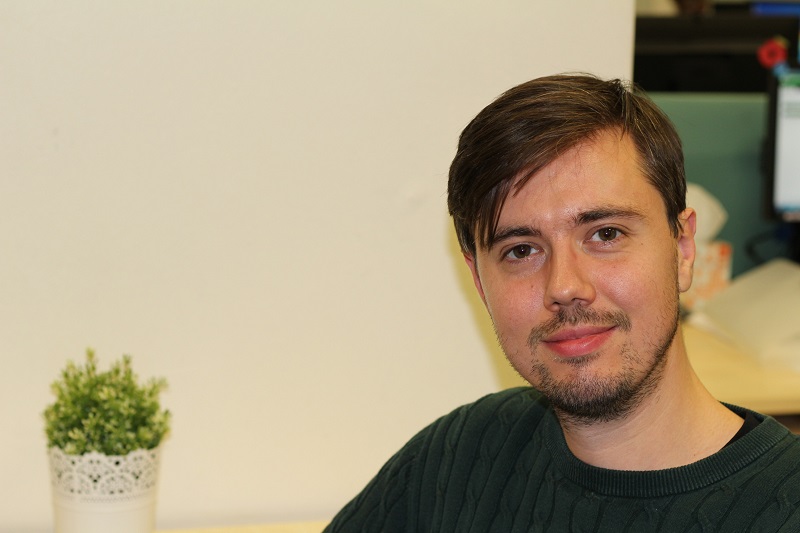
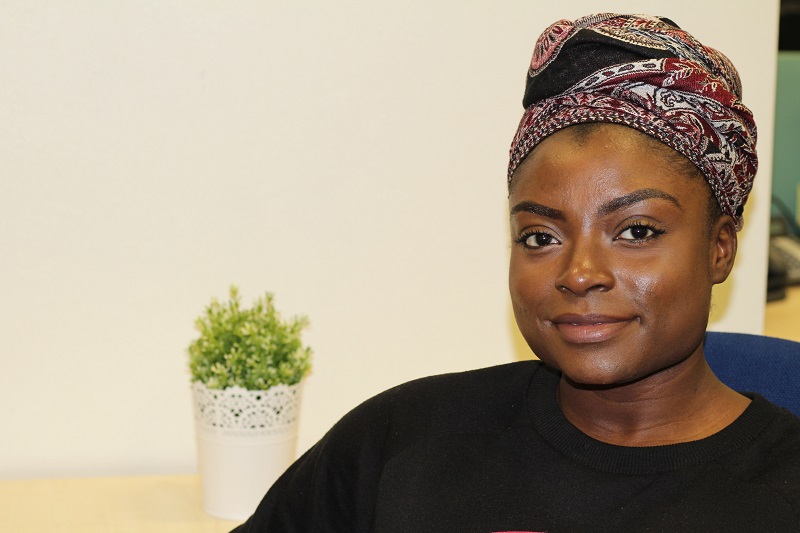
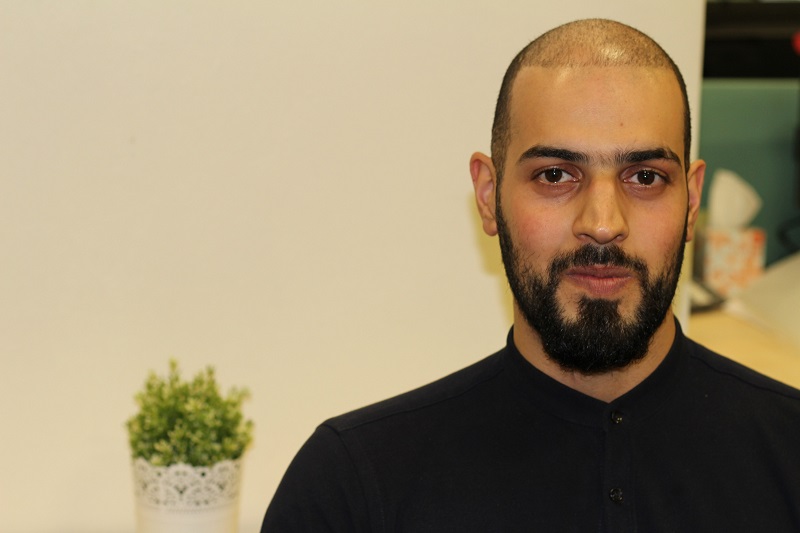
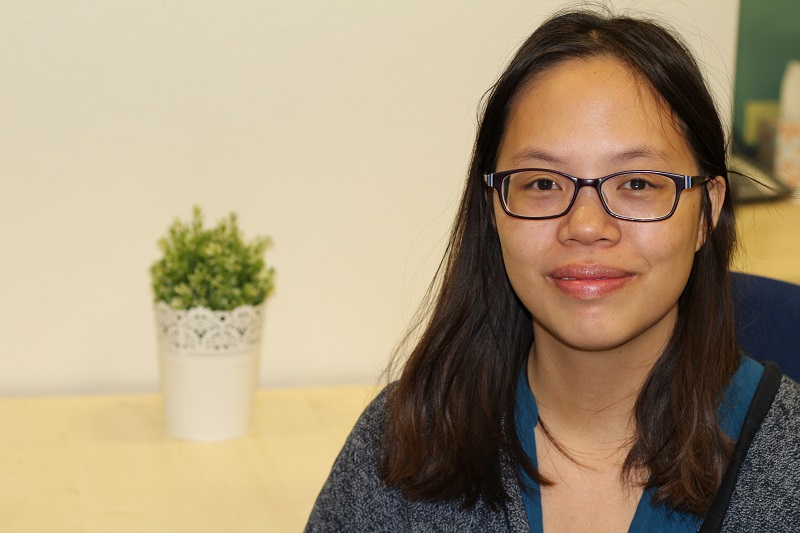
Say hello to the new Birkbeck student callers who will be working on the telephone campaign to raise valuable funds for bursaries, facilities and support services.

The Birkbeck Autumn Telephone Campaign has now begun. A team of dedicated Birkbeck student fundraisers will be contacting alumni over the next five weeks to fundraise for College priorities, including bursaries. 40% of Birkbeck students require some form of financial assistance, and often this support is key for bursary recipients to be able to complete their studies.

Not only do alumni gifts provide financial assistance to these deserving students but they can also have an impact on life at the College, ensuring that future generations of students have the best facilities, support, advice and career guidance during their time at Birkbeck.

We have been running telephone fundraising campaigns for the past nine years, with over 300 telephone fundraisers taking part so far. Tara Millington, Regular Giving Officer at Birkbeck has said: “In the last telephone campaign, our telephone fundraisers secured over £93,000 in pledged donations. This is a real testament to how generous our alumni are – their support can make a huge difference for both current and future students here at Birkbeck. Not only do the callers gain valuable fundraising experience, they really enjoy speaking to alumni and hearing about their experiences.”

The Autumn Campaign will run between 30 October and 2 December – if you’d like to receive a call from one of our students, please get in touch with Tara Millington (t.millington@bbk.ac.uk).

We talked to this year’s Student Callers about why they wanted to participate in this year’s campaign:

Grace, MSc Environment & Sustainability: “I wanted to be more involved in university life and to help raise money to support the student services available at Birkbeck. I’m looking forward to speaking to Alumni and hearing about their experiences”.

Jasmine, MA Victorian Studies: “I wanted to do something for Birkbeck whilst I’m a student here, I think it’s important to raise money for ongoing projects, scholarships and bursaries that benefit both current and future students”.

Thomas, MA Philosophy: “I wanted to gain experience of working within a University. This kind of fundraising allows students to have opportunities they otherwise might not, and I think that’s important.”

Kelli, PhD Film and Screen Media: “I wanted to improve my communication skills and I believe in the objective and importance of alumni relations – which benefits current students in so many ways”.

Tasawar, MSc Middle East in Global Politics: “I wanted to gain experience in connecting with Birkbeck alumni, I think it’s important to give back to a community that you will always be a part of”.

Shakeela, Cert HE Counselling and Counselling Skills: “I was a caller in the last Telephone Campaign – it’s a chance to give back to Birkbeck and gain experience in a fundraising role.”

Shade, MSc Global Criminology: “I wanted to gain fundraising experience and to talk to alumni about their experiences at Birkbeck. Fundraising for Birkbeck is important as it gives a chance to students who may not be able to study without financial help.”

Roland, Counselling Skills“I wanted to get to know Birkbeck better by meeting other students and talking to alumni – fundraising is important as it keeps alumni engaged with Birkbeck and gets the message out there about the good work Birkbeck is doing”

Madeline, BA Creative Writing and English: “I’ve worked on the last two Birkbeck Telephone Campaigns and loved the calling team and getting to speak with alumni about their experiences.”

Melissa, BSc Geography: “I’m a returning caller to this campaign – I want to gain some fundraising experience and feel that raising money for Birkbeck is a sound and just reason; I feel privileged to be able to attend university myself. The bursary I received is incredibly helpful, and the career service at Birkbeck is invaluable.”

Mohammed, BSc Psychology: “It felt like a good opportunity to get involved and be more of a part of Birkbeck, whilst gaining valuable fundraising experience.”

Moonlie, MSc Education, Power and Social Change: “I want to fundraise for the support made possible by alumni donations e.g. career support for disabled students and to enhance the student experience.  I’ve called in a previous campaign and really enjoyed speaking to alumni.”

Ria, BSc Biomedicine: “I’m a returning caller from a previous campaign, and really enjoyed speaking to alumni and gaining fundraising experience. It’s very exciting to be able to speak to alumni.”


Finding the balance between work and study

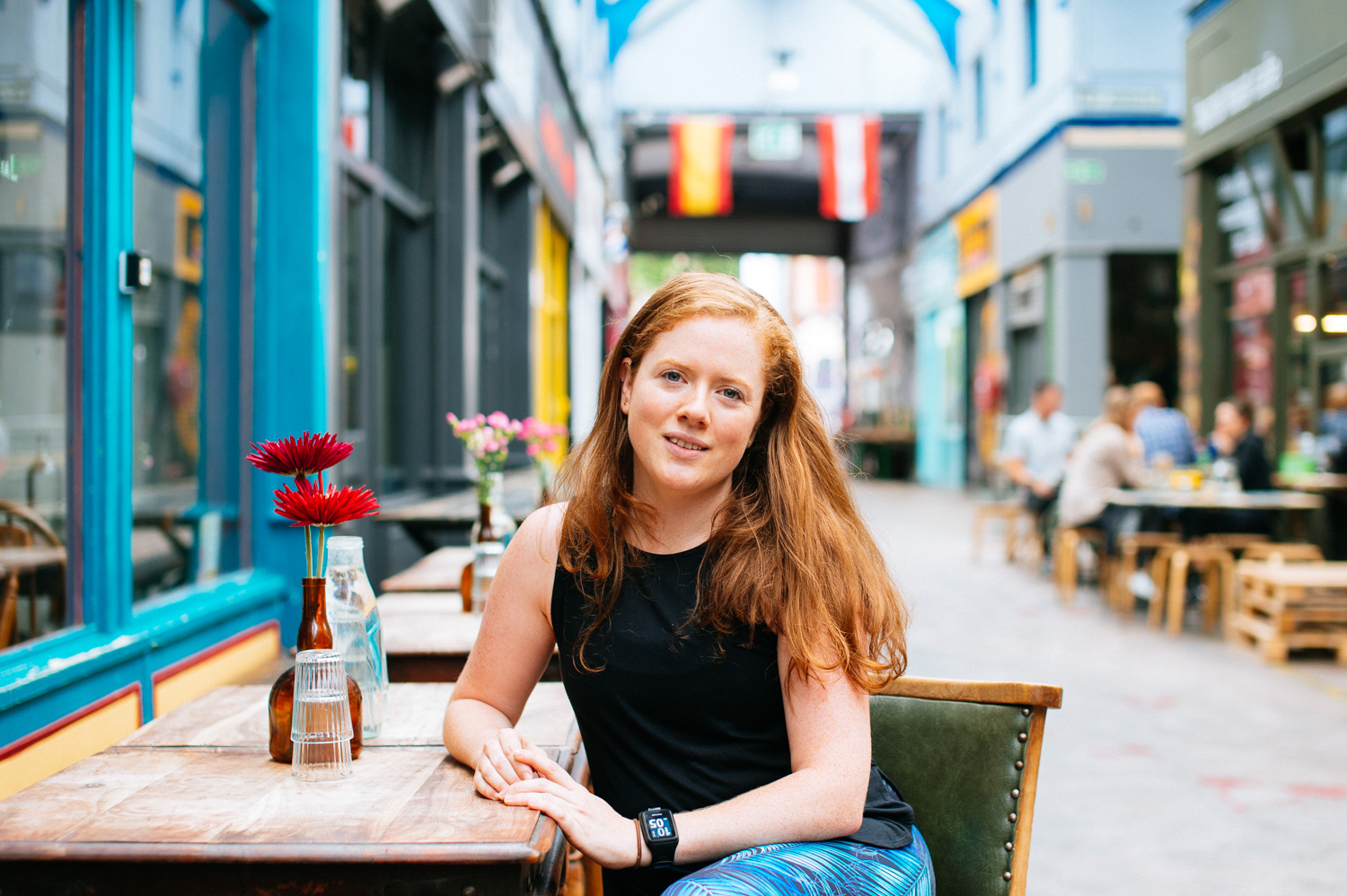
Sports Management 2017 graduate Bethan Taylor reflects on her time at Birkbeck and shares her top tips on how to find a balance between your job and your studies.

Image: Anna Rachel Photography

I studied MSc Sports Management at Birkbeck from 2015-2017, taking a special interest in women in endurance sport. I’m a civil servant working in the Ministry of Justice, and I also write for a range of publications including my own blog A Pretty Place To Play which features my new podcast The Mental Health Podcast. When I’m not working or writing, I like to run and am currently training for my first ultra-marathon – 56 miles from London to Brighton next year.

There are lots of reasons why I decided to go back and study for an MSc – I’d been working in financial services for around five years and while I loved my job, I wasn’t finding it that intellectually stimulating. At the same time, I’d become really involved in running and was writing for various print and digital publications on the topic of women in sport, which really peaked my curiosity. I decided that I wanted to be able to talk with authority on the social issues in sport, and in my mind, the best way to do that was through postgraduate study.

The whole experience at Birkbeck was amazing! I loved that I was able to study an academically rigorous and challenging course while still progressing my career. The academics I worked with in Birkbeck Sports Business Centre were really open and supportive, encouraging us to question everything and to challenge each other, which I really enjoyed.

Being able to work while I studied meant I could pay my course fees without worrying about debt. Academically, it was great studying over two years – it meant that I could really take advantage of everything Birkbeck had to offer, simply because I was there longer! It also meant I had more time to think about what I wanted to research for my dissertation, which meant I got to dig deep into issues that really fascinated me.

There were challenges, of course, one of the biggest being that I felt like I was constantly saying no to social events and letting people down. That was really hard. Thankfully my friends and family were all really supportive and totally understood when I had to decline a dinner invite again, or sloped off home after one drink to study!

Between working and training for a marathon and a couple of half marathons my time at Birkbeck was pretty busy, and it did mean that I didn’t get involved in any societies or clubs. However, I did have a mentor and she was fabulous – it was great to be able to sit down with someone and discuss my career and direction really frankly.

I think it’s really important for people in the sports/fitness industry to really understand the unique nature of their business, as well as the social issues that surround people’s engagement in sport (my area of interest). Courses like the MSc Sports Management are helping to develop a new generation of professional sports administrators, as well as the academics who’ll be thinking about how we can challenge ourselves and develop the industry in the future.

I think education is a life-long pursuit, and I was really lucky to have great role models in my parents who both studied while working throughout my childhood (in fact my Dad was also at Birkbeck last year!). Learning new things helps to boost your creativity, enhances your problem-solving skills and challenges your perceptions – it makes life a lot more interesting! I also believe that life shouldn’t be all about work, you need some challenges that are just for you, whether that’s studying for an MSc in a subject that fascinates you or running a marathon (or both!).

If you’re thinking of studying at Birkbeck, don’t question whether you can do it, as you absolutely can! You’ll need to be super organised both at work and with your studies, and there will be some sacrifices, but it’ll be worth it in the end.

Before you start your course it’s worth chatting to your employer about flexible working – I always kept my boss in the loop with my timetable so she knew why I was bolting out the door at 5pm. Also make sure you talk to your friends and family, as you will need their support and understanding because there will be times when things feel tough.

When I was studying, being organised was essential! You cannot over-plan when it comes to studying while working. Make sure you leave lots of contingency time, just in case something kicks off at work or you get sick.

Looking back on my time at Birkbeck, I can honestly say it’s one of the best places in the world to study sports management – but beyond that, there’s so much more! Studying while working is a great way to demonstrate to employers a whole range of desirable skills, like time management, organisation and dedication. It really illustrates how dedicated you are to your subject – you have to really want to do something if you’re going to sit through three hours of lectures after a full day at work! Beyond that, I’ve had the opportunity to carry out brand new research on a topic that hasn’t been explored much in-depth before, and I think this contribution to my subject really sets me apart.

Looking forward, I would love to become an expert in my field, specifically focusing on women in sport. The dream is to be cited as an ‘expert’ in a Runner’s World investigation. In the meantime, I am working on building my experience and thinking hard about a PhD (possibly at Birkbeck…).

Further information

Birkbeck’s Digital Transformation Project

Ben Winyard, Digital Publications Officer at Birkbeck, discusses Stage One of our online redesign.

Stage one of Birkbeck’s ambitious Digital Transformation Project went live on 16 May 2017, with the launch of a bold new design and layout for our homepage, corporate site and online prospectus. Since then, External Relations and the ITS Web Team have busily continued with improvements that, while less dramatic in terms of immediate, aesthetic impact, are just as important for bettering the user experience, optimising the accessibility of our website for all users, and making sure visitors can get the information they want quickly and easily.

A core principle of the Digital Transformation Project is that our decisions should be evidence-based and user-focused. In pursuit of this goal, we regularly test users’ responses to our website. Since February 2017, we have run around 50 user testing sessions, which covered the pre-launch, launch and post-launch phases of stage one. Some initial changes we made as a result of user feedback were adjustments to styling and making information clearer and easier to find.

During the June user testing sessions, we looked at how users search for courses and judge their quality, using Google, UCAS, and other comparison and rating sites. As a result, we implemented improvements to usability on our online prospectus, including: rewording and redesigning buttons and signposts; adding links to other available years of entry and to other versions of the same course (‘Related courses’); retitling fields to make browsing easier; and adding career destinations information (pulled from Unistats) to all of our full-time undergraduate courses.

As well as identifying usability issues, regular user testing is also increasing our understanding of how people use our website, which informs future developments. This feedback is proving vital for the next part of the Digital Transformation Project, which is focused on improving our site and course search. We know that the majority of our visitors come to us via Google. But we have learned that an increasing number of visitors – especially younger users – primarily navigate our site via internal course and site search, or externally through Google, rather than using our menus. This makes it even more pressing to ensure our search facility is the best it can be, which is one of our primary aims for the immediate future. User testing sessions in August concentrated on course and site search; they confirmed that improvement is needed and provided vital information on how users expect a search facility to work on a university website.

We are also looking at how students use school/department content on the Birkbeck website and how this content fits into the user journey. This is with a view to launching a project to bring our school/department content into the new visual identity and web design, which will also include rationalising and improving content and navigation, in order to enhance the user experience and ensure all of our users can find the information they need.

In External Relations, our focus so far has been on improving our online prospectus, the most visited and the most important part of our entire website. Depending on the time of year, our online prospectus can total well over 4000 pages, each with its own unique content and each playing a vital role in telling prospective students about Birkbeck and encouraging them to apply. Improving our online prospectus has two strands: rewriting descriptive text for our courses and improving all of the modules that are currently available for undergraduate and postgraduate students. In both instances, we have been applying our new house style and polishing content to make our course and module descriptions accurate and engaging. Our primary aim with any online course description is to grab the reader’s attention and let them know about what is unique, interesting and exciting about the course and about Birkbeck.

An example of a programme page in our new design.

On our programme pages, we have focused attention on the overview, highlights and course structure fields. We know from heat maps and analytics that these are the most visited parts of every programme page, so we wanted to dedicate time and attention to making this text really sing. It’s important to us that we do justice to the intellectually stimulating content of our courses, to the dedicated, world-leading academics who teach them, and to the life-changing opportunities offered by Birkbeck’s unique model of evening study. We have also been working hard with colleagues to ensure our online course pages are compliant with new legal requirements from the Competition and Markets Authority (CMA). These changes will increase the usefulness of our online prospectus by presenting important information on student contact hours, independent learning, learning development and support, and how students are taught and assessed across Birkbeck.

Our module improvement project has one primary focus: ensuring that every available module at Birkbeck is part of our online prospectus and includes rich, appealingly written descriptive text that adheres to our new house style. We have been working closely with our colleagues across Birkbeck’s five schools to source content and have updated and improved around 200 modules so far.

So, what difference has our redesign made, in terms of the number and quality of visits? An important measure of improvement and quality is the increased amount of time people are spending on our site; visitors spend longer engaging with the improved content and are finding it easier to navigate between different areas. There has also been an increase in the number of returning visitors, so we know that people are coming back to us.

Our online prospectus remains the focus of most visitors’ attention and continues to attract the highest interest. User testing and analytics reveal that, for many visitors, our course pages are their first interaction with Birkbeck, so one of our primary aims with the new web design has been to convert each of our online course pages into a ‘mini-homepage’, with links to news, events and research across Birkbeck and to vital information, such as financial support, student services and accommodation. To this end, we added tertiary signposts to every programme page and we are now seeing that people use our course pages as their main entry route into, and the jumping-off point to, other parts of the Birkbeck website. Other parts of our site have been dramatically upgraded: there are far fewer pages and we have consolidated information in one place and converted old information into downloadable documents, where appropriate. This has led to a significant increase in engagement: visitors are now spending more time on these pages and going through the information more thoroughly, because it’s all in one place and easily navigable.

Meanwhile, we have instituted a regular weekly maintenance slot, during which three web editors in External Relations make requested changes to all areas of our new site. Since May, we have implemented hundreds of such requests, all with the purpose of improving the accuracy and helpfulness of our content.

We have also developed an entirely new Digital Standards area on our website, which provides advice, information and support to all Birkbeck staff who need to convey information online. You can read our house style guide, find out about search engine optimisation, get practical information on links, files and redirects, and learn more about our visual identity and our social media guidelines. We are working hard to supplement this online support with bespoke face-to-face training, which we are in the process of developing. We have also begun using new software that identifies accessibility, content and coding issues across our site, which is greatly helping us continually maintain and improve the new site.

We have a series of ‘conversion goals’ on our website, whereby a user’s visit is translated into an action. We primarily want visitors to: order a prospectus; or book an Open Evening; or submit an application to study. We have seen a dramatic increase in these since we launched the new website, so it is pleasing to see that our work continues to support and advance the primary objectives of the Digital Transformation Project.


Building an (Inter)Disciplinary Career

Lucy Tallentire from the School of Business, Economics and Informatics explores the challenges and opportunities in interdisciplinary studies, raised in a recent seminar from the TRIGGER Project (Transforming Institutions by Gendering Contents and Gaining Equality in Research). 

Gender is pertinent to many disciplines, from literary theory to anthropology, film studies to linguistics, and sociology to geography. However, these disciplines sometimes differ in their approaches to how and why gender is studied. So what are the challenges in a field of study that spans several disciplines? And how can scholars make the most of their interdisciplinary roots?

These were just some of the questions considered at a recent event on negotiating careers as a gender studies scholar within a mainstream discipline. In her welcome address, Professor Helen Lawton Smith, who led Birkbeck’s participation in the TRIGGER Project, said: “Over its four-year lifespan the objectives of the TRIGGER project became more than just to support women in Higher Education, but to champion equality and what Birkbeck can do to support diversity.” Organised collaboratively by the Birkbeck Gender Sexuality (BiGS) research group and the Birkbeck TRIGGER project, this event is the first in a series of seminars that will be the TRIGGER project’s legacy, supporting PhD students, early career researchers and aspiring professors.

The seminar took the form of a conversation between Dr Kate Maclean, Director of BiGS, and Dr Gabriela Alvarez Minte, who recently completed her PhD at Birkbeck after many years of working in women’s rights at the United Nations Development Fund for Women (UNIFEM). As a feminist geographer who started her academic career with a PhD in Women’s Studies, Kate reflected on her unique experience of completing her doctorate and moving straight into a career in the “mainstream” Department of Geography:

“It is widely acknowledged that gender, queer, and feminist theory is some of the most intellectually challenging theory across the social sciences and humanities. However you may still face challenges as a gender studies scholar – it is not as prevalent an attitude now as it used to be, but intra-departmental dynamics can be difficult!  And it can be difficult to find a network of people to develop your ideas with – particularly important in the early stages of your career. ”

The conversation then moved to discuss the ways in which the challenges of an interdisciplinary field can be overcome. A real breakthrough for Kate was realising the need to network with other feminist scholars in different departments. When she found that other, even senior, staff were facing similar challenges, she organised a meeting for feminist academics across the institution to come together and discuss the need for a space as feminist academics – for both research and mutual support. The size of the meeting was a real testament to the need for this network, which gave them a space to knock around ideas in a very constructive way. As a result, the Gender Matters @ King’s research group was born.

Taking questions posed by the audience of early career researchers, both Kate and Gabriela were able to reflect on their personal academic journeys. Gabriela sees herself as a combination of academic and practitioner and discussed the benefit of field experience: “working at UNIFEM was extremely beneficial to the development of my ideas and drove me to fill out the knowledge I lacked in gender and development”. Kate recognised that she was lucky to go from a PhD straight into an academic teaching and research position, but emphasised the merits of postdoctoral research opportunities, which allow a unique insight into a different field, the benefit of another’s experience and good networking opportunities. Like in any other profession, networking is very important in academia, and refreshments after the seminar offered participants an informal opportunity to engage with one another’s work, ask questions, and learn from one another.

You can find out more about BiGs and TRIGGER on the Birkbeck website.

Click here to find out more about future seminars.

How one student makes the most of his 24 hours a day

Samuel Harris, second year BSc Financial Economics student, discusses how combining work with study is furthering his aspirations as part of National Work-Life Week.

Time. It is perhaps the most valuable commodity an individual owns yet we all have 24 hours a day to spend as we see fit. That’s 1440 minutes or 86,400 seconds where we all make individual choices that may or may not have consequences that shape our future with most choices made in the hope it will create a better future. Getting my work-life balance is vital, in my opinion, to avoid burnout in my future career path and aspirations, and will help me be the best I can be as a person, socially and academically.

So, what are my future career aspirations? I’m writing as a member of the Birkbeck Economics and Finance Society and I aspire to, one day, own my own financial investment firm. Financial services and especially investment banking makes the news consistently on the topic of work-life balance for the wrong reasons. You hear the stories of graduates spending 80+ hours a week in the office but to me, I see people chasing a dream – a dream to be the best and to be affluent. To me, work-life balance is about always enjoying what you do, whether at the office or wherever your workspace might be, as well as when you’re out with friends or doing a hobby. If you enjoy what you do, you won’t burn out!

I am starting my second year on the BSc (Hons) Financial Economics course this October and I currently work full-time doing either 7am-5pm, 9am-5pm or during the university summer break, occasionally 9am-9pm. I am always described by my friends who are at traditional universities as crazy and the most frequent comment I get is “how do you do it?”

The answer? Very simply. Whilst they are partying away, I’m studying here in a 6pm-9pm lecture. Whilst they are being lectured to, I’m working gaining practical experience. No amount of reading or memorising will make you successful in life because it is the understanding and application of wise thought that counts – and that is what Birkbeck is all about. I will be job-market-ready. I still have the time to see my friends in London at the weekend after I finish my university work and I make visits to my friends further afield at other universities 3-4 times a year. Whilst sacrifices must be made, and don’t underestimate the sacrifice needed to work full-time and study full-time, I don’t overestimate it either as it is very feasible with a strong work ethic. It’s not for the faint-hearted and I must stress the necessity of a strong work ethic! Working part-time is also an option.

The most important piece of advice I would give to fellow students is not to lose focus on why you do what you do. Whether it is that you are academically inquisitive, or you are hoping to change career, or to become better at your current one, commitment is key. There will be challenges along the way. Being glued to my desk and the library during exam season and using every available term holiday to prepare is just the beginning. You’ll find time goes very quickly and your external commitments will need to be tapered. I manage my time by using a diary on my phone and I put everything in, no matter how small or insignificant.

Life as a Birkbeck student is tough and unforgiving but it could possibly be the best decision you ever make. Everyone who studies here has unique life experiences and you can use one another as a sounding board for great ideas and experiences. Make the most of your time here and you won’t regret it.

Gender equality in academia

Dr Almuth McDowall discusses how Birkbeck is drilling into the data of the Athena SWAN Charter, an initiative which seeks to address gender inequality in STEMM.

Are women in STEM subjects not progressing as far and fast as their male colleagues? What should universities put in place to nurture and retain female talent? These are questions close to my own heart, not least as some of my own research on work-life balance and also on executive rewards as a science-practitioner in organizational psychology touches on gender issues.

It’s been much debated that women are more likely than men to leave academia in science subjects, and are underrepresented in senior roles. The Equality Challenge Unit’s Athena SWAN Charter, established 12 years ago, seeks to address gender equality through charters. These provide a framework for institutions to apply for an award which recognises their work on equality and diversity. Birkbeck is a member of this Charter, and a number of departments and schools hold awards including Biological and Psychological Sciences.

As a member of the College’s Athena SWAN panel, I am aware that much is being done in the institution to support direct initiatives, such as a dedicated mentoring programme through TRIGGER/ ATHENA SWAN, but also to support culture change by ensuring that any processes and activities are based on evidence and local need, and serve to further, rather than hinder, the equality agenda.

One of the challenges for everyone in academia is that our work is largely driven by the student lifecycle and a tight year-round calendar of events. Friends who tell me ‘oh you academics have all summer off, don’t you’, usually get a rather terse and detailed reply, as I list the number of tasks that have to continue all year around: student supervision, working on academic projects, updating and maintaining our records and so on.  As a result, we often don’t have the time to really drill into the data we have already gathered on issues such as equality and diversity.

Luckily, our ATHENA SWAN panel seeks to address just this. Earlier in the year, I set about a more detailed analysis of (anonymised) data from our staff survey, from all female and male academics in STEM subjects, concentrating on the free comments which people had provided. My question was: do women and men raise different things? And the short answer is: yes, they do.

On the whole, women report to be most concerned about effective communication in the institution, a sense of being valued but also the local facilities and environment. Men, on the other hand, appear more concerned with training, development and progression as well as pay and benefits. These are interesting differences, suggesting that women might focus more on how we work as an institution, whereas men focus more on how they get rewarded for what they do.

The next step is to follow up these issues in dedicated focus groups, to gain more rigorous data and insights on the issue.  Are women more likely to focus on Birkbeck as an institutional environment, but might this come at the expense of focus on individual needs and career progression? Are men more likely to ask, and get what they want? We hope to report back on these issues in due course.


Sport Management at Birkbeck: Innovative perspective on the sport industry

Natalie Gedra at a sports stadium.

Over the past 30 years, there has been significant growth in the number of sports management programs offered by Higher Education institutions, from undergraduate level courses to MBAs with a focus on sport business. These courses aspire to provide students passionate about sport with the experience, management and leadership skills required for career success in this expanding and varied sector.

As a respected academic research centre, the Birkbeck Sport Business Centre in the Birkbeck Department of Management, offers a range of programmes to help students delve deeper into the business management, marketing and governance of the sports’ industry. Natalie Gedra, who was awarded a prestigious Santander Scholarship in 2016/17, recently featured in a short video outlining her positive experience of the Birkbeck Sport Business Centre, where she studied an MSc in Sport Management:

Before coming to Birkbeck, Natalie obtained a BA in Journalism and worked for 6 years as a sports reporter in Brazil, most recently with GloboTV. When she chose the Master’s programme in Sport Management, she hoped to pursue a role in the third sector related to sport. She says that studying sport management at Birkbeck has allowed her to step back from her industry position to view and assess the organisation, structure and behaviour of the sport industry from a broader, more detached perspective. These insights have enhanced her overall understanding of the sector:

“I’m already seeing a professional benefit from my Master’s; I already see sports in a different way.”

To find out more about the academic postgraduate programmes in Sport Business and Sport Management, please visit the Birkbeck website.

To keep up to date with Natalie’s sport journalism, you can also follow her on Twitter.

The post-storm city: the very different depictions of Hurricanes Harvey and Katrina

Dr Anna Hartnell comments on the different responses to 2017’s Hurricane Harvey and 2005’s Hurricane Katrina and how in both disasters, it has been the poorest who are hardest hit. This article first appeared on openDemocracy.

‘It happened to Texas and Texas can handle anything’, President Trump said last week, waving the flag of the Lone Star State to an approving crowd in Corpus Christi in the wake of Hurricane Harvey.  ‘They represent truly the very best of America’, he added later. Trump’s characterisation of Harvey as a trial to be met by Texan grit and an all-American resilience couldn’t be further from the portrait painted of those impacted by Hurricane Katrina by President George W. Bush 12 years earlier. Following an aerial tour of New Orleans completed soon after Katrina, he remarked ‘I’ve just completed a tour of some devastated country’; he also claimed to ‘know the people of this part of the world are suffering…’ People ‘from this part of the world’, Bush insisted, would not be forgotten.

Bush’s disconnect from the region reflected a larger sense that post-Katrina New Orleans resembled a ‘Third World’ disaster zone, a sense that also led to storm survivors being widely referred to as ‘refugees’, despite the fact that only a tiny minority were not US citizens. This feeling that the post-storm city was not quite American has a long history. It relates to the fact that New Orleans is a majority-black city, but is also connected to the city’s distinctive and pronounced relationship to its French and Spanish colonial past, its links to West Africa, and its apparent flouting of the Protestant work ethic as evidenced in its calendar of festivals, its rich parading and performance culture, and an economy dominated by tourism. New Orleans has thus come to stand out as a quaint relic amidst a relentlessly forward-looking national culture that dispenses with the past in favour of the future.

This stereotypic understanding of New Orleans culture made it into a New York Times piece written last week, which suggests that when ‘Katrina devastated New Orleans, the disaster played out in an eccentric anachronism, a city of modest economic heft proudly tethered to its exotic past. But Harvey has inundated a city perpetually looking to the future, a place built on boundless entrepreneurialism, the glories of air conditioning, a fierce aversion to regulation and a sense of limitless possibility.’ Where New Orleans has long been cast as a disaster waiting to happen, Houston, the coverage seems to be suggesting, will triumph. It is a ‘muscular’, ‘resilient’ city, whereas New Orleans, historically portrayed in literature as weak and effeminate, is imagined in very different terms. While both cities are sited in improbable locations, vulnerable to floods and storms, it is New Orleans and not Houston that is seen as somehow irresponsible for perpetuating its own existence. In the wake of Katrina, there were widespread calls for footprint shrinkage and some commentators went so far as to suggest that the city should not be rebuilt. Despite the rapid growth that has led to Houston becoming synonymous with unsustainable sprawl and concrete, the merits of rebuilding have not been challenged.

Texas stands at the centre of national narratives of rugged individualism and self-reliance, and Houston in many ways represents the neoliberal expression of these values, a playground of unregulated physical and economic growth. So where the story about New Orleans after Katrina was dominated by a narrative about race and class, the racialised poverty that the Hurricane seemingly uncovered, the story about Houston in the wake of Harvey has been embodied by the image of the white, middle-class home owner. Where, according to grotesquely inaccurate and racist media coverage, New Orleanians behaved badly after the storm, the best is being brought out in Texas.

This is not another Katrina, the narrative insists. Disasters, so the myth goes, are great social levellers.  Another recent New York Times story captures the essence of this political and media messaging: ‘Storm With “No Boundaries” Took Aim at Rich and Poor Alike’.  Although this piece does acknowledge that once disaster has struck, the poor have fewer options, this is an enormous understatement. Where depictions of Katrina survivors were sensationalised and often overtly racist, those who will be hit hardest by Harvey have been rendered all but invisible.

What the very different characterisations of post-Katrina New Orleans as compared to post-Harvey Houston obscure is the very sizeable minority and low-income communities in Texas who did not own cars with which to evacuate or homes against which to claim insurance. 30% of Houston’s population live below the poverty line and more than 40% do not own their own homes. As the lessons of Katrina have shown, it is renters and those living in public housing who are most vulnerable to homelessness and displacement following a disaster of this kind. And just as poor black Americans in New Orleans were more likely to inhabit lower-lying and thus flood-prone land, communities of colour in Houston are similarly exposed to risk, living in close proximity to the oil refineries and chemical plants that in the wake of the storm are leaking dangerous levels of pollutants into the environment.

Hypervisible in the case of Katrina and invisible in the case of Harvey, low-income communities of colour are on the front line of climate change in the United States, just as they are across the rest of the world. Stories about plucky Texans facing up to the storm, or indeed about looting in New Orleans, seek to suck us back into the ‘human interest’ narrative of the here and now, into the seductive rhetoric of everyday survival. Meanwhile, the larger, deeply discomforting significance of storms like Harvey and Katrina, as signs of things to come, remain in shadow.


Everything you need to know about coming to Birkbeck as a school-leaver

This article was contributed by Cecilia Nguyen, a BA Language with Journalism student, who will be going into her second year this autumn. It was first published on her blog. 

What is it truly like to attend an evening university like Birkbeck? I am writing this blog as when I needed it two years ago, it was nowhere to be found.

‘Will I fit in as a school-leaver?’
The short answer to this question is yes, of course you will! I think there is a misconception that because evening studies can be more appealing to people who work in the day (of which the majority are over 25) that younger people may not fit in.

However, with the introduction of more full-time courses at Birkbeck, the number of under-25s is on the rise every year. The demographics of your classmates are highly dependent on the course you study. I study German and Journalism and find that on my German modules, there are more school-leavers, whereas my Journalism module attracts more mature students.

I truly think that you shouldn’t let this affect your decision when choosing a course if the curriculum perfectly matches your needs.

‘Is it only for part-time students?’
No, it is not. Birkbeck started introducing full-time courses in 2009 and has been working on them ever since!

But in this day and age, education takes on so many forms that I find traditional, daytime, full-time education to be highly overrated. Let’s look at an example: A full-time course takes on average 3 years to complete whereas a 75% intensity part-time course takes 4 years. The cost is the same, you get more time to study and have a healthier life balance. For me, it wasn’t a hard decision!

‘Can I change from full-time to part-time?’
Yes, you absolutely can! I think Birkbeck is rather flexible on this as they understand students’ circumstances and commitments well.

‘Is it super tiring after a hard day of work to sit in a classroom and do more work?’
Personally, I didn’t find it tiring enough to moan about. I’ve got to admit I had it relatively easy; I only worked 22 hours per week, I still live with my parents and I didn’t have any major responsibility that would induce stress.

But from what my uni mates who work full-time and actually have it hard have told me, you don’t even notice the fatigue. Think of it this way, you go to a place with amazing people who challenge you academically while discussing something you enjoy knowing more about. It’s basically a fun fair!

‘Will I have a social life?’
This really amused me as it’s so typical of school-leavers to ask this question.

To put it bluntly, yes, like any other university. Or how I like to put it: you can have a social life. What I mean by that is, it’s totally up to you whether you want one or not.

At Birkbeck, I feel like you can be more selective when it comes to socialising. So if you want to join societies, go out clubbing or have fun, the opportunity is definitely there. But whenever you need to calm down or focus on work, it is easier for you to do so as everyone understands that sometimes you are studying alongside work or internships and that you need to balance all these aspects of your life.

‘You’ve been going on and on about the perks of evening study, but what about its downside?’
Everything has its downside. I personally felt that studying in the evening meant that I had almost no excuse to not find work in the day.

The opportunity is basically given to you and will give you so many things to talk about in your CV to boost your chances of getting employed. You can say things like ‘I can be fully committed as I have the entire morning free to focus on work,’ or, ‘as an evening student I get to hone my time-management skills and determination to complete tasks’. The list goes on and on.

Another downside is that studying in the evening means that sometimes you might have to come to class with an empty stomach as you rush from work to uni. But most of the time the lecturers understand that you have commitments and will allow you to have your meal in class, as long as you don’t let the rustling noises of your sandwich’s aluminium foil disturb the class too much!

Studying in the evening also means that sometimes you have to miss out on gatherings with friends or family. But if you can cope with occasionally not being able to go out, the amount of knowledge you’re getting back is well worth the sacrifice.

Good luck on whatever it is that you decide to do, and hopefully Birkbeck will see you this autumn.