Making the most of part-time study

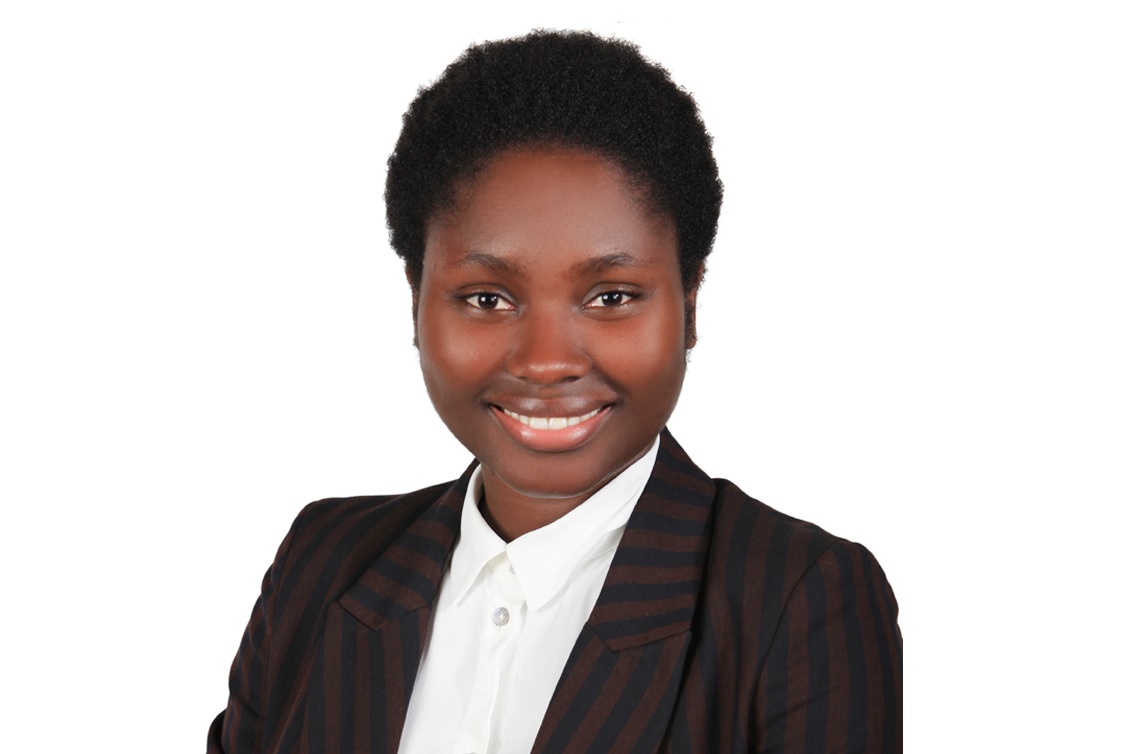
Apprenticeships and university are often presented as a binary choice for ambitious people looking to make the best start to their career. Part-time Business Psychology student Sabina Enu-Kwesi began her degree after completing an apprenticeship to get the best of both worlds – and now discusses how Birkbeck’s support for working students makes this possible.

I started my undergraduate degree in BSc Business Psychology at Birkbeck last September and I will be studying part-time over four years.

I migrated from Ghana to Sweden in my pre-teens. I attended secondary school in Sweden and moved to England with the aim of continuing my education. Whilst in England, I enrolled on a BTEC manufacturing engineering program at college and visited local companies for work experience.

I completed a three-year apprenticeship programme in September 2017 and currently work in a team of engineers as a field-based Service Lift Engineer at Otis Elevator. The company offered training and employment which for me was a win-win combination considering that STEM skills are in high demand and the costs of studying without sponsorship are considerably expensive. I developed a curiosity about the mechanisms of lifts and how under appreciated they are in moving people around buildings. Taking the apprenticeship route has enabled me to progress through invaluable work experience and exposure to the business world.

A little over a year into my apprenticeship, I was nominated for an in-house EMEA initiative for young people to work on projects that would help the company become an attractive place for millennials. These were presented to the EMEA President and regional leadership in Paris and Milan. I was the only apprentice to join a group of self-motivated and culturally vibrant individuals. In the past, such a partnership would have triggered a sense of doubt, but sometimes you have to push yourself on stretch assignments to grow and think critically. I learnt so much and got great support on project planning and management, analysis, and making presentations. My colleagues really appreciated my view from the field.

Whilst participating in the EMEA project, my workload increased dramatically: I had to balance full-time apprenticeship obligations with regular project research and execution, and time management was essential.

The theories and approaches I’m studying have helped me to solve problems at work and think about how important organisational culture is in shaping how people see themselves and their connection to the business goals. In many ways, embarking on an apprenticeship primed me for undertaking my degree at university. Although it’s challenging, I have come to appreciate the different elements involved in balancing full-time work with studying for an undergraduate degree. I have the support of Otis through its Employee Scholar Program where it provides financial assistance to pursue further education.

Working 38 hours a week in a role where I travel between sites means that traffic can potentially mess up my journey plans when I have to attend class. It is important to establish a clear communication with my employer and all those involved. Fortunately, my employer has a scheme in place to support employees balancing work with studying.

So, my advice for anyone considering an apprenticeship is to go for it! It will propel them towards a bright future. Conversely, extensive research is required to ensure whatever apprenticeship you choose will offer adequate training that meets your aims.

I am looking forward to exploring the vast knowledge of the business and social world. Birkbeck is renowned and respected for its staff, research and facilities to produce graduates ready for the business environment. And I am also delighted that Birkbeck has dedicated resources to support working individuals – this is why I decided to come here.

The Compass Project: The light out of the darkness

Elizabeth*, a 37-year-old asylum seeker from Ghana in West Africa began her studies in Legal Methods (Certificate of Higher Education) at Birkbeck this year, thanks to the Compass Project. 

My name is Elizabeth. I am 37 years old. I am originally from Ghana in West Africa. It is a beautiful country near the coast of the Atlantic Ocean. I was born in Ghana and had my primary and secondary school education there. I came to England in 1999 to continue my education but due to unforeseen circumstances, I was unable to do so.

Now, I am studying a Certificate of Higher Education in Legal Methods at Birkbeck and during the day, I am the Grassroots Intern at Women for Refugee Women (WFRW). I work alongside the Grassroots Director, helping to run the drop-in session on Mondays and support refugee and asylum-seeking women.

The charity ensures a safe space for women who have sought asylum in the UK. To continue my support, I am also a member of Women Asylum Seekers Together London, a group run by WFRW that provides free English and yoga classes, lunch and advice on immigration, housing and legal matters with an advice worker for the women.

I have always wanted to study law because I have always had the sense of justice and fairness in my core, but being an immigrant in this country, it was very difficult for me to access higher education. I did not have my qualifications with me and I could not show them when I was asked; I also did not have the finance in place to study.

I found out about The Compass Project through the Islington Migrant Centre, a charity providing practical guidance and support for those who have sought asylum in the UK, as well as providing free English, art and music classes.

To find out more, I went to the ‘Prepare to Study’ session held at Birkbeck’s central London campus, where I was introduced to the College, given a tour of the university and found out more about the Compass Project scholarship.  Afterwards, I decided to apply.

The Compass Project team were so helpful and encouraging and I was so happy and pleased when I received the email that I had been awarded the scholarship. This meant that I could finally start my journey through law. It’s a bit challenging because I have not been through education for such a long time, but I receive a lot of support from the university and that helps to motivate me to stay committed to the course.

I am going to use my experience at Birkbeck to develop myself, to go on to complete the law degree and hopefully to become a constitutional lawyer. I would like to be able to have a positive influence in the law-making process in this country. I feel very lucky to have been given the opportunity to be able to study at Birkbeck – it feels very special to me and I do not take this opportunity lightly at all. My course mates are all very supportive and I feel blessed to have met so many people at Birkbeck who are constantly ready to help.

My advice to anyone looking to apply for the Compass Project scholarship to study at Birkbeck is to believe in yourself and not give up on your dream of higher education, because The Compass Project makes it possible.

Yes, it is possible. Just stay focused and be open to receive all the support and help available to you. Education is truly the light out of the darkness.

*name has been changed.

Reflections on the European Association for Sports Management (EASM) Conference 2017 (Maggligen and Bern, Switzerland)

Bob Olukoya is an MSc Sport Management graduate of Birkbeck, University of London and the inaugural head of the Birkbeck Sport Business Society. Bob practised law in the United Kingdom and later Nigeria before deciding to pursue a career in sport. 

Bob is a member of the European Association for Sport Management (EASM) and attended the 25th annual conference in Biel and Bern, Switzerland where he made presentations with other participants.

He has documented his experience below and made a case for more delegates from Birkbeck at the 26th edition in Malmo, Sweden.

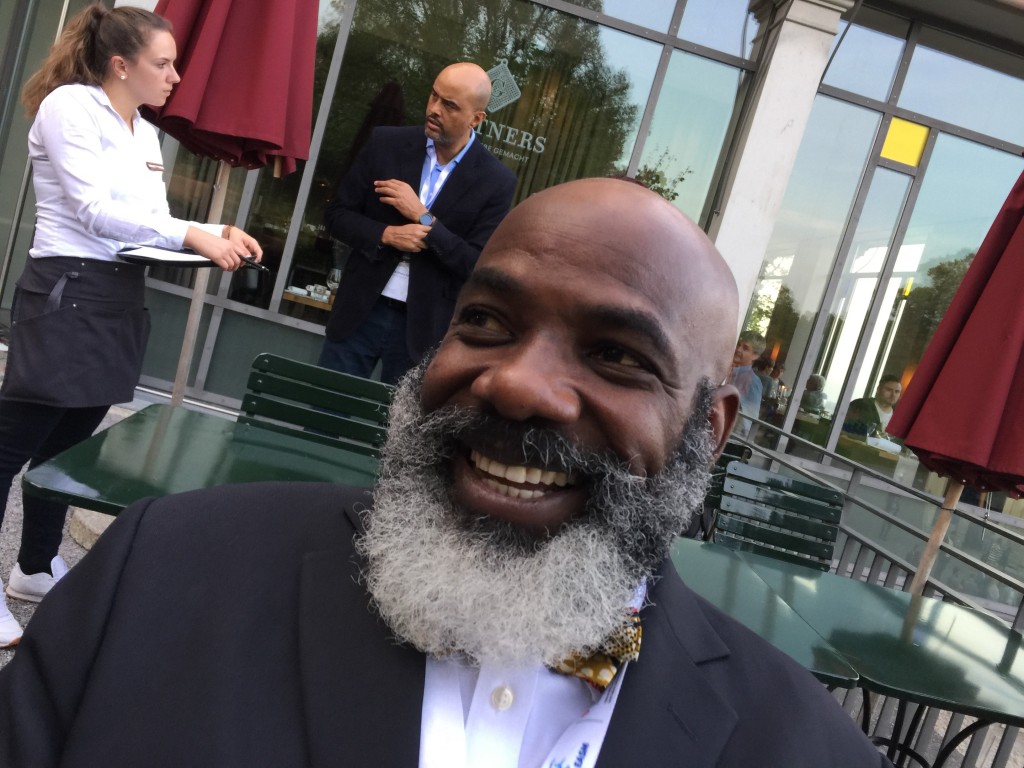
Picture of Bob smiling.

Introduction

The European Association for Sports Management IEASM) annual conference (https://www.easm2017.com/) is the gathering of the great and the good in European sports administration, academia and beyond. Current and former athletes; sport administrators; sport governing bodies; international sport federations; students, the academia, sports equipment manufacturers, non-sport related professionals such as economists, accountants, bankers, etc were all brought together for the 25th edition of EASM. The first 5 days called ‘Students Seminar’ were dedicated to Masters (49 students) and PhD students (19) from all over the world (I met people from Australia, Brazil, Morocco, New Zealand and South Africa) while the remaining 4 days were dedicated to the Association’s business.

Student Seminar – Maggligen, Switzerland

This part of the conference started on 1st September 2017 at the prestigious Swiss Federal Institute of Sport in Magglingen, Biel, Switzerland. The Institute is situated 2,000 metres above sea level in the Jura Mountains accessible by either walking (1 hour – longer going up); driving or by cable car (funicular). The first evening started quietly with students getting to know each other; the impressive facilities at the Institute, the staff, and of course the bar! It was immediately obvious that representatives from British universities would be in the minority (1 representative each from Bournemouth University and Birkbeck, University of London). The Dutch were in the majority followed by the Germans; Belgians, Finns and Swedes. The rest of the weekend was spent preparing group presentations on why particular sports should remain in the Olympic programme for the 2020 and 2022 summer and winter games. In between these preparations and presentations, we made a road trip to the International Olympic Committee (IOC) in Lausanne with stop-overs at the Olympic Museum, Stade Pierre de Coubertin and Mason du Sport International (home of International federations). The highlights of the trip to Lausanne were the presentation by C. Dubi (Executive Director, Olympic Games); P. Fratter-Bardy (Head of summer sports) and N. Puig (Head, External Relations). Representatives of World Archery and International Bob and Skeleton Federation (IBSF) delivered other International Federation (IF) specific presentations. I presented a paper titled: “why Swimming should remain in the 2018 and 2020 Summer and Winter Olympics” together with Michelle Van Grefen, Peter Schreuder and Felix Schimanko

EASM Conference – Bern, Switzerland

The conference started with the well attended opening ceremony, keynotes speeches and get-together on Tuesday, 5 September 2017 at the impressive University of Bern auditorium and conference centre. It continued the next day at the same venue with more keynote speeches and parallel break-out sessions. The parallel nature of the presentations made it a difficult task to choose which to attend as all the sessions were relevant. However, for the first day, I choose the Sport Governance and Policy session with specific focus on the persistent failure of interventions to increase national sport participation levels, with England as the case study. The paper was delivered by Mike Weed of Canterbury Christ Church University, United Kingdom. It was very enlightening especially as the topic was a recurring theme in our discussions here at Birkbeck.

The second day highlight for me was the Sport Facility Management session with specific focus on Venue Legacy of the 2018 Pyeongchang Winter Olympics.  This was delivered by Se Hee Choi of the Korea University, Republic of South Korea.  This was immediately followed by the EASM General Assembly where the new president of the Association was elected (Mr. Vassil Girginov of Brunel University). There were several relevant presentations on the third and final day but the highlight for most people, especially the students, was the workshop on ‘Swissness’ and the closing banquet which took place in the town of Gurten high up in the mountains. It took a 15 minutes ride in the cable car to get to the top of the mountain with impressive facilities.

It was a high value event especially for first timers with lots of intellectual, cultural, social and professional networking opportunities.  The 26th EASM will be hosted in 2018 by the city of Malmo in Sweden. The plea from the Swedish organizers is that more British representatives especially from Birkbeck will be appreciated. It is my candid opinion that Birkbeck students will benefit from this event especially as Brexit looms. The Students Union, Birkbeck Sport Business Society (BSBS) and the University authorities will do well to work out a funding regime to finance students’ participation just like the Dutch, Germans, Swedes and Belgians did.

Final note: My birthday was on 7th September, a day before the end of the conference. The students; tutors, delegates and organizers made it a memorable one for me despite their very tight schedule. I am grateful.

Tapping into Birkbeck’s talent

Hannah and Emmeline from Birkbeck’s in-house recruitment agency for students and recent graduates, Birkbeck Talent, explain how the service can benefit employers.

Businesses looking to attract new candidates in the recruitment process have been drawing the most talented applicants through Birkbeck’s professional, in-house recruitment agency, Birkbeck Talent, since its foundation in 2015. In this time, Birkbeck Talent has placed 384 students or recent graduates into jobs or internships.

Birkbeck Talent bridges the gap between employers and students by offering paid employment opportunities, finding and shortlisting students and graduates to meet the recruitment needs of businesses all over London and the surrounding areas.

The service provides candidates for:

  • immediate and future graduate positions
  • senior roles aimed at experienced students
  • entry-level roles for students
  • placements and internships

Employer profile: Maria Arpa

When alumna Maria Arpa from the Centre for Peaceful Solutions wanted to recruit a member for her team, she turned to Birkbeck Talent after her friend Caroline Nelson from Viva Sing Spanish had recommended the service; “It was a no-brainer. As a graduate of Birkbeck, I was happy to give it a go and, to be honest, other adverts had not generated the quality of candidate I was looking for. Birkbeck Talent visited us, took a detailed brief and shortlisted 4 high-quality candidates for a Skype interview.

“They kept us informed every step of the way and arranged the interviews seamlessly. Of course, the measure of a professional service is when they make it seem effortless and they made it so easy for me. For a very small organisation, finding a good ‘fit’ is really important which can be difficult when time is not on your side. We’re delighted to have hired our ideal candidate through Birkbeck Talent.”

Find out more and submit your vacancy here.

Kareen Duffus: Education is the key to success

MSc Educational Neuroscience student Kareen Abdu’Allah-Duffus, 45, tells her story of coming to England from Jamaica on her grandmother’s wishes and finding joy in education at Birkbeck.

I was born in the Jamaica so my early years were spent on that beautiful island surrounded by sun, sand and sea. I am the eldest of three children and even though my parents were present, the culture in Jamaica still remains, that your grandparents are usually the head of the household. Growing up as a child into adulthood, my fondest memories and discipline were instilled by my grandparents back home.

I graduated from Secondary School in 1989 at the age of 17 and started Nursing College in September 1990. I wasn’t enjoying the course so I told my grandmother that I didn’t want to continue. My grandmother understood the education system very well so she was very strict about achieving personal goals. She was gutted when she realized that I was really giving up on the Nursing career. She told me that I needed to start thinking about another career – otherwise she would think about it for me.

I was very reluctant to do so because I was 18 years old and knew it all. I left college in December 1990 and in February 1991 my favorite uncle from England came to Jamaica to visit the family. I asked him all types of questions – what was life like living in England, whether he loved the country and whether he was planning to retire back in Jamaica – and that’s when he dropped the bombshell. He said all these questions you are asking about England, you will find out soon enough. I asked my grandma and she told me I was going to England to continue with my education.

I arrived in England on 28 February 1991. What an experience! It was cold and miserable, dark and snowing on and off. I remembered the day just like it was yesterday. I started to cry because I had never seen anything like this. It was depressing and I wanted to go back to Jamaica where my family and friends were, not to mention the sun. My uncle promised me that if I wasn’t enjoying my time here in England after six months I could go back to Jamaica.

Shortly after I arrived, I met with my cousins and we started going out raving and having a good time. I was homesick, but I was embracing the country and getting familiar with my new life. I looked at a few colleges and enrolled at Greenhill. I was also looking for a job at the time so whichever one came about first that was the decision I would make. A job offer came up at the local dry cleaners and I started working as an Assistant Manager. I was really happy about working so I could support myself. I made a decision to start working and forgot the real reason why I came to England.

I worked at the dry cleaners for five years then I decided on a career change when my eldest son was born. I started working at Howdens Joinery in Feb 1996 as a Business Developer. By 2000 I was made an Assistant Manager. In 2003 my second son was born and the job was getting more demanding so I asked to be demoted to counter sales instead. In 2005, my daughter was born and I wanted to give up work totally. However, the manager at the time said I could reduce my hours and work in the office. I jumped at the offer because this means I could have the best of both worlds, I could work and be a mother at the same time.

It is every woman’s dream to have everything in life and I felt I was in that world. I was able to drop and pick up my children from school and work at the same time. But something was still missing from my life, I hadn’t fulfilled my grandmother’s wishes and she passed away. My daughter was 6yrs old and started ballet lessons so a few of the parents always sit around and converse about anything and everything.

It was a Saturday afternoon and a conversation started about regrets in life. Well, everyone got talking and I explained my story about coming to England at the age of 18 to go to University and still hadn’t done it.

There was a woman there who was interested and listened carefully to what I had to say. She was very positive and started encouraging me to go to university and achieve my goal. She kept saying you are never too old to learn. I always remembered my grandma saying that and that ‘education is the key to success’. I reflected on the conversation while I was making my way to the train station. The train arrived and I got on, sat down and looked up and there was my epiphany; an advert about Birkbeck, University of London – evening classes for working people.

I went to the open evening with the intention of finding out about the counseling course but for some reason, I ended up in Psychology. I remember thinking, “I am 40 years old, what am I doing here?” However, I didn’t feel alone because there were people there older and younger so that made me feel comfortable. I also spoke to lots of people who were in the same position as me.

Psychology was interesting; I am a curious person so I wanted to study the human mind and behavior given my circumstances. I enrolled and got accepted on the fast track Psychology course. I had to get over 50% in all my subjects to continue straight to 2nd year and I did! I knew if I could study three or four subjects per week while I was working 32 hours a week and been a mother to three children at the time I was capable of a degree. I tested myself in that year and I passed, so I enrolled in 2nd year BSc Psychology.

This was where it all began. The feeling of excitement! I was in a lecture with more than 100 students.  I was making new friends and this was my new life for the next 3 years. It was very challenging and there were times that I wanted to give up because I felt awful leaving the children in the evenings on their own. Family time over the weekends was non-existent because I had to study for my exams.  I had essays to write and deadlines to meet. I was motivated and could not give up on my dream.

My eldest son was so inspired because we were both going to graduate around the same time. In fact, he found it fascinating that I started university when I did. I was so determined to get a good degree and not letting my children or myself down. I finished my degree with a 2:1. When I saw the result I cried with joy. This was the hardest thing I ever had to do in my life but also the most rewarding. The graduation took place on 9th November 2016 and my children were there at the ceremony. That was the happiest day of my life. I still get goose-bumps even writing about it now.

After one year’s break, the time had come to make the decision whether to do a Masters. I applied in May to get on the Educational Neuroscience part-time course and shortly after I applied, I got the letter of acceptance. I was really excited about starting something brand new and really exciting. As if that email wasn’t enough I got another email about the Acker Bursaries Scholarship.

My eyes lit up and I thought… All my Christmases came at once. I had nothing to lose but I could gain substantially from applying. Within a month, I received an email to say I won the award. I was ecstatic, I felt good about myself. I felt as though all the hard work I did had paid off in my degree. I was rewarded for something that I loved doing and I couldn’t get my head around it.

This bursary has helped me so much. I feel extremely proud of myself and very honored to have received it. It has given me a confidence boost and I am very grateful that I was selected for it. I felt pleased because I worked really hard and I felt worthy of it. This award means that over the Christmas holidays I can travel into Birkbeck with ease to complete my essay due in January and worked on my research for my presentation.

After almost 22 years of working at Howdens Joinery I am finally looking for work in the schools as a SEN Teaching Assistant. I need to gain enough experience working with children, as this is one of the required criteria for getting on the program. My long-term ambition is to become an Educational Psychologist. It’s only a matter of time before this goal is achieved because the help and support at Birkbeck is phenomenal.

England is now my home and I would not change anything about it.  My grandmother was right, there are huge opportunities here if you want to embrace it. I have three beautiful children supporting my dream, wonderful friends and a university where I called home. I am very happy and I look forward to a beautiful future ahead.

View our range of undergraduate courses for 2018 and apply now.

Meet the Ronald Tress Prize runners-up

The Ronald Tress Prize was established to celebrate excellence in research by early career academics. In this blog, we learn more about the runners-up of the award.

Philip Pogge von Strandmann, Reader in Isotope Geochemistry

“I’m a biogeochemist, studying how the climate responds to, and recovers from, natural climate change events that occurred in the past. This provides us with information on what will happen as the Earth warms up in the future. In particular, at the moment I’m researching how the planet has broadly kept its climate stable enough for 4 billion years of life to exist. In other words, there is a natural thermostatic regulator of the climate – it operates quite slowly (hundreds of thousands of years), but stops the Earth becoming Venus-like. It is the process that will eventually allow the climate to recover from our activities – and we may also be able to speed it up, to assist us in mitigating climate change.

“I came to Birkbeck (and UCL, who employ me jointly) in 2013 after a NERC advanced research fellowship at Oxford. Before that I was a post-doc at Bristol, a PhD student at the Open University and an undergrad at Oxford. Birkbeck has been a good place both to do research and teach – it has less inertia to get things done than other institutions, and lets departments make important decisions.”

Dr Duncan Jackson, Senior Lecturer in Organizational Psychology

“I received my PhD in industrial-organizational psychology from Massey University in Auckland, New Zealand, which I completed on the validity of assessment centres.  I have continued with this line of research into the present and am currently broadening my research to encompass other types of measure commonly used in organisations, including 360 degree ratings, situational judgment tests, and interviews.

“My research challenges key assumptions widely held about measurement in organisations; particularly assumptions regarding the measurement of competencies (e.g., teamwork abilities, communication skills) that are ubiquitous in the organisational environment.  I have published in some of the leading journals in my discipline, including the Journal of Applied Psychology, the Journal of Occupational and Organizational Psychology, and Personnel Psychology.  I have contributed to the international guidelines on assessment centres published in the Journal of Management and I was previously chief editor on the volume The Psychology of Assessment Centers published through Routledge New York.”

Dr Rebecca Whiting, Lecturer in Organizational Psychology

“I’ve been in my current role since March 2015 though my connection with the College goes back further; I completed both my MSc and PhD in the same department, both part-time.  After completing my doctorate, I worked in the College as a researcher on the Age at Work project, then for a couple of years at the Open University as a researcher on the Digital Brain Switch project, before returning to Birkbeck to take up my academic role. Like many of our students at Birkbeck, I know what’s involved to study whilst working and to undertake a career change (I started out as a lawyer).  It’s a privilege now to be teaching students pursuing degree studies at different stages of their lives and for various purposes.

“My current research covers three main areas: age in relation to work, the role of digital technologies in the organization of contemporary working life, and internet ethics. Digital technologies are at the heart of my substantive research interests and the methodologies I use for research and dissemination. In a field traditionally dominated by quantitative methods, one of my contributions has been to enhance the methodological options available to organizational psychologists through my use and promotion of qualitative approaches.”

Dr Pedro Gomes, Lecturer in Economics

“I completed a PhD in Economics in 2010, at the London School of Economics. The title of my thesis was “Macroeconomic effects of fiscal policy” and it was supervised by the Nobel Prize winner Sir Christopher Pissarides. After completing my doctorate, I took my first academic position at Universidad Carlos III in Madrid. I’ve just started as a Lecturer at Birkbeck, joining in 2017. What I like about teaching at Birkbeck is that most students have accumulated so many different experiences in their lives that I see them as my peers, rather than students. I teach them Economics, but I feel I could learn as much from them in other areas, as they can learn from me. This makes the lectures all the more interactive and challenging.

“My current research focuses on understanding the effects of public sector employment and wage policies. Public sector employment is a major element of both the labour market and government budgets. In the UK, public sector employment, including NHS and Armed Forces, represents 22% of total employment and its wage bill represents 52% of government consumption expenditure. It is particularly sizable for specific groups of workers. The UK public sector hires 37% of all college graduates; 34% of all working women; and 30% of all workers age 47-55. Decisions like raising pay by 3% instead of 1% or hiring 20000 workers instead of firing 10000, affect the state of public finances, as well as the unemployment rate or private sector wages. Understanding what are the effects of these decisions and whether the chosen government policies are the best for the country is the goal of my research.”

Dr Sarah Marks, Postdoctoral Researcher in History

“I joined Birkbeck in October 2016 as a historian working with the Hidden Persuaders research group, funded by the Wellcome Trust. The project examines the ‘psy’ professions – psychology, psychiatry and psychoanalysis – during the Cold War, and particularly how debates about brainwashing and hidden persuasion shaped their reputation at the time and into today.

“Much of my own work focuses on the other side of the so-called Iron Curtain, on how these professions operated under Communism, and what models of mind and therapy were developed in Eastern Europe and the Soviet sphere, in addition to the abuses that we’re more familiar with. This offers a more balanced account of the Cold War, moving away from stereotypes about the ‘stultification’ of science and medicine in the socialist world by comparison with the West. It’s useful to look back at this history for policy today: many countries in the region are beginning to embark on mental health care reforms, and are dealing with the legacies of the past. Birkbeck is an incredible research environment to be part of – I’ve been impressed by the sheer range of different projects being undertaken here, and the vibrancy of seminars and events where both staff and students participate. It’s clear that this culture feeds in to the teaching, too, making the college a rich and unique forum for ideas and debate.”

Dr Sarah Thomas, Lecturer in Museum Studies and History of Art

“I worked as a curator in Australian art museums before completing my PhD and joining the History of Art department at Birkbeck in 2013. I have a long-standing interest in the visual culture of the British empire, and the role and special character of travelling artists in the nineteenth century. I have recently completed a book called Witnessing Slavery: Art and Travel in an Age of Abolition. My work on the iconography of slavery has led more recently to an interest in the cultural legacies of British slave-ownership, particularly as it relates to the early history of public art museums in Britain.

My publications include an award-winning book, The Encounter, 1802: Art of the Flinders and Baudin Voyages (Art Gallery of South Australia, 2002), book chapters including ‘Slaves and the spectacle of torture: British artists in the New World’ (2013) and ‘Allegorizing Extinction: Humboldt, Darwin and the Valedictory Image’ (2015), and journal articles such as ‘The Spectre of Empire in the British Art Museum’ (Museum History Journal, 2013). Birkbeck provides a very supportive research environment for an emerging scholar. I currently run a work placement module for MA History of Art and MA Museum Cultures students, and as part of this I very much enjoy working in partnership with museums across London.”

Meet the winners of the Ronald Tress Prize here. 


Novel beginnings: MA Creative Writing graduate Mary Lynn Bracht makes her literary debut

Mary Lynn Bracht discusses the impact of Birkbeck’s MA Creative Writing in the publication of her first novel, White Chrysanthemum, after submitting the first five chapters as her dissertation.

Photo credit: Tim Hall photography

There are survivors of WWII alive today who are still protesting war crimes committed against them over seventy years ago. They are Korean women who were forced into sexual slavery in military brothels by Japanese soldiers and euphemistically called ‘comfort women’, which means ‘prostitutes’ in Japanese. These women prefer to call themselves ‘halmoni’, meaning ‘grandmothers’, which is a deeply respected position in Korean society; one that was denied to most of them because of their captivity. The first ‘comfort woman’, Kim Hak-Sun, came forward in 1991 to testify what she endured during WWII. Over 200,000 women and girls were enslaved, but less than 260 were registered with the Korean government.  Over twenty years after Kim’s testimony, the grandmothers’ plight for reparations, recognition and dignity were still largely unanswered. This injustice and their stories affected me deeply; moreso because these women were disappearing – dying from illness and old age.

In 2014 I wrote a short story about a young girl, Hana, who is kidnapped by a Japanese soldier and sent to a military brothel in Manchuria. The story, called Escaping Time, followed her as she struggled with the decision to attempt an escape, even though being caught would mean death. I submitted the story to my writing workshop module for the MA in Creative Writing programme at Birkbeck, University of London, and my course tutor, Courttia Newland, encouraged me to continue working on the story. It was subsequently published in the Mechanics’ Institute Review Anthology, and I wrote the first five chapters of the novel it would become that summer as my MA dissertation. After reading the story in the Anthology, an agent contacted me and I signed with her before the year ended.

Support: that is what a new writer needs most when starting out in this long and lonely profession. The writing programme at Birkbeck introduced me to so many wonderful writers who, like me, aspired to a literary career. I learned many valuable lessons about writing, reading, critiquing, and most of all, supporting one another. Who else but a fellow writer knows just how difficult it is to write? Writing is both joyful and insufferable, like many other professions out there. But a writer wields a powerful tool – words. Words are the vehicle for transferring thoughts from one mind to the next, and they can mean the difference between being labelled forever in history as prostitute or grandmother. The ability to define themselves in their own words – that is what the grandmothers are still fighting for today, and that is why I chose to write about them.

With the support of my agent, fellow writers, and family, I finished my novel, White Chrysanthemum, in time for the London Book Fair in 2016, and it was sold by my amazing agent, Rowan Lawton at Furniss Lawton Agency, to my wonderful editors Tara Singh Carlson at Putnam US and Becky Hardie at Chatto & Windus UK, as well as to 16 international publishers.

White Chrysanthemum will be published in January 2018 and can be pre-ordered from Penguin Random House

Journalist uncovers new opportunities at Birkbeck through Chevening Scholarship

Carolyn Bonquin is a 27-year-old journalist from the Philippines. She is currently taking MA Investigative Reporting at Birkbeck after applying to the Chevening Scholarship programmeShe discusses how her studies have opened up a network of opportunities for her career.

I spent most of my childhood in a rural town in Quezon province in the Philippines. Growing up, I witnessed how poverty separated families and sometimes pushed people to do bad things.

Now, 27 years later, I still see thousands of Filipinos living under worst conditions. This motivated me to become a journalist and further enhance my investigative reporting skills — I find it unfair to see other people struggle and live in suffering because of the greed and apathy of those in power.

For seven years, I worked as a journalist for ABS-CBN Broadcasting Corporation up until last September, when I came to the UK for my postgraduate studies. Aside from reporting for television, I also produced stories for our radio and online platforms.

I started as a regional correspondent in the South Luzon before I was assigned to the national platform. Crimes, rallies, environment and agriculture are the areas I usually covered until in 2015, I was assigned to the anti-graft beat, which included monitoring of criminal and civil cases against public officials and audit reports on public spending.

My heart is really set on doing investigative reports.  By uncovering under-reported issues and exposing wrongdoings, I hope to affect policy changes and trigger developmental reforms. One of the last expository stories I did with our investigative team was about the alleged human rights violations of policemen in the Philippine Government’s bloody campaign against illegal drugs.

With the help of data, I want to do more expository reports that will unravel the root causes of poverty when I come home. These are the stories that would reveal corrupt and neglectful activities. This way, I feel like I could help the reported 20 million Filipinos who still live under the poverty line.

Leaving the Philippines amid ongoing chaos and cropping up issues on human rights abuses was a struggle. A part of me wanted to stay but, in the end, I realized that I need a year away to enhance my skills so I can better serve the public.

Aside from funding my study in the UK, the Chevening Scholarship programme is a network of future and current leaders and influencers that could help me realize this goal. After all, what’s not to like about being a part of a network of experts in their own field, who would work together in imparting their knowledge to help change the world?

I found Birkbeck while researching for an investigative journalism Masters programme. When I saw the curriculum, I immediately knew it was the right programme for me. I appreciate how the modules have been designed to fit the current demands and trends in journalism. This ensures we have all the practical skills needed to start (or continue) working after graduation.

I’m also impressed by the diversity of students in our class — from journalists to a podcast reporter to a political science graduate. This provides various insights and ensures mature and rich discussions in our class.

Information security experts and award-winning journalists have presented at our seminars, including Iain Overton and Ewan MacAskill (remember the Snowden files?). This is all just in the first term and I look forward to all the great things I will learn for the rest of the year!

If I could offer any advice to someone looking to apply for the Chevening scholarship or wanting to come to Birkbeck, it would be to know your purpose and your goal. All the scholars I’ve met, and even my classmates at Birkbeck have one thing in common —their hearts are set on doing something that would make an impact on other people’s lives.

It’s important to realize that we are continuously honing our skills and gaining knowledge not only for ourselves, but also to contribute to the development of our society, even in our own little ways.


Returning to education: how to be a successful student

Abigail Bryant, recent graduate in Arts and Humanities, gives her advice on coming back to university after a hiatus from education, and how to juggle work and study. 

Before starting at Birkbeck, I worried that the years I’d had out of education may make it difficult to slot back into it seamlessly and that my ‘academic brain’ just wasn’t there anymore. I hadn’t written an essay for over five years! It turned out that I had absolutely no reason to feel like this. As soon as you start you’re given an encouraging, safe space to learn about the technical stuff such as referencing and essay structure, as well as logistics about how the university works and where you can find the resources that you’re entitled to.  There are also plenty of opportunities to ask questions, so you’ll quickly realise that you’re not on your own – there is support everywhere you turn!

If, like me, you’ll be working and studying simultaneously, good for you! You’re in for an enriching, challenging but ultimately rewarding experience. For me, the main goal was always to enjoy my course and never to view it as a chore, and luckily I managed to maintain this for the four years that I was at Birkbeck. Of course, after a long and tough week at work, the idea of sitting and working on an assignment at the weekend was not always a barrel of laughs, but I made sure that I chose modules that I felt passionately about and essay questions that I could get my teeth into, and would involve research that I was genuinely interested in. The feeling of satisfaction and pride upon handing in an assignment would always outweigh the pain of getting it finished! It is important to make time for yourself as well, and make sure that alongside work and study, you have the headspace to pursue interests and ‘me time’. This will no doubt benefit all aspects of your life, and your overall happiness should take priority and feed into your course at Birkbeck!

But what does it really take to be a successful student at Birkbeck? What do you really need to balance work, study and home life? Here are my top three tips:

  • Be curious
    At Birkbeck, you are so lucky to have access to a wealth of research materials, acclaimed professors, and diverse module choices. For maximum fulfilment and enjoyment, stay open minded and have a keen willingness to constantly learn and improve, both from your teaching materials and your peers. Embrace the resources available to you, and immerse yourself in Bloomsbury – there’s so much fascinating history within the walls that you’re learning in! Keep up to date with events going on – I’ve attended many panel discussions, career events and summer workshops throughout my time at Birkbeck. They are all free to attend and are a great way to network with students, teachers and industry folk alike (as well as boost your learning). Most importantly, challenge yourself – never feel like something’s not worth exploring because you don’t initially understand it. Ask questions, do some independent research, and you’ll be amazed at what you can discover and achieve.
  • Be committed
    For all the benefits of evening study, there are inevitable challenges to balancing university with other components of your life. Stay organised, disciplined and committed to your studies. The better you manage your time, the more fun your course will be, and the more you will get out of it. Studying should never feel like a chore, but an accomplishment worth fighting for.
  • Be yourself
    Lastly, try not to compare yourself to other students in terms of ability or knowledge. You have a unique and valuable perspective to bring to the classroom, so never feel afraid to express your opinion or thoughts in seminars. Birkbeck is a safe space to develop and articulate ideas and arguments, with infinite room for progression and improvement.  Follow your instincts, pursue your passions, learn from and with others, and always value your own voice.

Whatever you’re studying, and whatever your stage of life, Birkbeck is a life-changing, diverse, and extremely exciting place to study. It’s easily one of the best things I ever did, and I’d implore anyone to embrace every second, every resource and every opportunity it has to offer.

Launching Birkbeck’s Event Toolkit

Birkbeck staff Siobhan Morris and Lucy Tallentire discuss the new Event Toolkit – a new resource to advise Birkbeck staff and students in organising, promoting and evaluating events. This toolkit will complement the work of the events team, who will continue to organise College-wide events.

Events, Communications, Public Engagement, and Impact staff from across the College have recently designed and created an Event Toolkit to offer general advice for all kinds of events, from conferences and academic workshops, to memorial dinners and book launches. This toolkit will complement the work of the events team, who will continue to organise College-wide events. It has been designed primarily for staff at Birkbeck to provide them with a practical resource to help run a successful event from start to finish, however, the toolkit may also be useful for postgraduate students and interns.

The toolkit is comprised of six sections, each providing a wealth of guidance, top tips and resources for planning, organising, and evaluating an event.

The sections focus on the following key areas: Why and Who, Logistics, Event Promotion, and Evaluation. In addition, the toolkit features a series of case studies designed to showcase best practice, as well as indicate potential challenges that may arise during the planning or delivery of an event. A list of Resources and Contacts is also included, providing evaluation templates, details of key contacts within the College, and links to further information.

More information on the toolkit’s content and layout is available in the video below:

The Event Toolkit team have been delighted with how the resource has been received so far, with comments noting that the toolkit is a ‘fantastic resource, it’s so comprehensive’ and that it contains ‘loads of information but it can be dipped in and out of’.

The toolkit will continue to be reviewed and updated periodically in order to ensure that the information provided remains accurate and up to date. We therefore welcome any feedback, suggestions or comments that you may have. Please get in touch with us through the feedback form in our Contacts section of the website. We hope you enjoy exploring the toolkit!

Explore the Event Toolkit here: http://www.bbk.ac.uk/staff-information/event-toolkit