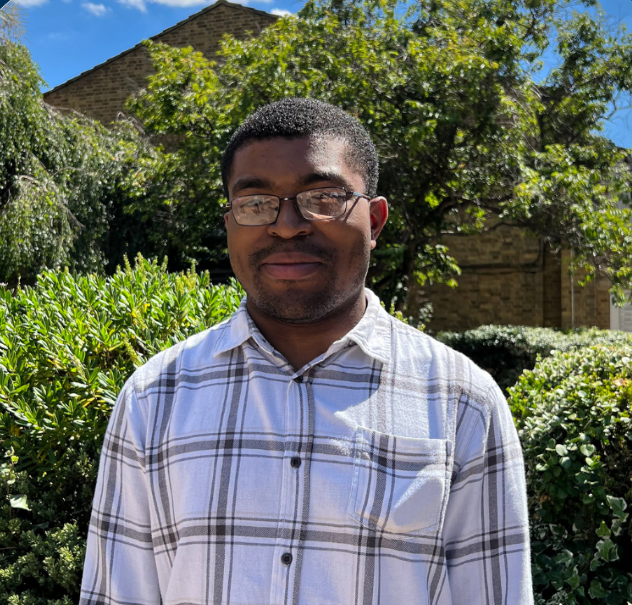
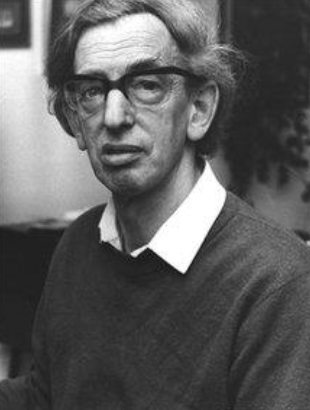
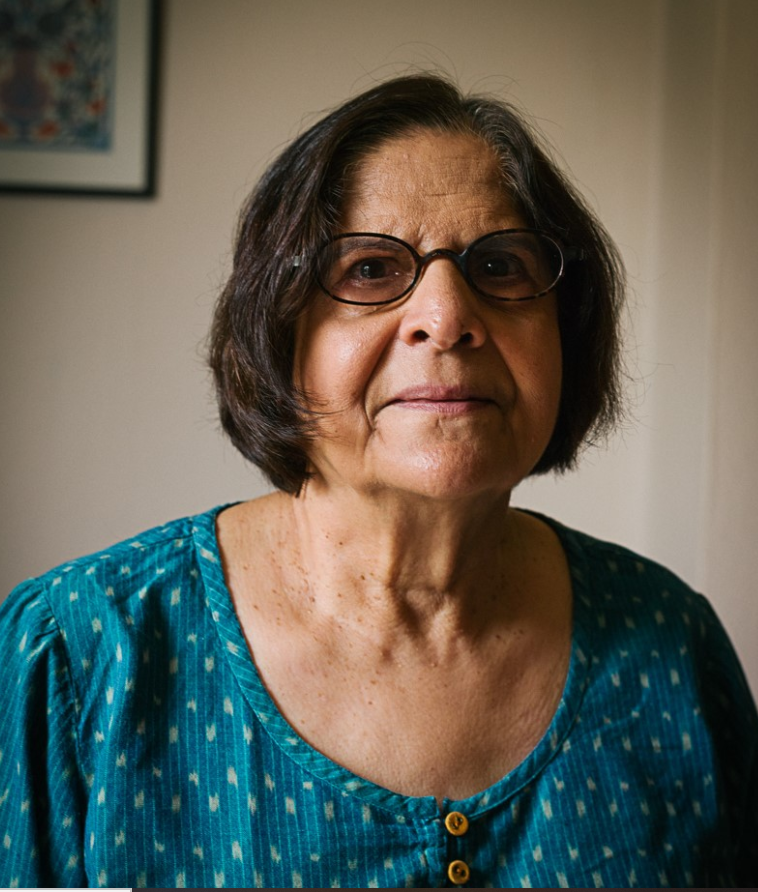
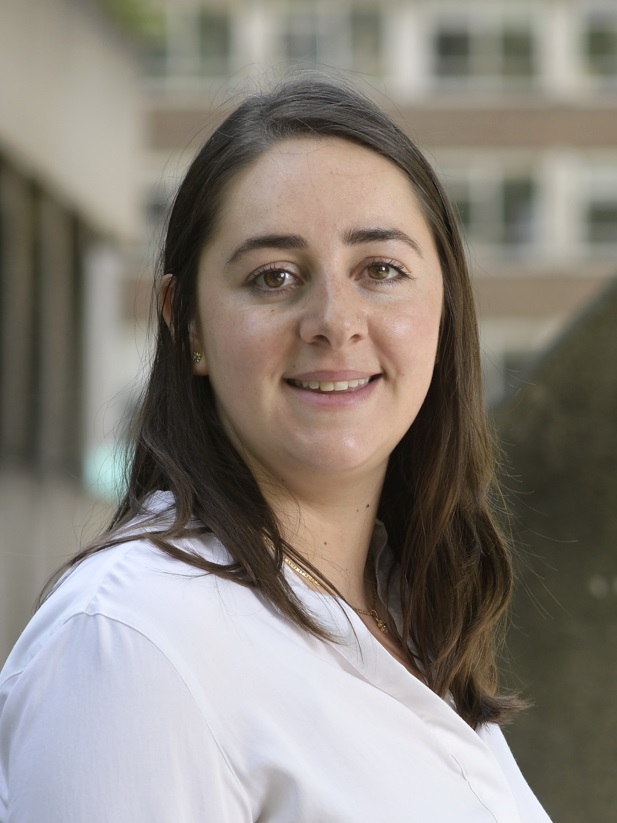
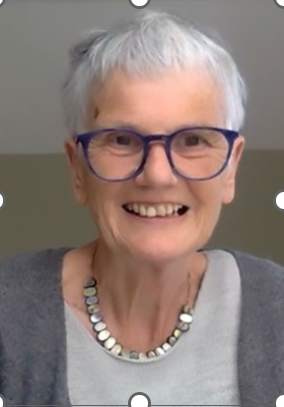
Elaine Hawkins, programme director of Higher Education Introductory Studies

To commemorate the College’s bicentenary in 2023, we’re showcasing 200 ‘Birkbeck Effects’ which capture the incredible stories of our vibrant and diverse community, highlighting their achievements and impact on the world. 

Elaine Hawkins

Elaine Hawkins was Programme Director of Birkbeck’s Certificate in Higher Education Introductory Studies from 2003-2012, which helps to get people back into studying who might lack the required entry qualifications or who need a course to help them prepare for degree-level study.

In addition to pathways in the arts, humanities and social sciences, Elaine developed new modules in nursing and business and established agreements with degree programmes across Birkbeck to enable students to progress within the College to continue with evening study.

Thanks to her drive and enthusiasm, the programme grew from around 30 students in 2003 to over 450, running in eight different centres across London. Some classes were delivered in Sure Start centres which tapped into the aspirations of women in hard-to-reach communities and this initiative won the Times Higher Education award for Widening Participation in 2008.

Edith ‘Biddy’ Lanchester, “new woman” and socialist

To commemorate the College’s bicentenary in 2023, we’re showcasing 200 ‘Birkbeck Effects’ which capture the incredible stories of our vibrant and diverse community, highlighting their achievements and impact on the world. 

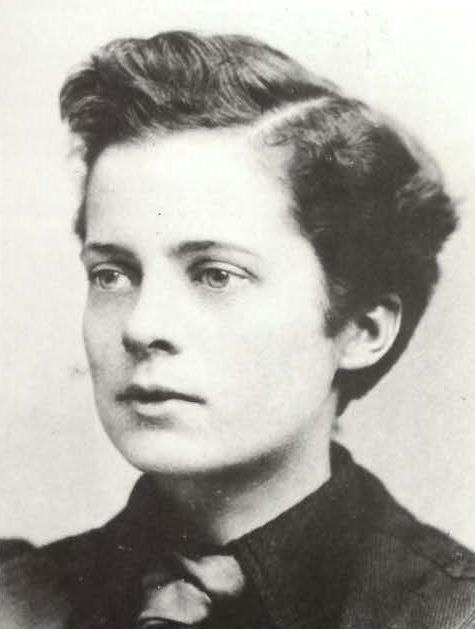
Edith Lanchester

Edith Lanchester was a socialist campaigner and a strong feminist voice in women’s history, born into a wealthy middle-class family, but insistent on challenging many of the oppressive elements of her time.

She was educated at home and at the then Birkbeck Institute in science subjects, with her family intending for her to become a teacher. However, at 24 she fell in love with a working-class clerk, James Sullivan, announcing that she would move in with him.

Her parents accused “The Birkbeck” as well as membership of the Socialist Democratic Federation for having “unhinged her mind”; and when she argued that marriage would take away her independence, her father and brothers had her committed to the Priory insane asylum.

Her local MP, John Burns, secured her release after four days and the whole affair became a scandal, sparking debates about the state of marriage in society. Her false detention reinforced her views and Lanchester remained a prominent warrior for women’s rights and freedoms: she waved the suffragette’s green, white, and purple flag in Trafalgar Square and was even imprisoned for her role in a protest.

Abi Daré, Novelist

To commemorate the College’s bicentenary in 2023, we’re showcasing 200 ‘Birkbeck Effects’ which capture the incredible stories of our vibrant and diverse community, highlighting their achievements and impact on the world. 

Abi Daré

Abi is a Nigerian-born award-winning novelist who received critical acclaim for her first novel, The Girl With the Louding Voice. The book won the Bath Novel Award for unpublished manuscripts back in 2018 and went on to become a New York Times bestseller.

She graduated with a Master’s in Creative Writing from Birkbeck, of which she has said: “I needed to sit with people like myself, like minds who had an interest in writing. I wanted to do something serious with it. So that’s where I started my publishing journey from. The book was part of my thesis.” She has also credited her supervisor, Julia Bell with encouraging her to enter writing competitions.

In 2021, Abi was one of the twenty-four essay contributors for You Are Not Going Back: An essay from the collection, Of This Our Country, which offers an honest depiction, told by Nigerians themselves, of the culture and traditions of their Nigerian identity. She now works in project management for an academic publisher.

Durdana Ansari OBE – first Muslim woman captain of the British Royal Navy

To commemorate the College’s bicentenary in 2023, we’re showcasing 200 ‘Birkbeck Effects’ which capture the incredible stories of our vibrant and diverse community, highlighting their achievements and impact on the world. 

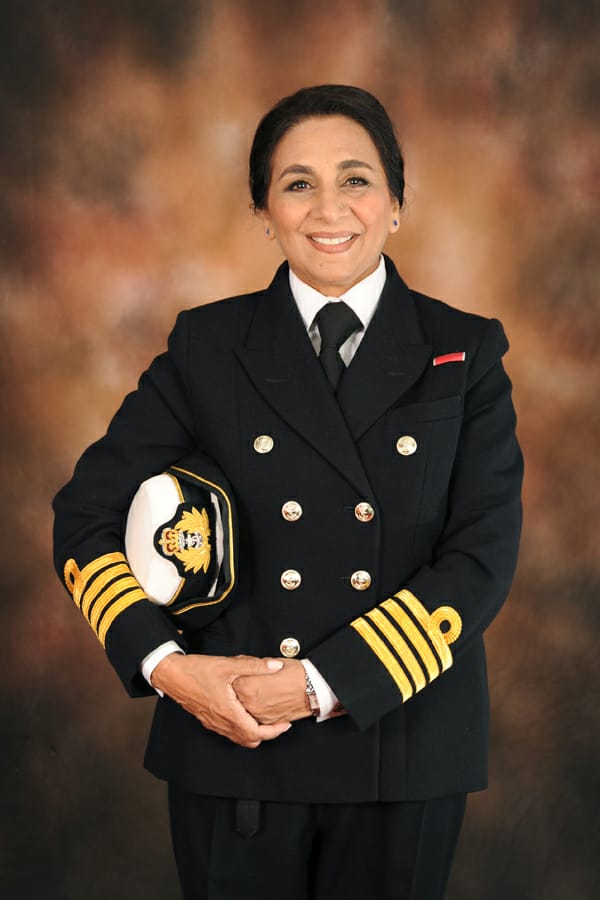
Durdana Ansari

Durdana is an entrepreneur and activist and the first Muslim woman appointed as Honorary Captain of the British Royal Navy. She is a former charity director and journalist at the BBC World Service and received her degree in media and journalism from Birkbeck.

Durdana established The Pearl Foundation to teach English, reading, writing and computer skills to British-Muslim women, as well as integrate these women into wider society by building self-confidence and enhancing their quality of life. Her work with ‘The Pearl Education Foundation’ and the ‘Ethnic Minorities Foundation’ led to the recruitment of approximately 9000 students and 700 volunteers.

She was awarded ‘Order of the British Empire’ (OBE) in 2012 and is currently working on her autobiography to share her experiences and inspire the next generation: “I want the world to know how a woman from a developing country managed to follow her passions and achieve her goals.”

Rosalind Franklin – chemist and X-ray crystallographer

To commemorate the College’s bicentenary in 2023, we’re showcasing 200 ‘Birkbeck Effects’ which capture the incredible stories of our vibrant and diverse community, highlighting their achievements and impact on the world. 


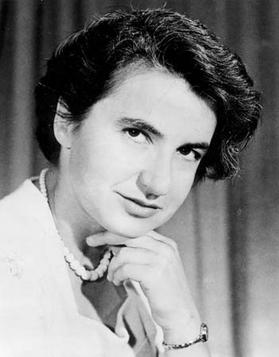
Rosalind Franklin

Rosalind Franklin was a chemist and expert in crystallography who first photographed DNA to reveal its double-helix shape uncovering the mystery behind how life is passed down from generation to generation. Her commitment to the highest standards of scientific research is said to have brought “lasting benefit to mankind.”

Before that, her research specialty was coal and she was at the forefront of techniques in X-ray crystallography, which had only been used to investigate a limited range of matter by the early 1950s.

While James Watson and Francis Crick famously got the credit for ‘discovering’ the structure of DNA, it is generally accepted that Franklin’s research was more advanced. They admitted, after her death, that Franklin’s data had been crucial in proving their hypothesis.

Franklin was one of the few female chemists in the world at this time, moving from King’s College London to Birkbeck in 1953. She commented that the atmosphere at Birkbeck was friendlier, but the lab conditions were less favourable.

Emma “Ma” Francis – canteen worker throughout World War II

To commemorate the College’s bicentenary in 2023, we’re showcasing 200 ‘Birkbeck Effects’ which capture the incredible stories of our vibrant and diverse community, highlighting their achievements and impact on the world. 

Emma 'Ma' Francis with her husband

“Ma” Francis was one of Birkbeck’s unsung heroes, an essential worker during the second world war who made a considerable contribution to sustaining university life.

She joined Birkbeck’s Fetter Lane premises in 1896 as a canteen worker, and left fifty years later, aged eighty. When bombs dropped in the vicinity, she was “unruffled,” calmly handing out mugs of coffee and “sardines on toast, with fried tomatoes twopence extra.”

On 11 May 1941, incendiary bombs started falling on the College. Ma Francis made her way to the College’s kitchen. A “policeman in Fetter Lane tried to stop me,” she later recalled, who told her “Can’t go down there, Ma!” She abruptly retorted, “Impudence. Young man … I’ve got my work to do – you can’t stop me.” And work she did. Although the building next to Birkbeck was a “raging inferno,” Ma Francis made coffee for everyone on a Primus stove and then served 150 people for lunch. She was heard muttering, “Lucky I cooked the joints yesterday!”

Lena May Chivers (Baroness Jeger) – president of Birkbeck Students’ Union and Labour peer

To commemorate the College’s bicentenary in 2023, we’re showcasing 200 ‘Birkbeck Effects’ which capture the incredible stories of our vibrant and diverse community, highlighting their achievements and impact on the world. 

Baroness Lena Chivers

Lena May Chivers, (later known as the Labour peer, Baroness Jeger) was a journalist and politician, well known for her role in the right to equal pay and other advocacy work.

Lena was a fervent socialist, feminist, and supporter of the Greek Cypriot community in the UK after Harold Macmillan’s government refused Cyprus’ right to self-determination. She was also a strong supporter of the NHS and a champion for women’s rights. From 1979 to 1980, she was chairperson of the Labour party and was the first peer to take the chair at the Labour party conference, at Blackpool, in 1980.

Lena completed a degree in English and French at Birkbeck and served as President of the Students’ Union.

75 years of the world’s first stored program computer

Dr Roger Johnson, Fellow of Birkbeck College and Emeritus Reader in Computer Science, reflects on the world’s first stored program computer as created and demonstrated by Professor Andrew Booth and Kathleen Booth (née Britten) 75 years ago.

Kathleen Booth, Miss Xenia Sweeting and Andrew Booth in the lab during the construction of the ARC.

At the heart of the modern computer is a memory that holds both the program to be run and the data to be processed. The first successful demonstration of the modern computer was by two members of staff from Birkbeck College: Andrew and Kathleen Booth.

Starting in the late summer of 1947, they designed and then built a computer which they called ARC (Automatic Relay Computer). The first public demonstration of the computer was on May 12th 1948 – exactly 75 years ago.

Kathleen Booth and Xenia Sweeting working on ARC.

Kathleen and Andrew Booth shared the task of building the computer helped by one research assistant, Xenia Sweeting.

In accounts of her work, Kathleen Booth, who wrote the first program, recounted: “We demonstrated the generation and printing of a table of the squares of the natural numbers 0-255 in the scale of 10”.

Kathleen Booth at the keyboard preparing a program for ARC

Technically, the computer’s memory was a brass drum with an oxide coating which could store in total 256 words each of 21 bits revolving at 3000 revolutions per minute. By modern standards, this is absolutely tiny, but was significant for the time. The computer was also very slow by today’s standards because the logic of the computer was built using relays.

Andrew Booth working on the selenium diode function table of ARC

However, from this first basic computer have developed the massively powerful modern computers which can run programs of a complexity which few even dreamt of in those early days.

Further Information:

Linking higher education skills to everyday life through the ‘Fake or Real News?’ workshop 

Anna Hetherton, Access Officer for the Adult and Community strand of Birkbeck’s Access and Engagement department, shares details of the ‘Fake or Real News?’ Digital Information Skills Workshop that Access and Engagement have developed 

As the Adult & Community team in the Access and Engagement department of Birkbeck, it is our role to foster relationships with community partners and adult learning groups to provide relevant and fulfilling learning opportunities to those in the boroughs of Camden and Newham. By collaborating closely with these partners, we are able to combine key priorities of residents to create a useful and novel outreach project. 

A common theme identified across the adult learning sector was the number of adults who had been digitally upskilled, out of necessity, over the lockdown period. Many people were using smart phones and the internet for longer periods of time and in a different way than they had expected. Although many organisations had successfully stepped up to support people by providing technology and tutorials, there was still a gap in learning how to navigate information once people gained access to the online world.  

As the public moved life online, so did scammers, news outlets, retailers and businesses. With the arrival of the COVID-19 vaccine there was an influx of information sharing, news, and of course – fake news. Partners identified that low vaccine uptake was a key priority within both target boroughs and was directly impacted by fake news.  

In response, the ‘Fake or Real News’ workshops were created. These workshops are light touch, drop-in sessions that address these themes, relate higher education to everyday life and give people tangible tools to help them navigate information online.  

A screenshot of a virtual meeting showing a slide asking the question 'Where do we get information from'

Participants discuss where we receive information in an online session.

 The importance of conversation
As with all our work, we take a holistic, strengths-based approach. The session does not aim to “give” participants a skill they are lacking, but to bring focus to a skill they use every day and give that skill recognition and a space to put it into practice.  

Using real life case studies and videos, participants practice the tangible steps to analysing a piece of information outlined the workshop. This always brings about thought provoking and fruitful discussions. Since September, we have run this workshop over ten times for different audiences, and no two discussions have been the same. Participants bring stories from their own lives to the table – perhaps a scam they came across or two conflicting articles on their newsfeed. This process sees participants complicate the world of online information, cultivating nuance. Personal anecdotes are valued and woven into the discussion as evidence and a key part of the workshop, showing attendees they are already critical thinkers. Even shy participants become involved with interactive elements like a quiz involving an online dating orangutan. As the workshop evolves, we have found new ways to spark conversation and debate in these sessions. 

A table on which lots of paper is spread. People sit around the table.

Is this misinformation or disinformation? Participants explore the different types of fake news.

One activity uses real life case studies of fake news and challenges the participants to think about the intention and impact of the pieces. Did they mean to cause harm? Were they trying to sell us something? The debate and the conflicting opinions urge participants to inadvertently think critically, challenge their own perceptions and put across their opinions in a logical structured way. 

Realising classroom skills
Ultimately, the goal of the Access and Engagement team is to break down the barriers people face to higher education. Through our Fake or Real News? workshops participants: 

  • Realise and practice their critical thinking skills 
  • Increase confidence in a classroom setting and group discussion 
  • Witness how lived experience belongs in classrooms, and in turn understand that learning is for everyone 
  • Consider next steps in learning and skill development 
  • (In some cases) engage with an online learning environment 
Four workshop participants smiling and holding their certificates of completion.

Participants receive their certificate of completion at the end of a workshop in Newham. 

During one workshop, a participant looked at the opening slides and stated, “I think this might be a bit beyond me”. They approached the content cautiously, but once the conversations and activities began, they realised that they could engage thoroughly, because their own experience and skillset was everything they needed. It is this shift in mindset that these workshops aim to achieve. By the end, this same participant said “brilliant… everyone should do this”. 


Why the government’s ban on single-use items hasn’t gone far enough

Dr Pam Yeow, Reader in Management at Birkbeck, responds to the news this month that the UK government is banning single-use items, such as plastic cutlery, plates and trays.  

This month, the UK government announced further moves to reduce the consumption of single-use plastic. This latest move includes the ban of plastic items relating to takeaway food and drink such as single-use items like plastic cutlery, plates and trays.  

On the one hand, every effort counts, and therefore the potential for removal of 1.1bn single-use plates and 4.25bn pieces of cutlery is significant; however I’d suggest that this does not go far enough.  

Greater awareness and improved technology in this area has led to the creation and eventual establishment of sound alternatives to single-use cutlery and plates. For example, compostable paper cutlery and plates, bamboo and wood cutlery, and the encouragement of ‘bring your own’ (coffee cups and metal straws). These innovations have led to the normalizing of alternative options to single-use items. This can only be a positive move forwards.  

However, as with many of these decisions post-consultation on such proposals, this move to ban single-use cutlery and trays is not as comprehensive as it ought to be. The ban will not include plastic cutlery and plates from supermarkets and shops, just like the loophole in 2014 when the UK government first proposed the 5p charge on single-use plastic bags in England but imposed it on larger stores and supermarkets and not local takeaways and standalone shops, and eventually moved to the current guidance of “all retailers of all sizes must charge for single-use carrier bags”.  

Beyond efforts to change individual behaviours in recycling, reducing and reusing, current infrastructures are set up ways that are non-user friendly, meaning individuals in households are not able to embark on recycling, reducing or reusing single-use plastics as there is much inconsistency.  A recent study completed with Haringey Council highlights the tensions that exist between the council’s implementation of waste management and the experiences of residents.  

The climate emergency is accelerating and awareness amongst the general public is finally here. Many governments and industries are working towards goals like net zero and cleaner consumptions. However, there must be a coherent and consistent strategy that brings together individual behaviour change with structural and infrastructure reform.   

Further information