Emma “Ma” Francis – canteen worker throughout World War II

To commemorate the College’s bicentenary in 2023, we’re showcasing 200 ‘Birkbeck Effects’ which capture the incredible stories of our vibrant and diverse community, highlighting their achievements and impact on the world. 

Emma 'Ma' Francis with her husband

“Ma” Francis was one of Birkbeck’s unsung heroes, an essential worker during the second world war who made a considerable contribution to sustaining university life.

She joined Birkbeck’s Fetter Lane premises in 1896 as a canteen worker, and left fifty years later, aged eighty. When bombs dropped in the vicinity, she was “unruffled,” calmly handing out mugs of coffee and “sardines on toast, with fried tomatoes twopence extra.”

On 11 May 1941, incendiary bombs started falling on the College. Ma Francis made her way to the College’s kitchen. A “policeman in Fetter Lane tried to stop me,” she later recalled, who told her “Can’t go down there, Ma!” She abruptly retorted, “Impudence. Young man … I’ve got my work to do – you can’t stop me.” And work she did. Although the building next to Birkbeck was a “raging inferno,” Ma Francis made coffee for everyone on a Primus stove and then served 150 people for lunch. She was heard muttering, “Lucky I cooked the joints yesterday!”

Lena May Chivers (Baroness Jeger) – president of Birkbeck Students’ Union and Labour peer

To commemorate the College’s bicentenary in 2023, we’re showcasing 200 ‘Birkbeck Effects’ which capture the incredible stories of our vibrant and diverse community, highlighting their achievements and impact on the world. 

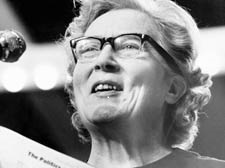
Baroness Lena Chivers

Lena May Chivers, (later known as the Labour peer, Baroness Jeger) was a journalist and politician, well known for her role in the right to equal pay and other advocacy work.

Lena was a fervent socialist, feminist, and supporter of the Greek Cypriot community in the UK after Harold Macmillan’s government refused Cyprus’ right to self-determination. She was also a strong supporter of the NHS and a champion for women’s rights. From 1979 to 1980, she was chairperson of the Labour party and was the first peer to take the chair at the Labour party conference, at Blackpool, in 1980.

Lena completed a degree in English and French at Birkbeck and served as President of the Students’ Union.

75 years of the world’s first stored program computer

Dr Roger Johnson, Fellow of Birkbeck College and Emeritus Reader in Computer Science, reflects on the world’s first stored program computer as created and demonstrated by Professor Andrew Booth and Kathleen Booth (née Britten) 75 years ago.

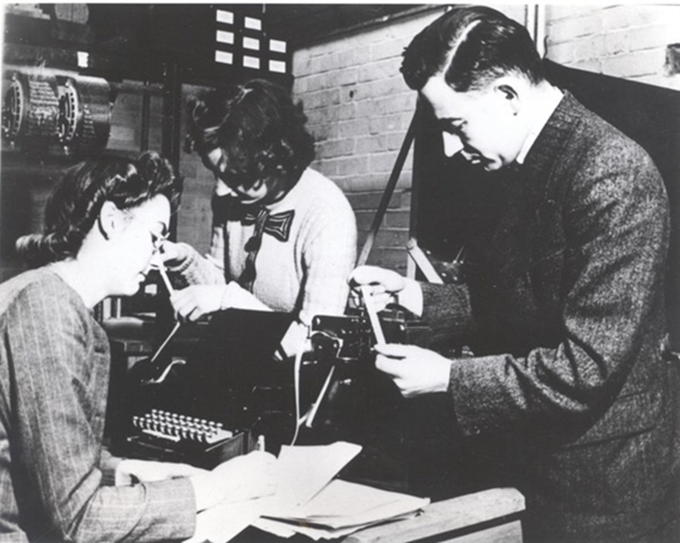
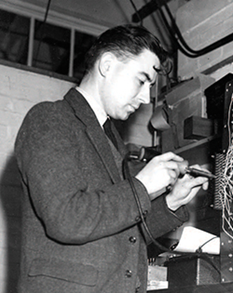
Kathleen Booth, Miss Xenia Sweeting and Andrew Booth in the lab during the construction of the ARC.

At the heart of the modern computer is a memory that holds both the program to be run and the data to be processed. The first successful demonstration of the modern computer was by two members of staff from Birkbeck College: Andrew and Kathleen Booth.

Starting in the late summer of 1947, they designed and then built a computer which they called ARC (Automatic Relay Computer). The first public demonstration of the computer was on May 12th 1948 – exactly 75 years ago.

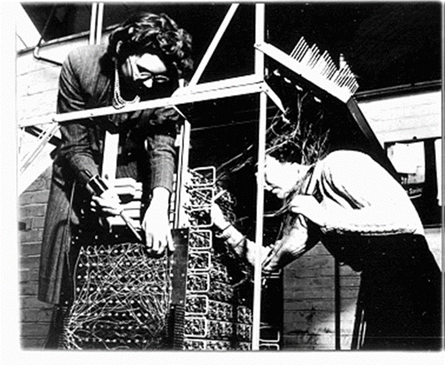
Kathleen Booth and Xenia Sweeting working on ARC.

Kathleen and Andrew Booth shared the task of building the computer helped by one research assistant, Xenia Sweeting.

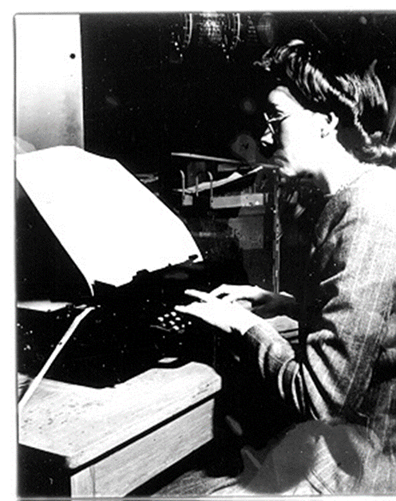
In accounts of her work, Kathleen Booth, who wrote the first program, recounted: “We demonstrated the generation and printing of a table of the squares of the natural numbers 0-255 in the scale of 10”.

Kathleen Booth at the keyboard preparing a program for ARC

Technically, the computer’s memory was a brass drum with an oxide coating which could store in total 256 words each of 21 bits revolving at 3000 revolutions per minute. By modern standards, this is absolutely tiny, but was significant for the time. The computer was also very slow by today’s standards because the logic of the computer was built using relays.

Andrew Booth working on the selenium diode function table of ARC

However, from this first basic computer have developed the massively powerful modern computers which can run programs of a complexity which few even dreamt of in those early days.

Further Information:

Linking higher education skills to everyday life through the ‘Fake or Real News?’ workshop 

Anna Hetherton, Access Officer for the Adult and Community strand of Birkbeck’s Access and Engagement department, shares details of the ‘Fake or Real News?’ Digital Information Skills Workshop that Access and Engagement have developed 

As the Adult & Community team in the Access and Engagement department of Birkbeck, it is our role to foster relationships with community partners and adult learning groups to provide relevant and fulfilling learning opportunities to those in the boroughs of Camden and Newham. By collaborating closely with these partners, we are able to combine key priorities of residents to create a useful and novel outreach project. 

A common theme identified across the adult learning sector was the number of adults who had been digitally upskilled, out of necessity, over the lockdown period. Many people were using smart phones and the internet for longer periods of time and in a different way than they had expected. Although many organisations had successfully stepped up to support people by providing technology and tutorials, there was still a gap in learning how to navigate information once people gained access to the online world.  

As the public moved life online, so did scammers, news outlets, retailers and businesses. With the arrival of the COVID-19 vaccine there was an influx of information sharing, news, and of course – fake news. Partners identified that low vaccine uptake was a key priority within both target boroughs and was directly impacted by fake news.  

In response, the ‘Fake or Real News’ workshops were created. These workshops are light touch, drop-in sessions that address these themes, relate higher education to everyday life and give people tangible tools to help them navigate information online.  
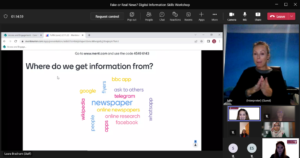
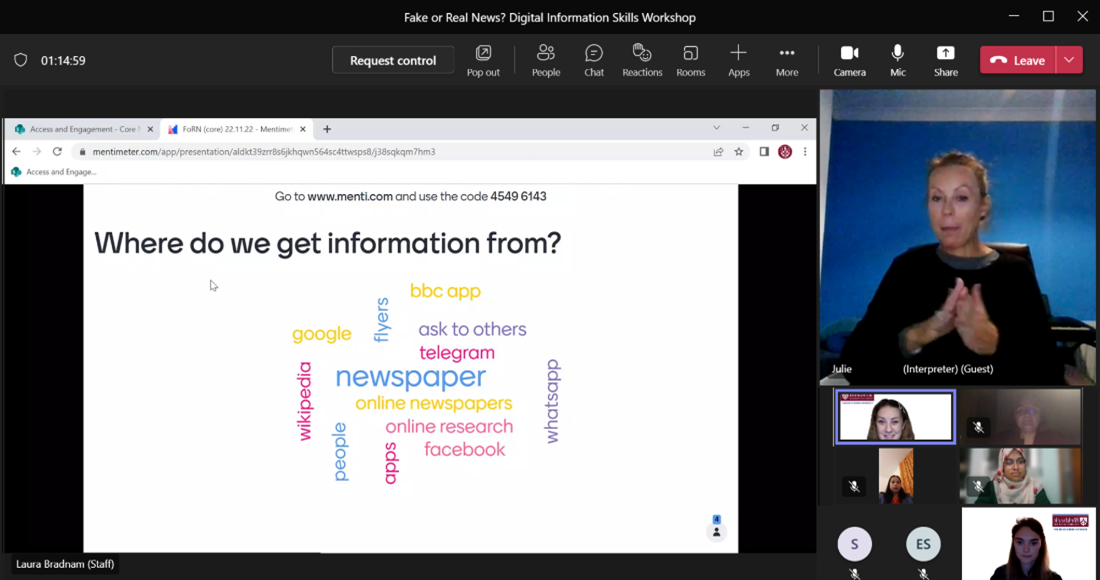
A screenshot of a virtual meeting showing a slide asking the question 'Where do we get information from'

Participants discuss where we receive information in an online session.

 The importance of conversation
As with all our work, we take a holistic, strengths-based approach. The session does not aim to “give” participants a skill they are lacking, but to bring focus to a skill they use every day and give that skill recognition and a space to put it into practice.  

Using real life case studies and videos, participants practice the tangible steps to analysing a piece of information outlined the workshop. This always brings about thought provoking and fruitful discussions. Since September, we have run this workshop over ten times for different audiences, and no two discussions have been the same. Participants bring stories from their own lives to the table – perhaps a scam they came across or two conflicting articles on their newsfeed. This process sees participants complicate the world of online information, cultivating nuance. Personal anecdotes are valued and woven into the discussion as evidence and a key part of the workshop, showing attendees they are already critical thinkers. Even shy participants become involved with interactive elements like a quiz involving an online dating orangutan. As the workshop evolves, we have found new ways to spark conversation and debate in these sessions. 
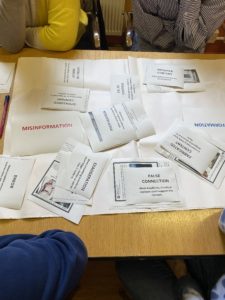
A table on which lots of paper is spread. People sit around the table.

Is this misinformation or disinformation? Participants explore the different types of fake news.

One activity uses real life case studies of fake news and challenges the participants to think about the intention and impact of the pieces. Did they mean to cause harm? Were they trying to sell us something? The debate and the conflicting opinions urge participants to inadvertently think critically, challenge their own perceptions and put across their opinions in a logical structured way. 

Realising classroom skills
Ultimately, the goal of the Access and Engagement team is to break down the barriers people face to higher education. Through our Fake or Real News? workshops participants: 

  • Realise and practice their critical thinking skills 
  • Increase confidence in a classroom setting and group discussion 
  • Witness how lived experience belongs in classrooms, and in turn understand that learning is for everyone 
  • Consider next steps in learning and skill development 
  • (In some cases) engage with an online learning environment 
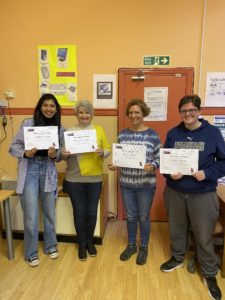
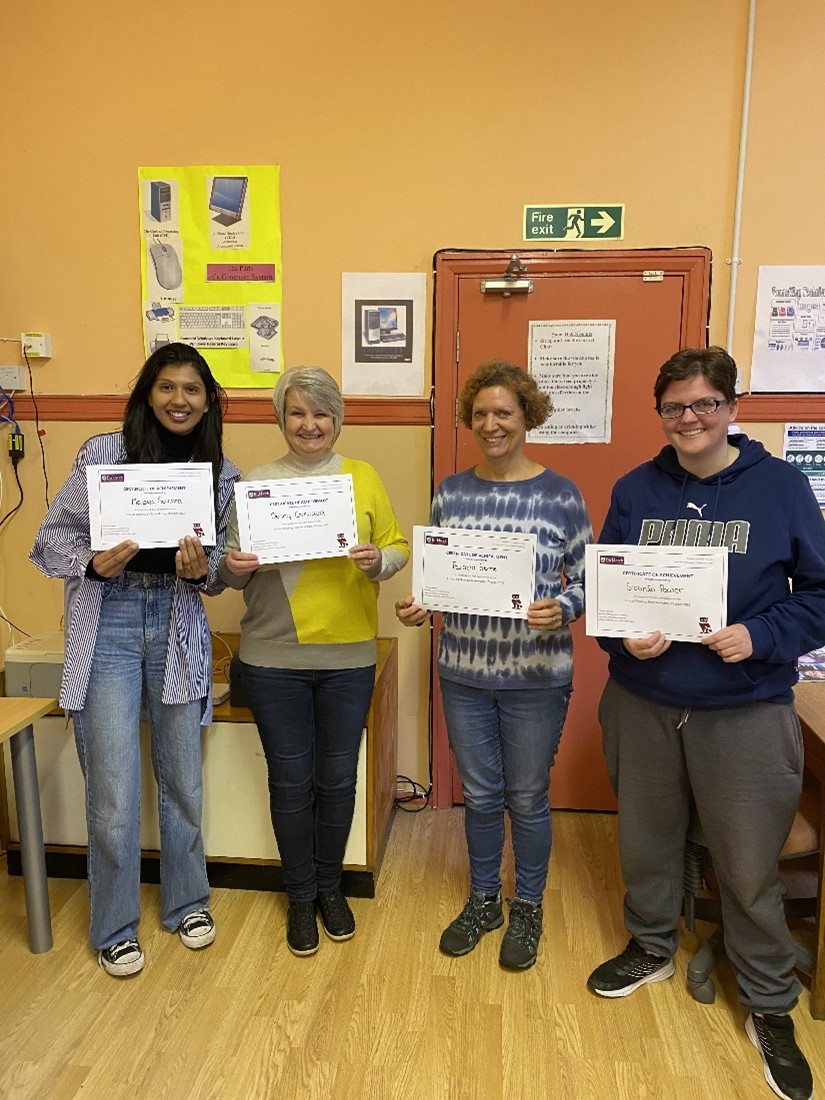
Four workshop participants smiling and holding their certificates of completion.

Participants receive their certificate of completion at the end of a workshop in Newham. 

During one workshop, a participant looked at the opening slides and stated, “I think this might be a bit beyond me”. They approached the content cautiously, but once the conversations and activities began, they realised that they could engage thoroughly, because their own experience and skillset was everything they needed. It is this shift in mindset that these workshops aim to achieve. By the end, this same participant said “brilliant… everyone should do this”. 


Why the government’s ban on single-use items hasn’t gone far enough

Dr Pam Yeow, Reader in Management at Birkbeck, responds to the news this month that the UK government is banning single-use items, such as plastic cutlery, plates and trays.  

This month, the UK government announced further moves to reduce the consumption of single-use plastic. This latest move includes the ban of plastic items relating to takeaway food and drink such as single-use items like plastic cutlery, plates and trays.  

On the one hand, every effort counts, and therefore the potential for removal of 1.1bn single-use plates and 4.25bn pieces of cutlery is significant; however I’d suggest that this does not go far enough.  

Greater awareness and improved technology in this area has led to the creation and eventual establishment of sound alternatives to single-use cutlery and plates. For example, compostable paper cutlery and plates, bamboo and wood cutlery, and the encouragement of ‘bring your own’ (coffee cups and metal straws). These innovations have led to the normalizing of alternative options to single-use items. This can only be a positive move forwards.  

However, as with many of these decisions post-consultation on such proposals, this move to ban single-use cutlery and trays is not as comprehensive as it ought to be. The ban will not include plastic cutlery and plates from supermarkets and shops, just like the loophole in 2014 when the UK government first proposed the 5p charge on single-use plastic bags in England but imposed it on larger stores and supermarkets and not local takeaways and standalone shops, and eventually moved to the current guidance of “all retailers of all sizes must charge for single-use carrier bags”.  

Beyond efforts to change individual behaviours in recycling, reducing and reusing, current infrastructures are set up ways that are non-user friendly, meaning individuals in households are not able to embark on recycling, reducing or reusing single-use plastics as there is much inconsistency.  A recent study completed with Haringey Council highlights the tensions that exist between the council’s implementation of waste management and the experiences of residents.  

The climate emergency is accelerating and awareness amongst the general public is finally here. Many governments and industries are working towards goals like net zero and cleaner consumptions. However, there must be a coherent and consistent strategy that brings together individual behaviour change with structural and infrastructure reform.   

Further information 

“Working whilst studying has helped me financially as well as boosted my career”

Janos Bato, BSc Business student, aged 19, is working as an operations analyst whilst studying. In this blog, he delves into his experiences of working whilst studying at Birkbeck, how he found moving to London, and his ambitions for the future. 

Daytime freedom 

I wanted to find a university where I could have freedom in the day to work, and discovered Birkbeck, which was the perfect option. When I started my degree, I joined a property management company as an operations assistant, and have since been promoted twice within a year to my current role of an operations analyst. I’m developing analytical skills, problem solving, and time management skills through this role, which is setting me up well for the future. 

Funding my lifestyle 

Financially, working whilst studying has really helped me fund my lifestyle and education. I often use my earnings to buy new books and enrol on courses, for example in the last few months I’ve been learning about programming, and I’ve invested in books about how to set up start-ups. I’m heavily investing in learning about tech because it’s going to be a driving force in the future. 

Birkbeck set me up with a mentor from Goldman Sachs 

Being mentored by a senior person in such a prestigious company has taught me a lot about professionalism and how to advance my career. It was a six-month programme, but I’ve kept in touch with my mentor and have been to the Goldman Sachs office several times. It inspired me to apply to be a Birkbeck mentor and support someone else so I’m currently mentoring a first year Birkbeck student. I also signed up to be the Business course representative as I’m trying to gain as many experiences as I can. The academics are really helpful and encourage students to be interactive in classes, so I want to help this process and assist in creating a course that is shaped on the needs of students.

I found it easy to settle in London 

I moved to London in 2021 into student accommodation. I was surrounded by students from many different countries, and I found everything was on my doorstep. I always recommend studying abroad to others – it’s an amazing opportunity that provides you with new experiences and the chance to meet new people and learn about different cultures.  

London is a haven for learning about perspectives 

As London is such a metropolitan city, I’m gradually learning how other people view the world.  I was born in Hungary and went to an International School in Moscow for my A levels, so I’m used to living in different places. The more I travel, the more I learn. One of my goals is to not stay rooted in one country in the future. I always want to roam around and move from one place to another. 

My ultimate goal is to run my own business in the future 

My plan is to build a product or service that benefits society. For example, I think there’s a need for a social media platform where people can fact-check what’s true and what’s not, as well as access useful information that elevates them as professionals and individuals. But I don’t think I can really plan ahead too much as the business landscape is always changing. Once I’m in a position to start my own business, I’ll figure out what I’ll do then. 

Further information 

Lillian Penson – scholar and university administrator

To commemorate the College’s bicentenary in 2023, we’re showcasing 200 ‘Birkbeck Effects’ which capture the incredible stories of our vibrant and diverse community, highlighting their achievements and impact on the world. 

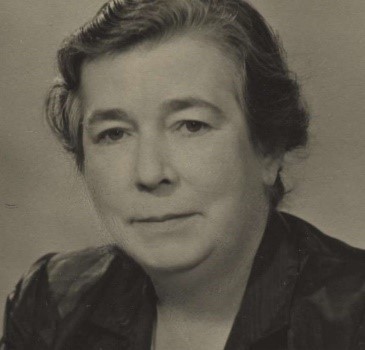
Lillian Penson

The University of London’s first PhD recipient of any gender, Lillian Penson went on to forge a stellar career in higher education that smashed gender stereotypes, being the first female professor of history and first female university vice-chancellor in the UK. She spoke eloquently on the need to offer university education for “virtually all comers” with no restriction based on religion, race or sex.

Born in Islington in 1896, Penson was a brilliant student of history at “The Birkbeck”. After a stint at the wartime Ministry of National Service and in the war trade intelligence department, Penson returned to her studies and completed her PhD. Only one-fifth of history PhD students were female at the time. She was a lecturer at Birkbeck for nine years until she left for a Chair in Modern History at Bedford College for Women.

Her leadership responsibilities in education expanded from managing the history department at Bedford College to the top position of Vice-Chancellor of the University of London, the first woman in that post. She was appointed a DBE in 1951.

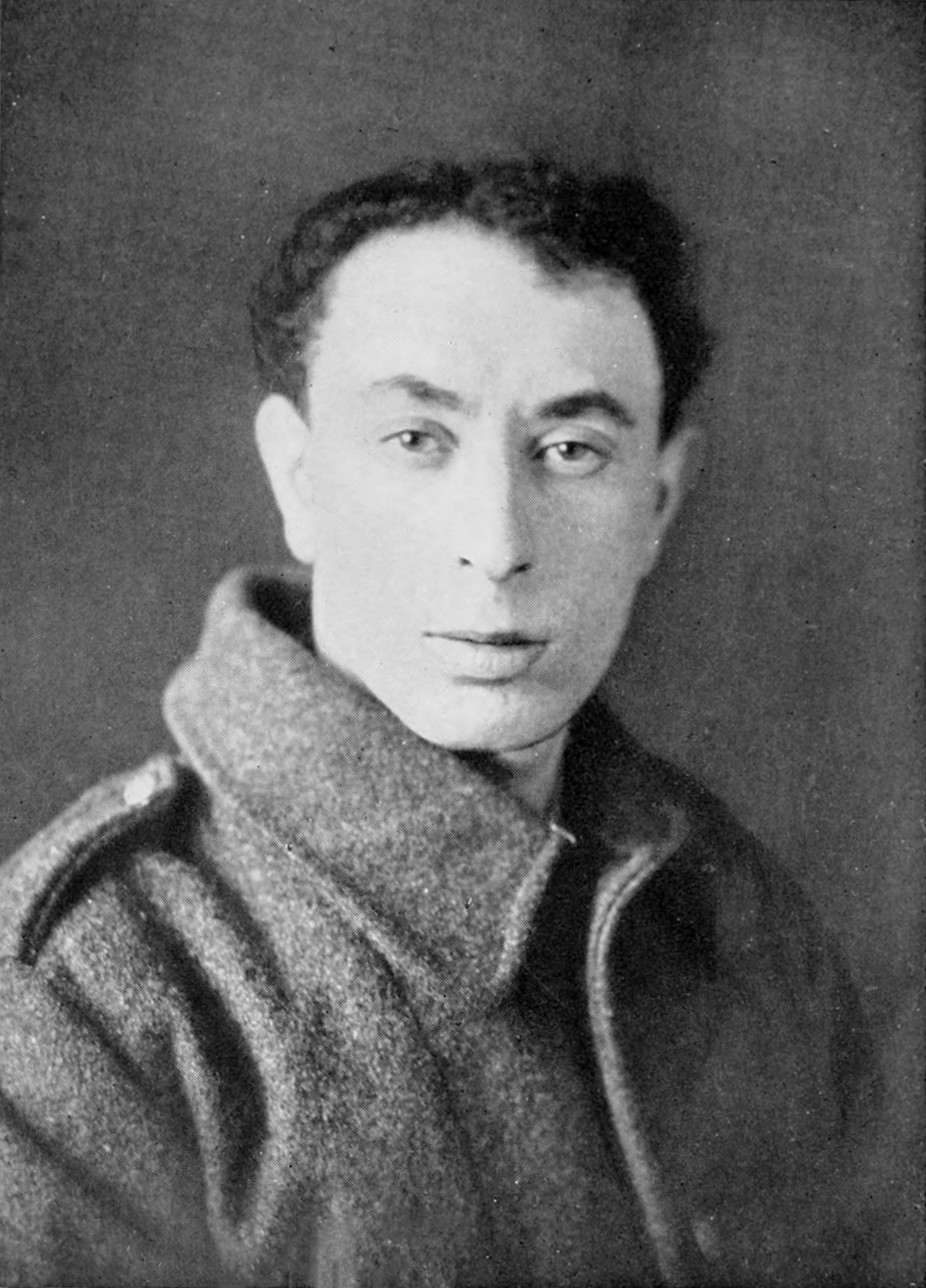
Isaac Rosenberg – artist and poet

To commemorate the College’s bicentenary in 2023, we’re showcasing 200 ‘Birkbeck Effects’ which capture the incredible stories of our vibrant and diverse community, highlighting their achievements and impact on the world. 

Isaac Rosenberg

Isaac is heralded as one of the greatest of the war poets, reflecting on the horrors of conflict through art and poetry. As an art student at Birkbeck, Isaac won the College’s Mason Prize; though his art career was brought to an abrupt ending when he was killed at the age of twenty-seven while serving in the First World War.

From the trenches on 28 March 1918, just four days before his death, he reflected that “during our little interlude of rest from the line I managed to do a bit of sketching – somebody had colours – and they werent [sic] so bad. I don’t think I have forgotten my art after all.”

Isaac left school at the age of fourteen years but went on to study at Birkbeck in the evenings. Today, he is known for his posthumously published war poems. In one, entitled Dead Man’s Dump, Rosenberg describes, “The wheels lurched over sprawling dead…their bones crunched. They lie there huddled, friend and foemen…Man born of man and born of woman, And shells go crying over them, From night till night and now.”

In the foreword to these poems, fellow English war poet and soldier, Siegfried Sassoon noted how Rosenberg’s poems encapsulated the “hateful and repellent, unforgettable and inescapable” realities of life in the frontlines.

George Birkbeck – physician, philanthropist, founder of the London Mechanics Institute

To commemorate the College’s bicentenary in 2023, we’re showcasing 200 ‘Birkbeck Effects’ which capture the incredible stories of our vibrant and diverse community, highlighting their achievements and impact on the world. 

Born into a Quaker family in North Yorkshire, George trained as a doctor at Edinburgh and founded the London Mechanics Institute in 1823, when thousands gathered on the Strand to hear his ground-breaking speech on “the universal blessings of knowledge.”

His interest in the education of working men started when he wanted a particular machine to be made for his classes in natural philosophy and chemistry which he taught at the Anderson Institution, Glasgow in 1799. At the institution, he started a course of lectures on science, to which artisans were admitted for a low fee.

A pioneer in adult education, George had been struck by the ignorance of the basics of engineering and by the hunger for knowledge from workmen at a workshop visit and promptly opened his classes to mechanics, offering classes on Saturday evenings.

The success of the London institution led to the establishment of similar vocational training schools all over Britain, some of which developed into technical colleges.

Helen Gwynne-Vaughan – dame and botanist 

To commemorate the College’s bicentenary in 2023, we’re showcasing 200 ‘Birkbeck Effects’ which capture the incredible stories of our vibrant and diverse community, highlighting their achievements and impact on the world. 

Helen Gwynne-Vaughan

Helen was Birkbeck’s first female professor and a prominent English botanist. In 1909 she became Head of the Botany Department at Birkbeck and gained her professorship in 1921.

She became the first woman to wear the insignia of a Military Commander of the Order of the British Empire in 1918 and was transferred to become Commandant of the Women’s Royal Air Force (WRAF) later that year. In 1919, Helen was made a Dame Commander of the Order of the British Empire.

Helen’s professionalism helped to change male attitudes towards women in the armed forces and she would go on to play a pivotal role in forming the Emergency Services, an organisation established to train female officers. Helen was appointed Director of the Auxiliary Territorial Service (ATS), the women’s branch of the British Army in 1938 and held the position until her retirement from military service in 1941.

She is commemorated with an English Heritage blue plaque at Flat 93, Bedford Court Mansions in Bloomsbury – her London home for almost 50 years.