Leon Wright and Tyson Holmes-Lewis – co-founders of Mentivity 

To commemorate the College’s bicentenary in 2023, we’re showcasing 200 ‘Birkbeck Effects’ which capture the incredible stories of our vibrant and diverse community, highlighting their achievements and impact on the world. 

Leon Wright and Tyson Holmes-Lewis

Leon and Tyson, who both graduated in 2020, co-founded inspirational mentoring and alternative education organisation, Mentivity, in 2016 alongside Tyson’s brother Sayce. Mentivity provides one-to-one and group mentoring for young people to encourage those who might not otherwise consider applying to university gain the knowledge and confidence to do so.

The idea for Mentivity came from their personal experiences of education and youth clubs and, in particular, one mentor who was instrumental in raising their aspirations. Leon was the first in his family to graduate from university, gaining a BSc in Social Sciences, and also had a mentor at Birkbeck who helped him juggle his studies alongside his family and other commitments.

Tyson, who graduated with a BA in Psychology for Education, is one of seven siblings, whose mum kept photos of all her children’s graduations in the living room. Their efforts were recognised when Mentivity was awarded National Mentoring Organisation of the Year in 2019.

Sanjib Bhakta – professor of molecular microbiology and biochemistry

To commemorate the College’s bicentenary in 2023, we’re showcasing 200 ‘Birkbeck Effects’ which capture the incredible stories of our vibrant and diverse community, highlighting their achievements and impact on the world. 

Professor Sanjib Bhakta

Professor Sanjib Bhakta’s world-leading research into tuberculosis, which kills around 1.4 million people a year across the world, is revolutionising the treatment of multi-drug resistant tuberculosis (TB). Sanjib’s passion for research arose from his childhood in India, where he saw the effects of debilitating bacterial diseases such as tuberculosis and leprosy.

He has published numerous articles on tackling infectious bacterial diseases and received numerous awards for his work, including the Microbiology Society Outreach Prize. As Assistant Dean (Strategic) Internationalisation and Partnership, Sanjib has also made a huge contribution to Birkbeck’s international student community.

Jo Yarker and Rachel Lewis – occupational psychologists and co-founders of Affinity Health at Work 

To commemorate the College’s bicentenary in 2023, we’re showcasing 200 ‘Birkbeck Effects’ which capture the incredible stories of our vibrant and diverse community, highlighting their achievements and impact on the world. 

Jo Yarker and Rachel Lewis

Occupational psychologists and Birkbeck job-sharers, Dr Jo Yarker and Dr Rachel Lewis lead ground-breaking research into the most effective ways in which to support people to maintain their health and wellbeing and to thrive at work, and particularly those in difficult, stressful or challenging roles or situations.

Their research and work helps organisations and individuals work together so that employees lead productive, healthy working lives. Together they chair the Work, Health and Wellbeing Research Consortium, a collaboration between researchers and employer organisations, national institutions and interested individuals who support research in workplace health and wellbeing.

At Birkbeck, Jo and Rachel have developed the innovative Professional Doctorate in Occupational Psychology and MRes in Professional Practice in Occupational Psychology to engage practitioners in evidence-based practice and supervise practice-led research across the field, as well as helping to provide support to staff who worked through the Covid-19 pandemic.

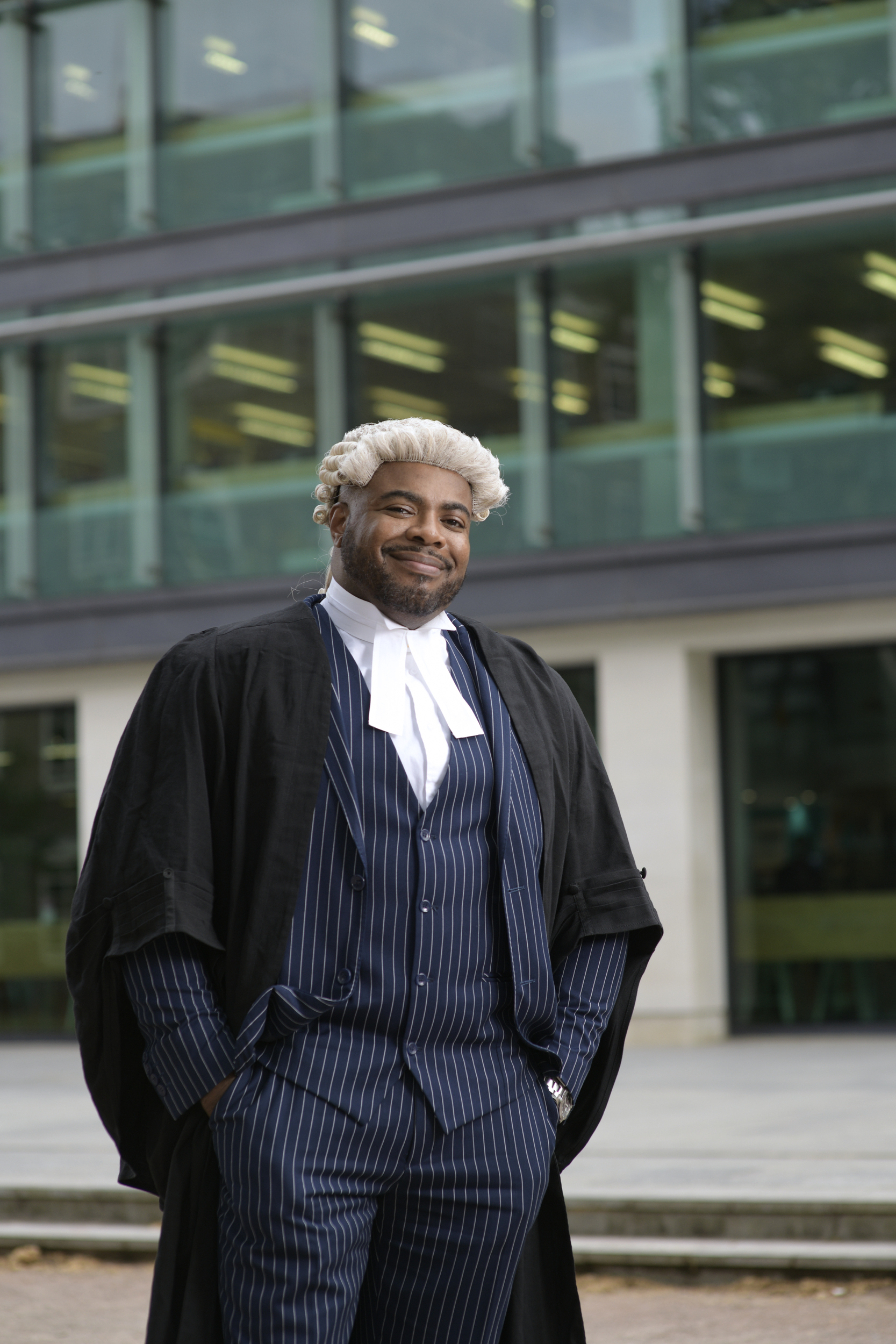
Mark Robinson, criminal barrister

To commemorate the College’s bicentenary, we’re sharing incredible stories from our vibrant and diverse community, highlighting their achievements and impact on the world. Capturing inspirational people, transformational stories and excellent research, 200 Birkbeck Effects have been contributed by our Birkbeck community and selected to feature on our website, across social media and on campus.

Mark Robinson


Mark’s work, life story, and support for youth justice charities and gang prevention programmes, help to inspire those facing the same challenges he once did and prove that a career in law is accessible to people from all walks of life.

After being raised in care in East London and getting in trouble with the police during his childhood, Mark left school with no GCSEs or A-Levels before embarking on a successful 20-year career as a dance DJ and music producer, which included presenting a show on BBC Radio1 Xtra.

Mark left the music industry in 2012 wanting more from life, before being falsely accused of assault. Forced to represent himself in court when his barrister couldn’t do so because the previous case he was working on overran, Mark’s experience sparked his interest in law and drew him to Birkbeck. He was called to the Bar just 18 months after graduating.

Birkbeck’s First Christmas

Jerry White, Emeritus Professor in Modern London History, takes us on a trip down Christmas memory lane, reflecting on the College’s inception nearly two hundred years ago and considering how Christmas in 1823 might have looked.

Crown and Anchor Tavern

There probably wasn’t much talk of Christmas when the London Mechanics’ Institution was founded at a famous meeting at the Crown and Anchor Tavern, Strand, on 2 December 1823. Unlike today, when Christmas shopping and advertising begins around mid-November if not before, Christmas preparations then only began in mid-December: ‘The note of preparation is now sounding through all the different places of public Amusement, to gratify the visitors to London during the festive time of Christmas,’ the Morning Post told its readers on 19 December, and little seems to have been done up to that point. The weather didn’t help this year, with much of December unseasonably warm and humid till just a day or two before the festival, with a marked ‘mildness of weather in and about London; so mild, indeed is the season, that the writer, on Sunday [the 21st], saw, in a private garden at Hammersmith, a wall-flower in blossom, out in the open grounds….’[1]

A festive marketplace

But once the great day approached then all minds were turned to how Christmas might be celebrated: ‘Probably there is no country where Christmas is more enjoyed by the community than in Great Britain’, patriotic newspapers claimed.[2] The real opening announcement of Christmas to Londoners had come a few days before with the first of two Monday ‘Great Christmas Markets’ at Smithfield, where the country’s cattle farmers paraded their best beasts for sale, knocked down to the butchers of Smithfield, Leadenhall, Newgate and Whitechapel. The markets were packed tight with cattle and sheep, driven on the hoof for weeks before; the animals had their last stop for grazing and rest in the fields of Islington to get them to market in peak condition. Once sold at Smithfield, though, ‘the crowded state of the market’ presented ‘an unusual difficulty in getting the Beast out; their heads are battered by two or three drovers at a time, and their eyes in numerous instances knocked out; and this from sheer necessity….’[3]

Beef was, indeed, the favourite food for Christmas dinner, with turkey (driven in flocks from Norfolk), geese, hams (from Yorkshire, Westmorland, even Westphalia) and mutton (for poorer families especially) also in much demand. So much roast meat could pose a problem to some. ‘There is no period probably when persons sympathize with those who have lost their grinders, more than at Christmas, when stews and wishy washy messes are excluded from the festive board, and the loss of teeth is felt as the greatest misery and affliction.’ Boiled plum pudding, though, could be enjoyed by all, the toothless included, and was a Christmas necessity. Great care was essential in getting it just right: ‘If the plum-pudding, from being too rich, should crumble or break, the misfortune never fails of agonizing and fretting the worthy hostess – all the eyes of the company are instantly and most unkindly directed towards her, as if darting reproach, to add to her embarrassment, and aggravate the calamity.’[4] Wine with dinner for the middle classes was followed by madeira, sherry and ‘good old Port’ after the pudding; in poorer households, beer or porter would have to suffice and the whole dinner might have to be taken to the baker’s shop for roasting in the bread oven, though a plum pudding could be boiled in the copper or in a pan on the range. But probably all homes could enjoy some after-dinner games: ‘hunt the slipper’ a great favourite, and ‘snap-dragon’ in richer families, which involved the unlikely pleasure of snatching almonds or sultanas and raisins from a shallow bowl of burning brandy. In all houses, churches and shop windows Christmas decorations seem to have relied mainly on branches of evergreen, especially holly, and candles, though no doubt the theatres and places of public resort were able to put on a bigger display. Mistletoe seemed a little out of fashion in 1823, no longer said to be hanging from drawing-room ceilings but ‘sent down stairs’ to the kitchen ‘for the benefit of rubicund cooks and rosy house-maids.’[5]

Christmas presents were no doubt personal and varied, just as now. Diaries and ‘illuminated pocketbooks’ were much in demand if the advertisers were to be believed, like ‘Friendship’s Offering; or, The Annual Remembrancer: a Christmas Present and New Year’s Gift for the Year 1824’, at a whacking 12 shillings. Dancing at Christmas was all the rage and many advertisements were directed at helping people look their best: Mrs Bell, of 52 St James’s Street, offered  a ‘variety of novel and beautiful millinery, Head Dresses of almost every description, Ball and Evening Dresses’, as well as her ‘Patent Corsets, unrivalled and universally admired’; W. Rowe, at the Magasin de Nouveautes, 72 Oxford Street, offered an ‘assortment of Trinkets’, ‘just received from Paris’ and ‘adapted for Christmas present,’ like bead purses, red mohair bracelets, bone fans plain and painted, ornamental combs and much else; ‘Rowland’s Macassar Oil’ guaranteed ‘a beautiful arrangement of the Human Hair,’ for ‘the Youth of both Sexes … “To dance on the light fantastic toe”’; and music publishers offered fresh arrangements for solo piano and duets as Christmas presents, like Boosey & Co’s new editions of Rossini and Mozart operas, ‘with Italian words’. And there were Christmas foods on offer as presents, some exotic and reflecting London’s reach as the centre of world trade, like ‘Muscatels, in boxes; new Jordan Almonds … Spanish Grapes, very fine Normandy Pippins in baskets, Guimaraen or Portugal Plums, fine New Smyrna Figs in small drums,’ and much more from Hickson & Co’s Foreign Fruit Warehouse at 72 Welbeck Street.[6]

Dancing and riotous behaviour

Dancing could be everywhere, not just in the homes of the middle classes and above, and could no doubt spill into the streets, which were at their liveliest at Christmas. Perhaps this was the cause of ‘an unusual number of dissolute women brought before the [Bow Street] Magistrates yesterday morning from the watch-houses, charged with riotous behaviour in the public streets on the preceding night [the 23rd]. They pleaded the season in their defence. They had only indulged in a little Christmas festivity. The Magistrates told them that no season could justify drunken riots in the streets; and sent two of the most obstreperous among them to spend their holydays [sic] in Tothill-fields Bridewell – Mary Baskerville for one month, and Ann Davis for fourteen days.’[7] The streets had other dangers too. For a day or two before the 25th, apprentices, artisans of one kind or another and shop assistants would go house-to-house soliciting pennies and sixpences for their ‘Christmas boxes’. This year the ‘housekeepers in and around the metropolis are cautioned against a set of men who go about in the assumed character of Bow-street Patrol, soliciting Christmas Boxes. It is proper that it should be known such persons are impostors, and that the Bow-street Patrol are strictly prohibited from soliciting Christmas Boxes and are liable to be dismissed their situation if it be known that they do so.’[8]

Christmas boxes were one indication that charity was then as now one of the defining characteristics of Christmas, publicly lauded in the press and from the pulpit. Charity sermons were preached everywhere, with particular sections of the deserving poor in view, or for the benefit of charitable institutions like the Magdalen Hospital for ‘rescuing fallen women’, or the Asylum for Female Orphans, both in south London. There was an unusual Christmas tradition in a fast-growing part of west London where every year ‘according to annual custom, a large quantity of bread and cheese was distributed at Paddington Church amongst the poor by tickets; the assemblage was immense: until within these last three years the custom was to throw it in baskets full [sic] cut into square pieces from the belfry of the Church amongst the crowd, but owing to the confusion and many accidents occasioned by the scramble, that custom was abolished and the present mode substituted in its stead.’ This was paid for by an endowment from ‘two old maiden sisters (paupers), who travelling to London to claim an estate, in which they afterwards succeeded, and being much distressed were first relieved at Paddington on that day.’[9] The sisters were luckier than some in London that Christmas of 1823. At Marlborough Street Police Court on Christmas Eve, an ‘elderly woman, who stated that she had scarcely tasted food for the two last days’ told the magistrates that the St Pancras relieving officer had denied her relief until her case went before the guardians of the poor, who would now only meet after Christmas. The magistrate ordered that she be given temporary relief, presumably in the workhouse, until the committee should meet.[10]

christmas scene from 19th century

Pantomimes and Christmas cheer

Of all the pleasures of Christmas 1823 it was the London theatres who offered the richest dose of Christmas cheer. Pantomimes then began on Boxing Day and ran into the early New Year. Very few opened in the run-up to Christmas, in contrast to today’s extended festival, now often beginning at the start of December. But on Boxing Day the theatres – even the grand Theatre Royal, Drury Lane – let their hair down. This year there were Harlequin and the Flying Chest (Drury Lane), Harlequin and the House that Jack Built (Covent Garden) where the action travelled from the London parks to the Tuileries in Paris and back again, Fox and Geese, or Harlequin the White King of Chess (Surrey Theatre, Blackfriars Road), Harlequin’s Christmas-box, or the London Apprentices (Olympic Theatre, Wych Street, Strand), and Doctor Faustus and the Black Demon, or Harlequin and the Seven Fairies of the Grotto (Adelphi, Strand). At the last, all did not go according to plan. Despite ‘some pretty scenery’ and ‘a lively Clown and Columbine’, the pantomime ‘tried the patience of the audience severely through a number of scenes, throughout the whole of which there were not three clever tricks, and those that were attempted were for the most part bungled…. Good humour, however, which had more than once … begun to give way, was completely revived by the introduction of a panoramic view of the British fleet under Lord Exmouth bombarding the town of Algiers, which … was warmly applauded.’[11] The patriotic fervour of a London theatre audience was a sight to behold long before ‘Jingoism’ was ever invented.

By the time the London Mechanics’ Institution opened its first premises at Southampton Buildings, Holborn, late in 1824, this first Birkbeck Christmas was just a faint memory. Among those founders at the Crown and Anchor that December, who would have thought that another 200 Christmases would be celebrated with Birkbeck still providing adult education in London that is second to none?

London Mechanics Institute

[1] Morning Herald, 23 December 1823

[2] Morning Advertiser, 25 December 1823

[3] Cobbett’s Weekly Register, 20 December 1823

[4] Morning Advertiser, 25 December 1823

[5] Sunday Times, 28 December 1823

[6] Morning Post, 22 December 1823 (capitalisation simplified) and Bell’s Weekly Messenger, 22 December 1823 (macassar oil)

[7] Morning Herald, 24 December 1823

[8] Morning Post, 25 December 1823. The Bow Street Patrol were a small force of police run by the Bow Street magistrates, before the formation of the blue-uniformed Metropolitan Police in 1829.

[9] New Times, 23 December 1823

[10] Public Ledger and Daily Advertiser, 25 December 1823

[11] The Times, 27 December 1823

A very London Christmas… My first time experiencing Christmas in the capital.

BA Global Politics and International Relations student, Aditya Mukherjee, shares what his experience of Christmas in London has been like, and what made it so special.

Winter is the season we all wait for, it is the time Christmas brings all the joy. Those who live up North especially, experience Christmas in the snow; the building of snow men, and for the flexible amongst us, ice skating. This is the season I certainly allow myself to indulge in cheese fondues, baileys Irish creams in several flavours, and a range of foods in addition to spending evenings in front of a fireplace with loved ones.

The Christmas lights in London is a must see for anyone that has not been to this magical city. Every borough has its own Christmas theme and adds to the festive feeling. The Christmas Markets always spark the magical joy of seeing folks enjoying the festivity with food and drink. Christmas is also the time of year that most travel to be with their families.

Last year was my first Christmas in the UK and I was invited over by a close friend. Despite offering to help with cooking, I was asked to come in the late afternoon and bring some drinks and desserts. My friend had planned everything in detail and made sure all groceries were bought before the 24th as shops have limited opening times or can run out of stock through the days leading up to Christmas.

We enjoyed a meal with multiple courses, including a traditional roast with trimmings and Christmas pudding and watched one of the classic Christmas movies ‘The Grinch’, along with aperitifs and drinks. There are many brands that have their own Christmas flavors, and I was sure not to miss the Baileys red velvet cupcake – a symbol of the festive period.

As some of you may be celebrating your first Christmas in the UK this year, I have a few tips for you. I recommend staying over if you plan on visiting a friend in London, or arranging your mode of transportation in advance. Public transport will be closed on the 25th: this includes trains, the tube, and buses. Luckily, my friend lives walking distance from my house, so I decided to go by foot last year.

Also, if you plan to go out to a restaurant, book in advance as most of the restaurants are booked and have limited availability. As I mentioned earlier, many supermarkets have limited operating hours, so plan your Christmas meal in advance and get those groceries in a few days prior to Christmas. The same goes for present shopping, as one of the greatest joys is you never know what gift might be waiting for you under your Christmas tree.

I wish you all a Merry Christmas and a successful 2023!

10 places to visit in London during the Christmas season 

Join MSc Political Communication student, Mariam Baladze, for a whistle-stop tour of London’s most festive spots.

London is a huge city, with many spectacular sights and sounds to take in. So, if you are uncertain about what to see in London during Christmas, don’t worry – I’ve got you covered. Let’s unravel the magic together, shall we?

Skate at Somerset House
Who doesn’t fancy a twirl on the ice? If you go skating at Somerset house you’ll get a magical ice rink, a 40-foot eye-catching Christmas tree, and sparkling decorations that will make you feel like you’re on cloud nine. And as an added bonus: what if I told you that several scenes from the Christmas film ‘Love Actually’ were shot here?

Kew Gardens
At Christmas time, the beautiful greenery in the 300-acre botanic gardens is filled with an eye-watering assortment of glittering lights. The twisting and turning path, neon swirls, and festive projections make this Christmas experience unlike any other.

Winter Wonderland
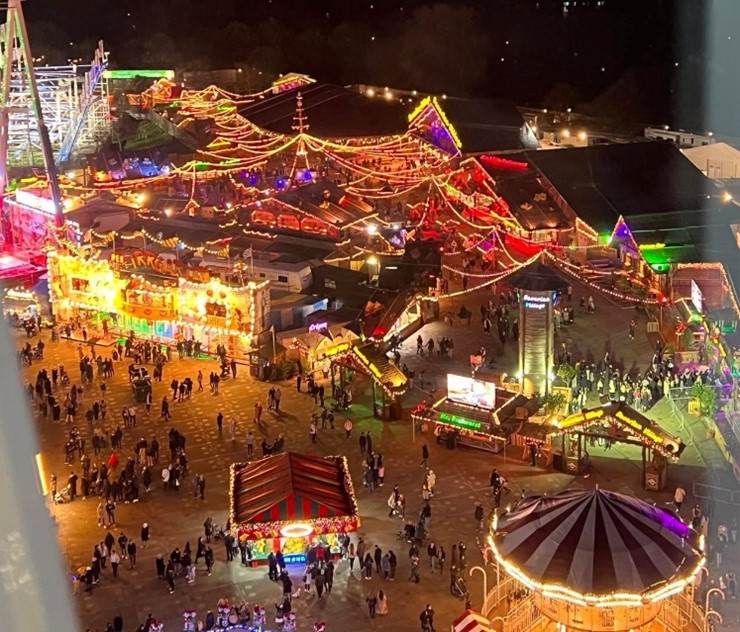
Located in the heart of London in Hyde Park, Winter Wonderland takes you on Christmas journey that includes a Ferris wheel, loads of funfair rides, ice skating, and much more. Especially popular at night when the festive spirit is in the air, make sure you get a Bavarian beer and tour the Bavarian village for an extra dose of cosiness.

Covent Garden
The legendary 60-foot British-grown Christmas tree outside the Apple Market in Covent Garden is decked with nearly 30,000 lights, making it spectacular. If you enjoyed the early snow this year, you’ll absolutely love the flurry of snow in Covent Garden’s Piazza!

Trafalgar Square
In 2022, Trafalgar Square not only has a massive Christmas tree, but also a Christmas market for the first time. Set in front of the National Gallery, with energising festive treats and handcrafted offerings in the heart of London, this spot will always get you in the festive mood.

Winter Festival at the Southbank Centre
Southbank Christmas Market is the ideal place to spend the night wandering among the Christmas lights and alpine wooden huts without worrying about being cold or hungry. Set next to the iconic Thames river, there are plenty of food and drink options to keep your hands warm, your belly happy, and your spirits jolly.

Christmas at the Churchill Arms
If you fancy a drink during the festive period, don’t think twice about popping into the Churchill Arms. Covered with illuminated Christmas trees and 22,000 lights, this spot will lift your spirits even before you’ve had anything to drink.

Christmas lights in central London
A highlight of the holiday season is walking around the city to see the Christmas lights on Oxford Street, Regent Street, Carnaby Street, and Bond Street. Five thousand suspended angels are adorned with LED pea lights that shine in tandem to provide a ripple effect along the roadway. A truly magical sight to behold!

Hogwarts in the snow
Experience the magic of Harry Potter amplified, by visiting the Warner Bros studio tour around Christmas. The beautiful details of the Gryffindor common room and the Great Hall will be enhanced by amazing festive decorations, sparkling snow and dripping icicles. Wow!

Attend Christmas services
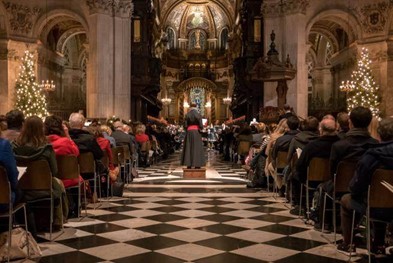
For those wanting to experience some of the more spiritual elements of Christmas, there are plenty of beautiful, old churches and cathedrals dotted around the city. For an extra special experience, you can attend Christmas Eve or Christmas Day services at St Paul’s Cathedral, Southwark Cathedral, or Westminster Abbey.

“There’s no doubt that the MSc got me to where I am today.”

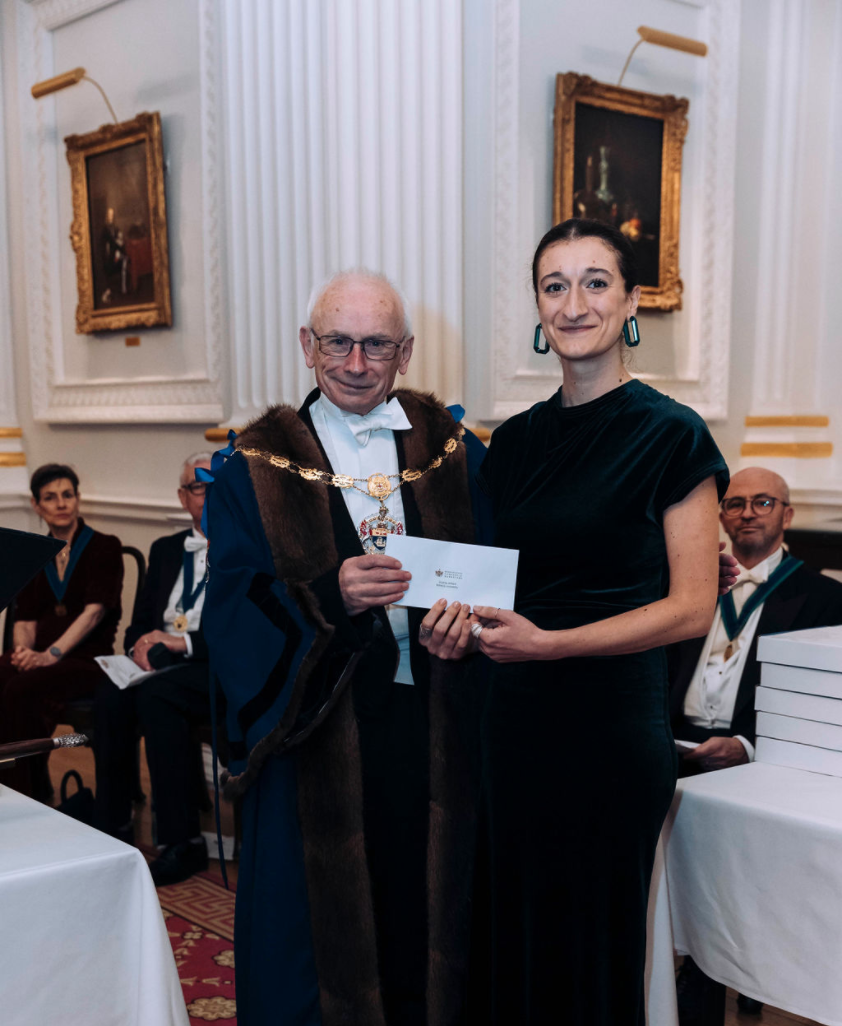
MSc Management with Marketing graduate Sophie Attard took home a prestigious Worshipful Company of Marketors award for her dissertation ‘Listening to Branding: Proposing a method to evaluate consumers’ perceptions of sound in branding.’ She shares how she transformed her career through evening study.

Sophie receiving her award. Photo by Harry Pseftoudis Photography .

I’d been working in music management for about four years when I was furloughed during the first Covid lockdown. It was the first time since leaving university that I’d time to think about my life and where it was going. I realised that I hadn’t been happy in my old job and started to look at other options.

I wanted to study and work at the same time and keep that momentum, so Birkbeck was an obvious choice. I chose MSc Management with Marketing because the management side would open up new opportunities and broaden my skills, while marketing appealed to my creative background.

The teachers at Birkbeck are outstanding: I got great support and it always felt like they really cared about the lectures and our learning. A particular highlight was working with Benedetta [Crisafulli], my dissertation supervisor. I picked quite a niche topic for my dissertation and she was really encouraging and took the time to understand what I was trying to achieve and to push me to write something I was passionate about.

When you do a master degree, regardless of the topic, it trains you to think differently and that is something you can apply to any field and role. I’ve learned how to back up everything I say with facts, to extract key information from large repertoires or datasets, to make up my own mind and make my own decisions. Building that sort of confidence is so important in management positions. I’d advise anyone to do a masters in any field that they’re passionate about to gain those skills.

Birkbeck’s Careers service gave me a way into the job I have now. I applied for a traineeship role in a start-up, which was a lower level than my previous role, but allowed me to switch industries while not interfering with full-time study. I now work for the same company as a product and brand manager, in charge of launching multiple different products, and there’s no doubt that the MSc got me here. The training in areas such as market research, brand development and thinking from a consumer point of view has equipped me with the skills to know what to expect and think about all these different areas while we develop and launch products.

For someone considering a masters, I’d advise to pick a topic that you’re really passionate about, because you will work on it a lot! Be clear on your ‘why’ – do you want career progression, to transition to a new field, or to increase your knowledge of a topic you love?

I’m now working with Benedetta to convert my master dissertation into a published paper. Winning the award from the Worshipful Company of Marketors has been the thing that keeps me going through the hard work. Benedetta encouraged me to apply for the award – collecting it at the ceremony will be the first time we meet face to face, as all our work together was done online due to the COVID lockdowns!! It will be a fantastic opportunity to celebrate. I’m really happy with where my life is now and Birkbeck has played a big part in that process.

Find out more: 

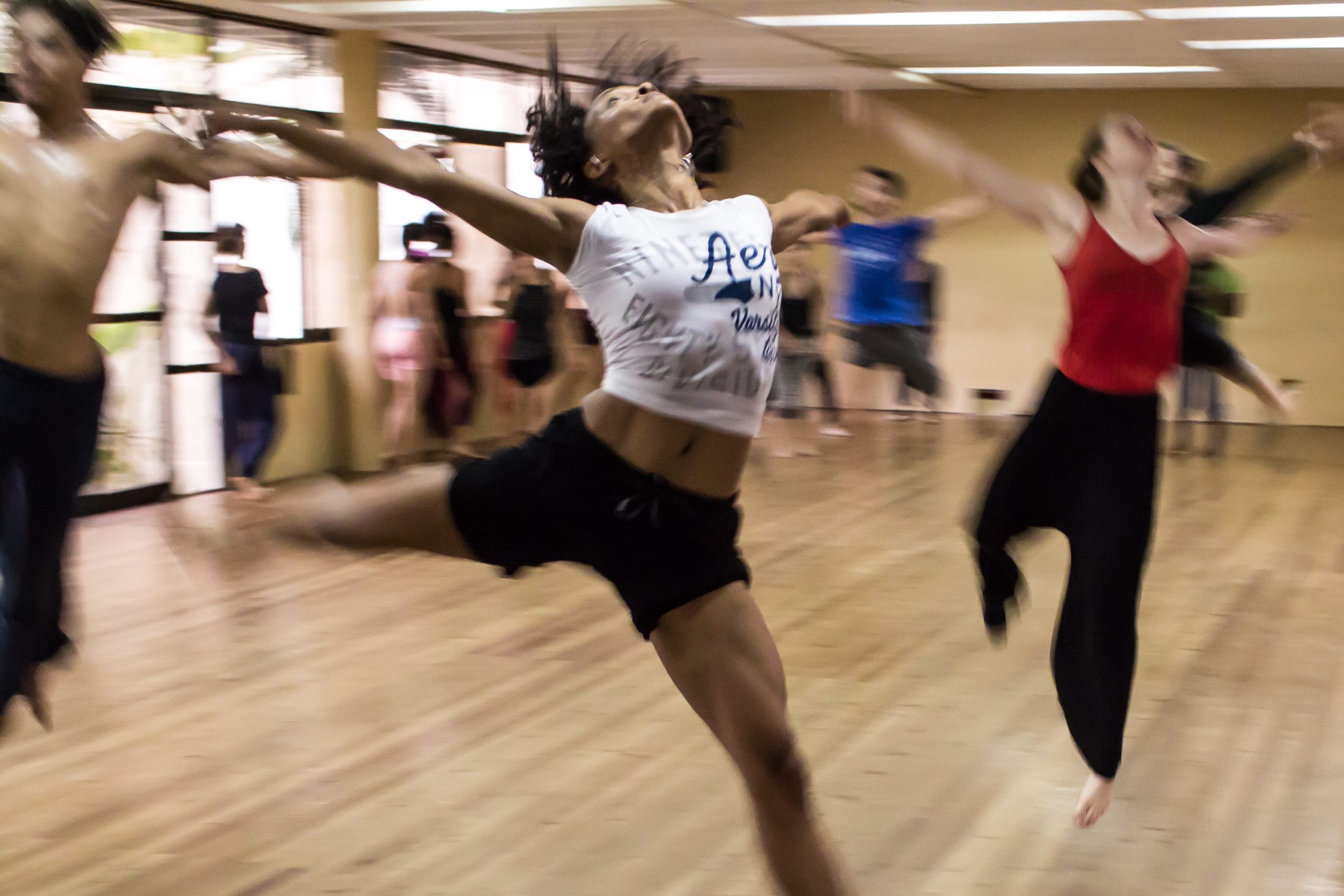
How can we be accommodating of neurodiversity in dance?

This is an interview with Professor of Organisational Psychology, Almuth McDowall, that appeared in One Dance Magazine UK.  

Jessica Lowe spoke to former classical ballet dancer, Almuth McDowall, Professor of Organisational Psychology at Birkbeck. Almuth specialises in diversity and inclusion, occupational health psychology and professional competence at work. 

In your experience and work, how might a neurodiverse dancer be experiencing dance differently to someone who is ‘neurotypical’?  

Can I start by clarifying what we mean by ‘neurodiversity’? The term originates from the work of hugely influential sociologist Judy Singer. Her writing argued to frame all human functioning as biodiversity, including how we think, feel and act. There are conditions (or neurominorities, or neurotypes) that make people different, such as autism, dyslexia, attention deficit hyperactivity disorder (ADHD) or mental health issues. Judy’s work encouraged everyone to look at strengths, not just deficits. I suspect that many dancers are ADHD-ers – hands up who was sent to dance school because they would not sit still? A dancer who has a different neurotype might be particularly good at experiencing the world in a sensory way – hearing music differently or more poignantly, having a real need to express through movement and not through words. 

From your own work, can you give some examples of how the dance sector can be thinking about, and accommodating neurodiversity? 

A good place to start is your own observations – how do you observe that dancers are doing their best work? What are good practices that help everyone? One of the features of a neurodivergent mind (although I don’t like this word too much!) is great sensory sensitivity. A cluttered, noisy studio where music mixes with voices can be distracting. A calm environment with good lighting benefits everyone. Regular breaks are important, too, as is giving people the opportunity to take solitary time out – their social batteries might be empty.  

Our research shows that there is a big gap between what people think neurodiversity is, and what it means in practice. Take the example of dyslexia. Most think that it’s about reading and writing difficulties. We find common challenges are forgetting things, self-organisation and managing stress levels. So, a holistic approach to dance and education is vital. We should ensure that dance educators and leaders have some knowledge and know when to consult professionals as appropriate. 

What advice would you give to those seeking to make their dance business, school, or organisation more inclusive and accessible for neurodiverse dance students or professionals? Where might somebody start? 

  • Engage a specialist for introductory training.  
  • Don’t make assumptions about why someone is not performing – forgetting a rehearsal time might not mean they don’t want to do it; perhaps their mind finds it hard to remember. 
  • Put genuine inclusion at the heart of your practice. What benefits neurodiverse dancers benefits everyone. 
  • Ensure that you canvass what people’s needs are and listen attentively. Commit to action plans and put these into practice. 
  • Remember your legal obligations – the Equality Act 2010 says that when someone reports a protected characteristic (and several neurodiverse conditions are recognized disabilities) then the environment must adapt to the individual. Not the other way around. 

In your experience, what might be some simple approaches that we as a sector could adopt to better accommodate people’s individual differences?  

Greater schedule flexibility, both formally and informally, paired with clear communication and considered scheduling of work. Often, rehearsal times are changed at short notice, and casting decisions announced with little lead time. Our research has shown that this needs careful consideration to make the sector more inclusive. 

What kinds of support are available for dancers who suspect they might be neurodiverse? 

It can be difficult as an adult to get a diagnosis, as waiting lists on the NHS are long. Think about a private diagnosis – might your employer or school even pay for this? An alternative consideration could be a cognitive assessment to profile your strengths and weaknesses. This is done by a psychologist. They can recommend onward referrals, and specialist providers will link in with government schemes such as ‘Access to Work’ (see link below). A few sessions with a specialist workplace strategy coach can be beneficial.  

I am less keen on some of the self-diagnostic tools out there (although we are developing a better one!) and please all be cautious with non-professional mental health advice on TikTok! 

Further information 

Wonder inside and outside the classroom: an international student’s first month in London

Emi Nguyen came to the UK from Vietnam to study a Master’s in Culinary Innovation Management at Birkbeck. Here she talks about her discoveries during her first month in the capital 

The beginning of something new
It’s my fourth week living and studying in London and sometimes it still feels a bit surreal. I have visited London dozens of times before but it’s completely different to live here and be a part of the innovative current flowing through this multicultural city. I’m truly grateful for choosing this journey, especially when I have supportive staff and friends at Birkbeck going through this with me. 

A welcoming orientation
I must be honest, though I have been regularly travelling abroad from my home country of Vietnam since the age of 16, this time I felt quite anxious leaving my nest. A million questions popped up in my head during the twelve hour flight. Will I fit in? What’s it like being a student in the UK? Is being a Master’s student different to being an undergraduate student? But all of those worries were eased on the orientation day. Yes: orientation is important! I got to meet all my course mates who share a passion for culinary innovation with me. The staff at Birkbeck were dedicated, kind and helpful throughout the orientation and since then too. Before orientation I didn’t know how best to construct an academic paragraph, or how to make the most of the library. The whole event was not just useful, but also heartwarming and reassuring; Birkbeck gave us the kindest welcome. 

When learning feels magical
What’s better than a warm welcome? Two warm welcomes! As a Master’s student in Culinary Management, I have contact with both Birkbeck academics and teachers from Le Cordon Bleu. If Birkbeck staff support me to aim for and achieve a high academic standard, the chefs and lecturers at Le Cordon Bleu open the door for me to explore the colourful culinary world. It feels like a dream come true to explore my passion for food in this way. Walking into Le Cordon Bleu for the first time, I felt like a child visiting Disneyland. Everything is so dynamic, lively and full of wonders, and my lessons continue to feel this way. What a magical place! 

The surprises of the capital
I knew that London offered a lot to do outside of classes. For an art enthusiast like me, there are plenty of artistic activities and exhibitions to dive into outside of my studies. I had the opportunity to look at Cezanne’s paintings at Tate Modern and it was an extremely emotional experience for me. All that I have watched and learned from books about this legendary artist and his work… was suddenly there in front of me! And I was looking at his brush strokes and vivid colours in a crowded room, with others also sharing the experience! What a time to be in London.  

Final words for the first month
Change can be scary. Moving to a new city, starting a new course, and following your passion are not always easy things to do. But learning to embrace fear and diving in can lead to a world of wonders. 

More Information: