Category Archives: Students

Opening doors to the legal profession: meet Birkbeck’s newest Bar scholars 

This year, several Birkbeck Law School students have been awarded prestigious scholarships to support their journey towards becoming barristers. These scholarships, awarded by the Inns of Court, help aspiring barristers undertake the vocational training required before they can practice at the Bar. For many students, receiving a scholarship is not only valuable financial support but also recognition of their hard work, commitment and potential. We spoke to this year’s recipients about their route into law, what the award means to them, and their hopes for the future 

André Buller 
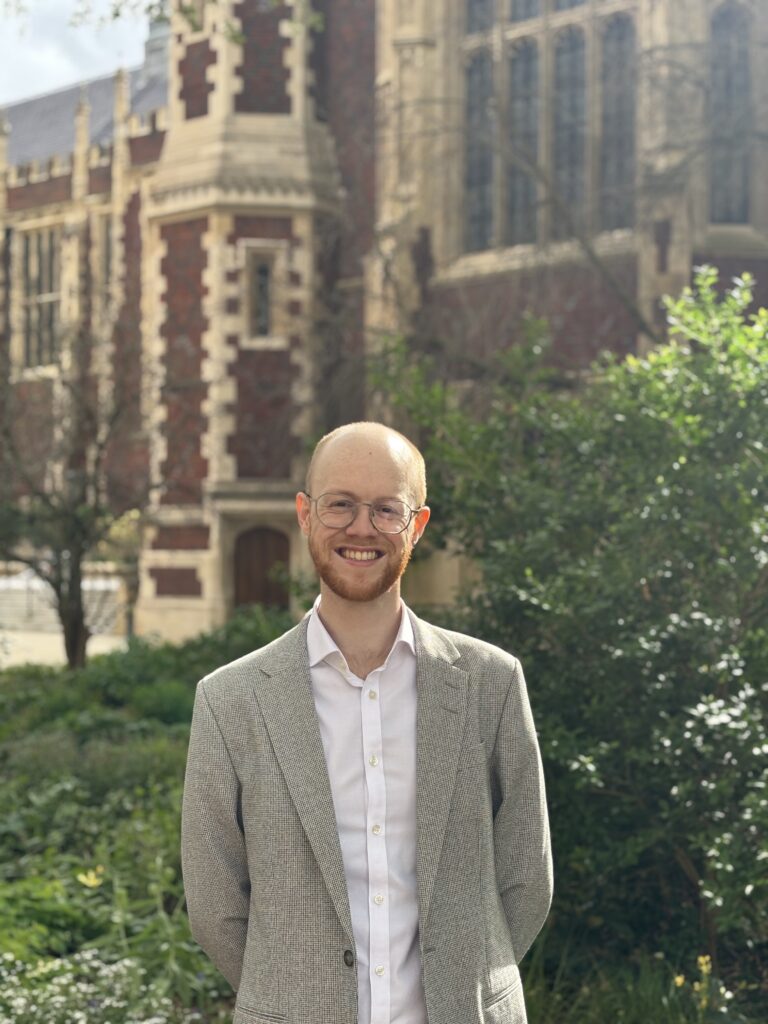
Scholarship: Lord Denning Scholarship and Daniel Lett Scholarship 

Congratulations on receiving your scholarship. How did you feel when you found out you’d been successful? 

I was honestly very surprised. The application process includes an intense interview with a panel of practising barristers who are very poker-faced, so I had no idea how well I’d done. Getting notification of my success blew me away (and I was in the library, so had to try to respond calmly)! After the initial surprise, I mostly felt really encouraged. It meant that a panel of impartial experts all believed I was worth investing in for this exciting journey. 

What first inspired you to study law? 

Personal circumstances led to real engagement with law from a young age, which I found incredibly fascinating. My first proper inspiration to pursue law began later through my work. As a copyright specialist for a major academic publisher, I negotiate, draft and advise on contracts and complicated intellectual property rules. It was this exposure to legal processes and language that captivated me. 

What area of law have you been most interested to learn about during your studies at Birkbeck and why? 

I have a real fascination with intellectual property (IP) law. My prior academic background in literature focused on critical theory and narratology, which engages quite heavily with the abstract. As IP law aims to provide protection and rights around intangible property, much of the complex methods of its construction and application reflect these literary concepts. 

The opportunity to study this, and to explore beyond my professional familiarity with copyright into patents and trade marks, was really exciting. 

Many Birkbeck students balance study with work, family or other commitments. How have you managed your own journey? 

I decided to study the GDL full-time because I was eager to prioritise the conversion and devote most of my attention to learning the law. I was fortunate enough to receive scholarship funding and to be able to keep working throughout my course. 

By scheduling all my classes for the evening, there was minimal impact on work, though I did reduce my hours to balance my workload and extra-curricular commitments. It can be intense, but it’s very rewarding, and much easier when you can study in hours outside the ordinary 9–5 schedule. 

What advice would you give to someone considering studying law or pursuing a career at the Bar, especially if they are coming to it through a non-traditional route? 

Go for it! The law is incredibly interesting, engaging and widely applicable. I would definitely advise someone to take advantage of, and emphasise, any non-traditional route. The Bar responds positively to those who can demonstrate experience and a background outside a direct academic path, and some of the best skills for a barrister’s day-to-day life are developed in non-traditional areas: timekeeping, balancing multiple workloads and adaptable thinking, for example. 

Finally, especially at Birkbeck, I recommend connecting with your fellow students. Most of my peers are also coming to law from varied backgrounds, and their wisdom and support are equally encouraging and essential. Good luck! 

Daniel Cloney 
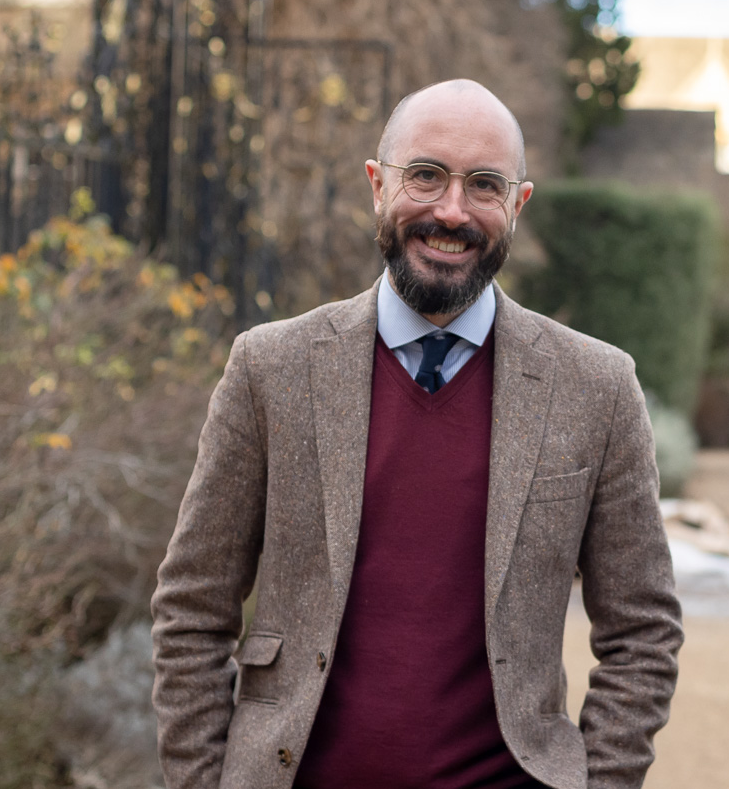
Scholarship: Cassel Scholarship (Bar Course), The Honourable Society of Lincoln’s Inn 

How did you feel when you found out you’d been successful? 

Honestly: huge relief, for a few reasons. On the one hand, the Inn’s financial support was fundamental to my ability to take the GDL in the first place, and the Bar Course would not have been feasible without it. But beyond that, the vote of confidence from the profession makes a huge difference. 

What first inspired you to study law? 

I came to the study of law late, aged 35, when I took a master’s degree in International Human Rights Law. It was then that my academic interest in law more broadly blossomed, and I realised I wanted to make it the centre of my career. The choice to do a GDL was an easy one after that. 

What area of law have you been most interested to learn about during your studies at Birkbeck and why? 

Given my background, I already had a fairly good handle on aspects of public and human rights law. So, what I really enjoyed at Birkbeck was the ability to deepen my engagement with criminal law and aspects of private law, especially contract and company law. They provided refreshing new puzzles to consider, and fascinating insights into the historical development of law in England and Wales. 

Many Birkbeck students balance study with work, family or other commitments. How have you managed your own journey? 

I couldn’t give up work completely, so I switched to 0.5 FTE, which was just about feasible alongside full-time study. That allowed me time during the afternoons to study and to take my classes in the evenings. I also really enjoyed attending classes in person, which helped me to make some good friends here. 

What advice would you give to someone considering studying law or pursuing a career at the Bar, especially if they are coming to it through a non-traditional route? 

On the one hand, you have to put your ego to one side and be patient. It’s a very competitive profession with a tight bottleneck at the entry point. At the same time, it’s a hugely supportive community. There is a wealth of help and advice on offer, whether from Birkbeck, the Inns of Court, certain sets of chambers or individual barristers. It’s vital to take advantage of that: it will be there for you when the process gets tough. 

Alfie Hansen

Scholarship: BPP Bridge Programme Scholarship 

How did you feel when you found out you were successful? 

I was lost for words. It’s quite literally life-changing. I work and want a career in the human rights and charity sector, but due to the area’s limited training opportunities and an inability to privately fund the SQE, I’d been emotionally preparing to pivot into a corporate firm just to get qualified. Now I’ll be able to keep working in the sector I’m passionate about, helping vulnerable people, with half of my qualification funded. 

What first inspired you to study law? 

I don’t come from a privileged background and have witnessed a lot of injustice in my life. One particular example occurred during the Covid pandemic. I spearheaded a union action against a coffee chain about unsafe business practices that put workers’ and public health at risk for corporate profits. 

I wrote a petition that received 40,000 signatures, was interviewed on BBC Radio and in the Financial Times, which led to several meetings with corporate executives. Despite this, once the coverage faded, so did the executives’ sincerity and any prospect of change. This exploitation of power resonated with me for a long time and directly informed my decision to study law. For me, it was a decision to equip myself with the tools to help others in a similar position and be the difference that makes real change. 

What area of law have you been most interested to learn about during your studies at Birkbeck and why? 

I’ve really taken to modules with a critical approach to law, particularly State Crime, Housing Justice, and Law, History and Political Violence. What really struck me is just how much philosophical and sociological perspectives are implicitly embedded in the law. This has helped me understand the true structure of the law and how it embeds itself into every aspect of our social lives. 

How have you managed multiple commitments? 

I won’t pretend it hasn’t been difficult. I’ve been studying full-time, working part-time, volunteering to get legal experience, taking on side projects to make my CV stand out and trying to have a personal life at the same time. 

I found planning and prioritising helped the most. When studying multiple modules, I’d break down my weeks, dedicating several days at a time to solely studying one module. Mapping out assessment deadlines was also a must. Knowing when I had to begin work on essays and exams meant I never felt I handed in work I was unhappy with or felt underprepared for. 

What advice would you give to someone considering studying law, especially from a non-traditional route? 

The idea of “traditional” is just a ceiling put on your potential by someone who doesn’t know you. Forget what they think and give it 110 per cent! I was lucky enough to benefit from having a big support network, which was really important when things got tough. So I’d also say to leave your ego at the door if you want to succeed and don’t be afraid to ask for help, whether that’s asking someone to check over your essay or simply having a shoulder to cry on. 

Chloe Hennigar
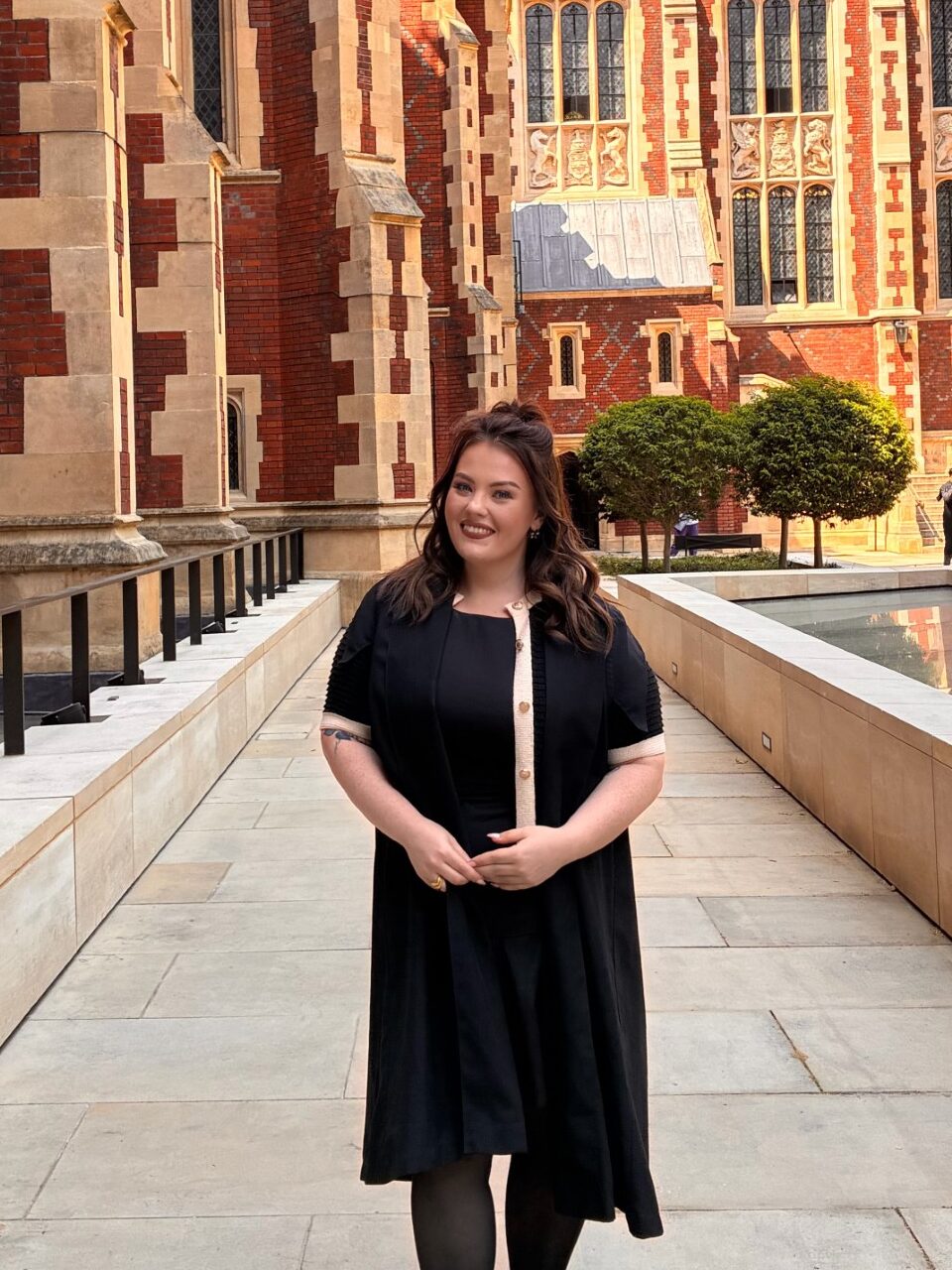
Scholarship: Helen Grindrod Social Mobility Prize from Lincoln’s Inn 

How did you feel when you found out you’d been successful? 

I was delighted. The prize gives me the opportunity to attend a summer school hosted at Lincoln’s Inn, where we’ll develop our advocacy and case analysis skills and also have the opportunity to undertake a mini-pupillage. It also provides invaluable opportunities to meet and learn from barristers, making it a really significant step towards my goal of becoming a barrister. It feels both like recognition of the work I’ve put in so far, and also opens opportunities to gain practical experience, build my network and continue developing as an aspiring advocate. 

What first inspired you to study law? 

Growing up in a relatively disadvantaged area, I saw first-hand how much difference access to knowledge, resources and representation can make. I became increasingly aware that people often struggle not because they lack ability or determination, but because they don’t know where to turn or don’t have access to the right support. That has motivated me to pursue a career where I could help people navigate those challenges. Law appealed to me because it combines intellectual challenge with the opportunity to make a meaningful difference in people’s lives. 

What area of law have you been most interested to learn about during your studies at Birkbeck and why? 

I’m most excited to study criminal law, as I’m drawn to its complexity and the way it balances protecting individual rights with serving the public interest. I’m also really looking forward to studying banking and finance law and immigration law, as I’m interested in the wider economic and international dimensions of legal practice. 

Many Birkbeck students balance study with work, family or other commitments. How have you managed your own journey? 

I’ve found that being organised and prioritising my commitments allows me to perform well academically while also making the most of the opportunities available to me.  

Alongside my studies, I work at Birkbeck and I’m actively involved in a number of extracurricular activities, including the Birkbeck Law Review, the Birkbeck Law Forum, which I founded, BIUCAC and other initiatives. These commitments are important to me because they allow me to contribute to the student community while developing skills that will support my future career. At the same time, I make a conscious effort to maintain a healthy balance by making time for friends and family. 

What advice would you give to someone considering studying law or pursuing a career at the Bar, especially if they are coming from a non-traditional route? 

There isn’t one ‘right’ pathway into the profession, and the experiences you bring with you can become one of your greatest strengths. I’d also encourage people to be proactive. Attend networking events, apply for opportunities even if you don’t think you’ll get them, and don’t be afraid to ask questions. Every application, conversation, and experience helps you build confidence and develop your understanding of the profession. Finally, remember that it’s a marathon rather than a sprint. Progress doesn’t have to happen all at once, and consistency will take you much further than comparing yourself to other people. 

Samuel James Barley 

Scholarship: Lowry Calvert Scholarship from Middle Temple 

How did you feel when you found out you’d been successful? 

I was at work when the email came through, and I had to take a moment out to just sit in the feeling. I recall a warmth spreading through me as I thought, “You know what, I could actually do this.” Ultimately, it was the feeling of being positively viewed by practising barristers that mattered to me most. 

It’s been such a busy year that I’m not sure I’ve celebrated it properly or let it sink in just yet! There’s still a long way to go, but it really is such a confidence boost at this stage, and I’m determined to keep going. 

What first inspired you to study law? 

I’d actually fallen for law during my original undergraduate degree, albeit it’s taken me about a decade to get around to pursuing it again. I’d been put in a module on “Legal Cultures in Late Antiquity” in my third year and ended up doing a master’s degree on the same theme. I’ve worked in criminal justice since leaving my studies, so coming back to complete a GDL was always a possibility. Last summer, I took the leap and applied. 

What area of law have you been most interested to learn about during your studies at Birkbeck and why? 

I was surprised by just how much I enjoyed Equity & Trusts. There can be a tendency from people outside the legal world to think of law as this rigid and soulless set of rules to be applied, which simply isn’t accurate. The Common Law is continually growing and shifting, and my class quickly identified which judges we enjoyed reading most. In Equity, that movement is even more obvious, and the near-obsession with fairness over procedure is something I hope to take with me into my career. 

Many Birkbeck students balance study with work, family or other commitments. How have you managed your own journey? 

I’ve balanced studying full-time with working full-time this year, and if I could easily explain how I’d managed that, I would. Ultimately, organisation and commitment are key. I’ve studied tired, on my commute, on holiday, in groups and on my own. There’s been impeccable support from my partner, ensuring that I look after myself and eat enough vegetables, and a fantastic group of people in classes to talk issues through with. Birkbeck’s format has been really useful for managing my time too. Knowing that my classes are in the evening, or online if need be, and that I can watch and rewatch lectures as and when allows me to be flexible. It’s been a hectic year but an enjoyable one. 

What advice would you give to someone considering studying law or pursuing a career at the Bar, especially if they are coming from a non-traditional route? 

Know why you want to do it. You’ll read online and in books about how competitive it is and that the odds are against you, which is all true. That doesn’t mean you shouldn’t do it, though; it means you have to really want it to try. This year has taught me just how much I want this.  

Take all the opportunities you can to get experience, whether that be mini-pupillages or marshalling, and definitely participate in mooting. I was fortunate enough to compete at the Jessup International Law Moot and the Birkbeck Law Forum Mooting Competition this year, and I’ve received some incredible feedback to bolster pupillage applications in the future. There’s plenty of challenges still ahead for me, but knowing how much I’ve enjoyed this year fuels my ambition to continue. 

Aravindi Rubasinghe

Scholarship: Dame Juliet Wheldon Scholarship 

How did you feel when you found out you’d been successful? 

Complete shock and disbelief. I wasn’t sure how my interview went. I’d spent a lot of time ruminating on what I could have done better, so I hadn’t given myself any credit for what I’d probably done well (great life lesson, I think!). I’d kept my expectations intentionally low because of this. When I got that email, I genuinely had to read it multiple times. I took a big leap of faith in choosing to pursue the Bar, and this encouragement from the Inn means a great deal. Above all, I feel incredibly grateful to the Inn and blessed to have their support. 

What first inspired you to study law? 

Before deciding to pursue law, I had another career:  studied medicine and currently work as a doctor while completing my postgraduate law conversion. Law has always been something I found myself drawn to, even during medical school. Once I began practising medicine, although I enjoyed the work, I became increasingly aware of how deeply the law shapes healthcare and provides the framework within which so many professions and systems operate. That only strengthened my interest. Over the past few years, I’ve also grown personally and gained a much clearer understanding of the kind of career I want for my life. 

What area of law have you been most interested to learn about during your studies at Birkbeck and why? 

I’m particularly interested in public law, so I was especially looking forward to studying constitutional and administrative law. I find the way public bodies make decisions that directly affect individuals compelling and deeply important. I’ve been able to witness this within medicine, where wider systemic decisions impact the care we deliver day to day. 

That said, one of the biggest surprises has been how much I’ve enjoyed modules I wasn’t initially drawn to. One of the best parts of my first year at Birkbeck has been being exposed to such a wide range of legal disciplines and discovering something interesting in all of them. It’s made me even more excited to explore new areas of law in the coming year. 

Many Birkbeck students balance study with work, family or other commitments. How have you managed your own journey? 

I currently work full-time as a doctor while undertaking my Master’s, and continuing to work has been essential as I self-funded the first year of my degree. That’s why I’m so grateful for the opportunity Birkbeck offers to fit education around the realities of everyday life. I genuinely don’t think I would have been able to pursue law at this stage in my career without that flexibility. 

I’m also continually inspired by my classmates, who come from all walks of life, bringing with them a wide range of experiences and perspectives. Balancing study alongside work, family and other commitments means that everyone has made a conscious decision to be there, and that creates a learning environment where people are genuinely engaged and motivated. That’s been one of the most rewarding parts of my experience so far. 

What advice would you give to someone considering studying law or pursuing a career at the Bar, especially if they are coming from a non-traditional route? 

I’m very early in my journey towards the Bar, so I tread carefully! However, I do know a thing or two about scary decisions. When I first started thinking seriously about pursuing law, it felt overwhelming knowing I had devoted many years to another profession. My advice would be to listen to your intuition (it’s telling you something for a reason!) and then really critically think to find your why.  

I would say don’t ever think it’s too late. There are so many things in this world to learn, and if something has made you stop and think, “I could do that”, and you have the opportunity to pursue it, don’t let the critical voices inside your head or the voices of what others might say stop you. 

More Information

Planning, practice and storytelling: preparing for Chevening Interviews

At a recent Q&A organised by the Birkbeck International team, Current Chevening Scholars shared their experiences of preparing for the all-important interview step in the selection process for the prestigious UK Foreign and Commonwealth Office scholarship.  

Maria Annaliza Fraser, Guyana, MSc International Relations 

When did you learn you had been selected for a Chevening interview? 

I got my notice on Valentine’s Day last year! There were several dates across March to select from. I remember selecting the 20 or the 21 of March, so I could have a month to prepare. 

How did you choose your time-slot?  

When I found out I had an interview, I called a previous Chevener who is a friend – he was more excited than I was at that point – and he advised I took a few days to decide on an interview slot that worked with my schedule.  

I took a slot at 8am, as if you know Georgetown, you know how miserable parking is! 

What tips you can share with future applicants?  

Practice with mock interviews with friends. I reached out to a previous scholar, who supported me throughout the journey. 

Go back to your essays, as the panel will refer to your answers about leadership, networking, education and career plans.  

This next tip might seem overwhelming, but I decided “I’m going to answer very confidently, very boldly, and be truthful and honest”. And I did that. It’s worth doing!  

Don’t hold back from talking about your motivation. For example, I was a bit nervous because my background is Marine Sciences and this is my second Master’s, so I explained this path isn’t about making a complete switch, it’s just about merging a gap. 

When it came to providing examples of facing resistance or difficulties, draw on both personal and professional examples. I drew on my experience working on the gas energy project in Guyana, and bringing stakeholders from opposite sides together – which also covered networking!  

I would also say, make sure you have a question you can ask at the end, when the panel invite you to. I asked about the Chevening alumni community and how I could get involved with it after the scholarship. 

Fabiola Andrea Leon, El Salvador, MSc Public Policy and Management 

When did you learn you had been selected for a Chevening interview? 

I think it was three weeks before the interview, I booked it right away and got a place on the second day of interviews. I prioritised booking at the beginning of the day, as I feared the panel can be tired after seeing many people. But I think, even if you are interviewed at the end of the day, you can also make an impact. If you come in with a good story, I think the panel is going to be captivated anyway. 

How did you prepare for the interview?   

Based on my application essays I prepared to tell my story and structured this as a pyramid. I wrote down what I have done at the bottom and what I want to achieve at the top. I was genuinely proud of different projects that I was working so I wanted to incorporate it into this story.  

I practiced a lot. I had mock interviews with people that I knew. I got feedback about things like speaking too fast,  

I joined applicant groups on Facebook and LinkedIn, watched videos on YouTube. I also connected with a previous Birkbeck scholar, Marko, and gained a lot from his experience and advice. 

I also prepared for general questions, such as challenges I have faced. My answer was divided into two; projects led at work, and my experience studying in China at 18 and how I adapted to living in a different country and learning a new language. I highly suggest for applicants to think about the challenges that they have faced in life, as well as professionally.  

Sekulu Nyekha, India, MSc Social Research 

When did you learn you had been selected for the interview? 

I got the e-mail in the night. It was on Valentine’s Day too, like Maria. I remember being really excited, but I didn’t want to rush booking the slot. However, when I went to book an interview from the selection available, the earlier dates were the only dates which were left. I picked March 4, which was one of the earliest dates of interviews! 

Was your interview online or in person?  

It was online for me. I think it’s because India is so diverse and big, so it made sense for it to be done online. 

How did you prepare?   

I’d always been confident about interviews, but right before the Chevening interview, I messed one up really badly and that taught me a lesson. I decided I was not going to be overconfident this time – I would seriously prepare. I had mock interviews with as many people were willing to help.  

I also practiced timing my responses, speaking for two, three or five minutes. This came very handy during the interview as I was told I had two minutes to answer each question. At that point I knew exactly how to structure my answers within the time allocated. 

What tips you can share with future applicants?  

Focus on what you wrote in your application essay, but don’t let that be your only focus! I saw my interview as a continuation of my essay. I referred to it, but I added more details, mentioned additional leadership positions and new projects I’d worked on since I originally applying. 

I also wanted both my essay and interview to come under one theme, seeing all my answers as part of one trajectory. Something like this can help a lot with memorability and coherency!  

For the networking question I mentioned how many people I worked directly with. I also mentioned my relation with Sishu, a previous Birkbeck Chevening scholar and friend, who I had been in touch with for insight. I think it also showed that I am excited to be part of the Chevening community. 

Tholang Mathopa, South Africa, MA AI, Ethics and Society 

How many times did you apply to Chevening before you got selected?  

I actually applied twice. In 2024, I had admission to a university I hadn’t listed on my application. This time around I made sure my listed universities matched and I gave it another shot. And it shows you shouldn’t ever give up on yourself. You must always try and try and try and try again until you get it right. 

Was your interview online or in person?  

It was online. At the beginning of the interview I was told I had about two minutes per question. The allocated interview slot was forty-five minutes, but we didn’t use it all.  

What tips you can share with future applicants?  

You should already be building on your trajectory, start working on the goals you actually want to achieve. It makes applying for the Chevening and answering interview questions so much easier.  

Make sure you document what you work on, your achievements, no matter how small you think this is. Don’t hesitate to share these on social media. It doesn’t have to be perfect, in fact the grittier it is, the better. We get to see the humanity behind what you’re doing. 

You need to be able to elaborate on your career plan after Chevening, mid and long term. This is where your real story comes to play. For example, you may have been working on a plan for some time- and Chevening is going to enable you to achieve this. You should be able to say this is what I’m going to do from year one after finishing, all the way up to year ten. The panel wants to know your vision and how the scholarship is going to help you reach your objectives. 

Finding my rhythm in London

Guyang Lin is studying LLM Qualifying Law Degrees, and is the recipient of the International Excellence Award. In this blog, they reflect on settling in to life in London and evening classes at Birkbeck.

It was drizzling the day I decided to cycle to a seminar for the first time. The streets of London shimmered with rain, and I was being pushed – by time, by cars, by the city itself – to keep moving.

I didn’t even know which way to go. When you’re new to London, the smallest tasks can feel monumental. Figuring out which side of the road to ride on, how to use a Forest e-bike, which traffic points to use, everything felt like a test.

I got bumped once, and my anxiety peaked, but I kept pedalling. Finally, I reached my destination, a little shaken but glad to have made it. That, I suppose, was a lesson London wanted to teach me: persistence often comes before confidence. But I already knew that. After all, persistence is what pushes me out of the comfort of home and the weariness of work, towards campus.

Two days later, I tried cycling again. I waited at a traffic light near Westminster, nervous but determined. Big Ben struck quarter to five, and I started moving: hesitant at first, then faster as the e-bike’s motor kicked in. The city rushed past me, and I began to feel more at ease.

Soon, cycling became my weekly ritual: my transition between work, study, and self. Between four and six p.m., London bursts into motion as waves of people hurry towards buses and Underground stations. This is the time I ride towards Birkbeck, joining the rush of people in my own way.

Most people use this time to head home, to rest. My destination, though, is not a place of rest but of energy: the lights of Birkbeck campus, the hum of conversation during evening seminars as people gather to learn. People with grey hair in windbreakers, bright pink hair in hoodies, or short hair in business suits. Some come straight from their offices, others from homes and families. Everyone brings a story, a day already lived, and a determination to keep learning. In this environment, I find something both grounding and inspiring, a sense that education is not separate from life but a part of it.

When I cycle home later at night, the city has changed. The roads are calmer, the people less rushed. It feels as though London and I share a secret, the knowledge that between dusk and midnight, the city belongs to those still chasing their dreams.

Studying at Birkbeck has taught me that “settling in” isn’t about becoming entirely comfortable. It’s about finding your rhythm in a city that never stops moving, learning when to push forward, when to pause, and how to keep going even when the rain falls.

London doesn’t slow down for anyone, but it leaves just enough room for people to grow at their own pace. And somewhere between the crowded evenings and the quiet rides home, between the ambition and the exhaustion, I’ve realised I’m no longer just passing through. I’ve become part of the city.

More information

Celebrating the Lunar/Chinese New Year

Birkbeck student Jingyi He, attended a New Year event organized by the Chinese Students and Scholars Association UK and, in this blog, speaks to the symbolic meaning of the ‘Year of the Horse’ and the importance of cultural events.

Birkbeck student Jingyi standing in front of a Chinese New Year banner
Birkbeck student, Jingyi He

In traditional Chinese culture, 2026 is the “Year of the Horse.” In Chinese culture, the horse is not merely an animal but also represents a set of symbolic meanings: speed, journey, action, pioneering spirit, endurance, and the relationship with the road. Idioms such as “urging the horse on with the whip” and “spurring the horse forward” metaphorically express the pursuit of enterprising spirit and seizing opportunities, as well as symbolizing the aspiration for a smooth and progressive life.

As a student of Birkbeck, I am fortunate to have attended the 2026 Spring Festival Gala organized by the Chinese Students and Scholars Association UK. Before the gala officially began, I was captivated by the various small activities at the entrance. As soon as I stepped into the corridor of the auditorium, a student smiled and handed me a large Fu (blessing) sticker, wishing me a “Happy Spring Festival.” In Chinese tradition, placing the Fu character upside down on the doorstep symbolizes “blessings have arrived”, representing the simplest yet most sincere New Year’s wish. Holding the red paper, I felt a warmth in my heart. Continuing down the corridor, I saw a table surrounded by people participating in a raffle. Upon closer inspection, the prize was a specially designed commemorative fridge magnet for the All-UK Chinese Students and Scholars Union Spring Festival Gala, featuring a horse-year theme. The magnet combined the image of a ‘child riding a wooden horse in a New Year painting’ with iconic London landmarks such as Big Ben, the London Eye, and Tower Bridge. As a cultural extension beyond the gala stage, it allowed Spring Festival culture to be seen, preserved, and remembered overseas. Unfortunately, my luck wasn’t in, and I missed out on it. However, that disappointment was quickly overshadowed by another emotion: from the Fu stickers to the fridge magnet design, these thoughtful touches, big and small, made me truly feel the care and concern of the All-UK Chinese Students and Scholars Union and Birkbeck for international students. Before even taking my seat, the festive atmosphere was already palpable.

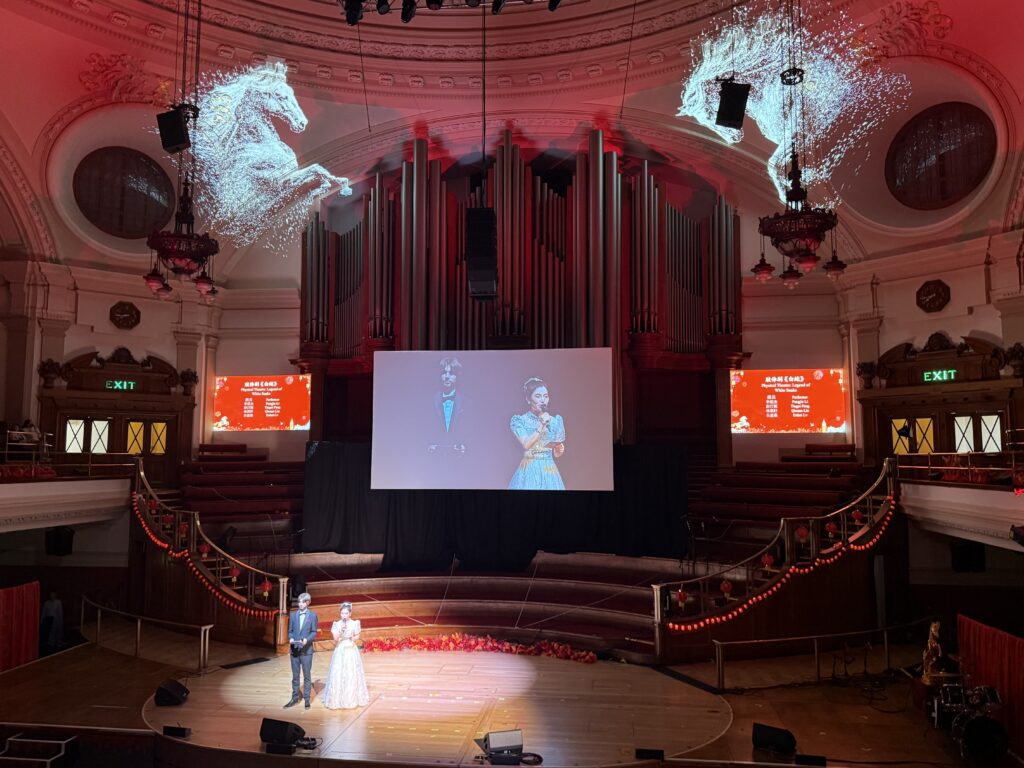
The gala officially started at eight o’clock. I sat together with my classmates from Birkbeck and my teacher, Sammie to watch the entire event. The event was designed into three chapters, corresponding to the temporal progression of ‘Past Spring Festival, Present Spring Festival, Future Spring Festival’ from the historical memories of earlier generations of international students, to the current lives of contemporary youth in London, and then to a shared vision for the future. Zheng Zeguang, the Chinese Ambassador to the UK, took the stage to deliver a speech, marking the opening of the gala. The program lineup balanced tradition with modernity, showcasing the profound heritage of Chinese culture while also presenting the innovative expressions of the youth. There were traditional Chinese performances such as the opera ‘Mu Guiying Takes Command’, the folk song ‘Jasmine Flower’, and the physical theater ‘The Legend of the White Snake’, as well as modern acts like K-pop, rock music, and a cappella. I could really feel how much effort the staff put into this gala, Everywhere in the main venue, there were ‘Year of the Horse’ elements — horse projections on the walls, cute horse dolls on the tables, and more. All the on-screen captions were bilingual, thoughtfully designed for an international audience.

The program that left the deepest impression on me was when the Oxford University a cappella choir sang ‘Finding Myself’. Several foreign students stood in front of the microphones, and their clear enunciation surprised me. The dozen or so members stood in an arc, and the moment the British male lead singer opened his mouth, he demonstrated unexpectedly proficient Chinese—each word’s ending was handled cleanly and crisply, with even particles like “了” (le) and “着” (zhe) enunciated distinctly. Another Chinese member was particularly immersed in the bass part, gently tapping his feet to the rhythm, his light brown shoes tapping out a lively beat on the wooden floor. When singing the line “After making so many changes”, he suddenly raised his right hand to touch his chest, as if truly telling his own story through the song. Later, the host introduced that they had prepared for this program for nearly two months, and I was once again moved by the thoughtfulness of this gala.

For the grand finale, soprano singer Wan Dan performed a solo of ‘Cheers to the Motherland’, concluding the event with a powerful and infectious voice that pushed the atmosphere to its climax. The song evoked a sense of national pride, and many in the audience sang along, filling the entire auditorium with their voices.

After the gala ended, many people were reluctant to leave, staying behind to take photos together. Although many international students had not known each other before, under the festive atmosphere of the Spring Festival Gala, everyone was chatting freely. I also made many new friends through this event, who, like me, had come to the UK from China last September and had already spent nearly half a year studying abroad here.

This overseas Spring Festival Gala deeply touched me. I had never imagined experiencing a Spring Festival feast that transcended time zones and cultures in a solemn and exquisite British-style auditorium, feeling the most familiar festive atmosphere in the cold winter of a foreign land. The familiar melodies and traditional art forms on stage made me feel as if I had returned home for the New Year, regaining the sense of ritual and belonging that the Spring Festival should have, and feeling that the New Year was right beside me and ‘home’ had never been far away.

The inside of an auditorium for chinese new year event

Thanks to Siyuan Zhou, the Chair of the Birkbeck Chinese Society, for bringing this event to the Birkbeck Chinese community, and others celebrating, and giving us the opportunity to participate. For me, tonight’s event was absolutely wonderful and truly memorable. Finally, I wish everyone good luck and all the best in the new year!

More Birkbeckians than Etonians in the new government

Matt Innes is Birkbeck’s Academic and Corporate Deputy Vice-Chancellor, as well Professor of History in Birkbeck’s School of Historical Studies. Here, he reflects on the reach and impact of Birkbeck alumni.

The 2024 election saw a record number of Birkbeck graduates in the new Parliament, with a total of fourteen Birkbeck alumni and Fellows elected. Now that the final ministerial appointments have been announced, Birkbeck can count no fewer than seven alumni and fellows holding government office. These number three cabinet ministers, two ministers of state and a number of other appointments.

The total surpasses the four Birkbeck figures who took up office one hundred years ago, when the first Labour government was formed just a few years after the extension of the vote to all adult males and some women. In that hundred years, Birkbeck figures have played significant roles in a number of governments. Birkbeck is one of the few Universities whose history includes a head of institution who went on to hold ministerial office: Baroness Tessa Blackstone.

The demographic and educational background of new ministers in 2024, and the extent to which it signals a change in the established pattern of UK political life, has attracted analysis and comment. Bridget Phillipson, the new Secretary of State for Education, has spoken about the importance of social class and obstacles to educational success for many of the new Cabinet: although all bar one Cabinet members are graduates, most were the first in their family to be able to attend University, often overcoming significant barriers to do so.

Research by the Sutton Trust has shown that over 90% of the new Cabinet were educated in state secondary schools, in a sharp change even with previous Labour Cabinets (which were typically a third privately educated), and still more dramatic contrast with preceding Conservative governments (often over two thirds privately educated). Over a quarter of the new Cabinet have law qualifications, with politics and history being other popular degree subjects, including three Oxford Philosophy, Politics and Economics graduates and two Cambridge historians.

Of the 17 Prime Ministers who have held office since Winston Churchill in the Second World War, no fewer than thirteen took their undergraduate degree at Oxford (the exceptions being three ‘takeover’ Prime Ministers who came to office mid-Parliament after their predecessors stood down, rather than via the Ballot Box:  James Callaghan, John Major and Gordon Brown.

Sir Keir Starmer’s undergraduate degree from Leeds University brings the number of UK Universities with Prime Ministerial alumni to six; Oxford, Cambridge, Edinburgh, Glasgow and – of course – Birkbeck, where Ramsay MacDonald, the first working class Prime Minister, took evening classes in science.

In 1924, the Birkbeck presence in government reflected the university’s position as the institution of choice for education hungry Londoners without the means to access the traditional universities. It exemplified a broader process of change: namely the integration of the institutions and organisations of working-class self-advancement into the formal public life of the nation.

In 2024, Birkbeck’s presence again reflects a broader process of change, as a generation who benefitted from the extension of educational opportunity and university access in the late twentieth century come into office. All seven Birkbeck educated ministers undertook postgraduate or professional studies, with the distinction and flexibility for which Birkbeck is known, providing an educational bridge into professional and political careers. Four of them took Birkbeck’s prestigious politics and government portfolio, which remains popular amongst recent graduates seeking to make their way in the world of policy and politics.

Educational opportunity is one of the new Government’s five core missions, and the crisis ridden state of UK universities is a matter of urgent debate. The personal histories of so many Birkbeck graduates speak to the opportunity created by Birkbeck’s distinctive educational model and the personal and professional growth it fosters. With the university accelerating strategic changes which will deliver even greater accessibility and flexibility, Birkbeck can offer a compelling alternative to traditional university that is keenly relevant to the Government’s mission.

Note: 

Birkbeck alumni and Fellows in the Starmer government include: (Cabinet) David Lammy MP, Secretary of State for Foreign and Commonwealth Affairs; Lisa Nandy MP, Secretary of State for Culture Media & Sport; Lou Haigh MP, Secretary of State for Transport. (Ministers) Tulip Siddiq MP, Economic Secretary to the Treasury & City Minister; Georgia Gould MP, Minister of State in the Cabinet Office; Alison McGovern MP, Minister of State in the Department of Work & Pensions; Hamish Falconer MP, Parliamentary Under Secretary in the Foreign and Commonwealth Office; Baroness (Fiona) Twycross, Baroness in Waiting (Government Whip).

More information:

A student’s guide to celebrating Pride in and around Birkbeck

Sidhant Maharaj is an intersectional queer feminist activist from Fiji, currently pursuing their Masters in Gender and Sexuality Studies at Birkbeck, University of London. 

Greetings, I’m Sidhant! I thought Pride Month would be an opportune moment to explore the vibrant and inclusive community surrounding Birkbeck. London, known for its rich history and diversity, offers an array of activities and events that celebrate LGBTQ+ pride and promote intersectionality.

What is Pride and why is it important?

Pride is an annual celebration of LGBTQ+ identities, cultures, and communities. It originated as a commemoration of the Stonewall Riots of 1969, a pivotal moment in the fight for LGBTQ+ rights. Pride Month, celebrated every June, serves as a reminder of the struggles and triumphs of the LGBTQ+ community, advocating for equal rights, acceptance, and visibility.

Pride is important because it fosters a sense of belonging and community among LGBTQ+ individuals, promoting acceptance and love. It provides a platform to address ongoing issues of discrimination, inequality, and violence against LGBTQ+ people. Pride events and parades are not just festive occasions; they are acts of resistance and solidarity, reinforcing the message that everyone deserves to live authentically and without fear. Celebrating Pride means honouring the past, advocating for the present, and inspiring hope for a future where diversity is celebrated, and equality is a reality for all.

Here’s a guide to making the most of Pride Month in and around Birkbeck.

1. Participate in the London Pride Parade

A rainbow pride flag is being held parallel to the floor as marchers in a pride parade move through crowds.

The annual London Pride Parade is a must-attend event, drawing thousands from around the globe. The parade, known for its exuberant floats, music, and performances, highlights the strength and unity of the LGBTQ+ community. As a student, consider joining one of the university groups marching in the parade, which is a fantastic way to show solidarity and meet like-minded individuals.

As well the flagship pride parade, there are a number of other Pride events that happen annually in London worth looking out for. Check out the links below, to find out the dates and times of each of their main events.

2. Visit LQBTQ+ Cultural Institutions

London is home to several museums and galleries that celebrate LGBTQ+ history and culture:

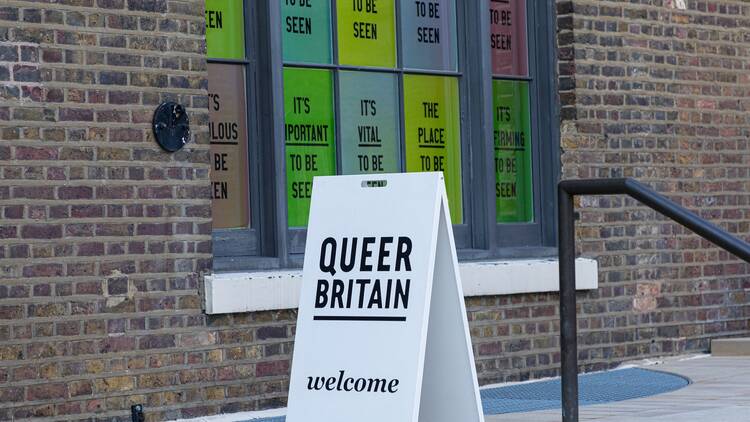
    • Queer Britain: The UK’s first national LGBTQ+ museum, Queer Britain, located in King’s Cross, celebrates the stories, people, and places that have shaped the queer community.
  • Bishopsgate Institute: Home to the UK’s most comprehensive LGBTQ+ archives, this institute hosts regular exhibitions and talks on queer history.
  • The British Museum: Discover artifacts and stories that illuminate the lives of LGBTQ+ people throughout history. Join their LGBTQ+ tours for a unique perspective. The British museum has a number of Pride events this year, be sure to check them out.

3. Engage with Local LGBTQ+ Organisations

Connecting with local organizations can enrich your experience and provide support networks:

  • Stonewall: A prominent LGBTQ+ rights charity, Stonewall offers volunteer opportunities and campaigns that you can get involved in.

4. Attend Queer Performances and Events

Theatre, performance art and queer safe spaces play a crucial role in LGBTQ+ culture. London offers numerous queer-themed activities:

  • The Common Press: Located in Bethnal Green, The Common Press is a community-oriented space that hosts a variety of events including queer readings, performances, and workshops. It’s a fantastic venue for experiencing grassroots LGBTQ+ culture and arts.
  • The Royal Vauxhall Tavern: A historic venue for drag performances, comedy nights and cabaret shows fostering a lively and inclusive atmosphere.

5. Explore Queer Literature and Bookshops

Literature offers profound insights into the queer experience. Check out these local literary spots:

  • Gay’s the Word: The oldest LGBTQ+ bookstore in the UK, located in Bloomsbury, offers a wide range of queer literature, including fiction, non-fiction, and academic texts.
  • Foyles Bookshop: Located on Charing Cross Road, this iconic bookstore often hosts events featuring LGBTQ+ authors and poets.

6. Participate in Academic Discussions and Workshops

Birkbeck itself hosts various seminars, workshops, and discussions on gender and sexuality:

7. Enjoy Queer Social Spaces and Nightlife

London’s nightlife is diverse and welcoming:

  • Heaven: One of London’s most famous gay clubs, offering vibrant nightlife experiences with themed nights and renowned DJs.
  • Ku Bar: Also in Soho, Ku Bar is known for its friendly atmosphere and fantastic cocktails.

8. Explore Queer Friendly Cafes and Restaurants

Soho, in particular, is brimming with LGBTQ+ friendly eateries:

  • Circa Soho: A stylish gay bar offering great drinks and a lively dance floor.

9. Support Queer Businesses and Initiatives

Supporting local queer-owned businesses and initiatives helps strengthen the community:

  • Pride Pop-Ups: During Pride Month, various pop-up shops and markets feature queer entrepreneurs showcasing their products.

Final Thoughts

As a student at Birkbeck, University of London, you are part of a vibrant, diverse, and inclusive community. Engaging with the activities and events listed above will not only enhance your understanding of LGBTQ+ issues but also help you forge lasting connections. Embrace the spirit of Pride, celebrate diversity, and continue to advocate for equality and intersectionality in all aspects of life.

More information: 

How to prepare for a Chevening Scholarship interview

In this blog current Birkbeck Chevening scholars, Ahmed Alaa Yaqoob Maki, MSc Entrepreneurship student from Iraq and MSc Business Innovation students Aslan Saputra from Indonesia and Ramata N’Diaye from Mali, tell us how they tackled the Chevening interviews and give advice to this year’s applicants.

How did you prepare for your Chevening interview?

Ahmed Alaa Yaqoob Maki:

Ahmed Alaa Yaqoob Maki

First of all, congratulations on reaching this stage! To get started, go back to your application and focus on your essays and the key points you highlighted. Be ready to discuss any part of your application in detail, including your career goals, leadership experiences, and how you plan to use the Chevening scholarship to contribute to your home country. Furthermore, prepare to demonstrate your skills in leadership and networking through real examples from your past experiences. Most importantly, be knowledgeable about current events and issues in your country, the UK, and globally, especially those related to your field of study or professional sector.

In addition, you can find lots of mock interview opportunities. Practice with mock interviews to simulate the interview environment. This can help you become more comfortable with speaking about your experiences and achievements confidently. Feedback from these sessions can be invaluable.

Ramata N’Diaye:

Ramata N’Diaye

To prepare for my Chevening interview, I embraced a thorough approach centered around self-reflection, research on the Chevening scholarship, and diligent queries on my Top 3 universities. I immersed myself in understanding the Chevening Scholarship’s core objectives, values, and the attributes they seek in scholars. This foundational knowledge was crucial for tailoring my responses to align with Chevening’s mission.

I then reflected on my personal, academic, and professional experiences, identifying clear examples that demonstrated my leadership qualities, networking abilities, and commitment to positive change.

Recognizing the importance of staying informed, I kept abreast of current global and regional issues, particularly those relevant to my field of interest and my home country. Practicing mock interviews was also a pivotal part of my preparation, allowing me to refine my answers, improve my delivery, and build confidence.

Aslan Saputra:

Aslan Saputra

In my country, several people who had been shortlisted for Chevening formed small groups to be able to practice together and share the latest information about the Chevening application.

When I entered the shortlisted stage, I knew the story I brought to the application attracted the hearts of the Chevening committee, so my task during the interview was to retell it more enthusiastically and in more detail so that my charisma became stronger and more promising.

What advice would you give to this year’s shortlisted candidate on how to ace their interview?

Ramata N’Diaye:

For this year’s shortlisted candidates, my advice is to deeply understand what Chevening stands for and thoughtfully reflect on your journey and aspirations. Articulate your vision clearly, demonstrate how you embody the Chevening values, and be prepared to engage in discussions on current affairs with insight and poise. Remember, authenticity and preparedness are key to acing the Chevening interview.

Aslan Saputra:

My advice is to not bring new stories to the interview. Just elaborate on the essay that you wrote previously, and show your unique and strong character. Don’t be too stiff, and learn how to tell stories that are interesting and fun.

Ahmed Alaa Yaqoob Maki:

When answering questions, consider using the STAR technique (Situation, Task, Action, Result) to structure your responses. This method helps you deliver comprehensive and compelling answers.

Further information


Meet the Chevening Scholar: Michail Le Roux, from South Africa

An esteemed attorney of the High Court of South Africa, Michail Le Roux joined Birkbeck to study LLM Law and New Technologies to help with his 10-year career plan. Here we get to know more about his background, his experience as a Chevening Scholar and Birkbeck student, and his hopes for the future 

A path that led to Birkbeck 

I’m proud to be an attorney at the High Court of South Africa. I’ve dedicated over seven years of my life to the captivating world of Blockchain & Digital Assets, and it’s been quite a journey, advising on numerous complex cross-border transactions that involve cutting-edge technologies, all in largely unregulated markets. My driving force? An unwavering commitment to professional growth. 

Some time ago, I came up with a ten-year plan, leading me to pursue the prestigious LLM Law and New Technologies master’s course at Birkbeck. I carefully chose this course because it perfectly complements my existing expertise and awards me a formal qualification, making me even more equipped to provide exceptional legal counsel to clients across various domains. 


A course that stands out 

What truly distinguishes this Master’s program is its deliberate focus on empowering legal professionals like me, who are actively navigating the challenges of unregulated markets while having a profound understanding of the legal frameworks shaping the future. I’m a staunch advocate for fellow tech-driven professionals from the Fourth Industrial Revolution to seize this transformative course and enrich their knowledge. 

Now that I’ve successfully completed the program, I’ve got ambitious plans to spearhead two Blockchain projects in the Sub-Saharan African region. The future is looking bright! 

The Chevening Experience 

The Chevening experience is truly unparalleled. Undoubtedly, it stands as the most competitive international scholarship award; honouring professionals amidst the 65,000 applicants and yielding a 3% success rate. It also offers those granted scholarship the opportunity to meet future world leaders and nurture an invaluable network, irrespective of your industry. 

Although I was selected on my first application, I would strongly advise prospective applicants to persevere and apply as many times as necessary. The application process demands rigor, requiring prior work and high achievements to stand out. Nevertheless, this journey embodies the essence of a future leader, and the sacrifices made will undoubtedly reap rewarding outcomes. 

Another thing I came to realise is that the key to an exceptional Chevening experience lies in actively taking part in all network events. Seize every opportunity to connect with as many individuals as possible and share your aspirations. These connections will pave the way for future collaborations with colleagues, investors, partners, and officials. My highlight was immersing myself in all the opportunities that being a Chevening scholar offered in the vibrant heart of London. It’s an experience I cherish deeply.  

My Birkbeck Experience 

The exceptional quality of the lecturers truly set my experience apart. Throughout my Master’s course, I had the privilege of learning from thought leaders who held esteemed positions within the industry. It was an inspiring journey of intellectual growth. 

For anyone contemplating an application to Birkbeck, here’s my advice: ensure a deep understanding of why your chosen course aligns perfectly with your goals. In other words, be intentional and highly selective when making your course choice. It’ll greatly enhance your overall learning journey. 

In conclusion, it’s been a remarkable adventure, and I eagerly anticipate the chapters yet to be written in my future endeavors! 

FURTHER INFORMATION 


Meet the Chevening Scholar: Awa Toure, from Mali

The first female from Mali to be granted a Chevening scholarship, Awa Toure joined Birkbeck to study MSc Management with International Business and Development as the sole recipient for the 2022 Chevening scholarship intake from her home country. Here we get to know more about her background, her hopes for the future, and her experiences of both Chevening and Birkbeck. 

An enriching path to Birkbeck 

At the age of 15 I left Mali to pursue my studies in Canada. In Montreal, known for its diverse population, I had the opportunity to attend the prestigious high school, College Jean de Brebeuf, and obtain a Bachelor’s degree in International Business from the Écoles des sciences de la Gestion from the University of Quebec. Living in such an international environment allowed me to interact with people from many backgrounds, broadened my horizons, fostered acceptance of different perspectives, and deepened my understanding of diverse cultures. Additionally, during my undergraduate years, I participated in the ERASMUS university exchange program in Madrid, Spain where I attended the Colegio Universitario de Estudios Financieros. Wanting to continue my path of enriching education, I decided to study MSc Management with International Business and Development at Birkbeck, to enhance my technical expertise and nurture my global network at a prestigious institution.  

With great aspirations also come great responsibilities  

I recognize that vicious cycles of internal and external systemic shocks can perpetuate poverty and hunger in a nation. I also recognize that this can be made worse by inadequate government systems and firmly believe that valuable and sustainable development solutions lie in the collaborative efforts of individuals, communities, and markets. So, yes, I aspire to become a powerful international businesswoman, but I also want to serve as a role model and make a positive impact in Mali’s journey towards economic independence and self-sustainability.  

When adaptability is a superpower 

I believe the role I play as a young female in bringing positive change to Mali, must be equally multifaceted as the challenges facing my nation. Understanding the complex and inter-sectoral challenges facing my home country and wanting to serve as well as do well for myself, I have become something of a polymath. My academic and professional experiences have married the disciplines of international business with social enterprise, communications, storytelling, gender rights development, digital access, and transformative justice. What matters most to me is understanding and platforming the trajectories of Malian economy, the stories of its communities, its women and girls, the able-bodied and ability impaired, the rural and urban, the old and young. When public systems fail, we must ask: how have they coped up until now? What do they need to survive and thrive? And how can we support communities in developing and maintaining their livelihoods outside of weak public structures?  

The role of Chevening in my aspirations 

Before applying to Chevening I was unaware of its existence.  During a heartfelt conversation with a friend, who coincidentally happens to be a former Chevening alumnus, we embarked on a discussion regarding the development trajectory of Mali. It was within this enriching exchange that my friend enlightened me about the Chevening program, expressing her conviction that it would be an impeccable match for my aspirations. And now, I find myself standing proudly as a member of this amazing community, to which I am eternally grateful.  

For anyone thinking about studying at Birkbeck: don’t hesitate!

The level of study and intellectual stimulation at Birkbeck has been truly outstanding, with engaging lectures, thought-provoking discussions, and a supportive learning environment. The faculty members have been highly knowledgeable and passionate, offering valuable insights and guidance at every turn. I enjoy every seminar I attend, and know that the learning outcomes from these will follow me for the rest of my life. If there’s anyone out there thinking of studying at Birkbeck, I would wholeheartedly encourage them to take the leap. Birkbeck also offers a flexible and inclusive learning environment, making it an excellent choice to pursue higher education while managing other commitments. I love the flexibility offered by the university to balance work, personal life, and academic pursuits and I am sure you will too. Do not hesitate! 

FURTHER INFORMATION 


Wonder inside and outside the classroom: an international student’s first month in London

Emi Nguyen came to the UK from Vietnam to study a Master’s in Culinary Innovation Management at Birkbeck. Here she talks about her discoveries during her first month in the capital 

The beginning of something new
It’s my fourth week living and studying in London and sometimes it still feels a bit surreal. I have visited London dozens of times before but it’s completely different to live here and be a part of the innovative current flowing through this multicultural city. I’m truly grateful for choosing this journey, especially when I have supportive staff and friends at Birkbeck going through this with me. 

A welcoming orientation
I must be honest, though I have been regularly travelling abroad from my home country of Vietnam since the age of 16, this time I felt quite anxious leaving my nest. A million questions popped up in my head during the twelve hour flight. Will I fit in? What’s it like being a student in the UK? Is being a Master’s student different to being an undergraduate student? But all of those worries were eased on the orientation day. Yes: orientation is important! I got to meet all my course mates who share a passion for culinary innovation with me. The staff at Birkbeck were dedicated, kind and helpful throughout the orientation and since then too. Before orientation I didn’t know how best to construct an academic paragraph, or how to make the most of the library. The whole event was not just useful, but also heartwarming and reassuring; Birkbeck gave us the kindest welcome. 

When learning feels magical
What’s better than a warm welcome? Two warm welcomes! As a Master’s student in Culinary Management, I have contact with both Birkbeck academics and teachers from Le Cordon Bleu. If Birkbeck staff support me to aim for and achieve a high academic standard, the chefs and lecturers at Le Cordon Bleu open the door for me to explore the colourful culinary world. It feels like a dream come true to explore my passion for food in this way. Walking into Le Cordon Bleu for the first time, I felt like a child visiting Disneyland. Everything is so dynamic, lively and full of wonders, and my lessons continue to feel this way. What a magical place! 

The surprises of the capital
I knew that London offered a lot to do outside of classes. For an art enthusiast like me, there are plenty of artistic activities and exhibitions to dive into outside of my studies. I had the opportunity to look at Cezanne’s paintings at Tate Modern and it was an extremely emotional experience for me. All that I have watched and learned from books about this legendary artist and his work… was suddenly there in front of me! And I was looking at his brush strokes and vivid colours in a crowded room, with others also sharing the experience! What a time to be in London.  

Final words for the first month
Change can be scary. Moving to a new city, starting a new course, and following your passion are not always easy things to do. But learning to embrace fear and diving in can lead to a world of wonders. 

More Information: