Each year the Foreign, Commonwealth and Development Office offers prestigious Chevening Scholarships to talented individuals from around the world, giving them the chance to study one year fully funded master’s degrees at UK universities. For the academic year 2025/26 Birkbeck welcomed 23 Chevening scholars hailing from all corners of the world. Here, some of the scholars share their academic and professional backgrounds, why they applied for a Chevening Scholarship, their long-term plans and why they chose to study at Birkbeck.
Baueri Irata from Tuvalu, studying LLM Law with Human Rights
Talofa and hello to everyone, I’m Baueri, aged 29 years old from the beautiful islands of Tuvalu, in the Pacific.
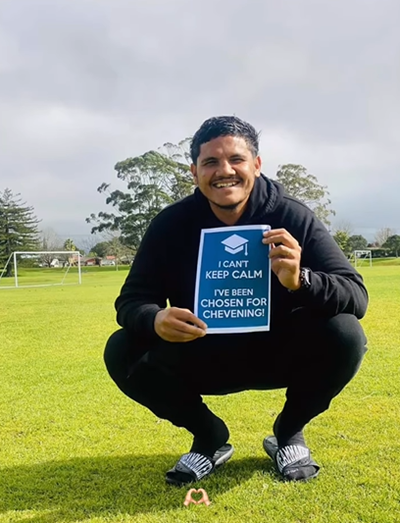
I hold a Bachelor of Law (2021) and a Postgraduate Diploma in Legal Practice (2022) from the University of the South Pacific. My academic training provided me with a strong foundation in legal principles, critical thinking, and analytical reasoning, enabling me to address complex legal and policy issues effectively. Since graduating, I have been employed as an Assistant People’s Lawyer (Public Defender) in Tuvalu for over three years, representing individuals who cannot afford private legal counsel. In this role, I have developed strong advocacy, negotiation, and problem-solving skills while contributing to the protection of citizens’ rights and promoting access to justice. This experience has deepened my commitment to strengthening the legal system and advancing social equity in my community.
I applied for the Chevening Scholarship because I am passionate about enhancing my expertise and leadership capacity to create meaningful change in Tuvalu. Chevening’s emphasis on nurturing global leaders aligns perfectly with my goals. Through this scholarship, I aim to engage with an international network of professionals, exchange ideas, and acquire advanced knowledge and skills that will allow me to address critical legal and governance challenges in my country. By combining academic rigour with practical experience, I aspire to contribute to the development of policies and initiatives that promote justice, accountability, and the rule of law.
I chose Birkbeck because of its strong reputation for academic excellence and its focus on flexible, research-driven learning. The LLM program integrates theoretical frameworks with practical application, equipping me with tools directly relevant to my professional goals. I’m particularly drawn to Birkbeck’s evening classes, which suit my personal circumstances, as my wife and children currently reside in New Zealand. Attending classes at night allows me to maintain quality daytime contact with my family, ensuring I can balance intensive study with personal responsibilities. This flexibility makes Birkbeck uniquely suited to my professional and personal needs.
Upon completing my studies, I plan to return to Tuvalu and apply the skills and knowledge gained to strengthen legal frameworks, enhance public legal services, and drive policy reforms. My long-term vision is to foster a more equitable, accountable, and sustainable society through impactful legal and governance initiatives.
Bermet Nurgazy Kyzy from Kyrgyzstan, studying MA Digital Media Culture
I’m a PR manager in art and culture and I hold a bachelor’s degree in International Journalism, which I gained from Moscow State University of International Relations (MGIMO).
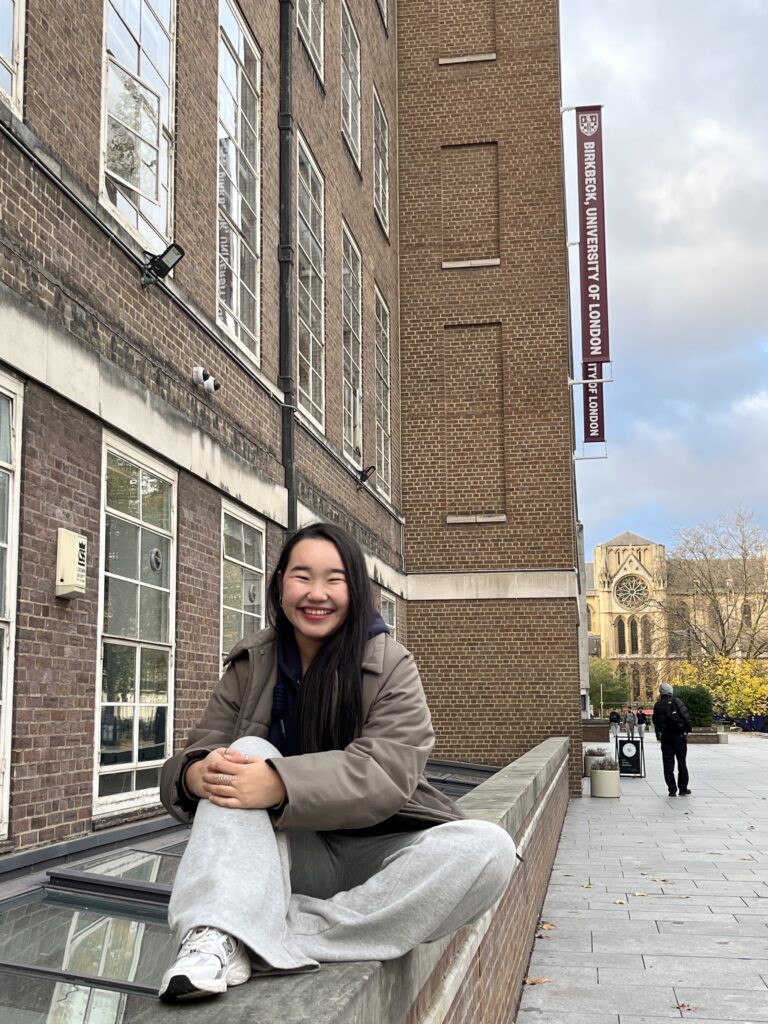
In my professional career, I worked for three years as a Head of Media department and PR manager of Bishkek International Film Festival. I also worked as a communication expert for the National Museum of Fine Arts named after Gapar Aitiev in Bishkek.
I have a lot of social projects under my belt: I worked as a communications expert on gender equality and inclusion in UNDP, conducted trainings on social content creation in the regions of Kyrgyzstan, worked as a mentor for high school students, and was a media team leader in a project on ASD.
I applied for Chevening to get closer to my main goal – to create media in Central Asia about the modern culture and art of these countries. I believe that our region has unique talents that the world has yet to discover. I chose Birkbeck thanks to its unique practice-oriented programme.
Carolina Aita from Brazil, studying MA Psychosocial Studies
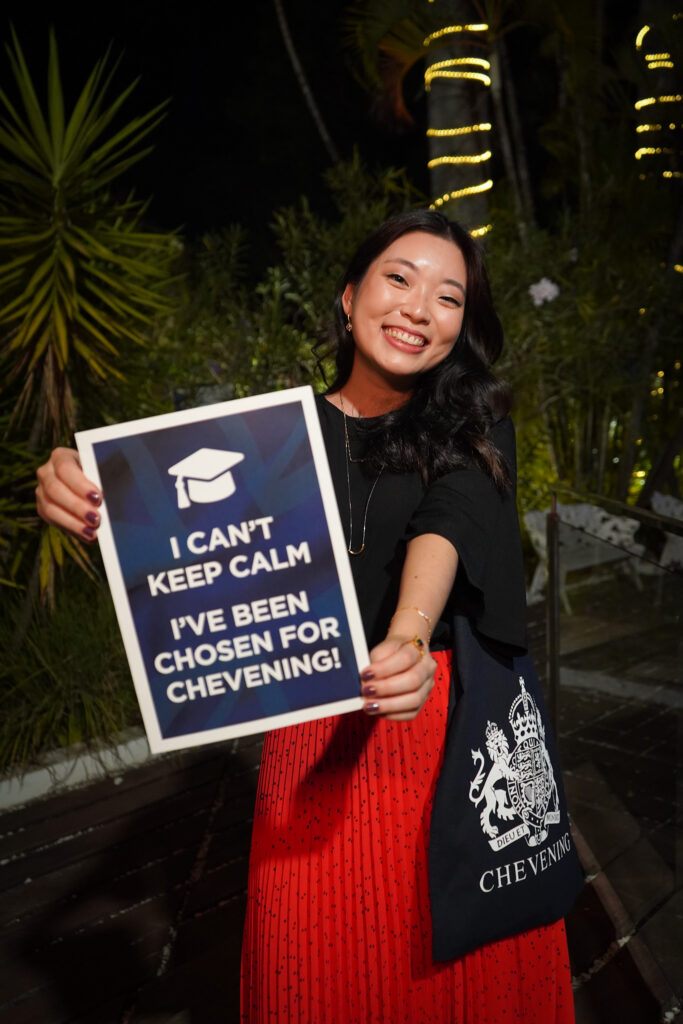
I hold a bachelor’s degree in Psychology from Mackenzie Presbyterian University (São Paulo, Brazil) and have research experience on free psychoanalytic clinics for homeless people in the city of São Paulo. I also have four years of professional experience in the corporate sector, working within Human Resources.
My research interests focus on free psychological clinics, access to mental health treatment, and psychosocial interventions in contexts of social vulnerability.
Birkbeck is the pioneer in an interdisciplinary approach that intertwines psychology, culture and sociology, and is at the forefront of research on Psychosocial Studies. By pursuing the MA at Birkbeck, I aspire to improve mental health treatment accessibility in Brazil, my home country.
I strongly believe in the transformative role of education to inspire future professionals and drive positive change. For this reason, my long-term goal is to become a Psychology university professor, expanding my social and community impact by educating future professionals, encouraging critical thinking, and fostering interdisciplinary dialogue on pressing contemporary issues—such as mental health treatment accessibility, psychosocial well-being, and social inequality in Brazil.
Emmanuel Tumsifu from Congo, studying MSc Sustainable Cities
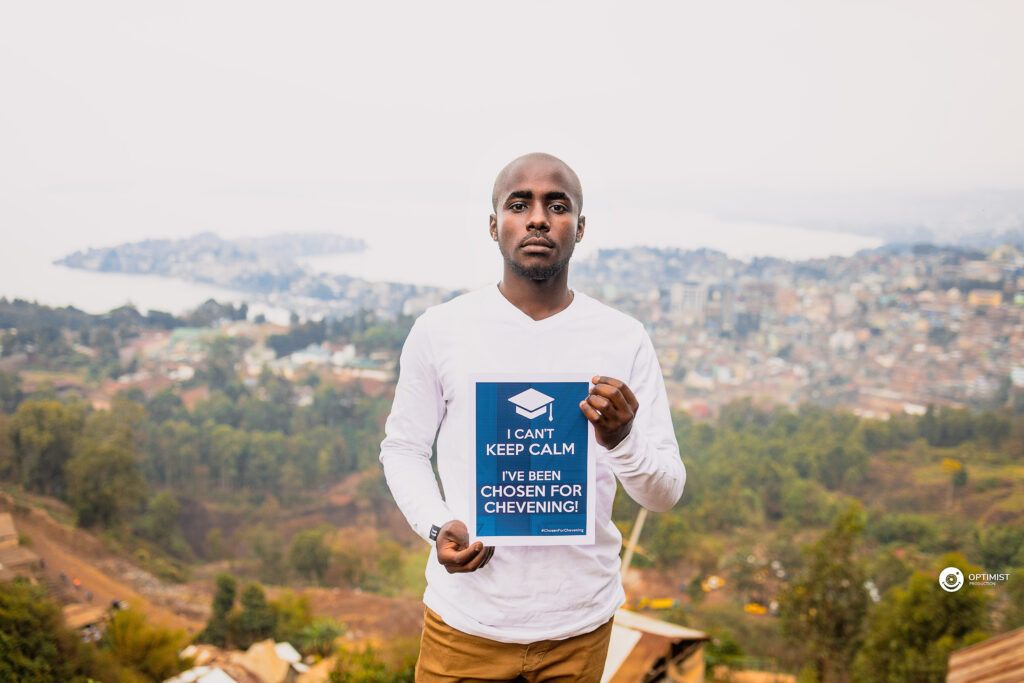
I hold a Bachelor’s degree in Architecture from the Catholic University of Bukavu in the Democratic Republic of Congo. I subsequently worked as an Architectural Technician at STRACCO, a construction company that delivers vital social infrastructure projects such as schools and hospitals, etc. across the Kivu region. My role was centered on collaborating with communities to build sustainable and resilient living spaces.
Driven by this commitment to community-centered design, I founded the Urban SustaiNOW Initiative. This non-profit organization collaborates with all layers of the community to collectively shape safer, more sustainable cities. Our mission is to mitigate urban disasters such as floods, devastating house fires, and landslides which currently claim and threaten lives in Bukavu. We focus particularly on protecting vulnerable groups, including those displaced by conflict around mining zones and forced to settle in precarious urban conditions.
Chevening represents far more than a scholarship; it is an opportunity to join a global network of leaders committed to creating positive change. Beyond funding my studies in the UK, it connects me with like-minded individuals from around the world. The friendships and professional collaborations forged through this platform provide a vital system of mutual support to achieve our shared ambitions.
My long-term career plan is to work at the forefront of urban sustainability in Africa. The continent’s rapid urbanization is creating significant challenges, including growing social inequalities and environmental risks that must be addressed to ensure a prosperous future. Upon completing my degree, I intend to establish a sustainability agency that will enable me to work directly with communities and local governments to develop effective, on-the-ground solutions.
I have chosen Birkbeck because its unique curriculum allows me to gain professional experience concurrently with my studies. This is essential for maximizing the value of my one-year program. Furthermore, studying in London itself provides an unparalleled opportunity to observe how a world-class city tackles sustainability. I am eager to learn from the strategies, actions, and policies that the government and citizens are implementing to transform London into a model of urban sustainability.
Fabiola Leon from El Salvador, studying MSc Public Policy and Management
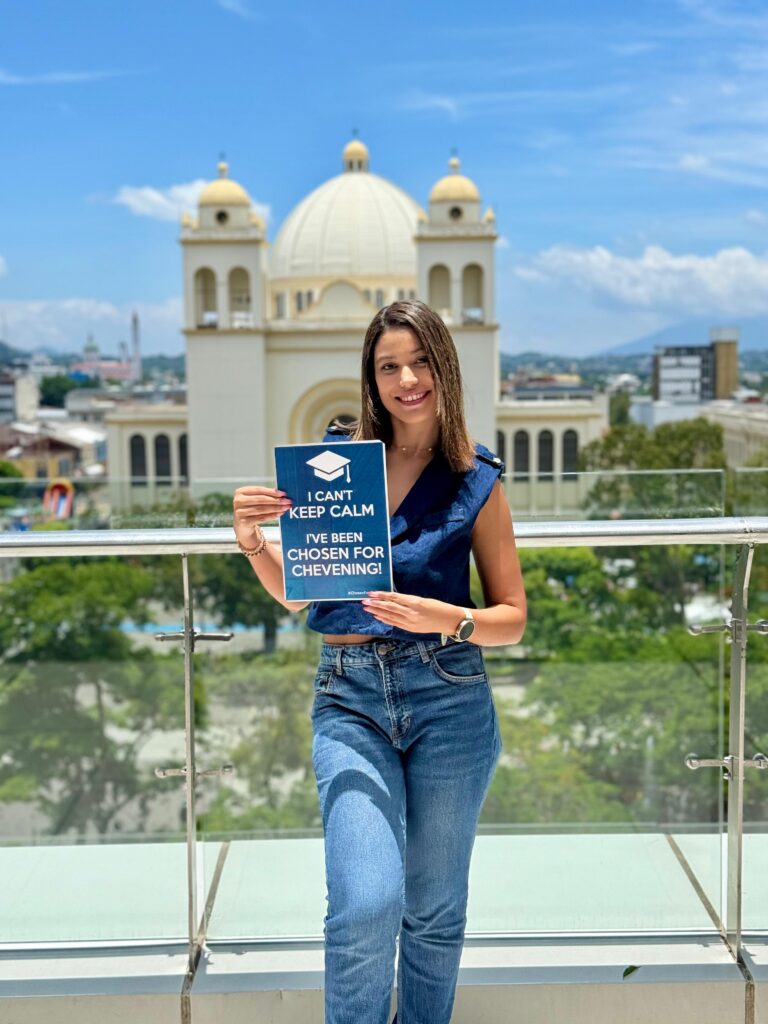
I’m a Salvadoran government and public affairs manager driven by the belief that technology and public policy can create opportunities for people who are too often left behind. I studied International Politics at Beijing Language and Culture University, an experience that shaped my global perspective and allowed me to grow personally and professionally. I also speak three languages—Spanish, English, and Chinese—which has helped me work across cultures and understand how different societies approach governance and innovation.
Before coming to the UK, I worked as Government & Public Affairs Manager at Huawei, where I led national initiatives in AI, cloud, digital power, and cybersecurity. I also supported programmes like Seeds for the Future and Women4Tech, helping young people and women gain digital skills. These experiences showed me the power of technology and the crucial role of people-centred public policies in ensuring that innovation benefits everyone.
I applied to Chevening because I believe leaders have a responsibility to make technology more inclusive, ethical, and accessible. My long-term goal is to help shape digital policies in Latin America that protect citizens, expand opportunities, and guide responsible innovation. Chevening offers the knowledge, network, and global environment needed to pursue that mission.
I chose Birkbeck for its strong reputation in public policy and its unique evening model, which has allowed me to study while engaging with London’s dynamic tech and policy ecosystem. Being part of such a diverse community and representing it as a Birkbeck Student Ambassador has already been an incredibly rewarding experience.
After Chevening, my goal is to keep working at the intersection of technology, government, and public policy, helping build digital frameworks that turn innovation into real opportunities for all—especially in El Salvador and across Latin America.
Maria Fraser from Guyana, studying MSc International Relations
My academic journey began in China, where I completed my first master’s degree, an MSc in Marine Sciences at Zhejiang University China. That experience shaped my scientific foundation, strengthened my research skills, and broadened my global perspective on marine ecosystems and environmental management.
Professionally, I am a marine biologist working with the Ministry of Natural Resources and the Protected Areas Commission in Guyana. Over the years, my work has included marine conservation, sea turtle protection, microplastic contamination research, environmental education, and coordinating national youth programmes focused on natural resources and sustainable development. I have been involved in developing conservation initiatives, supporting community-based environmental stewardship, and contributing to policy-relevant research on coastal and offshore ecosystems. These experiences have shown me how deeply environmental challenges are connected to governance, diplomacy, and international cooperation.
I applied for the Chevening Scholarship to bridge the gap between marine science and global policymaking. As Guyana expands its role in regional and international environmental dialogue—particularly around climate resilience, offshore resource management, and conservation—there is a growing need for professionals who can translate scientific evidence into informed policy. Chevening offers the platform, networks, and leadership development necessary for me to grow into that role. After completing my degree, I plan to return to Guyana to contribute more strategically to ocean governance, marine spatial planning, environmental diplomacy, and the strengthening of protected area management.
I chose Birkbeck because of its strong interdisciplinary approach and its location in one of the world’s most influential policy hubs. The programme’s focus on global politics and security provides the analytical tools I need to understand how international systems shape environmental outcomes. Its evening teaching also allows me to balance academic study with ongoing research, writing, and professional engagement. Being at Birkbeck places me within reach of important global institutions, experts, and networks. It is an ideal environment to strengthen my voice as a marine scientist entering international relations.
Nada Mahdi Mohammed from Iraq, studying MSc Marketing Analytics
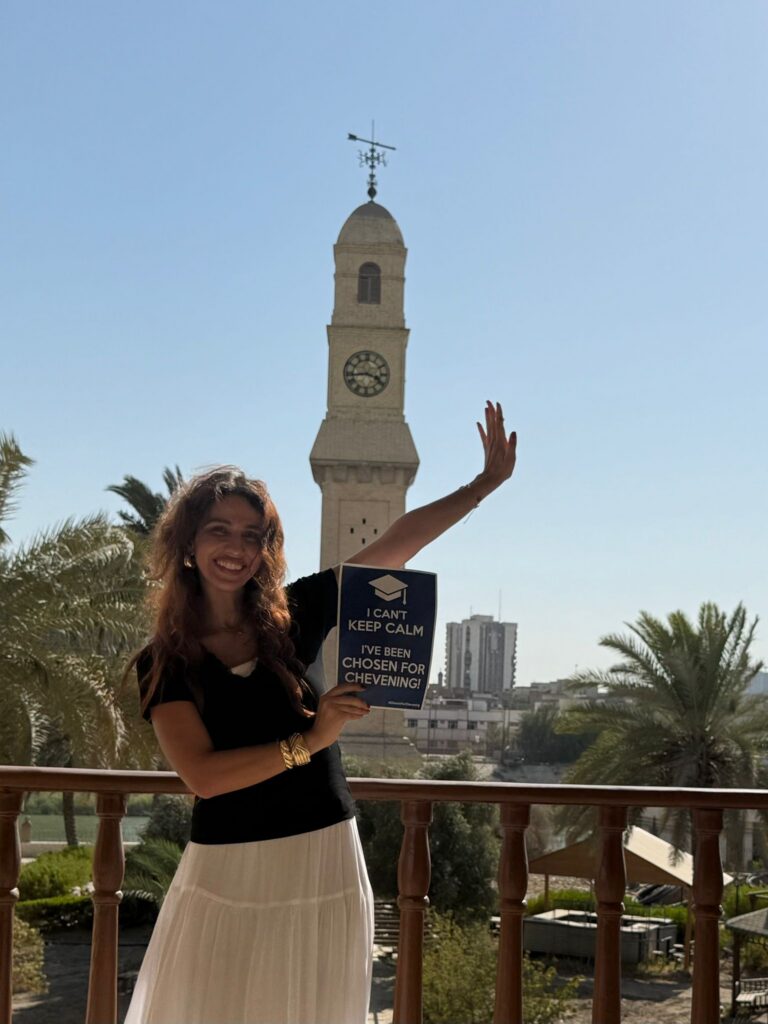
I hold a Master’s degree in Computer Engineering from Bahçeşehir University in Turkey, where my research focused on advanced machine learning methods. I also have a background in Computer Science and a fellowship in Entrepreneurship from the United Nations Institute for Training and Research (UNITAR). Professionally, I have built a career at the intersection of influencer marketing, data analytics, and digital strategy, working with major e-commerce and technology platforms to design data-driven growth campaigns and community engagement initiatives.
I applied for Chevening because it represents far more than a scholarship—it is a platform for leadership, impact, and global collaboration. Growing up during periods of conflict, access to international education felt out of reach, yet it shaped my belief in resilience and in the transformative power of learning. Chevening allows me to deepen my expertise in data-driven marketing while joining a diverse network of changemakers who are committed to building better futures for their countries. My long-term plan after Chevening is to return to Iraq and contribute to the digital transformation of the marketing and tech sectors. A core part of my vision is to increase the participation of women in digital marketing and data analytics, and I aim to establish a Chevening women-in-data community, offering workshops, mentorship, and capacity-building programmes.
I chose Birkbeck because of its strong reputation for combining academic excellence with real-world application. The degree aligns perfectly with my goal of merging strategic marketing insight with advanced analytical skills. Birkbeck’s evening teaching model also creates a vibrant learning environment full of working professionals, which enriches discussions and brings industry perspectives directly into the classroom. Being part of such a diverse and intellectually stimulating community has already strengthened both my academic development and professional outlook.
Oumi Soit Mohamed from Comoros, studying MSc Educational Neuroscience
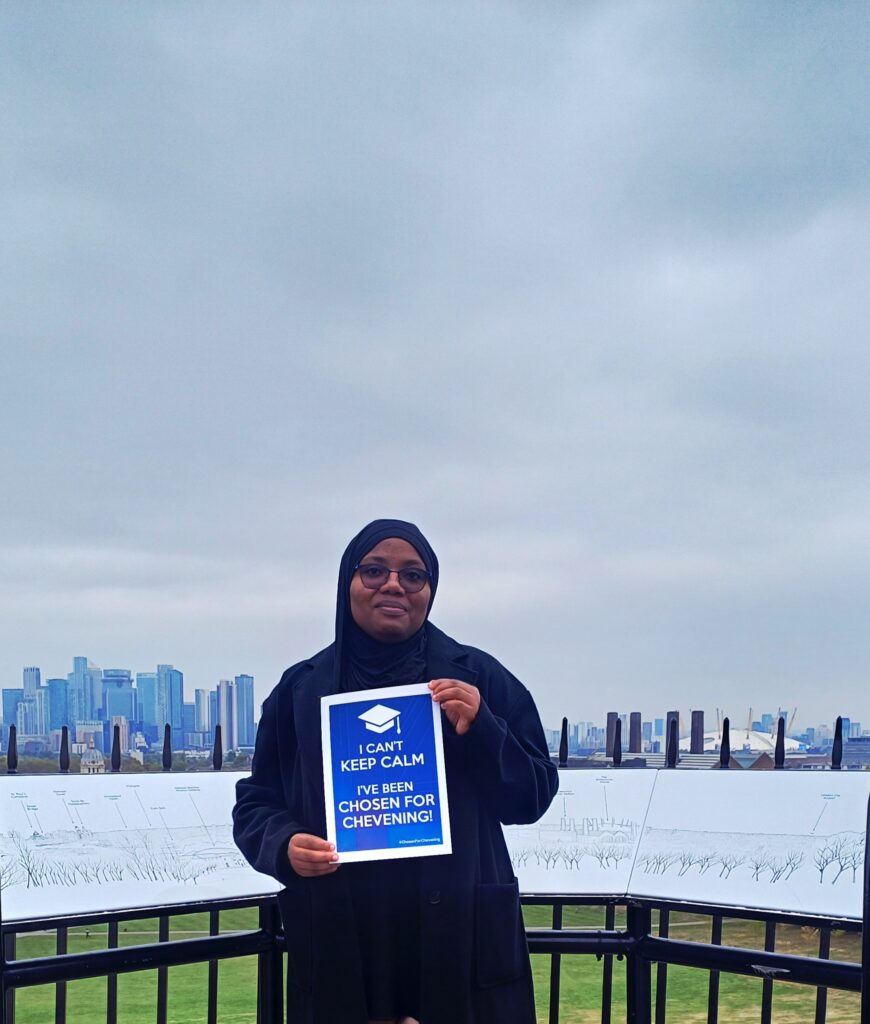
I come from a diverse academic and professional background that combines science, education, and community development. After my bachelor’s degree in life sciences, I completed a master’s degree in biochemistry applied to biodiversity and health.
I began my career four years ago as a biochemistry assistant lecturer at the University of Comoros and a high school biology teacher, then over the years my path evolved as I became more interested to education, learning, and youth educational outcomes. My recent work (2023-2025) has focused on supporting primary school children with learning difficulties, especially in reading, oral expression, and comprehension through reading clubs and speaking workshops.
I applied for Chevening because it represents far more than a scholarship; it is a network of thinkers, changemakers, and future leaders. Chevening offers the ideal platform for me to gain world-class academic training, engage with a global network, and refine my ideas into impactful, scalable initiatives.
My long-term plan after Chevening is to establish a learning and development centre grounded in educational neuroscience. This centre will support students and teachers by providing evidence-based methods for improving learning, addressing psychological and behavioural challenges, and integrating mental-health-informed approaches. Ultimately, I hope to contribute to national education reforms.
I chose Birkbeck because of its strong reputation for research-driven education, particularly in the field of neuroscience. Birkbeck attracts a diverse, mature, and globally minded student body, which enriches discussions and creates a stimulating intellectual environment. The programme aligns perfectly with my vision of understanding how cognition, environment, and socio-economic factors influence learning, especially in developing countries.
Rania Achouche from Algeria, studying MA Digital Media Culture
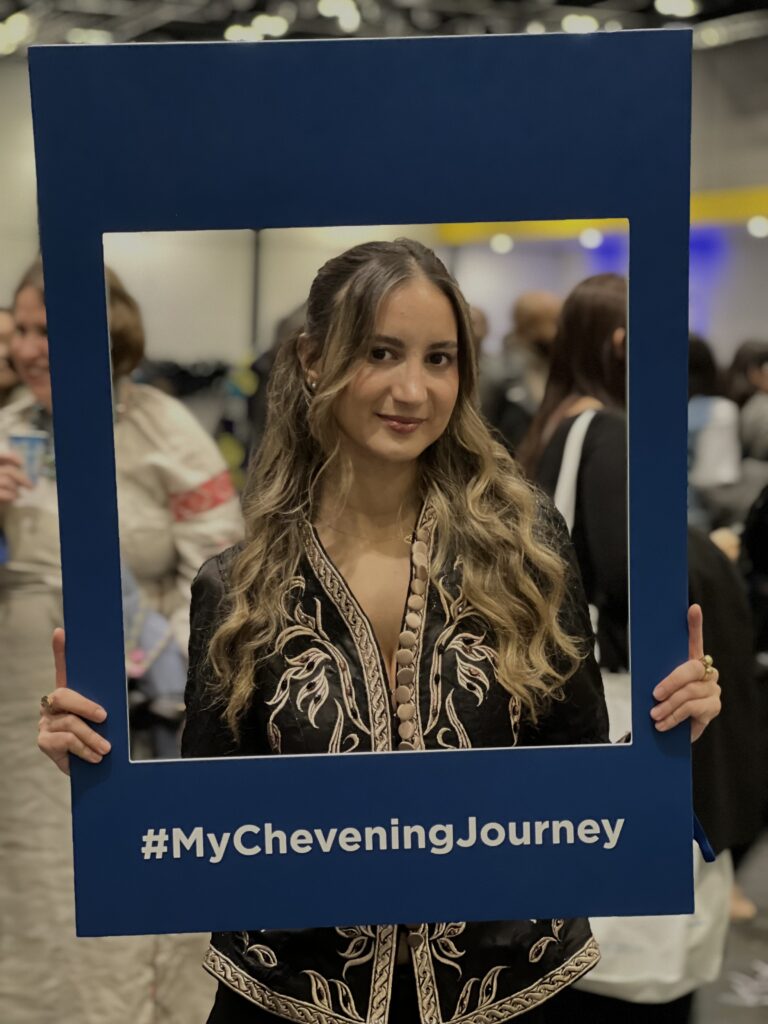
I’m a digital media creator, a Cambridge-certified language educator, and founder of Lingua Franka. My background weaves between education, media, and entrepreneurship, all driven by a deep interest in how language and advocacy shape social change.
In 2019, I was a digital journalist during the Algerian protest movement, covering it for international media. That experience sharpened my understanding of how narratives are constructed — and who gets to tell them. Since then, I’ve hosted a podcast with a decolonial spirit, built online communities, and created content interrogating the socio-economic realities of the Global South.
Algeria is a rapidly evolving country undergoing deep economic, social, and political transformation. With language education and digital literacy now declared national priorities, I founded Lingua Franka to help Algerian professionals build global fluency and leadership voices — without compromising our anti-colonial identity.
I applied for Chevening because I had reached a point in my journey where I needed the time, space, and academic grounding to sharpen, scale, and sustain the work I had already begun. I don’t just want to grow as a professional — I want to contribute to shifting the narrative around language, identity, and knowledge production in our region, where these conversations are both urgent and underdeveloped.
I chose Birkbeck because, like Lingua Franka, it’s disruptive in the best way — rebellious, inclusive, and human-centred, while still part of the prestigious University of London network. Its evening structure allows me to balance my studies with ongoing projects, and its commitment to critical thinking makes it the perfect space to deepen both my academic and professional vision.
Sekulu Nyekha from India, studying MSc Social Research
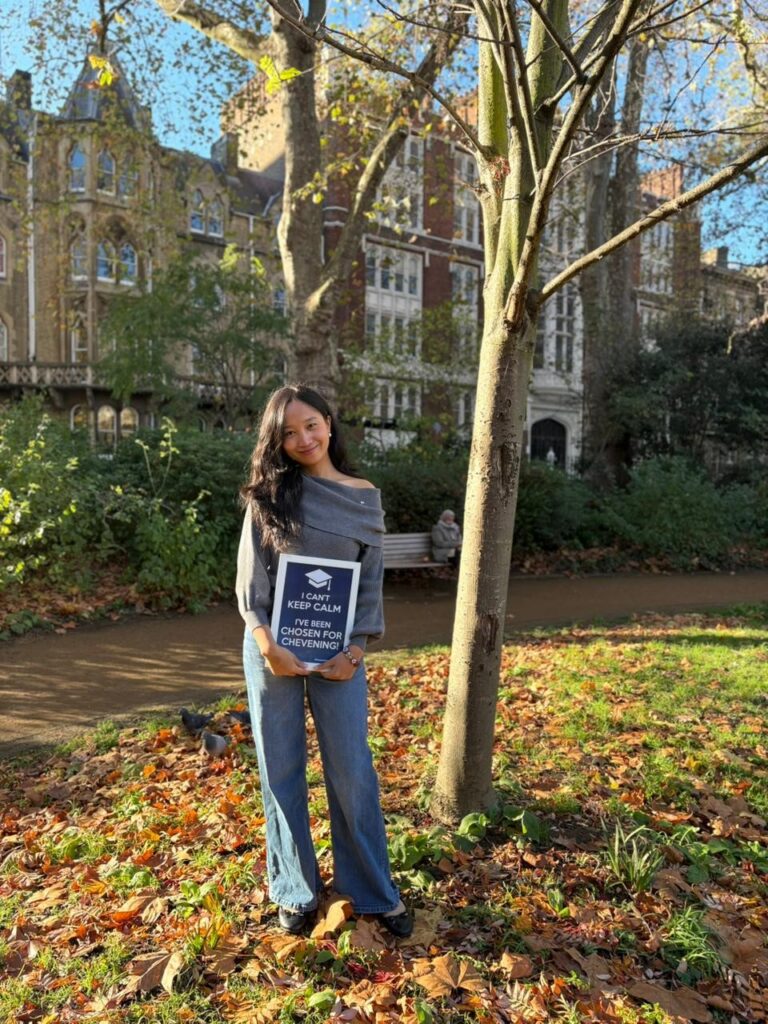
Growing up in Nagaland (India) among the hills of Kohima, I was always inspired by the stories I grew up with, and the ways through which our traditions and indigenous identity were passed down. This inspiration was nurtured further when I moved to the metropolitan city of Bangalore to pursue my undergrad, as it made me even more aware of my unique identity and important narrative. I pursued my undergrad in Visual Communication and Performing Arts with Psychology, which gave me the tools to investigate and communicate the social issues around me and explore the lived experiences of diverse communities. After my graduation, I worked towards Sexual and Reproductive Health and Rights and youth leadership as a consultant, primarily on storytelling, project management and research for over 5 years.
Getting accepted as a Chevening Scholar is a full-circle moment for me to reflect on my journey thus far, and access the privilege of being part of a strong global community of leaders. Having led my own initiatives, including Feminist Futures India, through which I work with young people and women from indigenous communities to address issues of bodily illiteracy, being a Chevening Scholar means the opportunity to deliberate on how to sustain our work as young leaders too.
My ambition is to work at the intersection of storytelling and research to build human centred solutions towards youth development in India and the region at large. While reading up on a series of courses and colleges in the UK, the MSc Social Research program at Birkbeck made the most sense to my professional experience and what I intend to learn. Birkbeck’s diverse community and inclusive educational system mean I get varied perspectives and networks in my classroom, while also having an active support that caters to my needs as someone who is going back to school after more than 5 years. I was also driven by the university’s rich history of revolutionising education for the working class and women. As someone whose community is largely identified as a marginalised group, I believe being a Birkbeck and a Chevening scholar will enable me to move beyond a marginalised sense of identity, to someone who is simply passionate about tipping the scale of social issues, and seeking to ask the right questions.
Suleiman Jama from Somalia, studying MSc International Security and Global Governance
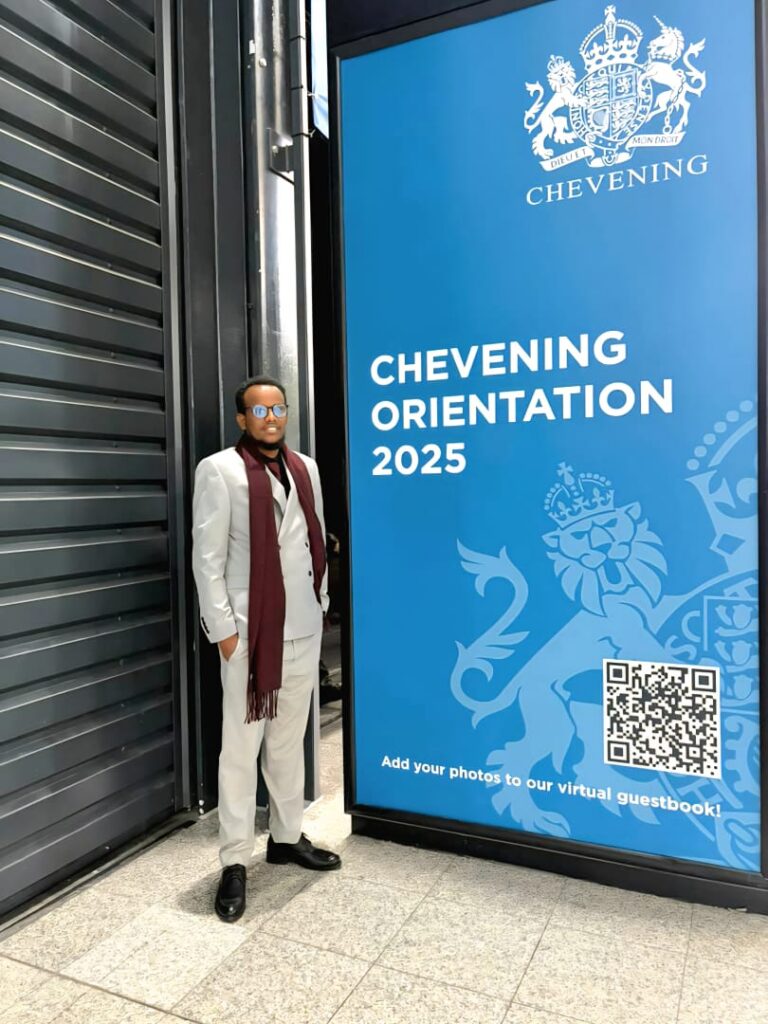
Academically, I began my journey at the University of Burao, where I completed my Bachelor’s degree in Economics. Even before graduating, I was already working with humanitarian organizations in my hometown. These early experiences introduced me to protection, humanitarian disarmament, and peacebuilding, and they sparked a genuine interest in understanding how communities cope with crisis and how development can support long term stability.
Inspired by this work, I pursued a Master’s degree in International Law and Diplomacy. This helped me build a strong understanding of legal frameworks, diplomacy, and conflict resolution, and it allowed me to connect what I learned in class with the challenges I had seen in the field.
Over the past five years, I have taken on leadership roles with international organizations. As a Programme Officer at Save the Children, I managed projects focused on reducing vulnerability in communities affected by conflict. I later served as a Project Manager with Health Poverty Action, where I led efforts to prevent and respond to gender-based violence. One of the achievements I value most from this period is helping to establish the first GBV response center in Ainabo, which has supported more than four hundred survivors. Most recently, I served as Programme Team Leader with the Danish Refugee Council, overseeing humanitarian disarmament and peacebuilding programs and supporting the development of community centers that promote dialogue and strengthen social cohesion.
I applied for the Chevening Scholarship because it provides a unique opportunity to deepen my knowledge, expand my global networks, and strengthen the leadership skills I need to contribute meaningfully to peace and development. The master’s programme is equipping me with both theoretical and practical tools to understand and address complex security challenges.
After completing my studies, I am committed to returning to Somalia to support conflict resolution and peacebuilding efforts through focused projects with international organizations or UN agencies. In the long term, I hope to serve as a senior consultant for government institutions and as a researcher shaping policy at national and regional levels. I also aim to take on leadership roles within international development organizations, where I can advocate for effective and inclusive policies that respond to the needs of vulnerable communities.
By drawing on the skills, knowledge, and networks gained through Chevening and my studies at Birkbeck, I intend to design and implement programs that strengthen stability, promote social reintegration, and advance governance reforms in communities affected by displacement.
I chose Birkbeck because the programme aligns closely with my long-term career goals. Its interdisciplinary approach, which brings together political, historical, and sociological perspectives, offers the analytical depth needed to understand and respond to complex security and governance challenges. The strong focus on policy development and evidence-based research is particularly valuable, as it will equip me to design practical and effective solutions for fragile contexts like Somalia.
Birkbeck’s reputation for academic excellence, combined with its flexible learning environment, makes it especially suitable for professionals who want to balance rigorous study with real-world application. Through this programme, I aim to deepen my understanding of global security issues while strengthening my ability to contribute to sustainable peace, effective governance, and long-term stability in my country and the wider region.
Vinold Juma from Kenya, studying MSc Analytical Chemistry

My journey in chemistry began with curiosity about the world around me. I wanted to understand how materials change, react, and transform into the products we use every day. Over time, that curiosity became a passion for applying science to real-world challenges, particularly in food security and sustainable production.
Prior to studying at Birkbeck, I worked in quality control and analytical research, gaining hands-on experience with instruments such as spectroscopy and chromatography. These roles taught me the importance of accuracy, methodical thinking, and evidence-based decision-making, and reinforced my desire to use science to create meaningful impact.
Chevening appealed to me because it represents more than academic excellence, it is a network of leaders committed to making positive change. My long-term goal is to advance sustainable feed production in Kenya through research on Black Soldier Fly Larvae and agricultural by-products. I believe that integrating analytical chemistry with innovative, circular approaches can help reduce waste, improve local food systems, and strengthen environmental resilience.
I chose Birkbeck because of its inclusive approach and strong emphasis on practical learning. Studying alongside professionals from diverse backgrounds has enriched my perspective and allowed me to combine theoretical knowledge with applied skills.
Through my MSc and the Chevening network, I hope to grow not only as a scientist but also as a leader who can bridge research, innovation, and practical solutions. I aim to return home equipped to influence industry and policy, contributing to sustainable development and creating opportunities that improve both livelihoods and the environment.
Find out more about:


 Sophie DeFries, Bio-business alumna: I obtained my BSc from St Andrews in Cell/Molecular Biology then went on to receive an MSc from London School of Hygiene and Tropical Medicine in Medical Microbiology. My post-university work experience has been in market research and consulting in the healthcare industry. I began at a market research agency in the oncology business unit solving pharmaceutical client brand strategy needs. Currently, I work for a marketing and sales management consultancy where client projects have a wide scope of therapy areas, drugs, and business objectives.
 Alba Ruzafa Martín, Bio-business student: I studied Biology back home in Madrid and after working in a lab for one year I decided that “lab-life” wasn’t for me. Then I decided that industry would be an interesting path to follow, so I started to look for a master’s and I found Bio-business at Birkbeck. For me, it was the perfect option. Not only because of the modules on offer but also because I needed (and still do need) to work full time.
 Igor Smyriov, Bio-business alumnus: I had been looking for a master’s degree in business with a focus on biotech and life science for more than two years before I found the MSc Bio-business at Birkbeck. It had everything I was looking for: the option to study part-time in the evening, the central London location, and a huge variety of modules to study.
 Romina Durigon, Bio-business student: I was drawn to Bio-business by the desire to gain a deeper knowledge of the biotech and pharma sectors while networking and connecting with some of the most important companies and not-for-profit organisations in the UK.