Tag Archives: antimicrobial resistance

Tackling antimicrobial resistance: how collaboration, co-development, knowledge exchange and shared purpose can help

Professor Sanjib Bhakta reflects on a recent early-career researcher-led workshop hosted by Birkbeck, University of London and UCL, exploring how collaboration, innovation and shared purpose can accelerate progress in tackling antimicrobial resistance in mycobacterial infections.

Antimicrobial resistance (AMR) is one of the defining global health challenges of our time that cannot be solved in isolation. In bringing together researchers, clinicians, and industry partners this week, I was struck by how much progress becomes possible when we create space not just for expertise, but for genuine exchange.

At the Mycobacteria Research Laboratory in the School of Natural Sciences of Birkbeck, University of London, in collaboration with University College London Chemistry, we hosted a dynamic, early-career researcher (ECR)-led capacity-building workshop under the umbrella of the Institute of Structural and Molecular Biology. Held at Birkbeck Central in Bloomsbury, the event brought together an inspiring mix of scientists, clinicians, industry partners, and international collaborators, all united by a common purpose: tackling the growing challenge of AMR in mycobacterial infections.
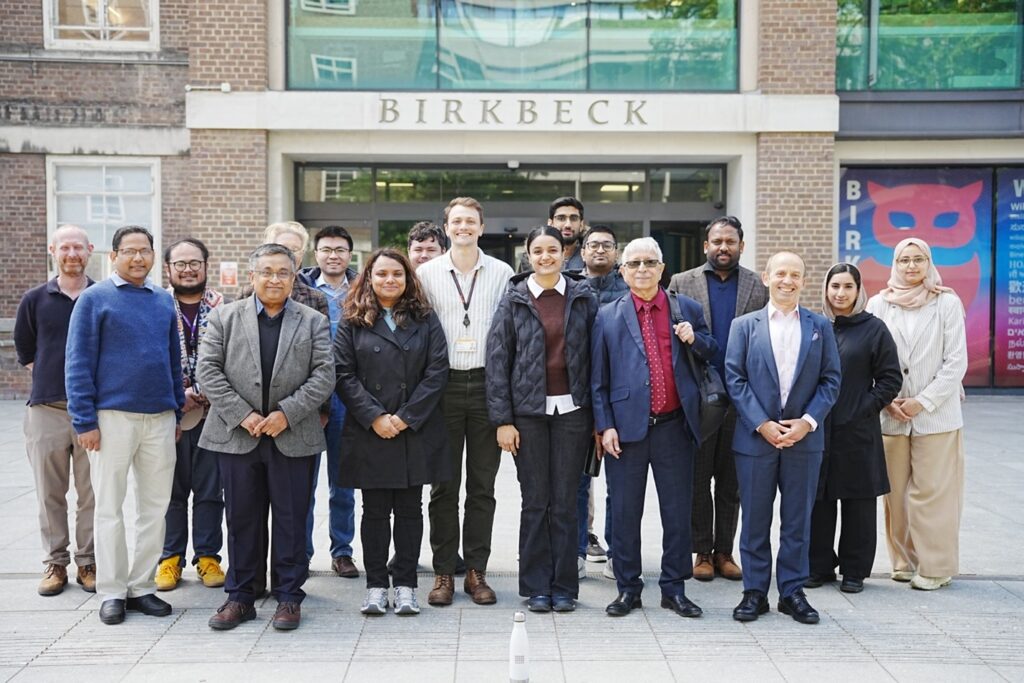
Workshop attendees outside Birkbeck, University of London.

From the outset, we set a tone of ambition and inclusivity, anchored in scientific excellence while remaining deeply committed to collaboration, translation, and impact. The day opened with a warm welcome from Professor Katherine Thompson, Head of the School of Natural Sciences, who offered an overview of the School and highlighted the importance of interdisciplinary thinking in addressing complex global health challenges. Her remarks framed our central mission: to integrate expertise across computational biology, chemistry, microbiology, clinical sciences, and biotechnology.
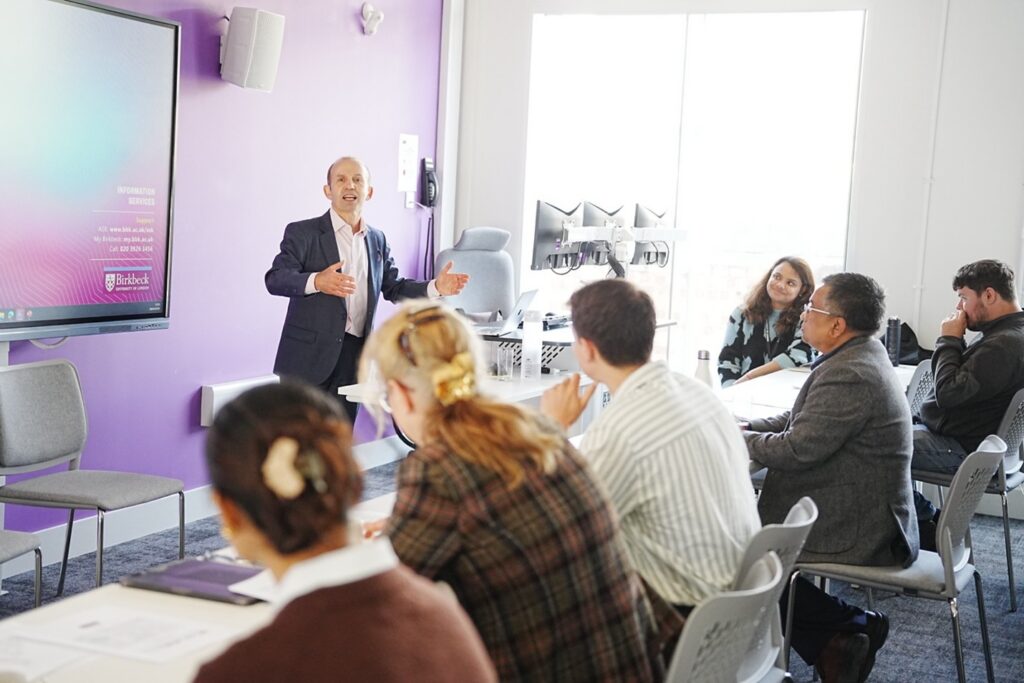
Director of UCL-TB and clinician, Professor Marc Lipman, highlighting the importance of interdisciplinary collaboration in the fight against AMR-resistance, tackling the problem at all levels.

Session 1, co-chaired by Dr Nupur Angrish and Dr Manoj Saxena, explored how human and machine intelligence can be harnessed to accelerate drug discovery. Talks ranged from interpretable omics and antibody discovery to generative AI-driven antimicrobial development. Contributions from researchers such as Dr Joseph Ng and Dr Ziaurrehman Tanoli illustrated how cutting-edge computational tools are reshaping the drug discovery pipeline, enhancing both speed and precision.

Crucially, these discussions were not confined to theory. They highlighted real-world applications, including novel therapeutic strategies targeting essential and vulnerable endogenous metabolisms in infectious bacteria a and innovative approaches to tackling drug-resistant infections inside the host environment.

Session 2 focused on one of the most pressing challenges in AMR research: translating laboratory discoveries into clinical and societal impact. Chaired by Professor Alethea Tabor, the session showcased pioneering work spanning nanoparticle-based drug delivery, repurposing of existing drugs, and rapid protein production technologies.

Speakers emphasised the importance of understanding pathogen diversity and leveraging it to improve early-stage screening of compounds in in vivo-like in vitro environments. Industry perspectives, including contributions from Birkbeck partner Nuclera, highlighted how collaboration with biotech can accelerate protein target characterisation by reducing the time and complexity associated with difficult-to-express membrane proteins.

For me, this session reinforced a key message: overcoming AMR requires not only scientific discovery, but also strategic alignment across academia, healthcare, and industry.

In a refreshing departure from conventional academic formats, we also introduced a post-lunch walking session through Bloomsbury, an area steeped in scientific heritage. Led by Dr William Thompson, this “Talk the Talk and Walk the Walk” session transformed the campus into an open classroom. As we passed landmark institutions such as the London School of Hygiene & Tropical Medicine and UCL’s Schools of Pharmacy and Chemistry, participants engaged in informal discussions that fostered openness, reflection, and interdisciplinary exchange.

It was a powerful reminder that some of the most meaningful collaborations begin outside formal settings.

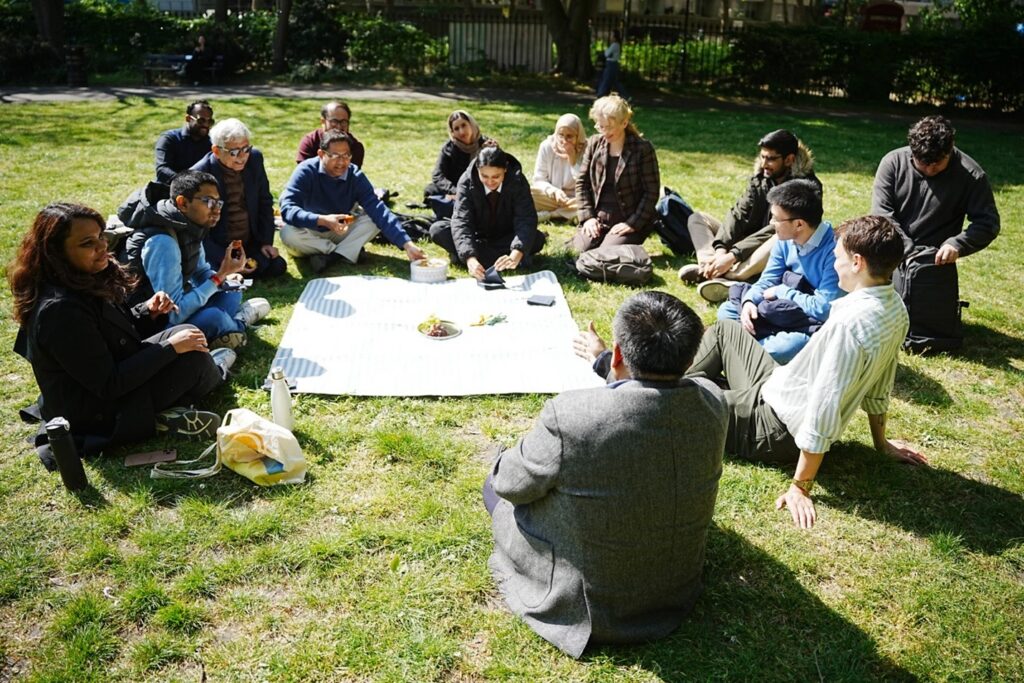
Attendees take a stroll around the central London campus, enjoying a walking tour then taking a break to enjoy a cake baked by Professor Sanjib Bhakta whilst sharing their research journeys and insights gained along the way

Global perspectives on tuberculosis and AMR

The workshop culminated in a keynote lecture by Professor Seyed E. Hasnain, chaired by Dr Ankita Nag, addressing a critical question: is the global elimination of tuberculosis possible?

Drawing on decades of research, he explored the remarkable adaptability of tuberculosis and its causative agent, Mycobacterium tuberculosis. His talk highlighted how the pathogen’s evolutionary strategies enable persistence despite genomic reduction, presenting both challenges and opportunities for therapeutic innovation.

Importantly, he emphasised the need for integrated approaches that combine computational biology, genomics, clinical research, and drug repurposing. His message resonated strongly with the workshop’s overarching theme: that only through collaboration can we outpace the evolving threat of AMR.
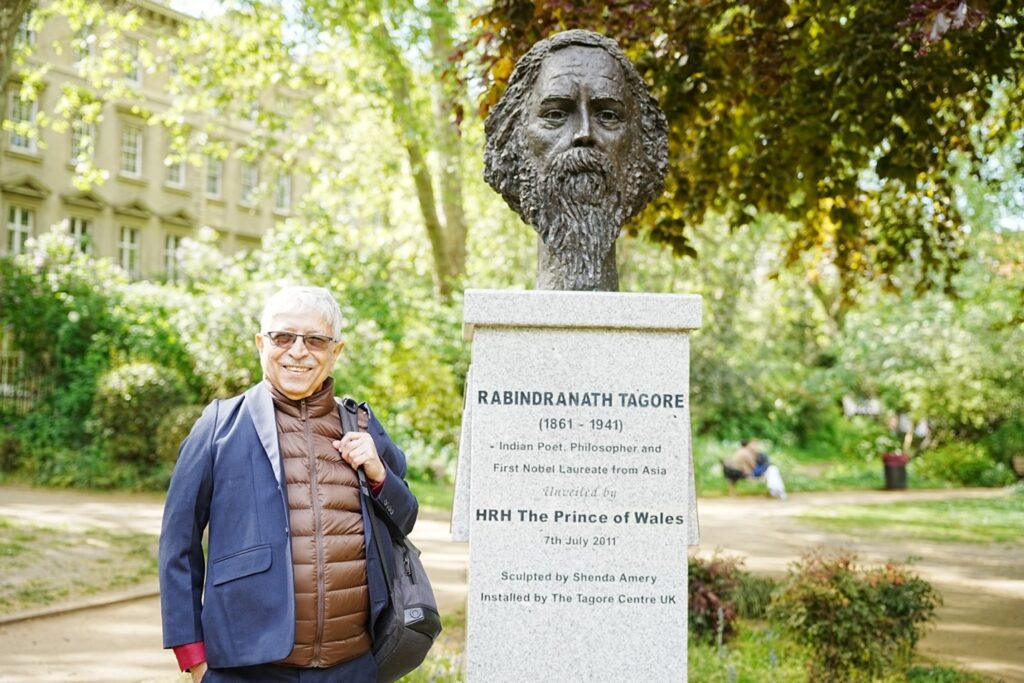
 Professor Seyed Hasnain, National Science Chair of the Indian Institute of Technology, smiling next to a statue of Rabindranath Tagore, the winner of the 1913 Literature Nobel Prize.

The closing reflections, led by Professor Franca Fraternali, brought the day full circle, focusing on the importance of building sustainable research capacity, fostering early-career leadership, and strengthening global partnerships.

One of the key outcomes of the workshop was a shared recognition that tackling AMR demands a truly networked approach – connecting local expertise in London with global collaborators across Europe, Asia, and beyond. The active participation of academic institutions, industry partners, and funding bodies signals a growing momentum towards translational, impact-driven science.
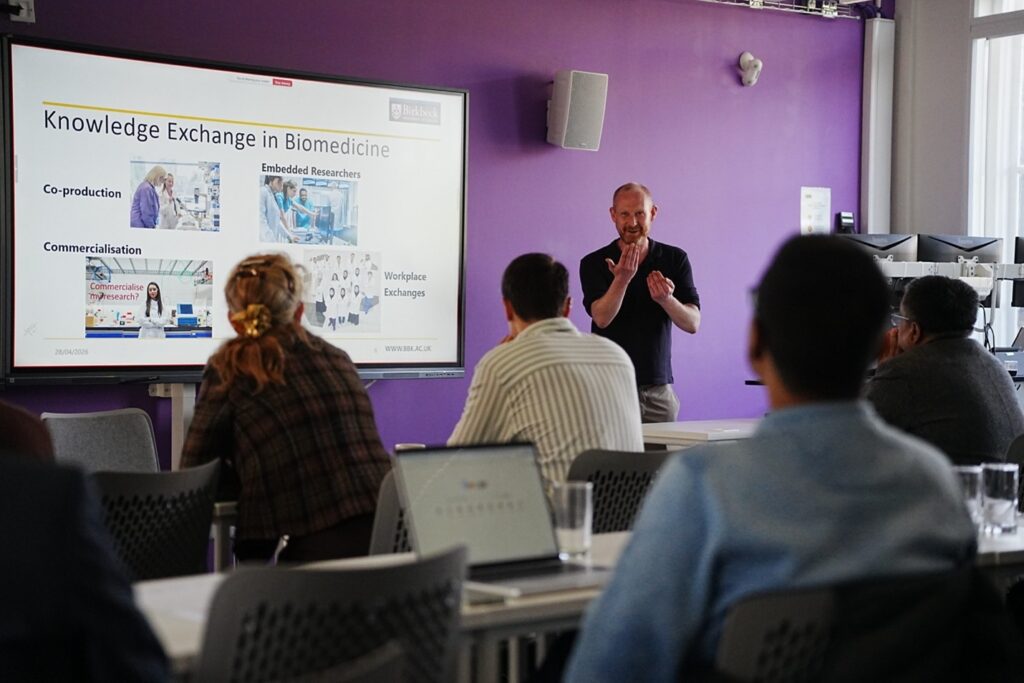
Matt Kimberly, impact officer at Birkbeck, discussing how to translate research into real world impact through engaging with the public.

Looking ahead, this workshop was more than a meeting, it was a catalyst. It demonstrated how ECR-led initiatives can drive meaningful change by creating platforms for innovation, mentorship, and collaboration. By bringing together diverse perspectives and expertise, we have laid a strong foundation for future partnerships across academia, healthcare, and biotechnology. These collaborations will be critical in accelerating the development of new diagnostics, therapeutics, and strategies to combat AMR.

As the global community continues to grapple with drug-resistant infections, initiatives like this serve as a powerful reminder: progress is possible when we work together across disciplines, sectors, and borders. The journey to overcome antimicrobial resistance is complex, but with shared vision, scientific rigour, and collaborative strength, it is one we are well-equipped to pursue. I would like to thank the UKRI and MOHE for their support of this international collaborative project.

Photo credits: Dr Pranab K. Paul

More information
Spanner in the works for a parasite motor

Throughout World Antimicrobial Awareness Week, we’re featuring key areas of research at Birkbeck relating to the management of diseases. In this blog, we feature the work of former PhD student, Alex Cook, who is looking at new approaches to malaria control.

Alex Cook

Alex Cook

Separated by 85 million years of evolution, the parasite Plasmodium falciparum that causes the most deadly form of malaria, is a very different beast to its human host. Yet the challenge for malaria treatments is that they must kill the parasite but not destroy the cells of their human host in which the parasite hides. Malaria is a massive disease burden world-wide. Hundreds of thousands of people are killed each year, the majority of which are children younger than five. In Africa, disruption arising from the COVID-19 pandemic to existing measures also threatens to undo the last decade of malaria control. With resistance to current frontline therapeutics rapidly rising, new drug targets and vaccines are urgently needed.

Malaria-causing parasites are single cells and have a complex life-cycle within both human and mosquito hosts. The many iterations of parasite proliferation that are essential for disease transmission are driven by intracellular machinery called the mitotic spindle, which is built of cytoskeleton components called microtubules. This machinery ensures the correct distribution of replicated chromosomes to the newly produced cells. Targeting of the mitotic spindle by drugs is well-established in a variety of settings – notably human cancers – and components of the malaria proliferative machinery are thus attractive anti-parasite targets.

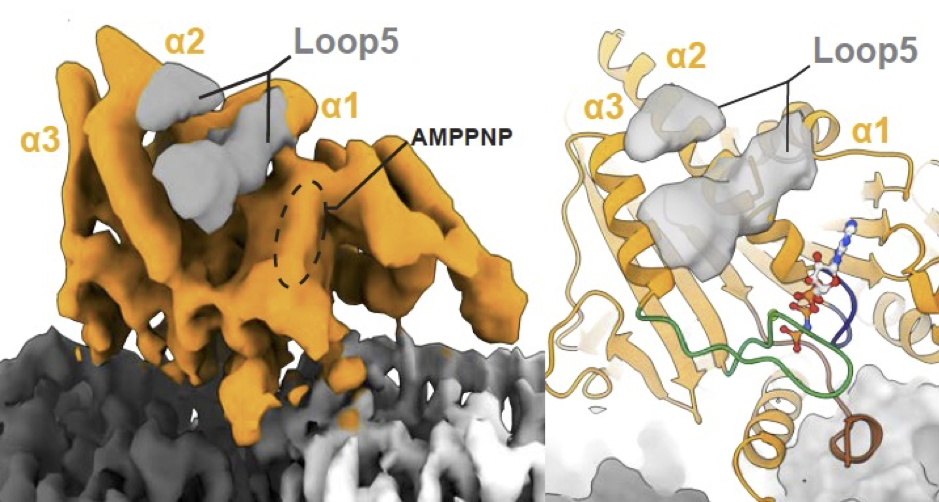
As part of his PhD work in the research group of Professor Carolyn Moores (Biological Sciences), Alex Cook studied a component of the malaria mitotic spindle machinery, a molecular motor called kinesin-5. Kinesin-5’s are a family of proteins known for their ability to ‘push and pull’ microtubules to create ordered structures within the cell. Alex used a very powerful electron microscope to take images of kinesin-5 molecules – which are around a millionth of a millimetre in size – bound to individual microtubules. He then used computational analysis to combine these pictures and calculate their three-dimensional shape, thereby providing information about how the motors work in the parasite themselves.

the Kinesin protein that contributes to malaria

Using this information, Alex – who is co-supervised by Professor Maya Topf and also collaborates with Dr Anthony Roberts, both also in Biological Sciences – showed that although the malaria kinesin-5 motor shares some functional properties with human kinesin-5, there are several key differences that indicate it might be susceptible to specific drug targeting. Confirming this idea, Alex found that a drug-like molecule that blocks human kinesin-5 activity does not affect the parasite motor.

Alex Cook, who is now a postdoctoral researcher at the University of Oxford said: “To uncover new approaches to malaria control, we urgently need to look at new molecules from the parasite. Using high resolution electron microscopy, this first look at a parasite cell division motor will provide a springboard for discovery of small molecules that can disrupt malaria replication.”

Professor Moores commented: “Alex’s hard work, together with vital support from our department’s lab and computational teams, demonstrates the power of electron microscopy to explore medically important challenges.”

Alex’s work was recently published in The Journal of Biological Chemistry (https://doi.org/10.1016/j.jbc.2021.101063). Future directions for the project involve further investigation of specific motor inhibitors, and also of the function of kinesin-5 in the parasite itself, in collaboration with the research group of Professor Rita Tewari at the University of Nottingham.

Further information

Abusing Antibiotics: The Unknown Phenomenon

This week, 18 to 24 November, marks World Antimicrobial Awareness Week, and this year’s theme is ‘Spread Awareness, Stop Resistance’. In this blog, Professor Sanjib Bhakta, Professor of Molecular Microbiology and Biochemistry, discusses the effect of the COVID-19 pandemic on antimicrobial resistance, why this is so alarming, and how research at Birkbeck is making a difference.

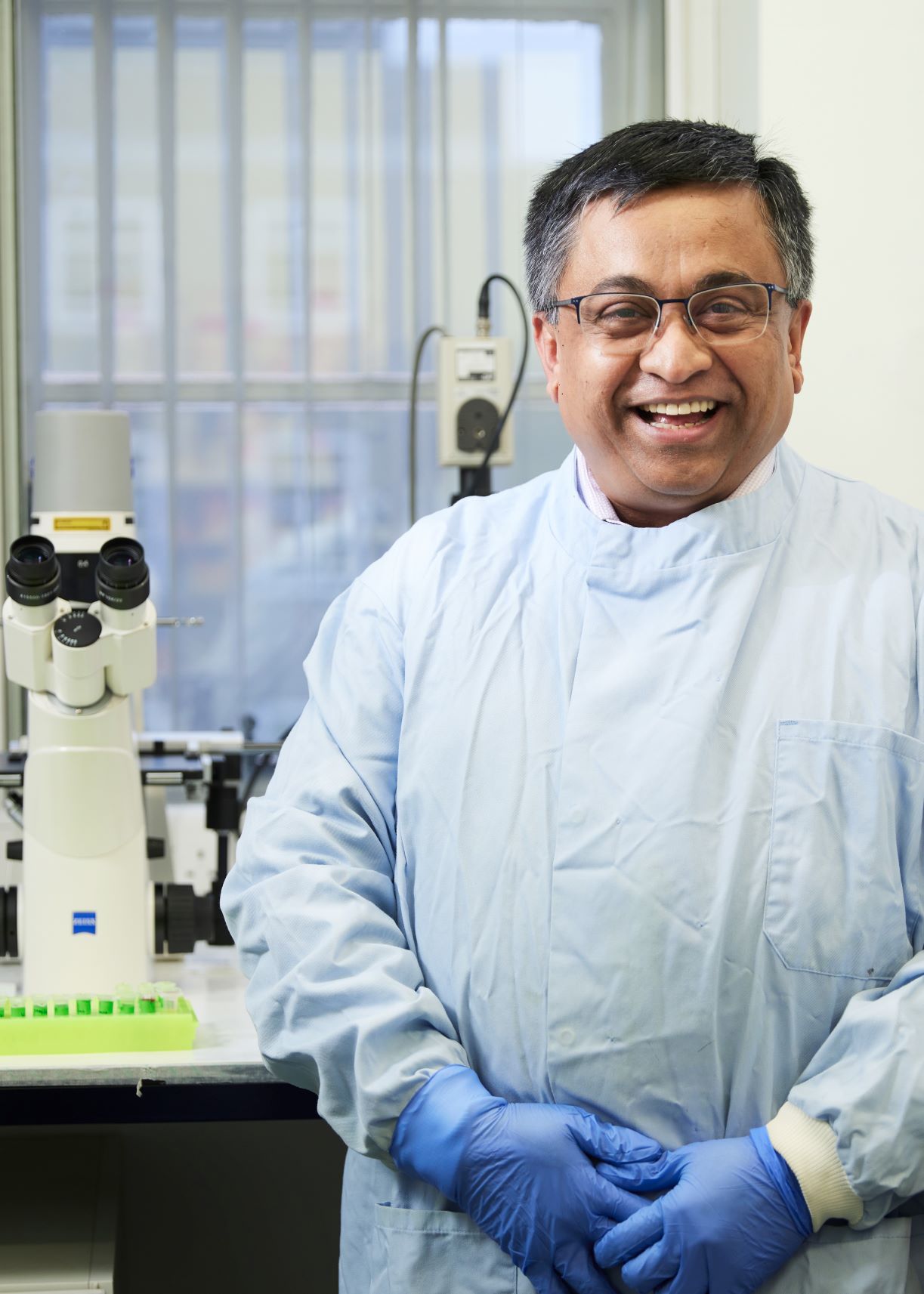
Headshot of Professor Sanjib Bhakta

Professor Sanjib Bhakta

Antimicrobial resistance (AMR) is an alarming global crisis which inevitably arose alongside the ground-breaking discovery of antibiotics and its subsequent use to save billions of human and animal lives. The ongoing COVID-19 pandemic has caused a redirection of resources worldwide to fight the coronavirus. Naturally, this has meant resources such as Global Challenges Research Fund (GCRF) to fight antibiotic resistance have been disrupted.

COVID-19 has affected AMR rates and research dramatically in the last 18 months. There have been changes in availability of staff to research, treat and screen for AMR pathogens (disease-causing germs) leading to under-reporting of AMR cases. There has also been an increase of broad-spectrum antibiotic prescription, at least in some parts of the world due to possible bacterial co-infection and clinical presentation of cases, which has led to increased selection pressure on pathogens. As well as this, the introduction of disinfectant overuse could be driving mutation and increasing AMR rates. Despite reduced exposure due to COVID-19 measures, other factors have meant that AMR rates have increased. In order to stop this rise, better stewardship for antibiotic use need to be implemented.

Tackling the rise of antimicrobial resistance is central to our multidisciplinary research at the Institute of Structural and Molecular Biology (ISMB) Mycobacteria Research Laboratory and for our national and international collaborative partners. We investigate metabolism in order to address antimicrobial drug resistance in tuberculosis (TB); tackling this challenge by discovering novel antibiotic-leads and repurposing over-the-counter painkillers to cure TB and other non-tubercular mycobacterial (NTM) infections.

We have paid special attention to the study of the cell-walls of World Health Organisation (WHO)-priority bacteria in an ongoing ASEM-DUO fellowship exchange programme between the Indian Institute of Technology – India and Birkbeck, University of London, as cell-walls are an important site for attack by antibiotics such as penicillin. This inter-institutional collaboration between the UK and India continues to build a strong international research programme to tackle AMR and accelerate the development of new and effective treatment options.

Parallel to our lab-based research endeavours, we have integrated interdisciplinary approaches to tackle antimicrobial drug resistance in superbugs in partnership with ‘Joi Hok’, a community TB awareness programme in West Bengal, India. In this award-winning Microbiology Society Outreach Prize project, we have raised awareness of TB and antibiotic resistance with school children, their families, and local communities, through traditional storytelling, folk art, painting, and music.

To mark World Antimicrobial Awareness Week 2021 at Birkbeck, we have organised a student-led public-awareness presentation, an international students’ experience event and a research webinar series where we will be brainstorming the significance of interdisciplinary initiatives and strategies to tackle AMR.

If the current trend continues, there will be more than 10 million preventable deaths every year by 2050. Therefore, we must take every possible measure against antibiotic resistance in infectious diseases, now rather than later, before this major global health challenge goes beyond our capacity to control.

Further information