As part of LGBT History Month, Birkbeck alumna Norena Shopland writes about why it was important to develop an LGBT glossary as part of Queering Glamorgan, a research guide to sources for the study of Welsh LGBT History.

Over the last fifteen years or so I have been researching lesbian, gay, bisexual and transgender people, allies and events, in relation to Wales. In that time I have curated a number of exhibitions, given numerous talks/workshops and written the first book, Forbidden Lives, on Welsh LGBT history and in all my work I have tried to add new material into the public domain whenever I can. But how does one find people who have lived forbidden or hidden lives? Particularly when the written record is often so sparse, and because most of the terminology we use today is modern, much of which was not used earlier than the mid-twentieth century.
A number of heritage organisations have tried to tackle this by providing research guides to aid those looking for hidden people, but most provide only summaries of resources available with limited glossaries. In addition, due to the legal status of male homosexuality, existing guides and glossaries have concentrated on the male experience, with minimal attention paid to women or gender diversity.
Using these guides was, I found, a very frustrating experience and in the end I realised that I needed to compile my own glossary – an exercise that proved surprisingly fruitful, and I was able to recover over 3,000 pieces of information – 80% of which has not been published outside original sources.
The glossary was then married with work being carried out by Dr Daryl Leeworthy, who had extensively examined the archival record in Wales for LGBT content – and Queering Glamorgan was published as a free download by Glamorgan Archives, funded by the Welsh Government. Glamorgan Archives is noted for its excellent work on the history of sexual orientation and gender diversity, and most of the examples used in the guide come from their archival content.
For this blog, I just want to reference the glossary part of the guide.
 Some of the frustrations I experienced when using existing guides was the lack of timelines, which could result in time wasted using terminology not in existence for the period being examined, and cautionary notes about some terminology. For example, whilst most guides list ‘gross indecency’ as a possible search term, few mention that this could also apply to heterosexual cases, and even bestiality. Therefore in our guide we added, where possible, both timelines and cautionary notes.
One of the challenges with using a standard glossary for research is its very nature as a list of words or phrases. But individuals, whether they are journalists, diarists, letter writers or those filling out forms which end up in archives, do not all use the same words or phrases. Their individualistic styles of writing may therefore be missed if using a set list. What the glossary in Queering Glamorgan does is provide a theme of collected words and phrases which can be married in numerous ways in a ‘pick-and-mix’ style. This allows for individualistic writing, but also provides a broader sweep if for any reason an OCR reader has failed to pick up other terminology.
One theme of the glossary is to look, not at what people are, but what they were doing. For example, cross-dressing and cross-living were used extensively as a means to live in same-sex relationships, or as a transgender person. To locate these people in the historic record the researcher can try ‘woman in male clothes’, ‘female in boy’s costume’, ‘girl in male attire’, etc.
It is hoped that the innovative selection method in Queering Glamorgan will aid researchers to find more hidden LGBT people in the archival record. Particularly as it can be used anywhere in the world for English and Welsh language material (and the basic principle allows it to be translated into any other language).
As for the future, Glamorgan Archives and I are exploring rolling out this methodology for other areas of research. Others are also considering its uses for themselves – in the few months since publication it has been downloaded over six hundred times– and been described in reviews as ‘pioneering’ and ‘revolutionising research methodology’ – not bad for a research guide.
Try it for yourself: Queering Glamorgan can be downloaded here.
 For those interested in entering the legal profession as solicitors after studying at Birkbeck, an Open Day gives law students an opportunity to peek inside what their future may hold. Open Days offer exceptional advantages by giving students an intimate look at the firm’s office, employees and culture. In November, I was fortunate enough to attend


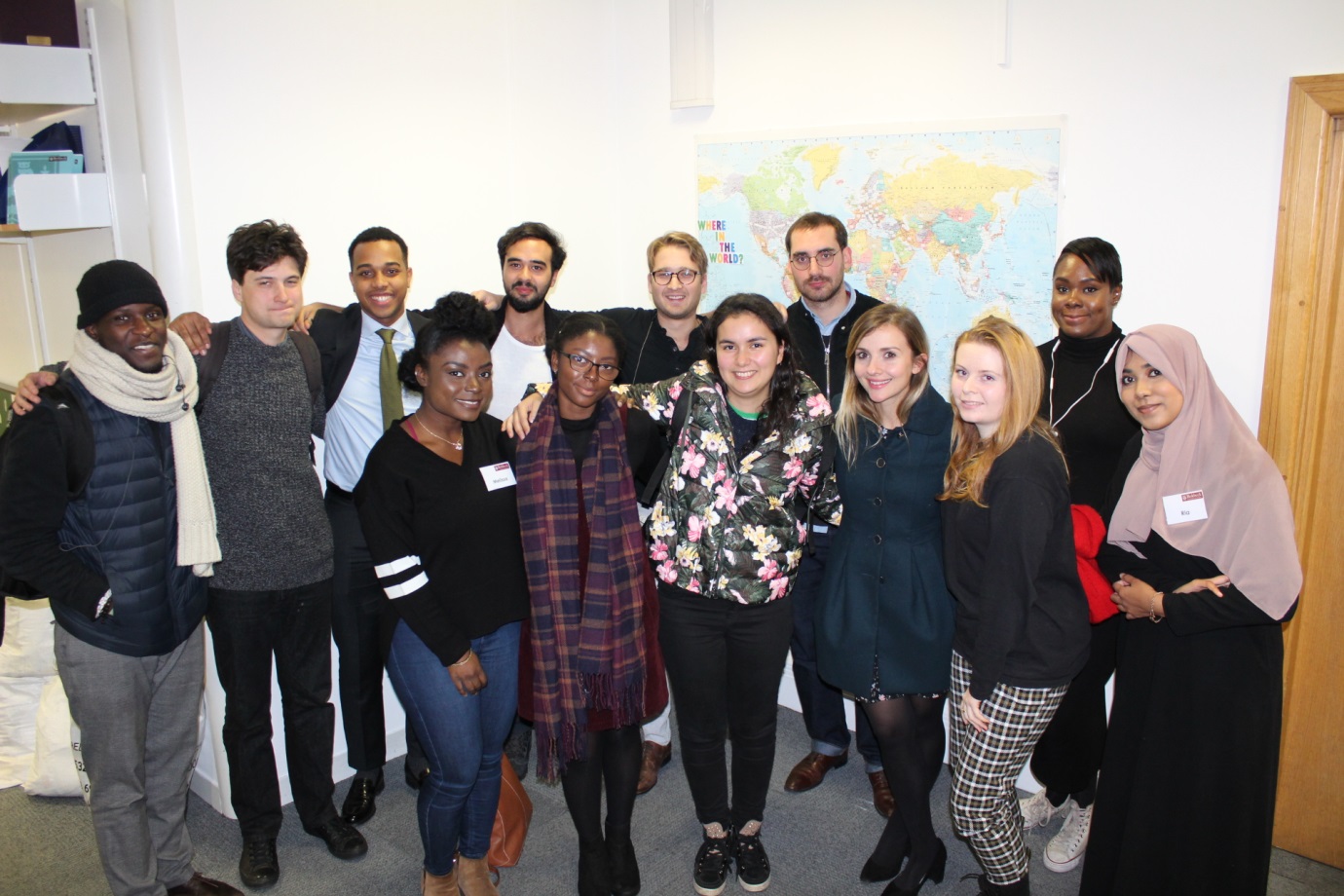







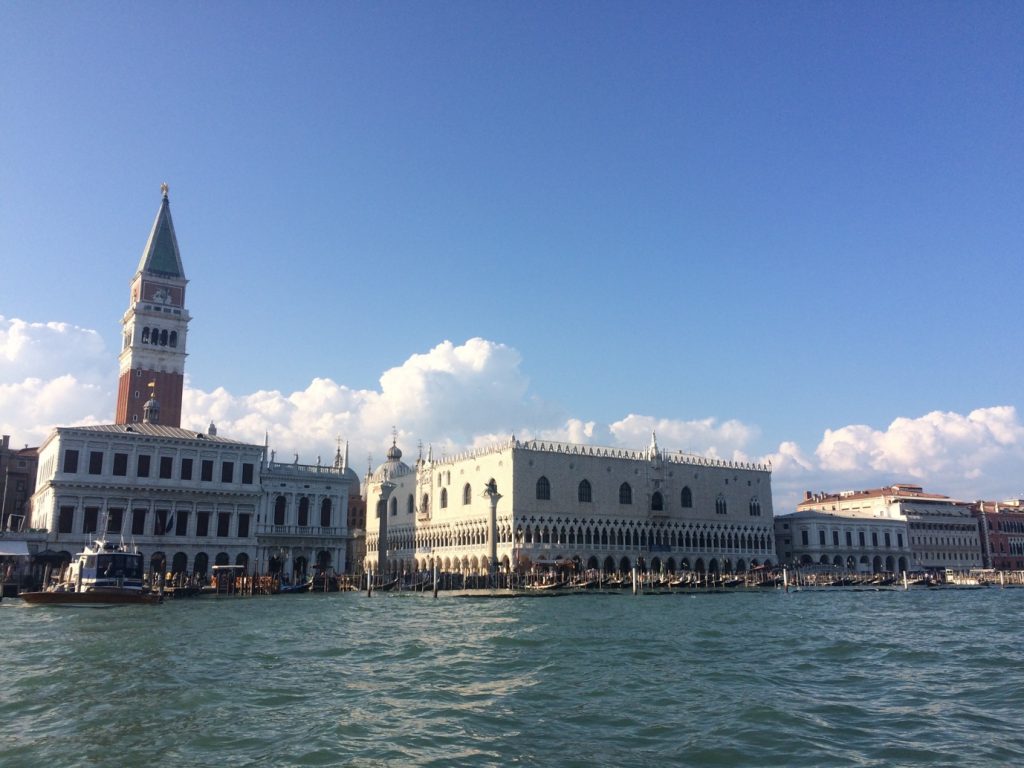
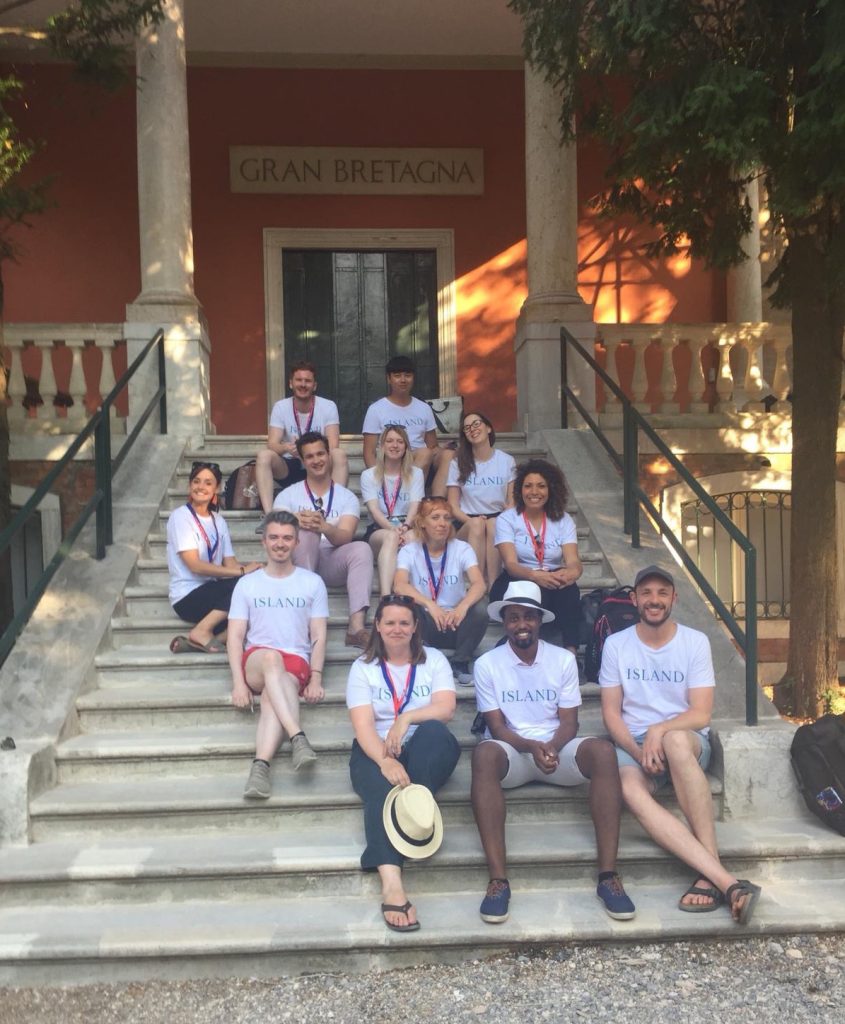 Upon my return to London, our group of fellows continued the discourse and organised an exhibition in August, held at a temporary space in Shoreditch. And it didn’t stop there; The British Council is keen to organise another show in the new year, featuring the research outcomes of Venice Fellows. I didn’t imagine that so many further opportunities would come along from this encounter.