Category Archives: Science

Tackling antimicrobial resistance: how collaboration, co-development, knowledge exchange and shared purpose can help

Professor Sanjib Bhakta reflects on a recent early-career researcher-led workshop hosted by Birkbeck, University of London and UCL, exploring how collaboration, innovation and shared purpose can accelerate progress in tackling antimicrobial resistance in mycobacterial infections.

Antimicrobial resistance (AMR) is one of the defining global health challenges of our time that cannot be solved in isolation. In bringing together researchers, clinicians, and industry partners this week, I was struck by how much progress becomes possible when we create space not just for expertise, but for genuine exchange.

At the Mycobacteria Research Laboratory in the School of Natural Sciences of Birkbeck, University of London, in collaboration with University College London Chemistry, we hosted a dynamic, early-career researcher (ECR)-led capacity-building workshop under the umbrella of the Institute of Structural and Molecular Biology. Held at Birkbeck Central in Bloomsbury, the event brought together an inspiring mix of scientists, clinicians, industry partners, and international collaborators, all united by a common purpose: tackling the growing challenge of AMR in mycobacterial infections.
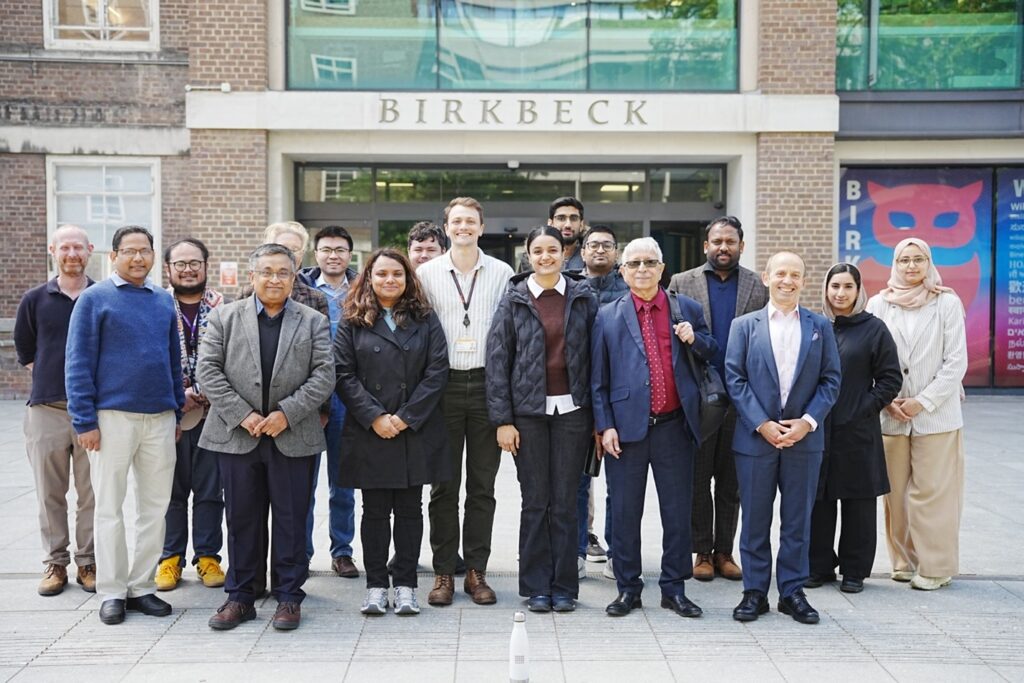
Workshop attendees outside Birkbeck, University of London.

From the outset, we set a tone of ambition and inclusivity, anchored in scientific excellence while remaining deeply committed to collaboration, translation, and impact. The day opened with a warm welcome from Professor Katherine Thompson, Head of the School of Natural Sciences, who offered an overview of the School and highlighted the importance of interdisciplinary thinking in addressing complex global health challenges. Her remarks framed our central mission: to integrate expertise across computational biology, chemistry, microbiology, clinical sciences, and biotechnology.

Director of UCL-TB and clinician, Professor Marc Lipman, highlighting the importance of interdisciplinary collaboration in the fight against AMR-resistance, tackling the problem at all levels.

Session 1, co-chaired by Dr Nupur Angrish and Dr Manoj Saxena, explored how human and machine intelligence can be harnessed to accelerate drug discovery. Talks ranged from interpretable omics and antibody discovery to generative AI-driven antimicrobial development. Contributions from researchers such as Dr Joseph Ng and Dr Ziaurrehman Tanoli illustrated how cutting-edge computational tools are reshaping the drug discovery pipeline, enhancing both speed and precision.

Crucially, these discussions were not confined to theory. They highlighted real-world applications, including novel therapeutic strategies targeting essential and vulnerable endogenous metabolisms in infectious bacteria a and innovative approaches to tackling drug-resistant infections inside the host environment.

Session 2 focused on one of the most pressing challenges in AMR research: translating laboratory discoveries into clinical and societal impact. Chaired by Professor Alethea Tabor, the session showcased pioneering work spanning nanoparticle-based drug delivery, repurposing of existing drugs, and rapid protein production technologies.

Speakers emphasised the importance of understanding pathogen diversity and leveraging it to improve early-stage screening of compounds in in vivo-like in vitro environments. Industry perspectives, including contributions from Birkbeck partner Nuclera, highlighted how collaboration with biotech can accelerate protein target characterisation by reducing the time and complexity associated with difficult-to-express membrane proteins.

For me, this session reinforced a key message: overcoming AMR requires not only scientific discovery, but also strategic alignment across academia, healthcare, and industry.

In a refreshing departure from conventional academic formats, we also introduced a post-lunch walking session through Bloomsbury, an area steeped in scientific heritage. Led by Dr William Thompson, this “Talk the Talk and Walk the Walk” session transformed the campus into an open classroom. As we passed landmark institutions such as the London School of Hygiene & Tropical Medicine and UCL’s Schools of Pharmacy and Chemistry, participants engaged in informal discussions that fostered openness, reflection, and interdisciplinary exchange.

It was a powerful reminder that some of the most meaningful collaborations begin outside formal settings.
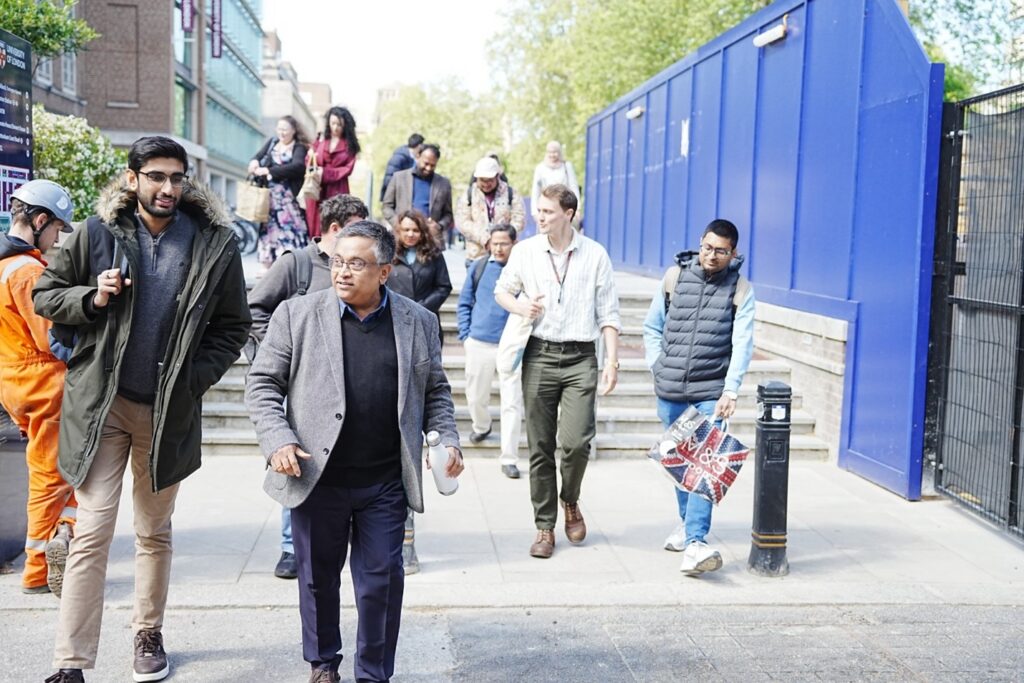
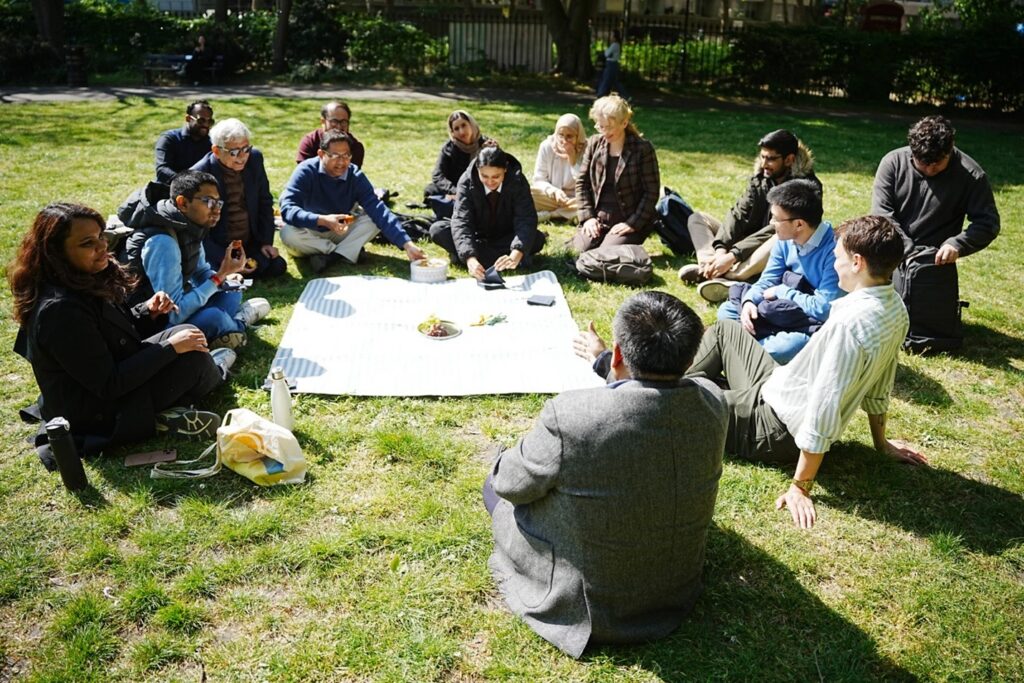
Attendees take a stroll around the central London campus, enjoying a walking tour then taking a break to enjoy a cake baked by Professor Sanjib Bhakta whilst sharing their research journeys and insights gained along the way

Global perspectives on tuberculosis and AMR

The workshop culminated in a keynote lecture by Professor Seyed E. Hasnain, chaired by Dr Ankita Nag, addressing a critical question: is the global elimination of tuberculosis possible?

Drawing on decades of research, he explored the remarkable adaptability of tuberculosis and its causative agent, Mycobacterium tuberculosis. His talk highlighted how the pathogen’s evolutionary strategies enable persistence despite genomic reduction, presenting both challenges and opportunities for therapeutic innovation.

Importantly, he emphasised the need for integrated approaches that combine computational biology, genomics, clinical research, and drug repurposing. His message resonated strongly with the workshop’s overarching theme: that only through collaboration can we outpace the evolving threat of AMR.
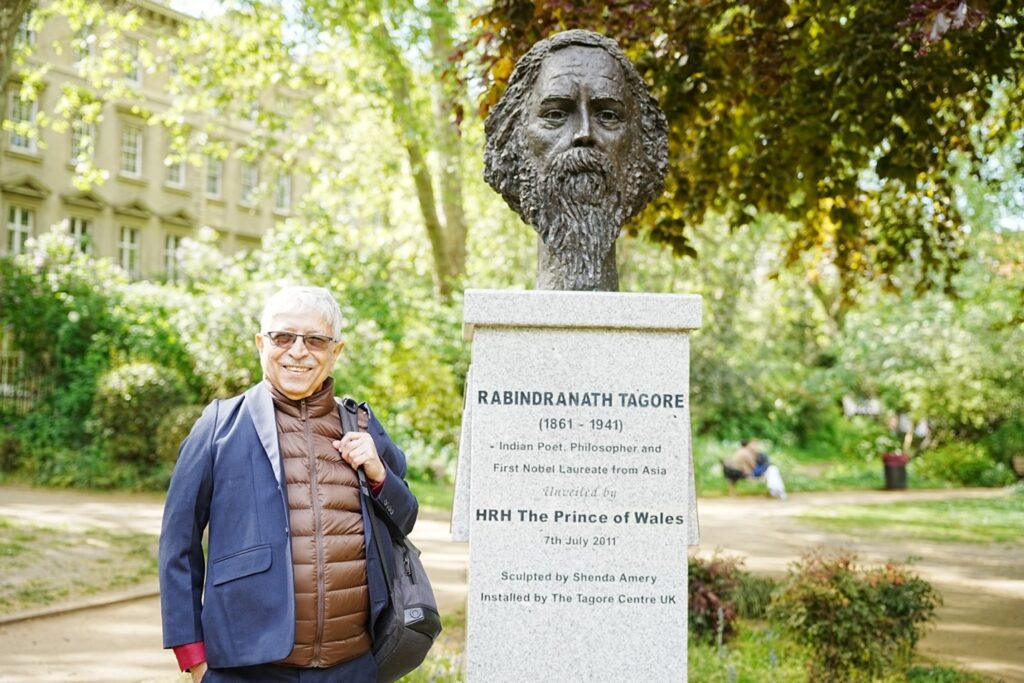
 Professor Seyed Hasnain, National Science Chair of the Indian Institute of Technology, smiling next to a statue of Rabindranath Tagore, the winner of the 1913 Literature Nobel Prize.

The closing reflections, led by Professor Franca Fraternali, brought the day full circle, focusing on the importance of building sustainable research capacity, fostering early-career leadership, and strengthening global partnerships.

One of the key outcomes of the workshop was a shared recognition that tackling AMR demands a truly networked approach – connecting local expertise in London with global collaborators across Europe, Asia, and beyond. The active participation of academic institutions, industry partners, and funding bodies signals a growing momentum towards translational, impact-driven science.
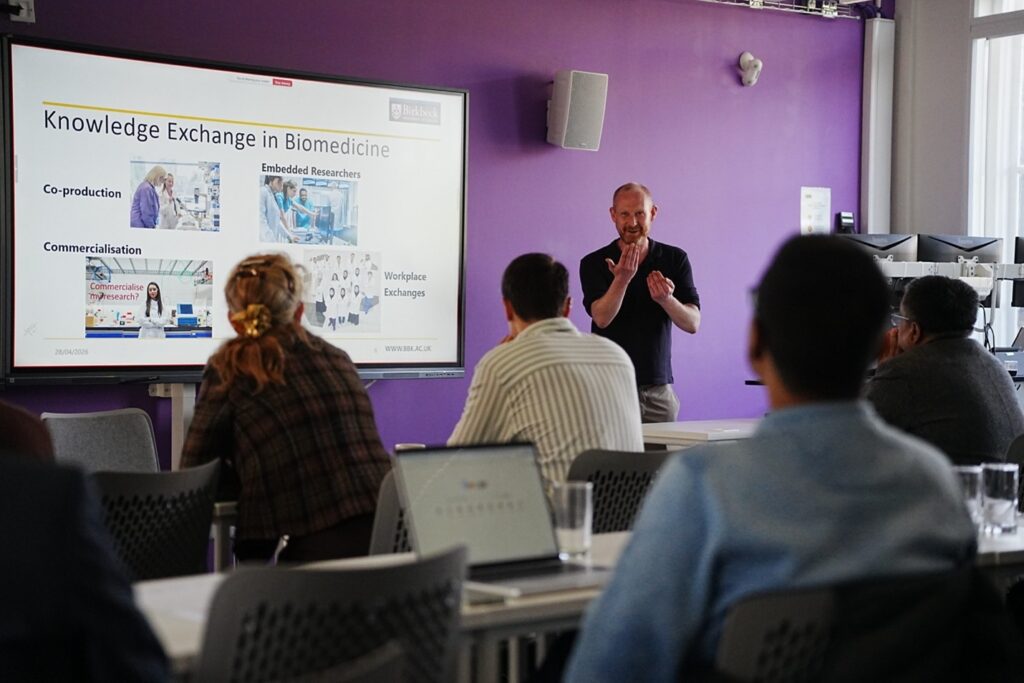
Matt Kimberly, impact officer at Birkbeck, discussing how to translate research into real world impact through engaging with the public.

Looking ahead, this workshop was more than a meeting, it was a catalyst. It demonstrated how ECR-led initiatives can drive meaningful change by creating platforms for innovation, mentorship, and collaboration. By bringing together diverse perspectives and expertise, we have laid a strong foundation for future partnerships across academia, healthcare, and biotechnology. These collaborations will be critical in accelerating the development of new diagnostics, therapeutics, and strategies to combat AMR.

As the global community continues to grapple with drug-resistant infections, initiatives like this serve as a powerful reminder: progress is possible when we work together across disciplines, sectors, and borders. The journey to overcome antimicrobial resistance is complex, but with shared vision, scientific rigour, and collaborative strength, it is one we are well-equipped to pursue. I would like to thank the UKRI and MOHE for their support of this international collaborative project.

Photo credits: Dr Pranab K. Paul

More information
Birkbeck natural sciences researchers continue to drive the fight against drug-resistant tuberculosis 

This World TB Day (24 March), Professor Sanjib Bhakta from Birkbeck’s School of Natural Sciences reflects on the ongoing global challenge of tuberculosis and how Birkbeck researchers are contributing to the fight against drug-resistant infections. 

On 24 March each year, World TB Day serves as a powerful reminder that tuberculosis (TB), a disease many consider a relic of the past, remains one of the deadliest infectious diseases worldwide. Caused by Mycobacterium tuberculosis, TB continues to claim nearly 1.5 million lives annually, disproportionately affecting communities in low- and middle-income groups locally in London and globally. 

The story of TB research began in 1882, when Dr Robert Koch announced his discovery of the TB bacillus, transforming scientific understanding of the disease. More than a century later, the challenge has evolved. Today, the rise of antimicrobial resistance (AMR) and the burden of prolonged, complex treatment regimens demand new and innovative solutions. 

At Birkbeck, University of London, the Mycobacteria Research Laboratory is at the forefront of this global effort. Through cutting-edge research in molecular microbiology and biochemistry, the team is working to develop new therapeutic strategies to combat drug-resistant mycobacterial infections. 

A key milestone in this journey is a new collaboration with the Ineos Oxford Institute, as part of the Oxford Consortium on Drugs for Drug-resistant TB (OxCoD4TB). This partnership brings together leading researchers, clinicians, and industry experts to accelerate the discovery of next-generation TB treatments. This spirit of collaboration and innovation was on full display at the Ineos Oxford Institute’s annual Early Career Researcher Conference 2026 this month, hosted at Saïd Business School, University of Oxford. Bringing together more than 200 participants from across disciplines, including microbiology, drug discovery, genomics, clinical science, and social science, the conference provided a vibrant platform for sharing ideas and forging new partnerships. 

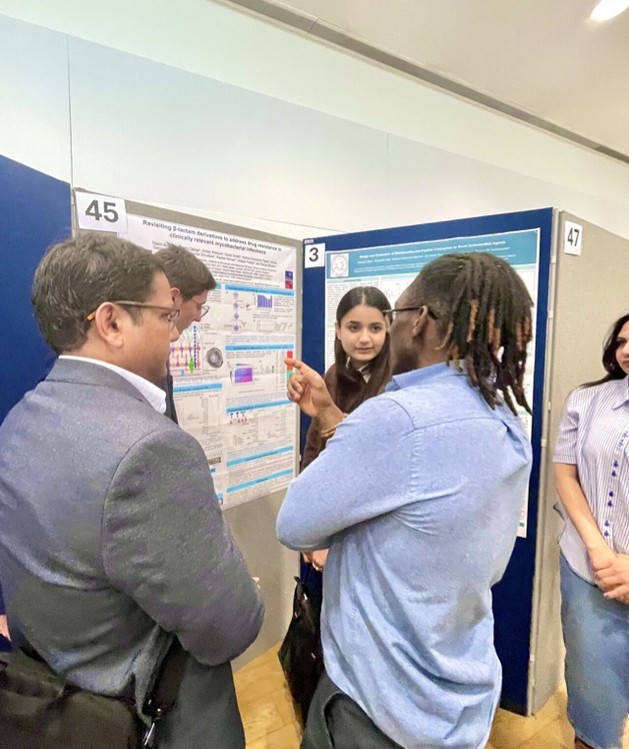
Birkbeck’s School of Natural Sciences team of early career researchers made a strong impact at the event. Among them, Dr Nupur Angrish, a postdoctoral scientist, was awarded the Best Poster Prize. Reflecting on the experience, she described the conference as “incredibly inspiring,” highlighting the breadth of approaches being taken to tackle AMR. She added: “It means a great deal to have our work recognised by such an engaged and knowledgeable audience.” 

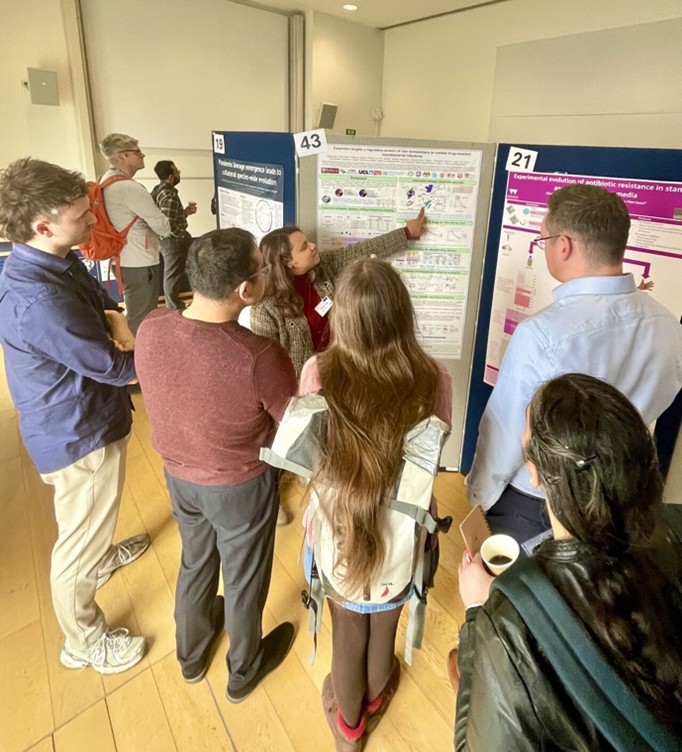
Dr Ankita Nag (left) and Dr Nupur Angrish (right) presenting their research posters at the IOI Oxford Early Career Researchers Conference 2026. 

Beyond the conference, Birkbeck’s contribution to World TB Day also extends to global policy and public engagement. This week, I am co-chairing a session at the UCL–LSHTM World TB Day event at Great Ormond Street Hospital, exploring how artificial intelligence could help accelerate progress towards ending TB – an area of growing importance in infectious disease research. 

Tackling TB, particularly drug-resistant forms of the disease, requires coordinated, global action. We must use antimicrobials responsibly while strengthening effective prevention, quicker detection and shortening, and simplifying TB treatment to deliver a faster, more efficient cure. 

Echoing the World Health Organization’s World TB Day call, “Yes! We can End TB!”, progress will depend on country-led action, people-powered change, and a united One Health effort. 

More information 

Meet the international student: Ekhomalomen Inegbenose Pierre, from Nigeria

Recipient of the International Excellence Scholarship, Ekhomalomen Inegbenose Pierre came to Birkbeck to study MSc Information Technology. Here he shares more about his background and experience, and even gives tips to future Birkbeck students. 

Ekhomalomen Inegbenose Pierre

Discovering myself at Birkbeck and beyond 

Birkbeck wasn’t just a college to me; it was a revelation. Nestled in Bloomsbury, this esteemed institution gave me more than just an MSc in Information Technology – it handed me a kaleidoscope through which I saw the vibrant hues of life, both academically and personally. 

My Birkbeck and London love affair 

I vividly recall my first evening class at Birkbeck; the room echoed with a medley of accents, reminding me of London’s cultural symphony. Conversations shifted from coursework to personal anecdotes, from hometown tales to shared dreams. In that diversity, I found camaraderie. Beyond Birkbeck’s walls, London became my playground. From spontaneous weekend trips to Brick Lane for its famous curries to late-night study sessions at quirky cafes in Shoreditch, every corner of this city whispered stories and secrets. 

To all future Birkbeck international scholars 

Dear future Birkbeckian, dive headfirst into everything! That small seminar you’re thinking about? Attend it. The group from class planning a walk along the river Thames? Join them. Each experience, no matter how trivial it seems, adds a brushstroke to your London canvas. 

Trials, tribulations, and triumphs 

Juggling coursework, London’s allure, and bouts of homesickness wasn’t always a walk in Hyde Park. The UK’s academic approach, emphasizing self-study and critical analysis, often overwhelmed me, but I knew it was an important learning curve. My coffee-fueled nights, deciphering complex IT problems, were punctuated by Skyping family and sharing laughs. A tip? Embrace every challenge; they’re often veiled lessons.  

Hidden gems: my sanctuaries in the city 

There’s a small nook in the British Museum, away from the usual tourist buzz, where I often lost myself among ancient scripts. It became my thinking spot, my refuge from the rigours of coursework. 

Outside Bloomsbury, the quaint bookshops along London’s famous South Bank became my haven. Nestled with a book, against the backdrop of the Thames, I found serenity amidst the city’s bustle. 

Internships and insights 

Midway through my course, I stumbled upon an internship opportunity with a tech startup during a Birkbeck mixer. As a Junior Systems Developer, I wasn’t just coding; I was imbibing the entrepreneurial spirit of London’s tech scene. That startup environment, with its blend of chaos and creativity, its failures and triumphs, taught me resilience and innovation. My MSc journey at Birkbeck, intertwined with London’s charm, has been a rollercoaster of emotions, experiences, and epiphanies. It’s a chapter of my life I’d reread endlessly, cherishing each word, each memory.  

Rishi Sunak’s retreat on climate policies is troubling

Last week UK Prime Minister Rishi Sunak announced the scrapping and watering down of several key climate targets. Academics Dr Pam Yeow, Reader in Management and Dr Becky Briant, Reader in Quaternary Science, share their thoughts in a blog. 

Planet Earth

We read with disappointment and concern the latest announcement from the UK Prime Minister, of the intentions to roll back climate positive strategies and priorities until 2035. This is unfortunate for both scientific and economic reasons. 

Over the past decade it has become increasingly clear that the impacts from climate change are being experienced at lower levels of change than previously projected. Most climate mitigation policies propose to keep warming below 2 degrees centigrade beyond pre-industrial averages and yet at current levels of warming (only 1.2 degrees), we are already seeing extreme weather events on an annual basis, from the wildfires that started in Canada in June and are still alight, to extreme heatwaves and wildfires in southern Europe and the Middle East this July, to significant hurricane disruption in the US in August, to multiple floods and landslides just this month, for example in Libya and Hong Kong. The facts of climate change don’t stop being facts when we choose to ignore them. 

Similar thresholds are being crossed in all areas of environmental degradation, with the reporting this month that six of the nine ‘planetary boundaries’ identified back in 2009 as ‘guard-rails’ beyond which humanity should not go if we want to live on a habitable planet have been crossed, meaning that Earth is now significantly outside of the safe operating space for humanity. For example, the disposability of single-use plastics, once hailed as a symbol of modernity with its low cost, convenience and durability has resulted in significant social and environmental concerns such as low recyclability rates and large volumes entering landfills and marine-based environments, leading to health concerns. Action is needed across the board to ensure our planet remains habitable; also to avoid the extreme costs associated with both clearing up and rebuilding after extreme weather events and taking care of those whose health has been damaged by the degradation of our environment. The issues involved are so intertwined that action on one will increase the likelihood of success on another. 

Globally, the only way to avoid the worst climate change scenarios is for all countries in the world to reach net zero emissions by 2050 and then to move to negative emissions. Reaching net zero by 2050 requires such a steep emissions reduction that emissions need to halve by 2030 in order to reach it, in what the United Nations (UN) have called ‘the decisive decade’. The UK’s previous policy commitments were barely able to bring the UK economy to net zero by 2050 anyway, but last week’s announcements move us even further away from success. Furthermore, given that the requirement is global and many countries are moving much more slowly to action, the UK has an ethical obligation as an early and substantial historical emitter to double down on climate action, not roll back. 

These announcements are particularly troubling because we had not so long ago led the field in taking environmental action, with the first statutory commitments in the 2008 Climate Change Act and a raft of strategies and policies over the last decade that addressed many, if not all, of the UN Sustainable Development Goals (SDGs) in addition to straight emission reduction commitments. For single use plastic waste for example, in 2017, the UN adopted an additional resolution in relation to SDG 14 (Life Below Water) that included an agreement to implement long-term and robust strategies to reduce the use of single-use plastics and microplastics (UN General Assembly, 2017). In 2022, a UN resolution was drafted to end plastics pollution. Meanwhile, the UK, alongside the EU, introduced similar measures around single-use plastics, including a 5p carrier bag charge which increased to 10p in 2021, and a ban on single use plastic items that included plates, trays, bowls, cutlery and food containers from October 2023. A plastic packaging tax generated £276 million in the first year of introduction (2023) and there were other consultations that took place, regarding the introduction of deposit return schemes in England, Wales and Northern Ireland.  

More industries than ever have now come aboard and engaged with the sustainability agenda, giving hope that concerted action might be possible. Many voluntary initiatives were introduced and taken on by organisations like the Waste and Resources Action Programme (WRAP) and the Ellen MacArthur Foundation which introduced concepts like the plastic circular economy and the encouragement of a reduction alongside recycling and reusing. The UK Plastics Pact have some of the world’s largest packaging producers, brands, retailers and NGOs signed up to a shared vision with targets of eliminating ‘problem’ plastics, increase the use of reusable or recyclable plastics and achieving 30% average recycled plastic in items (WRAP, 2022). Similarly, many companies have signed up to the UN’s ‘Race to Zero’. 

The UK government needs to recognise that environmental action and economic health are not mutually exclusive. We need a systemic framework of engagement, involving global, national and local groups, which occurs in the context of cross-party consensus and does not change. In addition to the environmental harm caused, chopping and changing government policy kills jobs and future investment. After the shock announcement this week, the car industry reacted furiously as they had agreed as an industry to work towards more environmentally friendly automobiles, contributing to an infrastructure of electric charging network as well as better performing fully electric vehicles. Other global leaders have also reacted with dismay at this turnaround and have urged the UK government to reconsider.  

We are clear that negative climate changes and environmental degradation are already taking place. It is imperative that governments work in tandem with industry, local governments and citizens towards priorities and strategies that help our planet thrive. We urge the UK government to take the lead again in creating opportunities for a greener planet and healthier and happier citizens.  

Further information 

“The Pioneer Programme was absolutely phenomenal”

Susan Christine Wachera, MSc Organisational Psychology student and winner of 2022 Pioneer Award for the Best Business Pitch, tells the story of her business, Black Talanta, as well as sharing her experience of taking part in Pioneer, a Birkbeck programme that helps students and graduates develop the knowledge and skills they need to start a business.

Susan Wachera

What is your business about?
Black Talanta supports Black students and recent graduates in accessing highly-skilled employment, mentorships and internships.

Did you always know you’d be a businesswoman?
From the age of 10 my whole life had actually been geared towards becoming a doctor. I studied BSc Medical Biochemistry and received an offer for a place at medical school. However, I knew I also had this other side of me that was very entrepreneurial and business-minded. I’ve always had side hustles going on. I thought for a while I could balance being a part-time doctor with my other businesses. Everyone thought I was crazy!

Why didn’t you end up pursuing a degree in medicine?
During my undergraduate degree, I founded a business that helped secure students medical internships and work placements. By doing this, I realised I had a talent in supporting people write CVs and build their personal brand, and I wanted to explore this career path further. I made a big and brave decision to give up my place in medical school, the year before I was due to start. I wanted to find out who I was when medicine wasn’t involved – because my whole identity at that time was wrapped up in medicine.

What did you do next?
I discovered Birkbeck’s MSc Organisational Psychology course and I was mind blown. I never knew that I could combine my love for business and my love for psychology. I started the course in October 2020 and haven’t looked back. Black Talanta came about through my lived experience and my desire to help other Black people secure opportunities and achieve their goals. It has taken off in recent months, with the help of Birkbeck’s Pioneer programme.

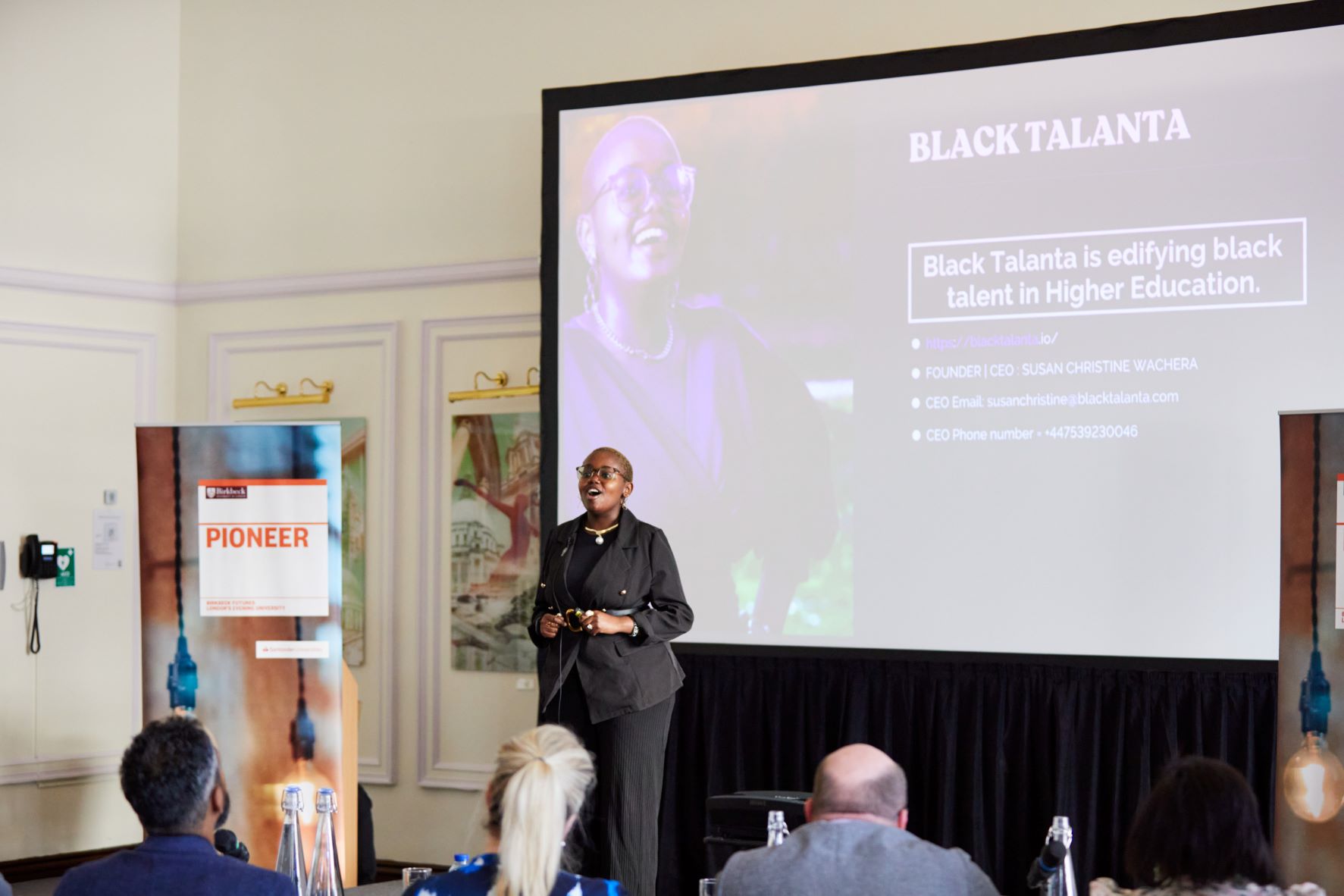
Susan Wachera presenting at the Pioneer Awards ceremony

How did Pioneer help you progress your business idea?
Pioneer was absolutely phenomenal. It helped me move from concept to product in only three months, which is almost unheard of. I was focused on applying everything I learnt on the programme, and I was taught how to set up a business in the right way, so I managed to set the foundations for my business quickly. I really appreciated all the Pioneer workshops, mentors and resources – it definitely helped me get opportunities, such as working with the Deputy Mayor of London, Silicon Valley, and the United Nations. I would definitely recommend the programme to other students.

What are your plans for the next few months?
For Black Talanta to really work at the scale I want it to, I’m looking to develop more partnerships with employers, so I can bring in as much talent into the workforce as I can.

Further information

“Not all Deaf people know sign language and not all sign languages are the same”

Psychology student, Silvia Janickova discusses how inclusivity and accessibility have got considerably better but there is still a long way to go.

a pic of Silvia Janickova

Silvia Janickova

1. What are your thoughts on the significance of popular culture, especially film, in representing the experiences of deaf and hearing-impaired people?

One thing I would like to see more of is the representation of Deaf and hearing people interacting more with each other. CODA (the Oscar-winning film) and other films with Deaf or hard-of-hearing characters often portray hearing and Deaf communities as largely separate entities with the conflict revolving around the gap between them. I feel this is not reflective of the life richness that goes way beyond deafness versus “hearingness”.

2. What is the biggest misconception people have about people from the deaf community?

One of the misconceptions is that we are excellent lipreaders. In reality, lipreading is hard and largely a guesswork. Face masks during the pandemic have made the already precarious lipreading art even trickier.

There is also a gap between how many Deaf and hard-of-hearing people perceive themselves and how we are perceived by the society. Deafness is often seen as a “deficit” or impairment, but for us, the real issue is communication barriers and lack of inclusive environment.

Another misconception is that all Deaf people know sign language and all sign languages are same. For example, when doing my BSL courses in London, BSL used in Manchester had such a different accent that at times it felt like a whole new language for me!

3. Do you feel things have got better for deaf people, when it comes to understanding and inclusivity?

I think inclusivity and accessibility have got considerably better compared to even just a decade ago. That said, there is still a long way to go.

For example, and related to the film theme, cinema screenings often come unsubtitled so we cannot go and see the films we would like to watch.

Deaf people are also underrepresented in professional roles and there are persisting barriers in the job market.

Social events can be also difficult. In the end of the day, we are all humans and above all, we all want to feel that we belong. Many of us have learnt to be great pretenders and nod and smile at the right places. Simple things such as facing us, speaking clearly and typing things when it gets too noisy around can make a big difference.

4. What’s your own personal experience as someone who is deaf?

As a Deaf person who grew up entirely in the hearing world, finding way both to the hearing and the Deaf communities as an adult has been a journey for me. It has often been difficult, but it has also enabled me to meet many amazing people, both Deaf and hearing, and gain and wealth of experiences. Ultimately, all of this has shaped who I am, as a solution-seeker and a lifelong learner, not only in the academic sense, but also in terms of always learning something new about myself and other people.

5. What support have you received from Birkbeck?

As a substitute for spoken aspects of lectures, I use captioning or transcription and electronic note-taking. Studying as a Deaf student can be harder, since DSA (governmental funding scheme for communication support) only covers partial expenses for Deaf students. The pandemic has brought increased accessibility due to widespread use of automatic subtitles, but also additional challenges. However, the Psychology Department, where I study, and my disability team have been absolutely fantastic and really went extra mile to ensure the great studying experience for me.

The diversity of the student body has been also very attractive for me as a Deaf mature student. I am now in my final year and loved my Birkbeck experience so much that I am hoping to continue here for my Masters.

Further information:

“British Sign Language is receiving far more recognition”

Ari Laughlin, Psychology student, offers a perspective as a Deaf student, including praise for Birkbeck’s “high quality” and “versatile” disability services.

Pic of Ari Laughlin

Ari Laughlin

– How does popular culture, especially film, represent the experiences of deaf and hearing-impaired people?

I think that popular culture is extremely significant for representing the experiences of D/deaf and hearing-impaired people, especially since most hearing people have never met or have had to interact with a d/Deaf, Hard-of-Hearing or hearing-impaired person before. Popular culture forms a significant gateway for learning about groups of people. “A Silent Voice” is a very accurate representation of many deaf people’s experiences because it demonstrates how little sign languages are generally known by the public, and shows how Shoko Nishimiya, the deaf character, struggles to hear in most situations with just her hearing aids and needs Japanese Sign Language to be fully immersed in social interactions.

– Can you share the biggest misconception people have about people from the deaf community?

That there is only one, singular Deaf community with one sign language and culture across the globe when there are thousands of Deaf communities with their own individual cultures, sign languages and regional dialects. These communities and sign languages, particularly those from other countries in the Anglosphere, are often misperceived as belonging to American Deaf cultures, which, on the other hand, receive a lot of media and pop culture coverage. In contrast, British Sign Language and British Deaf cultures receive little representation and coverage. Rose Ayling-Ellis’ appearance on “Strictly Come Dancing” is probably the most exposure British Sign Language and British Deaf cultures have had so far in popular culture and in the media.

– Do you feel things have got better for deaf people when it comes to understanding and inclusivity?

For British d/Deaf people, yes and no. Yes, since British Sign Language is receiving far more recognition today than it was before and Deaf psychology – particularly the clinical, counselling and neuroscience fields – is gaining traction and breaking barriers for d/Deaf people. However, schools for the d/Deaf across the UK are shutting down and more d/Deaf children are having to attend mainstream schools. Deaf education is still highly stigmatised and most d/Deaf children, including those with cochlear implants, struggle significantly in mainstream schools where they cannot hear their teachers and classmates or may not even understand English itself. Teachers of the Deaf, who use British Sign Language, form bridges to the curriculum for d/Deaf children because English is largely inaccessible for many of these children since they cannot hear it. British Sign Language is fully accessible to d/Deaf children and acts as a steppingstone for the acquisition of English skills. D/deaf children often cannot have this highly specialist support in mainstream schools and many have very poor English receptive and comprehension skills because of this.

– What’s your own personal experience as someone who is hearing-impaired?

I can only really speak as a deaf person who was brought up as oral with exposure to Deaf cultures and British Sign Language much later in life. Although I had to attend mainstream schools – which I struggled significantly in – I was lucky enough to be able to eventually attend a school for the d/Deaf and largely receive the support that I needed. Regarding Deaf communities, my own experiences have varied vastly. Despite having experienced awful racism from some Deaf people about my partial East Asian heritage, many others have taken me under their wing to teach me British Sign Language and their cultures. I think that that is down to the general lack of accessibility, which pushes Deaf communities and d/Deaf people to the very edge of society and consequently shuts them off from the wider world. I was also very fortunate to be able to receive psychological therapies from Deaf clinical psychology services, which are very scarce throughout the UK.

– What support have you received from Birkbeck?

I have received specialist electronic note taking for the d/Deaf and live captioning support. This support meant that I could transfer very easily to online learning and that the pandemic had no negative impacts on my studies. Seminars and lectures became far more accessible and inclusive for me. The disability support that I have received from Birkbeck has been the highest quality and the most versatile for my needs so far. I cannot further express how phenomenal Birkbeck’s Psychology Department, Disability and Dyslexia Service and Mental Health services have been throughout my studies.

Further information:

Why World Wetlands Day is now being officially observed by the United Nations

Wednesday 2 February 2022 marked the first official observance of World Wetlands Day. In this blog, Dr Dale Mineshima-Lowe, Lecturer and Acting Programme Director of MSc Environment and Sustainability, explains the significance of the day and how it’s raising awareness of biodiversity, climate mitigation/adaption, and the global environment.  

Wetland in Korea

Wednesday 2 February marked the first official observance of World Wetlands Day, adopted by the UN General Assembly in August 2021.  February 2 was chosen as the date to mark the anniversary of the Convention on Wetlands (also known as the Ramsar Convention on Wetlands), adopted as an international treaty back in 1971. 

Since 1997, the 1971 Convention has been celebrated annually as ‘World Wetlands Day’, as a means of raising awareness about how global wetlands are critical ecosystems that contribute to various global environmental and sustainability issues. The 2021 UN Resolution has now adopted this day officially as an internationally observed day. This additional recognition, it is hoped, will highlight the issue within public discourse, raise concern for the issue, and mobilise political will and commitment (national and international) for resources towards wetlands protection, restoration, and preservation.  

‘Wetlands’, broadly defined, covers a multitude of water ecosystems – natural and human-made, including both freshwater and marine-coastal ecosystems – such as mangroves and other coastal areas, coral reefs, tidal flats, estuaries, swamps and marshes, rivers, lakes, and underground aquifers. This year’s theme of ‘Wetlands Action for People and Nature’, explains how wetlands are ecosystems that contribute to biodiversity, climate mitigation and adaptation strategies. Its focus on the inter-relationship between nature and people is meant to serve as a ‘call to action’ – dedicating human, financial and political resources to protection and restoration efforts.  

According to the Ramsar Convention on Wetlands – Global Wetland: Special Edition 2021 report, global wetlands deterioration is widespread, impacted by climate change – with changing weather patterns creating more risk of droughts and flooding – causing ecosystem damage and degradation. While the report identified the negative impacts on wetlands, it also recognised wetlands as important for their role as part of climate mitigation and adaption strategies. It highlighted that wetland ecosystems can be both solution and problem dependent on how they are managed – as power source carbon sinks if undisturbed and maintained, or a source of greenhouse gases if allowed to degrade. This is where the report, along with the call to action of this year’s World Wetlands Day theme, calls for the need to enhance coordination and integration across different sectors – wetland management, agriculture, and urban development amongst others for instance. It highlights the need not only for international agreements and national strategies, but the commitment of vital resources to actualise the agreements in the short and long-terms.   

Further information  

Spanner in the works for a parasite motor

Throughout World Antimicrobial Awareness Week, we’re featuring key areas of research at Birkbeck relating to the management of diseases. In this blog, we feature the work of former PhD student, Alex Cook, who is looking at new approaches to malaria control.

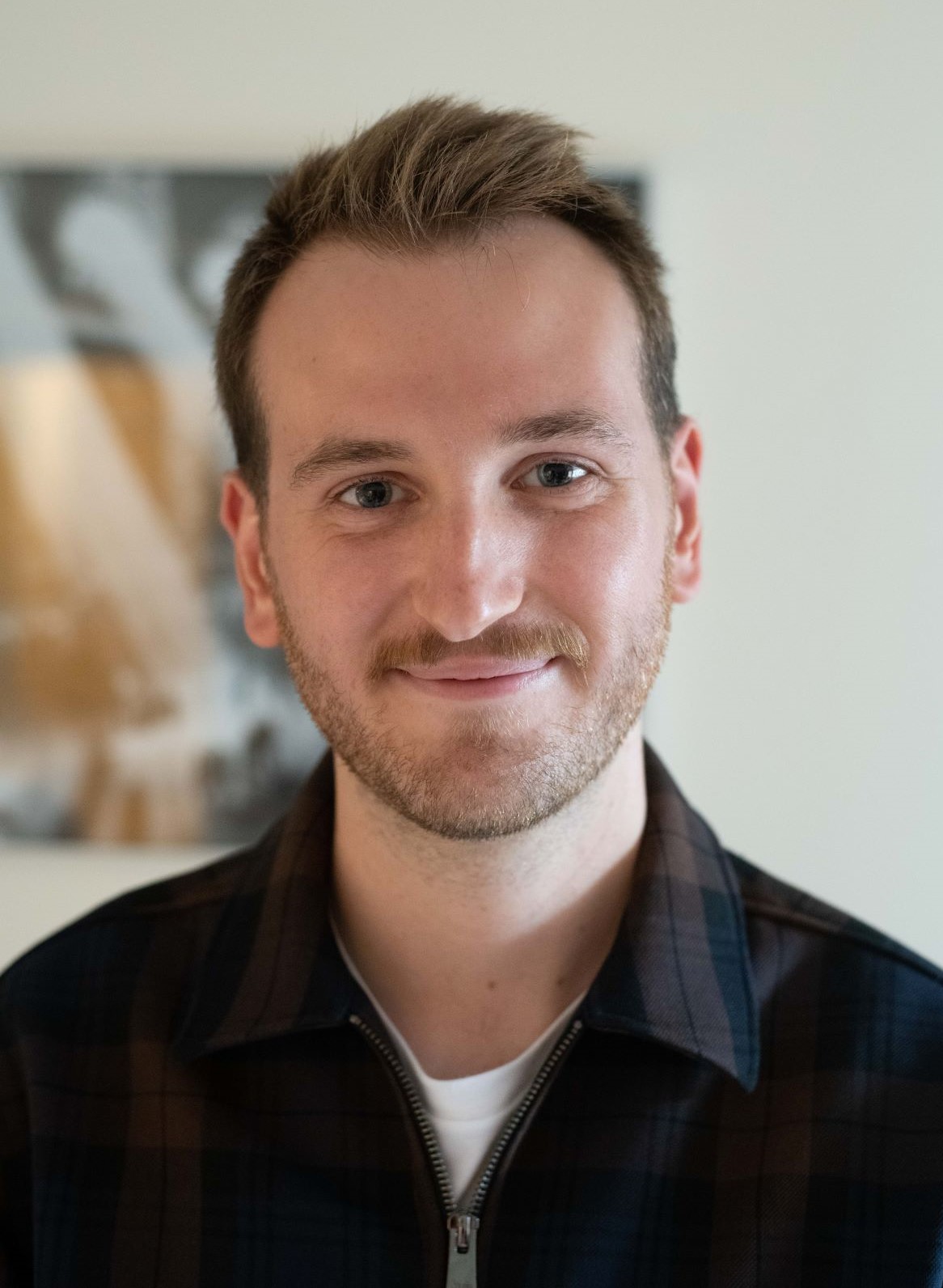
Alex Cook

Alex Cook

Separated by 85 million years of evolution, the parasite Plasmodium falciparum that causes the most deadly form of malaria, is a very different beast to its human host. Yet the challenge for malaria treatments is that they must kill the parasite but not destroy the cells of their human host in which the parasite hides. Malaria is a massive disease burden world-wide. Hundreds of thousands of people are killed each year, the majority of which are children younger than five. In Africa, disruption arising from the COVID-19 pandemic to existing measures also threatens to undo the last decade of malaria control. With resistance to current frontline therapeutics rapidly rising, new drug targets and vaccines are urgently needed.

Malaria-causing parasites are single cells and have a complex life-cycle within both human and mosquito hosts. The many iterations of parasite proliferation that are essential for disease transmission are driven by intracellular machinery called the mitotic spindle, which is built of cytoskeleton components called microtubules. This machinery ensures the correct distribution of replicated chromosomes to the newly produced cells. Targeting of the mitotic spindle by drugs is well-established in a variety of settings – notably human cancers – and components of the malaria proliferative machinery are thus attractive anti-parasite targets.

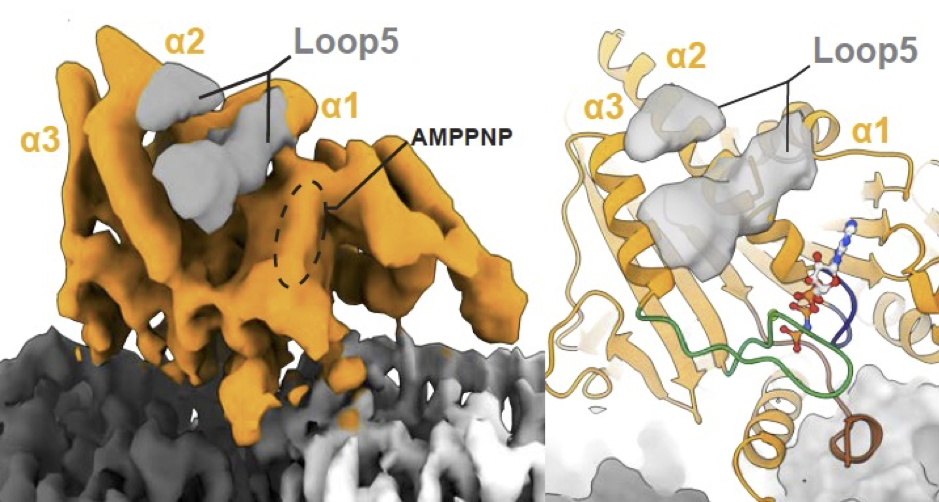
As part of his PhD work in the research group of Professor Carolyn Moores (Biological Sciences), Alex Cook studied a component of the malaria mitotic spindle machinery, a molecular motor called kinesin-5. Kinesin-5’s are a family of proteins known for their ability to ‘push and pull’ microtubules to create ordered structures within the cell. Alex used a very powerful electron microscope to take images of kinesin-5 molecules – which are around a millionth of a millimetre in size – bound to individual microtubules. He then used computational analysis to combine these pictures and calculate their three-dimensional shape, thereby providing information about how the motors work in the parasite themselves.

the Kinesin protein that contributes to malaria

Using this information, Alex – who is co-supervised by Professor Maya Topf and also collaborates with Dr Anthony Roberts, both also in Biological Sciences – showed that although the malaria kinesin-5 motor shares some functional properties with human kinesin-5, there are several key differences that indicate it might be susceptible to specific drug targeting. Confirming this idea, Alex found that a drug-like molecule that blocks human kinesin-5 activity does not affect the parasite motor.

Alex Cook, who is now a postdoctoral researcher at the University of Oxford said: “To uncover new approaches to malaria control, we urgently need to look at new molecules from the parasite. Using high resolution electron microscopy, this first look at a parasite cell division motor will provide a springboard for discovery of small molecules that can disrupt malaria replication.”

Professor Moores commented: “Alex’s hard work, together with vital support from our department’s lab and computational teams, demonstrates the power of electron microscopy to explore medically important challenges.”

Alex’s work was recently published in The Journal of Biological Chemistry (https://doi.org/10.1016/j.jbc.2021.101063). Future directions for the project involve further investigation of specific motor inhibitors, and also of the function of kinesin-5 in the parasite itself, in collaboration with the research group of Professor Rita Tewari at the University of Nottingham.

Further information

Abusing Antibiotics: The Unknown Phenomenon

This week, 18 to 24 November, marks World Antimicrobial Awareness Week, and this year’s theme is ‘Spread Awareness, Stop Resistance’. In this blog, Professor Sanjib Bhakta, Professor of Molecular Microbiology and Biochemistry, discusses the effect of the COVID-19 pandemic on antimicrobial resistance, why this is so alarming, and how research at Birkbeck is making a difference.

Headshot of Professor Sanjib Bhakta

Professor Sanjib Bhakta

Antimicrobial resistance (AMR) is an alarming global crisis which inevitably arose alongside the ground-breaking discovery of antibiotics and its subsequent use to save billions of human and animal lives. The ongoing COVID-19 pandemic has caused a redirection of resources worldwide to fight the coronavirus. Naturally, this has meant resources such as Global Challenges Research Fund (GCRF) to fight antibiotic resistance have been disrupted.

COVID-19 has affected AMR rates and research dramatically in the last 18 months. There have been changes in availability of staff to research, treat and screen for AMR pathogens (disease-causing germs) leading to under-reporting of AMR cases. There has also been an increase of broad-spectrum antibiotic prescription, at least in some parts of the world due to possible bacterial co-infection and clinical presentation of cases, which has led to increased selection pressure on pathogens. As well as this, the introduction of disinfectant overuse could be driving mutation and increasing AMR rates. Despite reduced exposure due to COVID-19 measures, other factors have meant that AMR rates have increased. In order to stop this rise, better stewardship for antibiotic use need to be implemented.

Tackling the rise of antimicrobial resistance is central to our multidisciplinary research at the Institute of Structural and Molecular Biology (ISMB) Mycobacteria Research Laboratory and for our national and international collaborative partners. We investigate metabolism in order to address antimicrobial drug resistance in tuberculosis (TB); tackling this challenge by discovering novel antibiotic-leads and repurposing over-the-counter painkillers to cure TB and other non-tubercular mycobacterial (NTM) infections.

We have paid special attention to the study of the cell-walls of World Health Organisation (WHO)-priority bacteria in an ongoing ASEM-DUO fellowship exchange programme between the Indian Institute of Technology – India and Birkbeck, University of London, as cell-walls are an important site for attack by antibiotics such as penicillin. This inter-institutional collaboration between the UK and India continues to build a strong international research programme to tackle AMR and accelerate the development of new and effective treatment options.

Parallel to our lab-based research endeavours, we have integrated interdisciplinary approaches to tackle antimicrobial drug resistance in superbugs in partnership with ‘Joi Hok’, a community TB awareness programme in West Bengal, India. In this award-winning Microbiology Society Outreach Prize project, we have raised awareness of TB and antibiotic resistance with school children, their families, and local communities, through traditional storytelling, folk art, painting, and music.

To mark World Antimicrobial Awareness Week 2021 at Birkbeck, we have organised a student-led public-awareness presentation, an international students’ experience event and a research webinar series where we will be brainstorming the significance of interdisciplinary initiatives and strategies to tackle AMR.

If the current trend continues, there will be more than 10 million preventable deaths every year by 2050. Therefore, we must take every possible measure against antibiotic resistance in infectious diseases, now rather than later, before this major global health challenge goes beyond our capacity to control.

Further information