Author Archives: O Bickers

“The London Critical Theory Summer School made me think differently”

Every year, the Birkbeck Institute for the Humanities (BIH) runs the London Critical Theory Summer School. In this blog, participants from this year’s Summer School and previous years, tell of their experiences and its impact on their work and lives.  

2022 participants

Thomas Gilloch Boyle, London School of Economics
I was very grateful to receive the OSUN bursary to attend the Critical Theory Summer School at Birkbeck. I was excited at the opportunity to listen to and interact with such highly respected academics both from Birkbeck, and the world. Coming from a university background in Politics and International Relations, I was especially looking forward to speakers with a highly political background but was also really grabbed by those working in other disciplines, such as psychoanalysis and social theory. It was a great privilege to learn in such a unique and special environment, allowing for the opportunity to develop academically and personally. The sessions were well-organised, thanks to Esther Leslie, Jacqueline Rose and all the other staff who worked so hard. This afforded the opportunity for students to speak as well as the academics. The sessions were varied, covering a diverse range of issues, contemporary challenges, and perspectives within the overarching sphere of critical theory. The summer school tackled immediate and pressing issues, on a more local and global scale, with the diverse backgrounds of participants meaning a broad variety of contexts and ideas were discussed. I really enjoyed and valued hearing from my peers and appreciated that there was ample opportunity for students at the school to engage. This was further emphasised by the diverse disciplines that the students at the school worked in, both within the academic sphere and outside of it. It was fascinating to hear people’s perspectives drawing on their own experiences and research. I leave the summer school with a longer reading list than I arrived with, and it was long enough already!

Rebeka Pushkar, Central European University
I am very grateful to have received an OSUN bursary to attend the 2022 London Critical Theory Summer School. Not only did I get to interact with thinkers that I have been reading and admiring for years, but I also met like-minded people from all over the world. It was truly inspiring to be surrounded by people who are asking the same types of questions as you, especially given the fact that critical theory is suppressed in many departments. The opportunity to collectively learn, share knowledge, ask questions, and debate reminded me that I am part of a community that transcends institutions and borders.

It was especially fascinating to learn about all the different types of organizing that people do across the globe. I appreciated that both the speakers and the participants were attentive to the dimension of praxis that could have been overlooked at a program focused on theory. Instead, people gave concrete examples, talked about their direct involvement in their communities, and insisted that we think about the material applications of every theory we were considering.
Jacqueline Rose and Esther Leslie were both very attentive throughout the two weeks. They maintained an openness to the participants’ specific interests while keeping the discussions structured and focused on the speakers’ lectures. Overall, I found myself reinvigorated by the Summer School in spite of (or, perhaps, due to) the fact that the discussions were intellectually challenging and my “to-read” list grew every day.

Lala Darchinova, Central European University
The London Critical Theory Summer School was a staggering event! Receiving a generous bursary from the Open Society University Network allowed me to become a part of this intellectually stimulating school.

Despite being prior familiar with critical theory and relevant literature, participation at the LCTSS shed a light on unexplored topics such as psychoanalysis and political aesthetics. Along with learning new perspectives, I truly enjoyed the debates and discussions around more familiar topics. Being in contact with top-tier professors engaged in critical theory such as Etienne Balibar, Slavoj Zizek, Jacqueline Rose, Esther Leslie, Achille Mbembe, Costas Douzinas, Jodi Dean and many others stimulated my thinking on many questions currently bothering me.
I also want to especially thank Jacqueline Rose and Esther Leslie for both organizing, and managing the school and at the same being amazing moderators and speakers. I enjoyed every discussion with them!

Along with organization, the content of the school was highly rich and timely. Amidst the war in Ukraine, overall global turbulence and the uncertainty when all values and principles are questioned again, topics of war, nationalism, cosmopolitics, the future of capitalism, the meanings of freedom and liberty were necessary to discuss and think about again.
Finally, the careful selection of participants with very strong and diverse backgrounds was another distinct feature of the LCTSS. Along with lectures, private conversations and informal discussions made the school even more valuable and enriching.

2021 participants 

Stacey Keizan, Wits University, South Africa
Stacey Keizan is a junior researcher investigating Developmental Psychology, Behavioural Science and Social Psychology at Wits University, and was a recipient of the Open Society University Network (OSUN) bursary in 2021. 

What a privilege it was to receive a generous bursary to attend the 2021 London Critical Theory Summer School. It was such an incredibly insightful and thought-provoking two weeks!   

Firstly, it was an absolute honour to get to listen to such highly acclaimed intellectuals, whose work continues to inspire and guide my own intellectual pursuits. Jacqueline Rose and Esther Leslie were fantastic facilitators of the lectures and discussions, all of which were so well organized. They encouraged questions and discussion among participants, while constantly elevating the conversation. The opportunity to engage with the speakers on such a personal level was amazing, and the way in which different perspectives were expressed and highlighted made the lectures and discussion extremely thought-provoking.   

The content was novel and diverse and went a long way towards expanding my reading and theoretical understanding of critical theory. I loved the way the speakers engaged with current topical issues on a global scale and made the theory come alive with practical examples and debate that facilitated critical thinking and lively discussion among participants.  A surprising highlight for me was the opportunity to hear such diverse and global perspectives from attendees. The group discussions were always so interesting, and I loved the multidisciplinary perspectives that attendees brought to these discussions, which often introduced me to new theory and stimulated my reading and interest in different avenues. Given that some of the lectures and readings were outside of my area of knowledge and understanding, I felt that the Summer School really stretched me.  

Golam Mostofa, BRAC, Bangladesh
Golam Mostofa was studying for a Bachelor of Pharmacy (BPharm) with Honours degree as a final year student when he enrolled on the Summer School. He wanted to expand his understanding of critical analysis and thinking in order to be effective in the critical analyzing and decision making of important issues, both personally and professionally. 

My learnings from the Summer School exceeded my expectations and I was quite amazed to learn many things from the professors and participants. I was always interested to learn more about critical theory but never got the chance to meet such great critical thinkers before. Living in a developing country limits many aspects of education. This program was the very first Summer School that I ever participated in and coming from a very small rural primary school to attend the Summer School was a great achievement for me. My parents were very proud. They’ve had very little education themselves, but they always encouraged me with every step. 

The Summer School added a new dimension to my thinking and life. It created a new path for me to start a great journey. It created a new feeling towards life, and I can feel the changes. I was so overwhelmed by the influence of the current time and media, and how it was blocking me from reality. Critical thinking makes me think differently and creates new perspectives.  

The two weeks of Summer School were very special for me. We discussed topics that were very rich, lively and thought-provoking; every word of the Summer School was important to me. I found a welcoming and warm place where I can converse with great critical thinkers and would love to attend every year. I really thank everyone for this great experience and am forever grateful.  

Blogs from participants in previous years 

Gustavo Matte
Gustavo Matte, a researcher, novelist, and community education volunteer in Brazil, received the Open Society Foundation Bursary in 2019.  

It was two intense and wonderful weeks… a real watershed in my intellectual life. Thanks to the Summer School, I returned to my home country, Brazil – which is facing several social and political problems – with new intellectual and affective resources to think about our current situation and resist, on a daily basis, the rise of all types of violence (racial, sexual, economical etc.).  

The Summer School was a wonderful place to meet people from all around the world and share knowledge, experiences and ideas that allowed us to help each other in several crucial matters; solving personal research problems, broadening cultural perception, and also sharing social traumatic experiences from different places and times experienced by the students in a way that could help us to figure out ways to overcome these crisis through the comparison of similarities and differences of each case. For example, what worked in South America that could also work in Asia? How can left-wing organizations of one country avoid making the same mistakes that weakened their counterparts in other countries in the world? Is it possible to put our local experiences together to see the greater picture?  

The Summer School was the perfect opportunity for me to ally intellectual growth, friendship and international solidarity (a network of mutual support) in order to resist fascism. The classes, professors, colleagues, together with the experience of being abroad, opened the world up to me and helped me realise that we still have places and situations where we can think broader and dream together. 

Nombuso Mathibela
Nombuso Mathibela, a 24-year-old South African and a self-described academic and activist, was the first recipient of the BIH International Bursary in 2018.  

When I first heard about the Summer School, I was intrigued by the idea of being part of a programme that would attempt to situate psychoanalysis as a set of theories, and that could assist us in dealing with social and political life. I come from a legal background and activist spaces that have offered different pathways and frameworks to the pursuit of radical social and economic change. I was grateful for the opportunity to be part of an intellectual space that has deepened my understanding of critical theory.  

Understanding that theory is borne out of comparison and struggle, I really enjoyed being part of a programme that made space for students coming from different parts of the world to theorise about their different yet similar systemic conditions. This school created a space to negotiate ideas, experiences and the historical formation of theories while provoking me to consider the present-past and engage different ways of being or becoming and unbecoming. Laura Mulvey’s sessions on female voices and cinema were enchanting, challenging multiple assumptions about womens histories and feminist imaginations.  

Moreover, the invited scholars challenged us, adding much vigour to my intellectual and political life. Similarly exciting was the selection of students from different backgrounds, disciplines and research interests. Our class was quite special, and I was able to develop transnational relationships of unquantifiable importance. I am aware of many activist scholars and students who have shown an interest in the Summer School for both its content and the calibre of intellectuals who are invited to participate. I look forward to returning to this space. 

Further information 
Top tips for spending Christmas in London

Shweta Menon, BSc Marketing student, gives her tips for what to do over the festive period if you’re in London and away from home.

Helter Skelter at Winter Wonderland, Hyde Park

Winter Wonderland, Hyde Park

It’s beginning to look a lot like Christmas all around London. If like me you are away from home for the Christmas festivities and yearning for some festive warmth, London is the place to be! Gather your fellow globe-trotting friends as I take you through some of my favourite ways to spend Christmas in London:

Winter Wonderland: this is without a doubt London’s most treasured Christmas attraction located in Hyde Park. Step into a world of Christmas bliss with its very own Bavarian village and yuletide attraction. If you’re in the mood for adventure it’s got you covered with its roller-coaster, thrill-seeking rides and more. Hop onto the 53-metre-high Ferris wheel to enjoy breath-taking views of Hyde Park and Kensington Palace and gardens. Filled with bars, food market and Christmas markets, Winter Wonderland is sure to warm you up!

Ice skating: What a better way to get into the Christmas spirit than to wrap warm and ice skate across London various ice skating rinks? The Natural History Museum, Canary Wharf, Winter Wonderland and Somerset House, among others, are all home to Santa-approved ice skating venues in London.

Facebook groups: London-based Facebook groups are a great way to meet people in London as an international student, though do ensure your safety first. The groups regularly organise Christmas parties, Christmas Day dinners, Boxing Day lunches and even secret Santa’s! If you’re in London and your friends are UK students who have gone back home for Christmas, you can still soak in all the festivities even without your family around.

Christmas markets: It doesn’t matter if you’re on Santa’s naughty or nice list, you can still be on your nice list and indulge in a little “me” time by pampering yourself in the many Christmas markets in London. The main Christmas markets are at Harrods, Selfridges, Fortnum & Mason, and they have dazzling Christmas displays and seasonal decor. Also, most of the boroughs in London hosts their own little Christmas markets as well. Look up your local Christmas market and meet your neighbours and make some new friends as well!

Immerse yourself into these activities or visit your local Wetherspoon’s for a glass of mulled wine – either way do get out and soak in the festivities of the city, because London is the most alive during Christmas!

Hope you have a very Merry Christmas.

How to manage your studies during the festive period

Balancing studying and having fun over the Christmas break is a challenge! In this blog, three student ambassadors, Becca Aveson, Cecilia Danielsson and Shweta Menon, share their tips on how to enjoy Christmas whilst staying on top of your studies.  

Becca Aveson, MA Museum Cultures student 

Becca Aveson

One thing I like to try and do is give myself some mini targets and goals to reach each day that I study. This helps me overcome the holiday fatigue and pressures and puts less stress on me if I feel I am not working to my potential. My usual go-to is writing a bullet point list of things to do for that day, for uni, my job or any other tasks, including; reading and research, household chores, or work on ongoing projects like my dissertation(!).  

Don’t try to do too much in the day focus on one assignment, and then look at what you need to do for that. As you go through your list, set yourself some goals and rewards – such as after reading a chapter of a textbook, have a chat with someone you live with or have a coffee and a mince pie – or whatever makes you feel happy! This way you won’t feel as though you’ve missed out on any festivities, and when it comes to the various social gatherings you attend you won’t feel that pressure to be studying and you can enjoy yourself! 

Cecilia Danielsson, BA Linguistics and Language student   

Cecilia Danielsson

Studying during Christmas arrives with greater distractions, making it harder to focus and get assignments over the finishing line. However, Christmas introduces frivolity and fun and means we can decorate our study areas. I’d recommend putting up a miniature Christmas tree on your desk and finding fresher stimuli for mind maps, such as using Christmassy colours, like red and green. You could also put some Christmas music on in the background and lightly scented candles whilst you are studying. The festive period provides a time for reflection on the year gone by; use it to celebrate your achievements so far and have a wonderful Christmas break!  

Shweta Menon, BSc Marketing student 

Shweta Menon’s festive decorations

  1. It’s the most wonderful time of the year to SCHEDULE 

Plan how you are going to study and spend time with friends and family. Ask your family and friends what they’ve planned out over the festive period and set aside a couple of hours in the week for your social activities. Share your study schedule with them so they know when you won’t be available. Give yourself some zero-study days such as Christmas Day, Boxing Day and New Year’s Eve – these days you must switch off completely and soak in all the festivities! 

  1. Santa Claus is coming to the coffee shop 

Studying at home with festivities around can be quite a distraction so try finding a cosy coffee shop or library where you can focus and get your studies done effectively. 

  1. All I want for Christmas is someone to help me…

Seek support from your friends at university. They are in the same boat as you. Make study groups with your friends for revision, sharing notes and assignments. 

  1. Have yourself a merry little Christmas 

Lastly be too hard on yourself. Take time out to enjoy the festivities and refresh your mind because: “All work and no play can make Jack a dull boy!” 

Abusing Antibiotics: The Unknown Phenomenon

This week, 18 to 24 November, marks World Antimicrobial Awareness Week, and this year’s theme is ‘Spread Awareness, Stop Resistance’. In this blog, Professor Sanjib Bhakta, Professor of Molecular Microbiology and Biochemistry, discusses the effect of the COVID-19 pandemic on antimicrobial resistance, why this is so alarming, and how research at Birkbeck is making a difference.

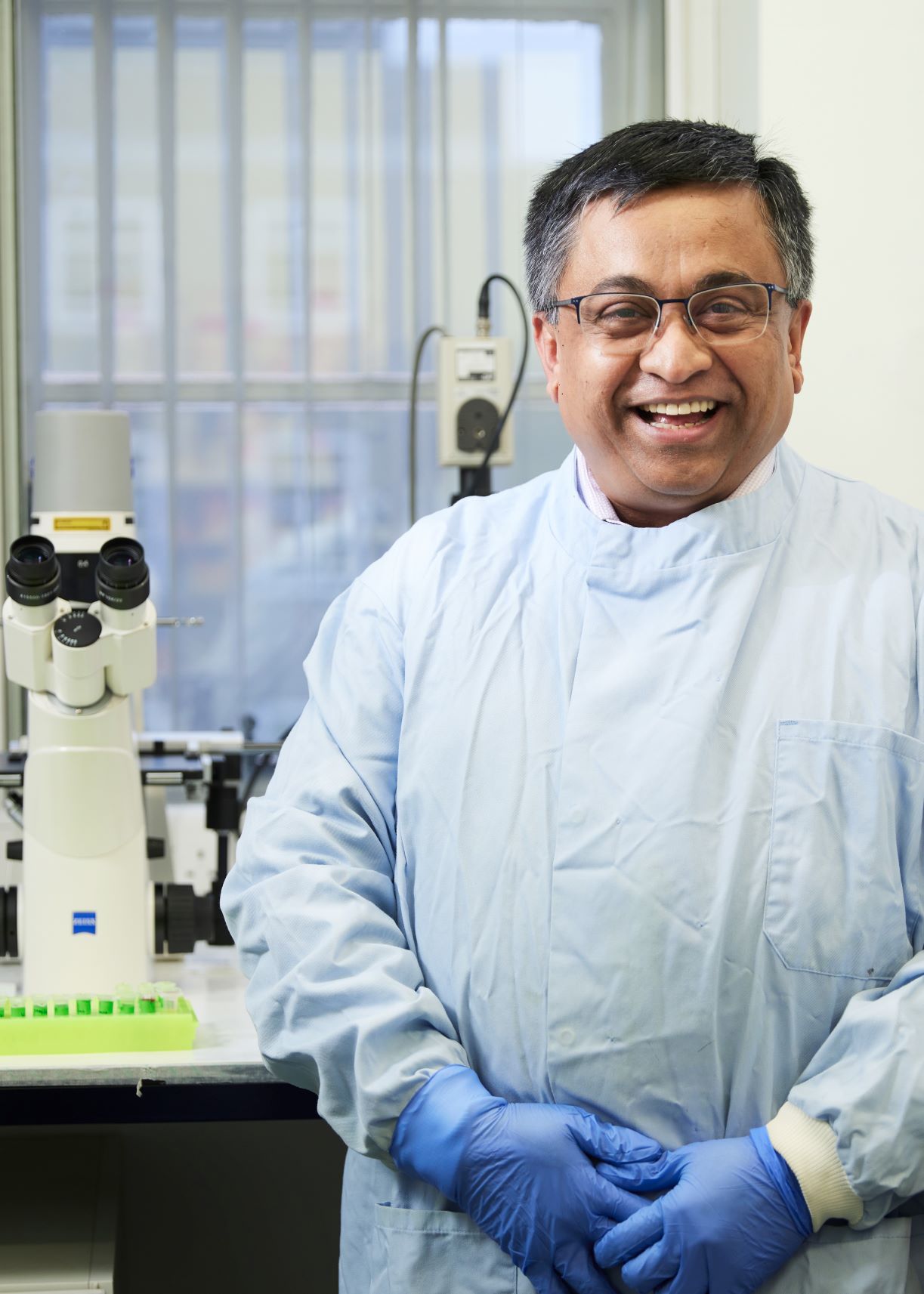
Headshot of Professor Sanjib Bhakta

Professor Sanjib Bhakta

Antimicrobial resistance (AMR) is an alarming global crisis which inevitably arose alongside the ground-breaking discovery of antibiotics and its subsequent use to save billions of human and animal lives. The ongoing COVID-19 pandemic has caused a redirection of resources worldwide to fight the coronavirus. Naturally, this has meant resources such as Global Challenges Research Fund (GCRF) to fight antibiotic resistance have been disrupted.

COVID-19 has affected AMR rates and research dramatically in the last 18 months. There have been changes in availability of staff to research, treat and screen for AMR pathogens (disease-causing germs) leading to under-reporting of AMR cases. There has also been an increase of broad-spectrum antibiotic prescription, at least in some parts of the world due to possible bacterial co-infection and clinical presentation of cases, which has led to increased selection pressure on pathogens. As well as this, the introduction of disinfectant overuse could be driving mutation and increasing AMR rates. Despite reduced exposure due to COVID-19 measures, other factors have meant that AMR rates have increased. In order to stop this rise, better stewardship for antibiotic use need to be implemented.

Tackling the rise of antimicrobial resistance is central to our multidisciplinary research at the Institute of Structural and Molecular Biology (ISMB) Mycobacteria Research Laboratory and for our national and international collaborative partners. We investigate metabolism in order to address antimicrobial drug resistance in tuberculosis (TB); tackling this challenge by discovering novel antibiotic-leads and repurposing over-the-counter painkillers to cure TB and other non-tubercular mycobacterial (NTM) infections.

We have paid special attention to the study of the cell-walls of World Health Organisation (WHO)-priority bacteria in an ongoing ASEM-DUO fellowship exchange programme between the Indian Institute of Technology – India and Birkbeck, University of London, as cell-walls are an important site for attack by antibiotics such as penicillin. This inter-institutional collaboration between the UK and India continues to build a strong international research programme to tackle AMR and accelerate the development of new and effective treatment options.

Parallel to our lab-based research endeavours, we have integrated interdisciplinary approaches to tackle antimicrobial drug resistance in superbugs in partnership with ‘Joi Hok’, a community TB awareness programme in West Bengal, India. In this award-winning Microbiology Society Outreach Prize project, we have raised awareness of TB and antibiotic resistance with school children, their families, and local communities, through traditional storytelling, folk art, painting, and music.

To mark World Antimicrobial Awareness Week 2021 at Birkbeck, we have organised a student-led public-awareness presentation, an international students’ experience event and a research webinar series where we will be brainstorming the significance of interdisciplinary initiatives and strategies to tackle AMR.

If the current trend continues, there will be more than 10 million preventable deaths every year by 2050. Therefore, we must take every possible measure against antibiotic resistance in infectious diseases, now rather than later, before this major global health challenge goes beyond our capacity to control.

Further information


A day in the life of a commuter

Valentina Vlasich, BA Film and Media with Foundation Year student, commutes from Milton Keynes for her work and lectures at Birkbeck. In this blog, she offers advice to other students commuting and explains why living outside of London is the perfect solution for her.

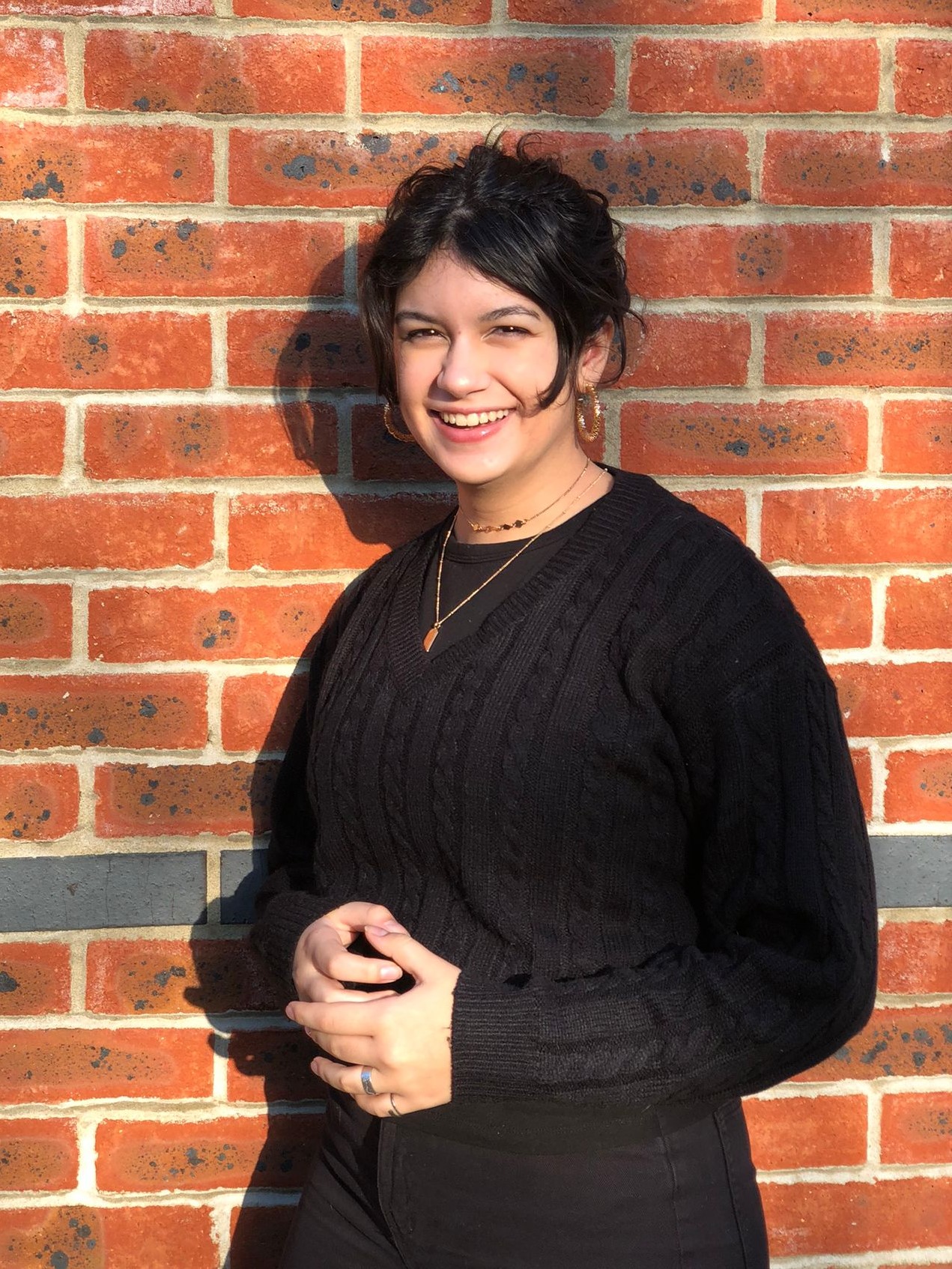
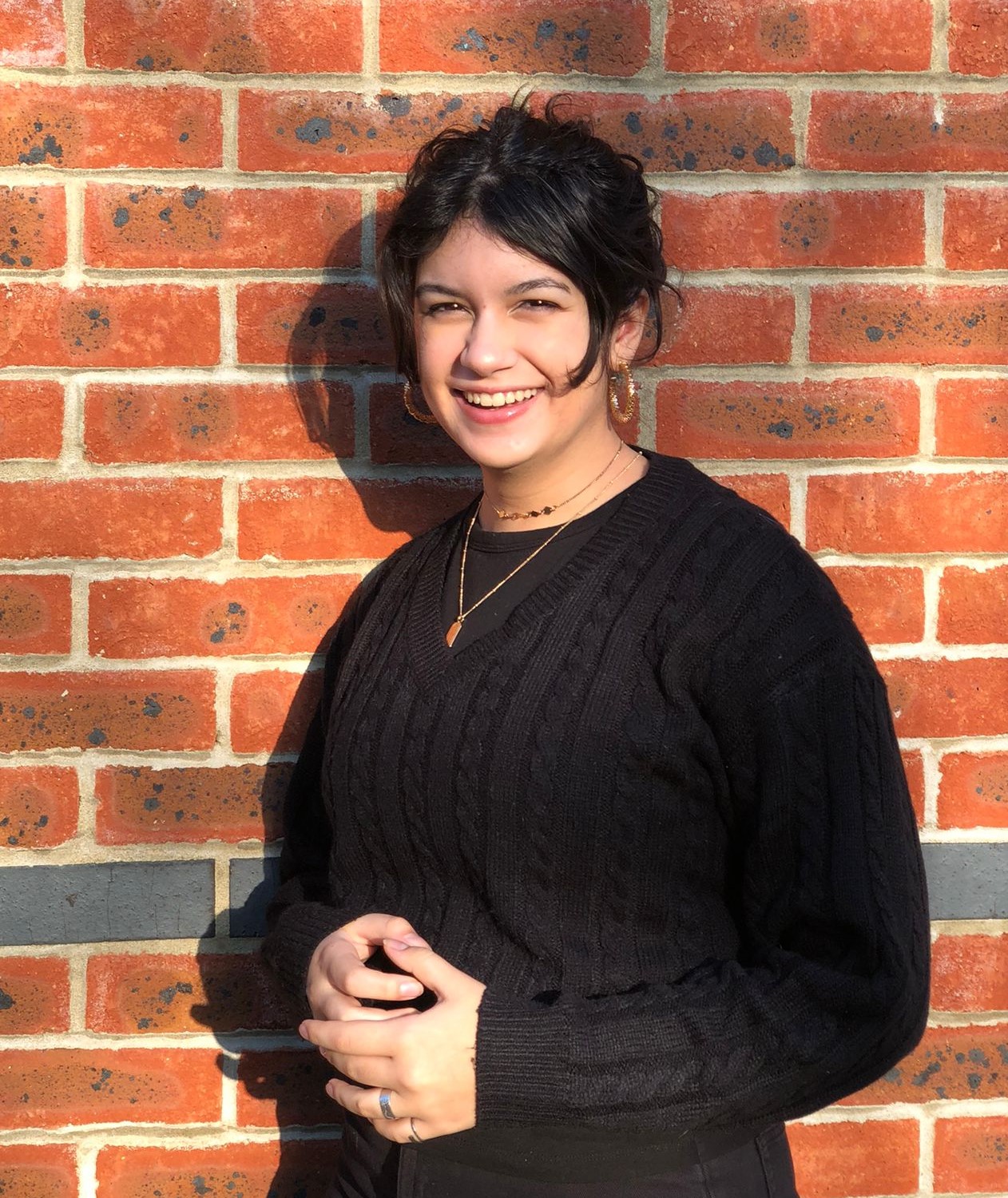
Valentina Vlasich

Commuting to university, a total nightmare according to some. A waste of time according to others. But living in the heart of London can be expensive, so many of us don’t have any other option but to commute. The issue, I believe, is that there are many misconceptions about commuting. For instance, that you can’t have a social life, that you must spend hours on a train or that you won´t have a true university experience if you do it. All of this, according to my experience, is not true. So let me give you some tips on how to make the best use of your day and money, and show you what a typical day looks like for me, a commuter in my first year of university.

My day starts in Milton Keynes. I try to get up as early as possible to fit in my workout routine and get ready. If I have the time in the morning I also catch up on lectures and take notes for my next class. When the time comes to go to the train station, I cycle there which takes me 10 minutes, and I usually take the train at noon, which gets me to London in about 40 minutes. A great tip for commuters who take the train is to check out the National Rail Railcards, which reduce your travel costs by a substantial amount. For example, I bought the railcard for 16 to 25-year-olds, which cost £70 and it saves me a third on rail fares for the next three years. Another hack is to get on trains that are off-peak or super-off-peak because they are cheaper, you can check this out on the Trainline website. When I arrive at Euston Station it’s only a 10-minute walk to my work which is at Birkbeck. After that, I usually have about two to three hours before my classes begin at 6pm.

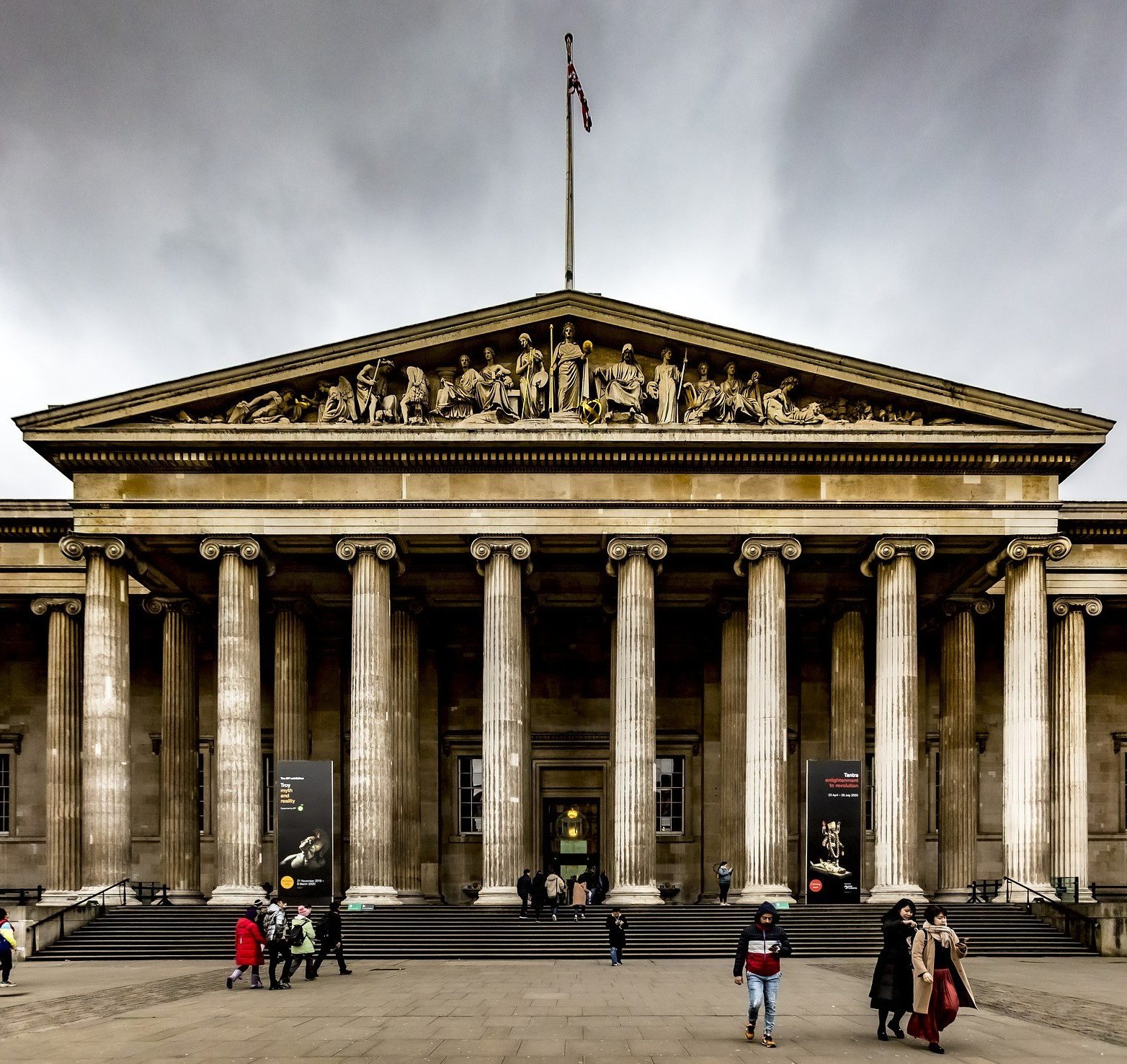
So, what do I do in my spare time in London? Well, a lot of things, but my top recommendations, which aren’t far away from Birkbeck, are the following: the British Museum, which is just around the corner; Chinatown, which is a great area to enjoy a variety of food; and, if you don’t mind a little walk, Southbank has a great vintage book market that I love. Sometimes, when I have a lot of time to spare, I plan my day and visit a Picturehouse cinema or a theatre in Soho with a friend. And for those lazy days, I just grab a coffee and sit in Russell Square reading a book (it’s also a good park to have an outside workout). After that, I head to my classes.

Most of my classes are three hours long, so when I finish it’s already dark outside. Sometimes I head straight to Euston Station and go home, other times I stay for a while in London and go to a pub with my friends. There are also many nightclubs in London to check out. However, when it is one of those days when I go home earlier, I tend to take advantage of my time on the train and complete homework.

As you can see, commuting isn’t the end of the world. It even helps me make the most out of London because not living there makes it more exciting to visit. It also forces me to have a more established routine and helps me make the most out of my day. Therefore, from one student to another, I wouldn’t worry too much about commuting, it is part of the experience. Just enjoy your years at university and make the most out of every situation.

Further information

“If you’re considering a career change, I would say go for it – shifting your focus can reignite motivation”

Simon Hayes, Birkbeck Politics PhD student, recently successfully defended his PhD thesis and has since been offered his dream job. In this blog, Simon reveals how undergoing a career change in his early thirties, from being an audio engineer in London to completing a PhD in Politics at Birkbeck, was the best decision he could have made.

Simon Hayes

What was your path to Birkbeck? Why did you undergo a career change from being an audio engineer to studying global politics?

My path to Birkbeck began after a move to London from Canada in 2002 – the initial purpose for this relocation was the aspiration to work as an audio engineer in the music industry. Eventually, I managed to land a job at Mayfair Recording Studios near Camden Town where I stayed for six years. This was an incredible experience: not only was the studio host to the rising talent of that time, but many of the bands and artists I had grown up with would also frequent. By 2009, falling music industry budgets saw Mayfair (and other studios like it) close for good. After a stint of freelance work and a string of unpleasant temporary employments, I decided to focus my energy onto another pursuit.

The idea of studying did not cross my mind: I was 32, I had not been to university, and I was uncertain about whether I could perform in an academic environment. However, whilst travelling to work one day, I saw a tube advertisement for Birkbeck. I went to an open day and decided to study global politics and international relations; shortly after, I met with the programme convener who helped shed light not only on life at Birkbeck, but also the possible educational pathways I could pursue.

I was relieved to find out that Birkbeck offered Certificate of Higher Education programmes and that I did not need to commit to a whole degree; in fact, I did not even need to complete the certificate because the option of taking individual modules was also available. This is exactly what I did: my first module was ‘The Study of Politics’ – an introductory course which, in addition to covering basic concepts such as ‘the state’; ‘sovereignty’ and ‘the international’, also taught us key skills including efficient note taking, essay structure and writing a bibliography. While this served as a necessary first step that would facilitate my future learning, the experience felt revelatory: it wasn’t just that I was learning new things, but it was changing how I thought and viewed the world.

From thereon in I was hooked, I enrolled on further modules in order to complete the certificate and after doing so, went on to complete the full degree graduating with a first-class honours three years later. After spending twelve months completing a Master’s in global politics at the London School of Economics, I returned to Birkbeck in 2017 where I have recently successfully defended my PhD thesis.

What are your main hobbies and passions in life? Where does your interest in global politics and human rights come from?

Although my main hobby and passion in life has been music, the events that took place in the first decade of the 2000s (e.g. September 11 attacks, the war on terror, the Iraq War and the financial crash of 2008) really began to spark my interest in global politics. Throughout my studies, these interests intensified not only because I was engaged with theories and concepts that helped explain these global dynamics; but also because I was sharing this experience with a diverse group of Birkbeck students, some of whom were able to offer first-hand accounts of the issues and places being discussed; for example, Rohingya refugees, individuals from Kosovo who had fled in the 1990s, and former members of the Peshmerga.

As time went on, my research interests became more concentrated, primarily as a result of a module I took on European integration. Here, I developed an enthusiasm for the study of regional and global institutions (e.g. the EU and the UN); I would later fuse this with my passion for workers’ rights to form the basis of my PhD thesis which assessed the impact of the International Labour Organization (ILO).

What are your aspirations for the future? What would you say to people thinking about a career change?

I am interested in research positions within organisations that have a social welfare focus – primarily governmental or public institutions either at the local, national or international levels. I have recently been offered employment with a local authority as an analyst looking at the socio-economic factors driving health outcomes. This will, I imagine, be a challenging role with the potential to make some positive difference and as such, is an exciting opportunity and one that I owe in part to the Talent team at Birkbeck Futures – a service which assists students in their career development.

When contemplating life changing decisions like a career change, especially when it is later in life, it is normal to feel apprehensive and to worry about all of the reasons why it might be too much of a risk. But if you are feeling as though things are stagnating and thinking of such a move, I would say go for it – shifting focus can reignite motivation, especially if it is something you feel passionate towards. This in-turn helps produce the outcomes you are aiming for whether they are career oriented or for reasons of self-development.

I feel Birkbeck is an incredibly important institution that can facilitate this process for individuals in varied and even challenging circumstances. I am grateful to have had the Birkbeck experience and thankful that such an institution exists, I hope to stay connected to it for years to come.

Further Information

Horns and a tail – Satan’s ticket to stardom?

Tom Graham, English and Humanities PhD student, is researching the long and complex genealogy of Satan as it relates to contemporary culture and politics. In this blog, Tom looks at how Satan’s horns and tail may have helped him go mainstream.

If you fancy dressing up this Halloween, you can order these devilish accoutrements on Amazon:

Wearing a bow tie is not particularly associated with the Devil, but sporting horns and a reptilian tail most certainly is. Why?

We might assume that the reptilian aspect connects us directly to Genesis where the serpent first tempted Eve to eat the forbidden fruit. But in fact, Genesis does not at all equate the serpent with Satan or anything demonic. It’s just a talking snake that thinks Eve should be a little disobedient. Why does it think this and where did it learn to talk? Genesis doesn’t tell us, but in the second century the Christian philosopher Justin Martyr cleared up the mystery a little by identifying the snake as Satan himself. Over a thousand years later, Martin Luther ascribed to the Satan-snake a definite motive: having been thrown out of Heaven, he was seeking revenge by spoiling God’s ultimate creation, through introducing sin into humankind.

There is, then, a long association of the Devil with snakes. But what about horns? From the earliest centuries of Christianity right through to the Middle Ages, images of pagan gods were adapted and converted into images of the Devil. This process included importing attributes such as horns. In this representation of the Celtic god Cernunnos, we find both horns (his name literally means “the horned one”) and a very fine snake:

Cernunnos was a god of wild things and wild places, the very opposite of culture and human civilization. Thus, his uncivilized traits leant themselves to Satan, the arch enemy of the divine order of creation. The snake, having become permanently linked in the Christian imagination to one of Satan’s many guises, could be readily incorporated into the Devil’s anatomy as a reptilian tail. As for the horns, they remind us that Satan, like Cernunnos, might choose to adopt a seemingly human appearance, but that’s just for show; at heart, he remains a wild thing; uncivilized, unpredictable and dangerous.

What we see playing out here in the long process of development undergone by the form and image of Satan, is a strong sense of Satan moving fluidly between human and animal forms – or, as is often the case, settling on an uneasy mixture of the two.

William Blake depicts the Devil as a human/animal hybrid

For St Anthony, who was subject to prolonged and repeated attacks by demonic forces when he lived as a hermit, the Devil took not only the form of a serpent but also (amongst other things) a seductive woman. Freudians will at once pounce on the coming together of phallic and libidinal imagery, but since St Anthony died precisely 1,500 years before Freud was born, we must be mindful of psychological readings that belong to an earlier period in history. What we can say, however, is that the Devil’s ability to freely mix-and-match human and animal attributes allows him to slip readily from the elite heights of theology to the common currency of folklore. This is because folklorists who seek to categorize types of folk tales have discovered that no meaningful system of classification can be established in terms of the characters of the stories; exactly the same story can be told with human or animal protagonists since, in folklore (as in demonology), the two are freely interchangeable.[1] Satan, with his inter-species shape-shifting between human and animal, fits right into this pattern.

I believe that although Satanic attributes such as horns and tail were developed by Christian philosophers – i.e. by an intellectual elite – the fluidity of human/animal attributes allowed the conceptualization of Satan to enter more freely into the popular imagination – as we see today when horns and tails are sold online as Halloween novelties. These horns and tail have, I argue, played a part in saving the Devil from languishing in dusty theological obscurity by helping him achieve vitality and renewal in the narrative structures of folklore, native storytelling, and popular culture.

The Devil – instant “brand recognition” across eight hundred years of reinvention and reformatting

[1] Simon J. Bronner (ed.) (2007) The Meaning of Folklore, USA: Utah State University Press, p.103.

Further information


The Exorcist movie: who is the demon?

In this blog, Tom Graham, English and Humanities PhD student, examines the movie, The Exorcist, and delves into the meaning behind the demonic possession of 12-year-old Regan.

If you haven’t seen the classic 1973 movie The Exorcist (and if not, why not?), then SPOILER ALERT. The film centres around the demonic possession of a 12-year-old girl called Regan. During the course of her possession, she speaks in multiple demonic voices, levitates, famously vomits impossible quantities of green goo at the exorcising priests, and – just as famously – slowly rotates her head a full 360º.

The demonic possession of a 12-year-old girl called Regan in movie, The Exorcist

Dramatic as it is in the movie, the head-spinning scene has often been criticized for straining credibility since, by all the laws of human anatomy, Regan’s neck would break and her head would fall off. Which, of course, it doesn’t.

But I believe the head-spinning scene can be justified if we more fully identify the nature of the demon that has possessed Regan.

So, who is the demon? The film never names him, but his identity is in no doubt. In the opening scenes, we see an archaeological site in Iraq, where Father Merrin – the priest who will later lead the rite of exorcism on Regan – has an ominous encounter with the statue of an ancient Mesopotamian demon. Later, the image of this same statue will briefly appear thousands of miles away in the US during the exorcism itself. The implication is clear: this statue represents the demonic entity that has possessed Regan.

The statue depicts Pazuzu, perhaps the most fearsome of all the ancient Sumerian demons. He was associated (as were most demons at this time) with disease and illness. It is not quite accurate to say that the Sumerians believed that demons cause illness as such; rather, they regarded the symptoms of disease as the physical manifestation of the demon. Nausea, skin rashes, fever, aches and pains, swellings, tumours – these things were regarded as the actual embodiment and reality of the demon itself. A sufferer could describe a demon as “clothing itself” in his or her body in the form of disease.[1]

In keeping with Pazuzu’s Sumerian origins, then, we can consider Regan’s symptoms as the physical manifestations of as aspects of the demon. Indeed, there is a moment in the film when, after a long period of increasingly severe symptoms of possession, Regan’s voice and personality are both suddenly completely replaced by those of the demon. This moment is marked by Regan’s eyes turning white and (perhaps in anticipation of the later head-spinning) her throat swelling unnaturally.

But we might now say that, in Sumerian terms, these are not Regan’s eyes and throat anymore. They are Pazuzu’s eyes and throat, just as the personality and voice that were once Regan’s are now the personality and voice of Pazuzu. After all, the demon does not cause the symptoms of possession, the demon is the symptoms of possession.

So, if we continue to follow this line of thought, we can say that it is not Regan’s head that turns 360º but Pazuzu’s. We can’t complain that Regan’s neck would break because it isn’t Regan’s neck at all. It (more or less) looks like Regan’s neck and head, and after she is freed from the state of possession they will once again belong to her – but at that moment both the head and the neck are in fact Pazuzu’s. A human cannot, of course, spin her head right round, but evidently a demon can, and what we are witnessing is a demon spinning its head, not a human. By such logic, the head-spinning scene may be regarded as credible (at least, credible in the world of a film that posits the possibility of demonic possession).

“Possession”, then, must not be thought of here as some sort of spiritual hijacking, whereby one’s soul is overpowered by invading entities who take control of the body until driven out again by exorcism. Rather, we should think of it as a state wherein the human body becomes the malleable clay by which a demonic entity brings itself into physical existence. A lump of clay on a potter’s wheel both is and is not the pot that can be made from it. The lump and the pot are both the same stuff and substance, and yet they are different entities, not least because the pot has qualities (such as holding water) that the lump of clay does not. Similarly, during possession, human and demon both consist of the same stuff and substance, and yet the demonic manifestation has qualities – such as head-spinning – that the lump of human clay does not.

Further information

[1] From Ludlul bel nemeqi, written circa 1500 BCE, Mesopotamia.


How do we experience Satan?

Tom Graham, English and Humanities PhD student, is researching the long and complex genealogy of Satan and the history of Satanic evil. In this blog, Tom delves into how Satan is conceptualised.

Tom Graham

Exploring the genealogy of Satan requires me to pore over a great many theological and philosophical treatises on the subjects of demons, hell, the nature of evil, and so on. What emerges from this line of study are many different intellectually conceptualized images of Satan. But intellectually conceptualizing Satan strips him of the gut-punching terror and dark, dangerous glamour that so defines him. We cannot merely know what Satan is, we must feel what Satan is, otherwise he loses that which makes him what he is.

In contrast, then, to the intellectually conceptualized Satan of theology and philosophy, I am also concerned with the viscerally experienced Satan that we find in folklore, in the common imagination, in pop culture, and perhaps even in nightmares and fears about the dark. This is Satan as he extravagantly appears in movies, in video games, in various sub-genres of rock music, and perhaps even in the knowingly ironic ceremonies and iconography of modern-day Satanic temples.

I see this viscerally experienced Satan beautifully manifested in those cruel (but admittedly sometimes funny) YouTube pranks where an unsuspecting dupe is encouraged to play (or rather, believe that they are playing) a simple computer game whereby they must guide a dot through a maze without touching the walls; the victim’s face draws closer to the screen as they concentrate intently upon the game – and then, after a few silent minutes, there is a terrible scream and the mutilated face of the demonically possessed child in The Exorcist suddenly fills the screen. The victim’s reaction – which can be extreme and result in genuine tears and trauma – embodies what I am talking about when I describe a viscerally experienced Satan. Maybe those poor duped YouTube victims show us how we really ought to react to the concept of ultimate evil – not by conceptualizing it in theological and philosophical terms, but by screaming and hurling ourselves out of our chair.

And yet, at the same time, this viscerally experienced Satan has in no small part been formed and developed by the intellectual conceptualizations of the very theologians and philosophers who (I believe) fail to capture and express the emotionally experienced aspect of Satan that is (I also believe) essential to his nature. There is, then, an intriguing and complex dialectic relationship at work between the “intellectual Satan” and the “visceral Satan”.

Further information

Returning to campus

Fraser Keir, Academic Registrar at Birkbeck, reflects on how life has changed since the start of the pandemic, and urges people to be kind and considerate of others as many students and staff return to campus next Monday 4 October for the start of the autumn term.

The past 18 months have been a roller coaster for everyone in the Birkbeck community, myself included. Overnight Microsoft Teams became our new best friend and the gateway to keeping in touch with colleagues, friends and family. I clapped for our NHS heros and learned the value of an hours walk when you were only allowed an hours walk a day. For those in hospitals and care homes every second was precious, and for many people they lived day by day as the virus ravaged communities. We were all living, praying and hoping the worst would not come. As the fragility of life and the power of viruses came to the fore so awakened our compassion for others and the importance and value we place on the NHS and keyworkers, many of whom are students at Birkbeck. Jobs and roles that we may not have considered that critical in the past became essential – carers, lorry drivers, supermarket workers, nurses and cleaners to name but a few. Seeing empty shelves highlighted the inter-connectedness of our society and the just-in-time nature of how we consume. When things got really tricky during lockdown I only had admiration for the people keeping our country running whilst trying to look after kids, the oldies and often in home circumstances that were not always conducive to work, study and home schooling. I didn’t take a drive to Barnard Castle during lockdown but following the rules and being a rule keeper as well as being a university rule maker really became important to me as someone who works in the public sector. Having colleagues and students trust you are doing the right thing by them was both humbling and a heavy burden in equal measures.

Altering the way school pupils and university students were assessed and examined was one of the most fascinating aspects of the lockdowns. Some pupils and students loved online learning and some didn’t. What we do now know is that there are options to the traditional 2 or 3 hour closed books exams that work and these options can create a more inclusive learning environment by taking out some of the ‘exam hall anxiety’. Learners can learn from the comfort of their own homes and academic standards can be maintained by careful assessment design. There is much we can learn and benefit from continuing to support elements of digital learning and assessment.

It was through higher education and our scientific community that hope emerged. Issues that would previously have taken years to implement happened almost overnight – lockdown, furlough and, of course, a vaccine roll-out. We learned that we could be agile and do things differently. For many of us, productivity increased whilst working at home and not having to travel 10 hours a week on public transport. Coming out of this phase of the pandemic I’m going to retain some of the benefits of this experience and work flexibly as are many of my colleagues in Registry Services and across the College. Personally I feel that a good home/work life balance makes us all more productive.

As I start to attend meetings back in Bloomsbury, l continue to take a cautious approach to coronavirus. Why? Part of it is me trying to be a good neighbour to others in clinically or emotionally vulnerable situations. Part of it is me wanting to avoid contracting COVID-19. My hope is care and compassion will continue into the future and a focus on mental health is only a good thing. So, I’m now double jabbed. Thanks to Oxford AstraZeneca I can say I’m an Oxford lad as well as an alumnus of Aberdeen and the Open Universities. I’ve also had my flu vaccine and will take a booster shot for COVID-19 when they become available and I’m eligible to have one. I’m happy to wear a mask on campus even if its uncomfortable. I don’t like wearing masks but it’s my personal contribution to the health and safety of a wonderful 12,000 strong Birkbeck community. I’ll keep washing my hands and I’ll give people space when they want it. I’ll also take lateral flow tests when I have to meet others indoors. Is all this an inconvenience and an assault on my personal liberty? No, not really because a resurgence of coronavirus is the real issue and the real assault on our freedom. Kindness costs nothing and it is our kindness that will be remembered by colleagues, friends and family in the years to come. As we go back to our new normal and regardless of how strongly we hold views; if we can be anything, lets be kind to one another.

Further information