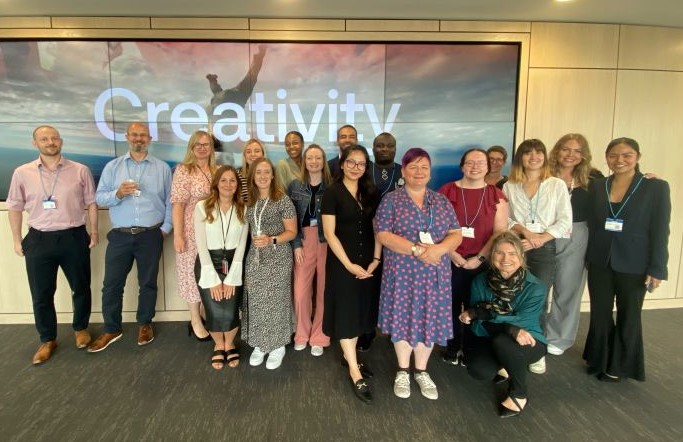
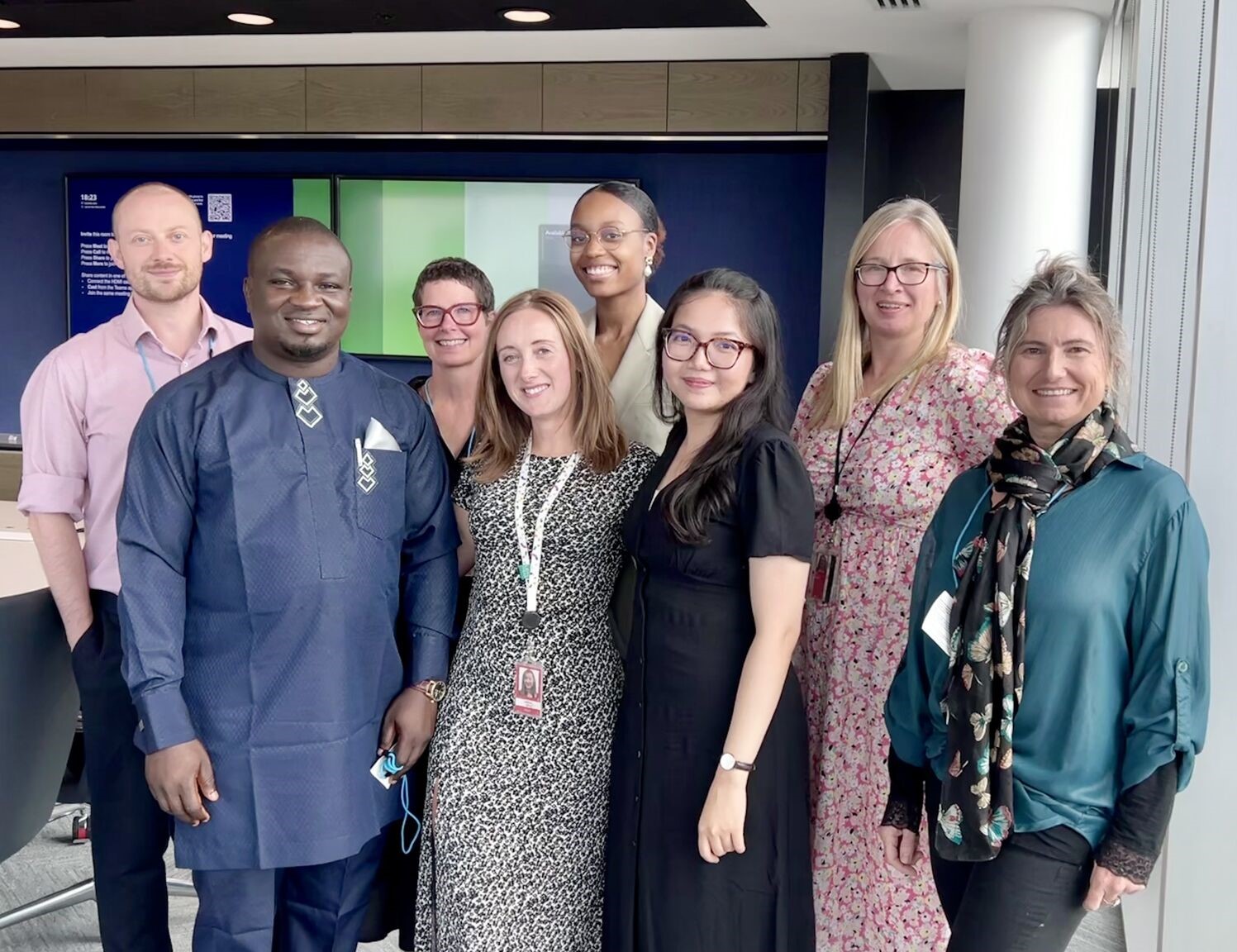
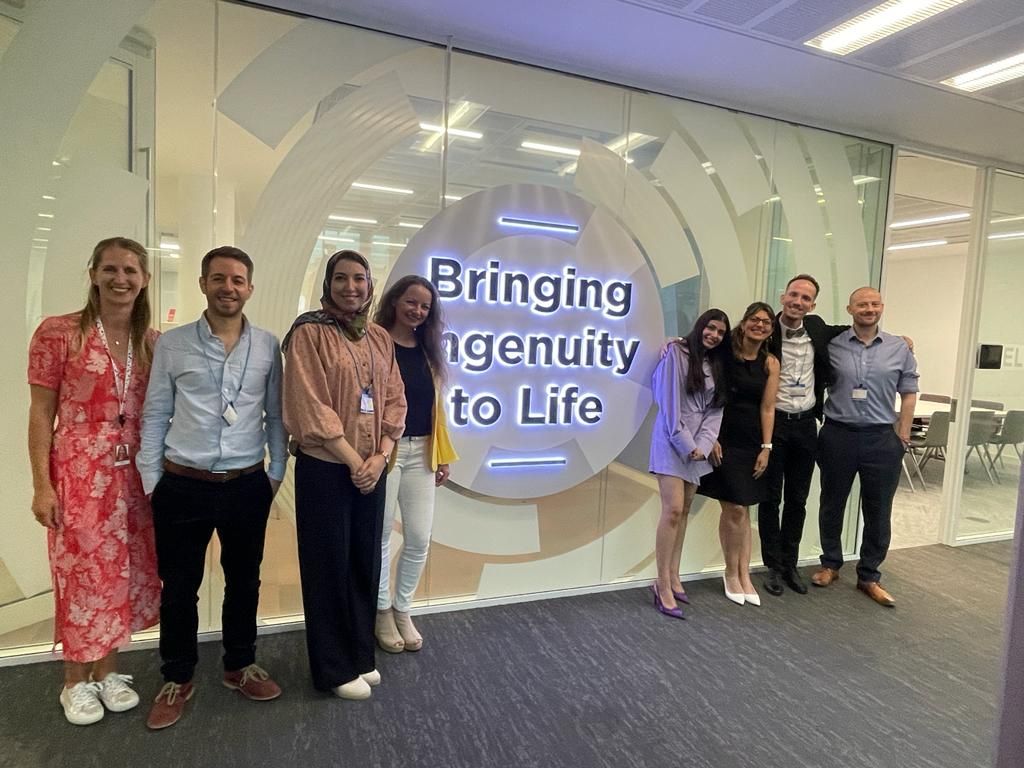
James Cull, Birkbeck Digital Education Consultant, spoke at the 2026 Media & Learning Association Conference in Belgium. Here, he shares his account of the event and some key learnings and reflections.
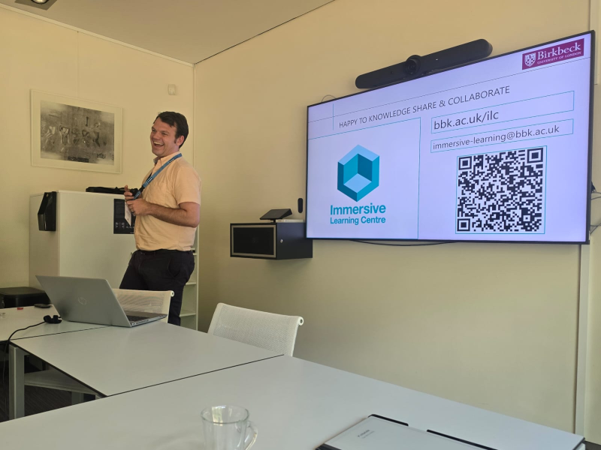
James Cull delivers his presentation at the 2026 Media & Learning Association Conference in Belgium
Every June, a small Belgian university town becomes the unofficial capital of educational media. This year I was fortunate enough to be invited to speak at the Media & Learning Association Conference 2026 in Leuven, Belgium on the 17th and 18th June, co-hosted with KU Leuven’s Learning Lab, and so got a free ticket to join educators, students, technologists and institutions to explore the theme: “Co-creating the future of learning.”
Anyone who has tried to innovate, implement digital tools into teaching or work out how education should respond to an ever-changing technological landscape, knows that “co-creating” is easy to say and hard to operationalise. I was asked to provide a perspective from the Immersive Learning Centre entitled “Building an Immersive Learning Community: Equipping Staff and Students to Lead Across Subject Areas”, to show how we are trying to build up capacity and put the tools in the hands of the users; I was thrilled to discover a shared purpose and that the approach we take in the Birkbeck Immersive Learning Centre is shared across Europe, the US and Australia: there are no better co-creators than those who will be implementing these new ideas.
The conference’s fourteen themes gave a decent map of where higher education’s collective head is at right now: flexible learning pathways, AI-supported co-creation, immersive and narrative-driven learning, new approaches to assessment, accessibility, lifelong learning. As I am only (checks notes) one person, it wasn’t possible to attend all the sessions I wanted, but here are some reflections, learnings and ideas I managed to gain whilst at this two-day conference.
Navigating a fragmenting reality
The conference kicked off with a fascinating talk from Rob Morgan, a visiting fellow at King’s College London, narrative designer, immersive experience designer, and so much more. In this fascinating talk, he proposed that the next big philosophical shift in how we relate to our own reality will be with the further spread of Meta’s smart glasses (already 9-10 million units sold) and their capability to “reskin” reality using AI. How do we prepare our students, and ourselves, to navigate an increasingly fragmented reality? Not only are we all seeing different content online, depending on what the all-powerful algorithm dictates, but with these smart glasses, we can no longer assume we are all seeing the same world around us. He raised some juicy questions: do we have the right to see and be seen however we choose, and do others have the right to see us as they choose?
Some ideas to get you thinking
The University of Adelaide had some interesting research from a student survey about pre-recorded content:
61% of respondents always or usually re-watch pre-sessional videos
85% of students find a lecturer talking in front of slides to be the most effective form of pre-sessional video
56% of students always or usually watch the videos with subtitles enabled, with 67% reporting that subtitles actually improve their understanding of the concepts covered.
They have implemented presentation training for their academics, as they found that presentation quality matters more than production quality. They also found the adoption of new media initiatives is much more effective if there is one person per faculty to act as a champion, so people know who to go to in order to find out more. If you’re interested in finding out about Birkbeck’s facilities, get in touch with Recording-Suite@bbk.ac.uk.
Interestingly, at VU University Amsterdam, students are given paid roles to act as partners with staff and the Centre for Teaching and Learning.
For many universities, a key question is how to get your academics to engage with new tools? Some university staff suggested that reframing this as a solution to a problem, rather than a way to merely enhance delivery, can lead to better uptake.
A personal milestone
I delivered my talk on how we use ThingLink and BodySwaps as tools for staff and students to lead on their own subject areas to a full capacity room. It was my first conference talk! If you’re interested in implementing ThingLink or BodySwaps to create your own interactive media, please get in touch (immersive-learning@bbk.ac.uk).
Members of Birkbeck’s Immersive Learning Centre (ILC) visited the Thames foreshore with Birkbeck Archaeology staff and students to investigate maritime artefacts at low tide. What followed was an unforgettable hands-on experience that combined history, technology, and creativity. Birkbeck work placement student, Jorge Bau I Munguira, shares how it went in this blog, after interviewing ILC staff member Luca Battiston.
A race against the tide
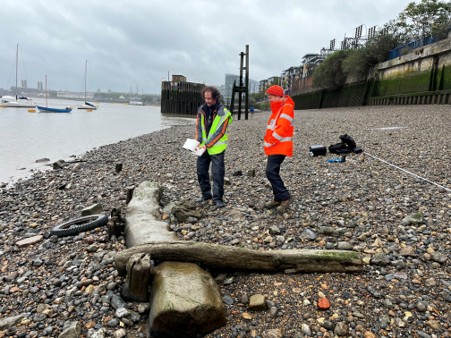
Luca Battiston and Dr Claire Harris using the Leo Artec Scanner
Since the Thames foreshore is only fully exposed at low-tide, we had an early start and a time-limited opportunity to explore archaeological remains between the high and low tide marks. We carried ILC 360° cameras & 3D scanning equipment to create interactive models for students, enabling them to learn and practice the techniques and methodologies used to create 3D models and immersive media in the field.
These models will be made available upon our return to campus. Due to the incoming tide, we had approximately 1.5 hours total time, including carrying the equipment to the shoreline, scanning the items, and collecting images for processing. Even under these tight time restrictions, we still produced some incredible results.
Scanning history
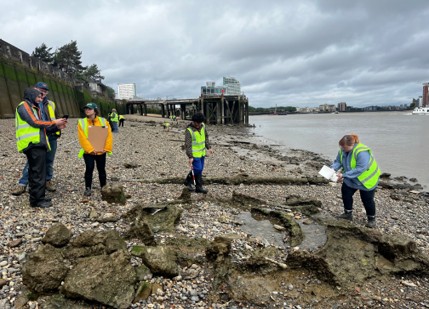
Luca Battiston with one of the student groups of the ‘Thames Through Time’ Birkbeck field school
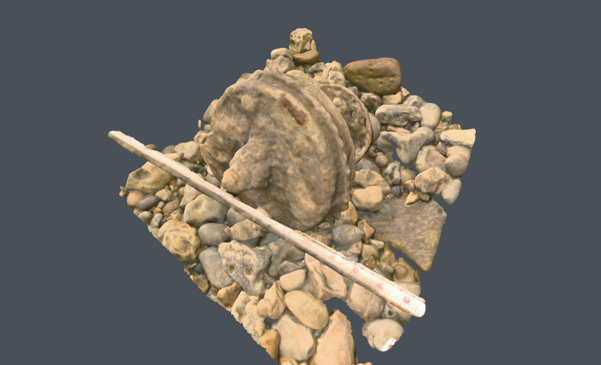
We used Artec professional scanners and showed alternative scanning techniques to produce highly detailed 3D digital models from a series of photographs. The 3D models taken during the session can be viewed on phones, computers, and even VR headsets. Since much of London’s history lies beneath the water line at high tide, and it is not permitted to remove finds from the beach without a licence, we could capture and preserve these artifacts digitally and later create interactive models of objects found along the riverbank that students would otherwise never get to see.
Some of the greatest finds of the day included a large dock structure, measuring over four metres in length, made from reused ship timbers including part of a rudder, which dated back centuries to the days when large ships would dock along the Thames. Archaeologist Dr Lesley McFadyen provided expert knowledge and historical context about the discoveries, and ensured the correct archaeological procedures were followed. Witnessing something so historically important, and often invisible, added another level of excitement to the session.
A screen capture of one of the 3D models created during the Birkbeck Archeology Field School
Throughout the session, the ILC team taught student groups how to properly position themselves while scanning, ensure they captured enough images to make a complete model, and described how to recognise potential issues when scanning irregular surfaces. Meanwhile, they also worked with the 360° cameras, providing panoramic views of the area and capturing the energy of the day, generating a complete immersive record of the event. Given the short amount of time, it was amazing to see the outcomes.
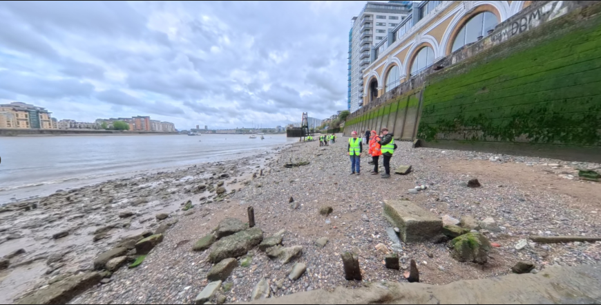
A screen capture from one of the 360° images shot during the Birkbeck Archaeology Field School
Students were ‘hooked’
The response from the ‘Thames Through Time’ field school students was incredibly positive. Many students stated they were ‘hooked’ not only because of the technology they were using but due to the unique location where they were utilising it. For many students, this was their first exposure to 3D scanning equipment and experiencing it outside in the open air on the shores of the Thames while discovering pieces of maritime history dating back hundreds of years is an experience they’ll never forget.
For many students, viewing a portion of London’s riverbed in detail as an interactive 3D model on a computer screen represented a whole new way for them to engage with history and their surroundings. This fusion of physical exploration and digital design created a dynamic that cannot be replicated inside a typical classroom and, as cultural institutions continue to embrace this technology, these skills could provide important employability opportunities.
The ILC and archaeology teams are already planning a second session for students to review and build upon their 3D models and learn more about the photogrammetry process.
A screen capture of one of the 3D models captured by the Birkbeck Archaeology Field School students
Immersive learning beyond campus walls
This trip shows exactly what Immersive Learning Centre’s are all about – immersing your learning beyond the limits of a lecture hall and into the real world. In addition to using cutting edge technologies designed for immersive experiences, we incorporated outdoor exploration and real discoveries from London’s rich history, allowing students to discover their own history rather than only studying it from a book.
In addition, it highlights how easy it is for anyone to take advantage of this type of experience. Immersive technologies (including 360° cameras and digital audio recorders) are available to checkout for free from Birkbeck’s library – all you need is your student or staff ID card. If you’re currently working on a project (research or creative), or if you’d like to try out immersive technologies and what can be achieved with them, then now is the time!
Trips like this Thames Foreshore trip demonstrate that, with some creativity and proper equipment, learning can occur anywhere, even along one of the world’s oldest rivers with tidal waters rising!
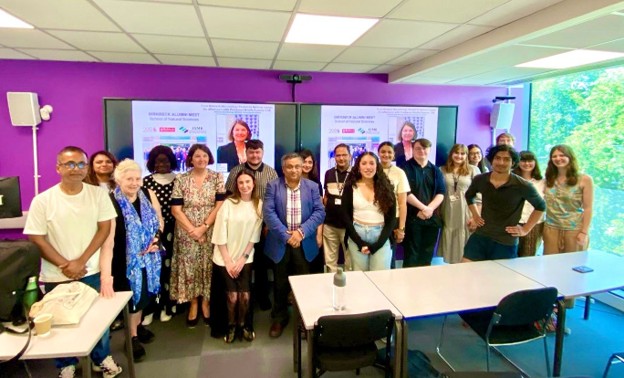
On 29 June 2026, the Birkbeck School of Natural Sciences hosted Birkbeck alumna Professor Nicola Spence CBE, Chief Plant Health Officer and Deputy Director for Plant and Bee Health at the Department for Environment, Food and Rural Affairs (Defra). In this blog, Birkbeck alumni, Sudipto Das and Michael McGrath reflect on her visit to Birkbeck.
Some visits stay with you long after the room has emptied. Professor Nicola Spence CBE’s return to the School of Natural Sciences was one of those occasions.
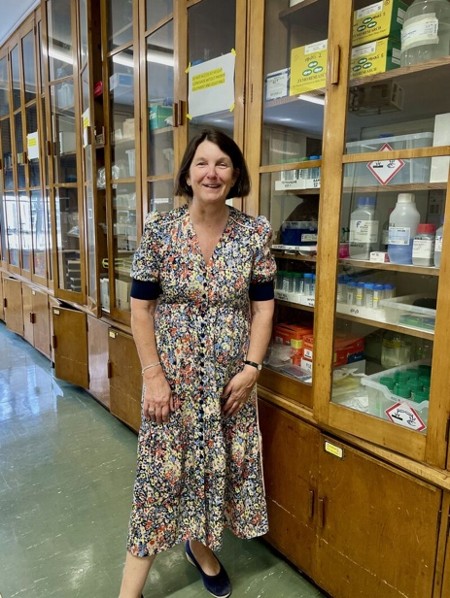
It was a genuine pleasure to welcome Nicola back to Birkbeck, and especially moving to see her revisit the laboratory where she had carried out part of her MSc Microbiology research project. The afternoon brought together current students, PhD researchers, postdoctoral scientists, alumni and academic colleagues, all eager to hear from a scientist whose career has been shaped by curiosity, integrity and an unwavering commitment to public service.
Welcoming Professor Spence, Professor Sanjib Bhakta reflected on his 20 years at Birkbeck and the enduring dedication, resilience and ambition of its students. He described the event as an important opportunity to bring together current students, alumni and colleagues to reconnect, exchange experiences and strengthen the institution’s growing home and international community. Acknowledging the students and alumni who had helped organise the event, he expressed his hope that it would become the first of many occasions celebrating the lifelong connections fostered at Birkbeck.
Professor Spence spoke with warmth and honesty about the journey that led her to one of the UK’s most influential scientific leadership roles. She reflected on her early ambition to study marine biology and how her interests gradually evolved towards plant virology, plant pathology and horticulture. Her career has taken her through leading scientific organisations, including Horticulture Research International and the Food and Environment Research Agency, where she later served as Chief Scientist. She also shared experiences from international projects in Kenya, working on viral diseases affecting vegetable crops, reminding us that plant health is a global challenge requiring international collaboration.
For many in the audience, one of the most inspiring moments came as she reflected on her time at Birkbeck. She spoke with genuine affection about her MSc in Microbiology and the research project that deepened her interest in plant pathology and laid the foundations for her future career. She went on to complete her doctoral research on Common Bean Mosaic Virus at the University of Birmingham before taking on leadership at Science City York, where she championed collaboration between universities, industry and government to drive innovation and strengthen the regional bioeconomy.
One of the most compelling parts of the afternoon was Professor Spence’s account of Britain’s ash dieback outbreak. Her reflections offered a powerful example of how rigorous scientific evidence can shape national policy and legislation when responding to major environmental challenges. Throughout her talk, she emphasised that protecting plant health is fundamental to biodiversity, food security, environmental sustainability and climate resilience. She also highlighted that science delivers its greatest impact when supported by strong partnerships across academia, industry and government, and when scientific evidence is communicated clearly and openly to society.
Professor Nicola Spence
For students and early-career researchers, her reflections on leadership were particularly inspiring. She spoke about the importance of integrity, collaboration, clear communication and the confidence to make evidence-informed decisions in complex and uncertain situations. Professor Bhakta echoed these messages, emphasising that these qualities are essential for the next generation of scientific leaders. Together, their reflections offered a timely reminder that leadership is defined not simply by expertise, but by responsibility, generosity and a commitment to helping others succeed.
Looking to the future, Professor Spence shared an optimistic vision for plant health in Great Britain. From strengthening national biosecurity and building more sustainable supply chains to investing in scientific capability and increasing public appreciation of healthy plants, her outlook was both ambitious and practical. Her vision demonstrated how science, innovation and partnership will continue to play a vital role in addressing future environmental challenges.
The afternoon concluded with an engaging question-and-answer session followed by a reception, where conversations continued well beyond the formal programme. Yet it was the spirit of the event that left the greatest impression. Professor Spence’s achievements are exceptional, but it was her warmth, humility and generosity in sharing her experiences that made the occasion truly memorable. She reminded us that scientific excellence, collaborative leadership and evidence-based policymaking are not simply aspirations; they are essential foundations for creating a healthier, more sustainable and more resilient future.
Organised by the students and alumni of the School of Natural Sciences, this inspiring event celebrated the enduring strength of the Birkbeck community. It demonstrated how reconnecting with distinguished alumni can inspire current students, strengthen professional networks and encourage the next generation of scientists to pursue careers that make a meaningful difference to society.
Dr Izabela Delabre, Senior Lecturer in Birkbeck’s School of Social Sciences, draws on her research in political ecology, plantations and futures to reflect on a recent film screening exploring how these histories are remembered and reimagined today.
Watched together, the films highlighted the way that film is not just a tool to document plantation histories, but to also make space for memory, emotion, and reflection—and, importantly, to begin imagining forms of repair.
Witnessing plantation violence, past and present
Black Atlantis: the Plantationocene by Ayesha Hameed examines the relationship between plantations and climate change. It draws upon conversations Ayesha had with people in a former plantation in St George’s Parish in Barbados, and the port city of Port of Spain in Trinidad, which revealed the devastating impacts of the plantation on societies and ecologies. Ayesha commented how now, a decade after some of those initial discussions, it is so clear to see the climate devastation being experienced in the Caribbean.
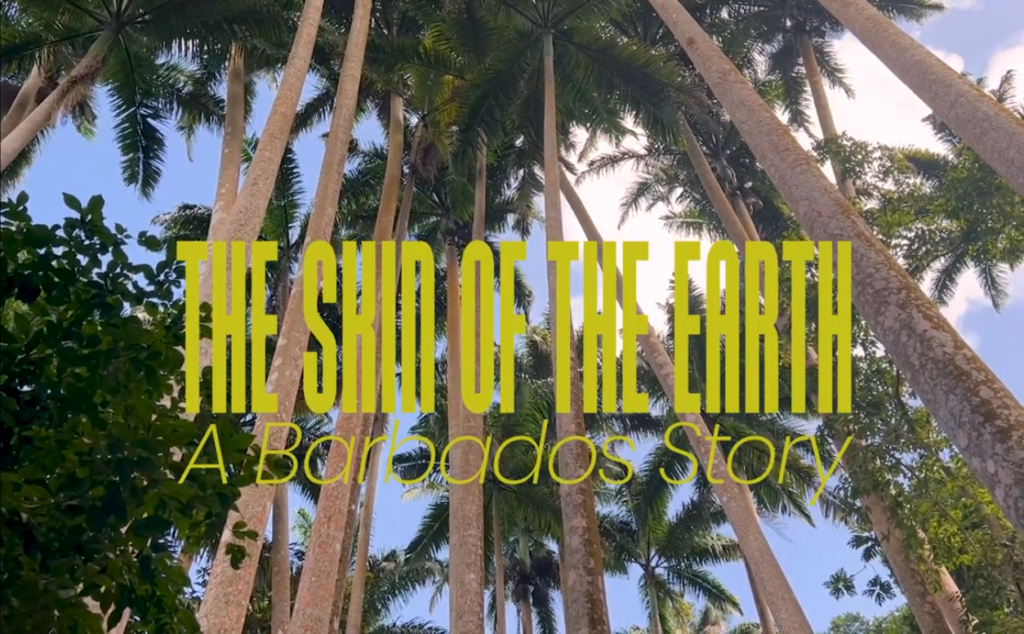
Morgan Senior’s The Skin of the Earth explores the human and ecological traumas of British Colonial rule in Barbados. As Ayesha Hameed commented, the recorded discussions between the generations, as they explored Barbados, describing how plantations looked, and how they had changed, speaks to the scale of violence of the plantation, and the film witnesses what people experienced just a few generations ago. The film effectively connects the plantation world back with London – where so much of the wealth from these very violent plantation economies ended up.
Memory, land, and the layered meaning of “plot”
JT Roane’s Plot was inspired by ongoing pilgrimages by his family to a site in Desha, Virginia, where St. Johns Baptist Church was lost during a 2015 tornado. Here, JT Roane’s family, visit this space to mourn and gather together. The film considers how people were about to reconnect with land and water following Emancipation, though small scale collective cultivation. This visually stunning film is deeply personal.
As observed by Lisa, “Plot” has two meanings in relation to the plantation: plots of land used by enslaved peoples to grow life-giving diverse crops in complete contradiction to the monocropped land of the plantation; but also burying grounds, contrasting with the plot as a life-giving space; thus also being sites of mourning, grief, and memory.
Reorienting space and ecology
Jona Alexander’s Black Ecologies: The Durham Field School Documentary, documents a three-day gathering in Durham/Orange County, North Carolina, led by descendants and stewards focused on Black and Indigenous stories of the Eno River watershed. It is part of an ongoing collaboration with the Black Ecologies Lab at Rutgers University.
Jona described how “Black Ecologies examines the ‘whens and wheres’ of Blackness and how this happens through social formations and plantations” and it takes feminism, Black studies, history – all different disciplines – to think through time and space. At the field school, the group visited different historical sites, including one of the largest plantations in North Carolina and spoke with descendants from that plantation.
For Jona, “it’s a retelling of a time and our reorientation to space and land, and reckoning with violence, colonialism, and looking at ways in which we can repair our relationship to the land.” What was striking in this film was connecting Black and Indigenous ecologies in an intertwined way, and the field school was a meditation to reckon with the violence of the illusion of separation that communities and ecologies face and the importance of solidarity across different spaces and times.
Intimacy and the act of witnessing
As discussed with the audience, intimacy plays out in several ways across the films. Ayesha discussed the importance of reflecting on the act of witnessing, writing herself into the work, thinking about the environment as well as people and not showing explicit depictions of violence.
Jona considered how the camera can also be considered surveillance and described the importance of being mindful of that when people are building and organising. Some parts of the field school were too sacred to film. As an audience we felt we were being ‘let in’ to an intimate and sacred space – a feeling also evoked profoundly and beautifully in JT Roane’s Plot and in Morgan Senior’s The Skin of the Earth as these directly relate to the experiences as directors’ own families.
Water and knowledge
Water is an important theme across the films. Black Ecologies: The Durham Field School Documentary included a line read by poet Destiny Hephill“the water is the water is the water” which echoes throughout the film: even when water is not visible, you can feel its impact.
For Jona, this was a way of communicating with water in ways that feel like home, or a calling. Ayesha described how enslaved people had different knowledges of water including Mami Wata (“Mother Water”), so from Africa to the Caribbean “across water came cosmologies informed by practice of what to do with the water.” Such beliefs were frequently erased in processes of enslavement. As Jona commented, sharing these films together was a way of witnessing though film – involving performance, storytelling and mysticism.
As well as the drawing attention to the scale of the violence of the plantation in Black Atlantis and The Skin of the Earth, we were able to witness the possibilities of reorientation and repair – laughter, being grounded on Earth, reclaiming land and waterscapes, gathering spirituality, sharing intentions, mobilising and sharing.
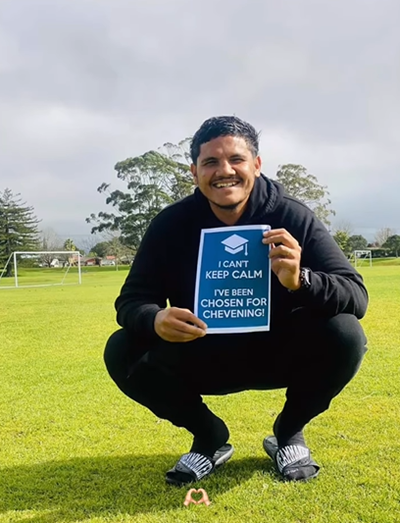
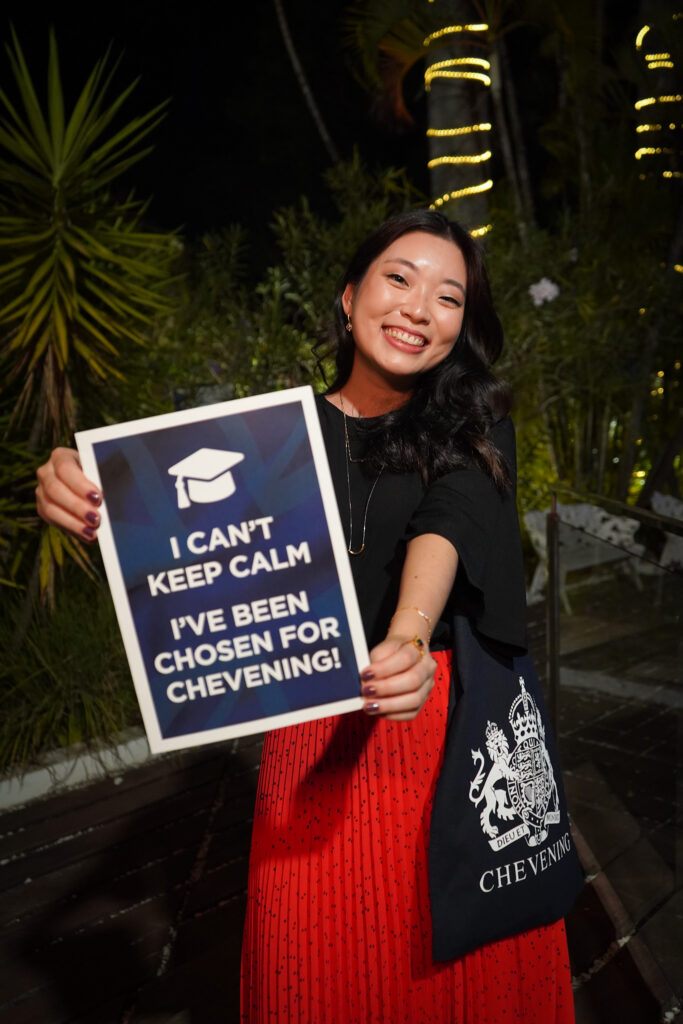
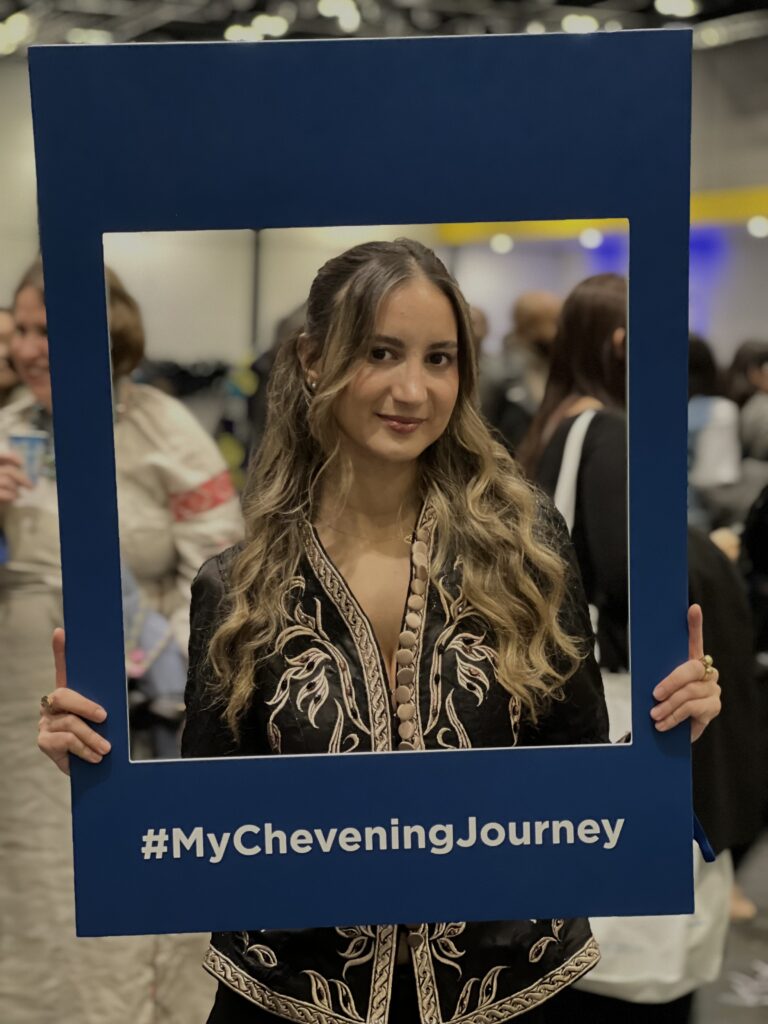
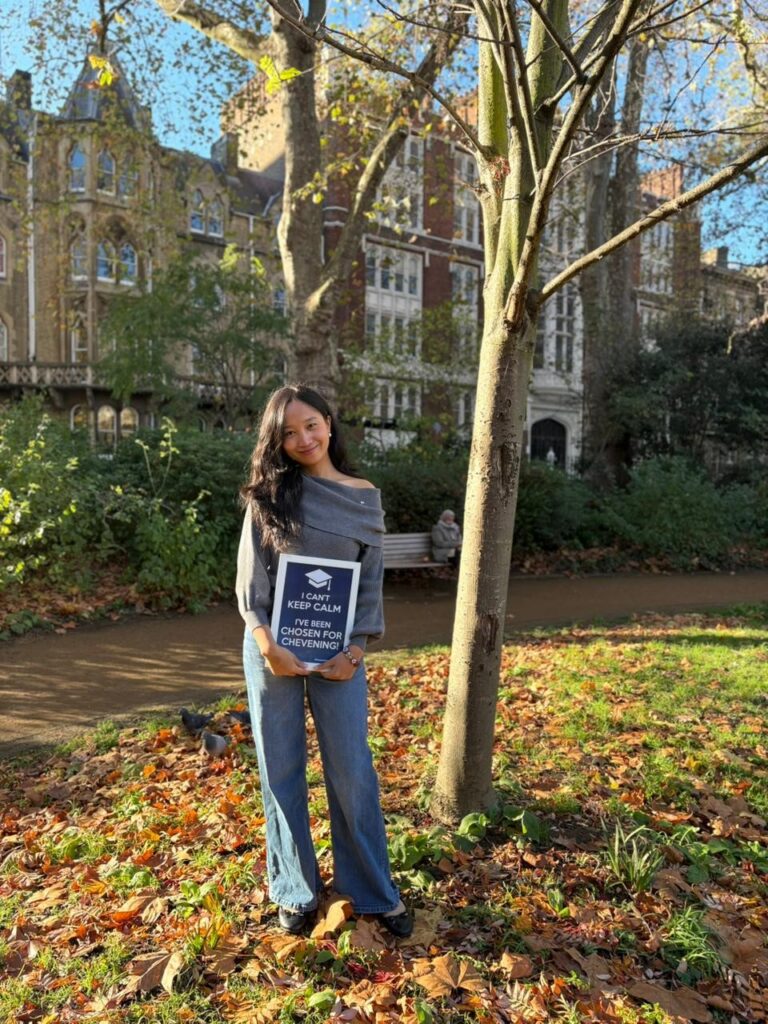
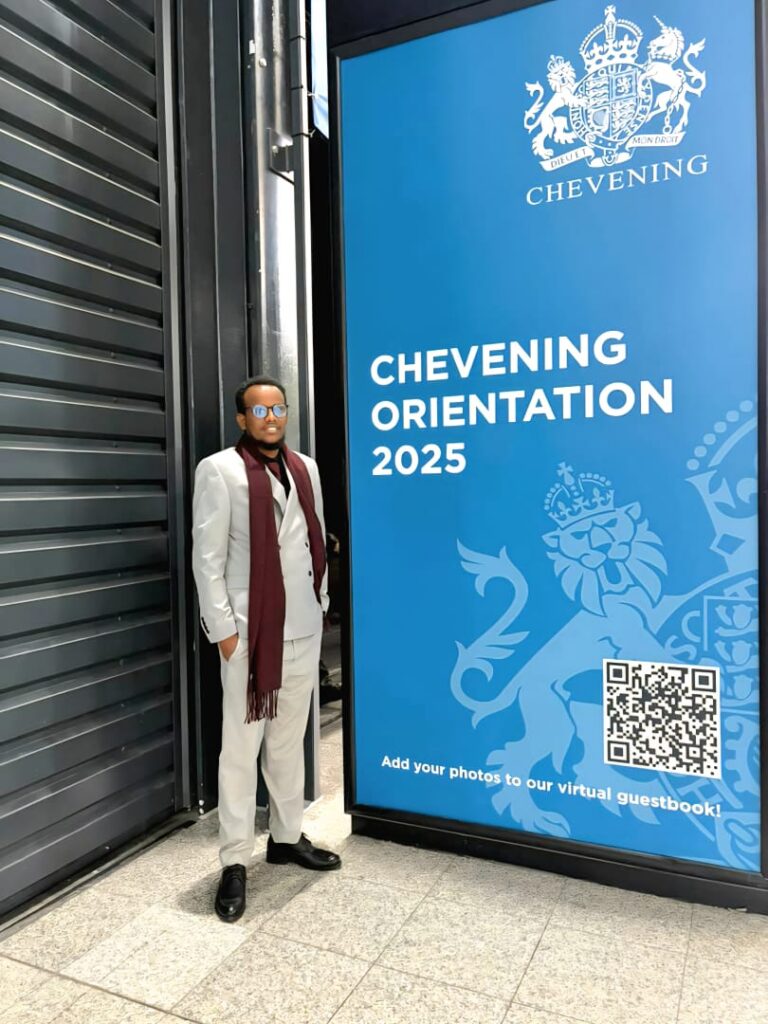
Each year theForeign, Commonwealth and Development Office offers prestigious Chevening Scholarships to talented individuals from around the world, giving them the chance to study one year fully funded master’s degrees at UK universities. For the academic year 2025/26 Birkbeck welcomed 23 Chevening scholars hailing from all corners of the world. Here, some of the scholars share their academic and professional backgrounds, why they applied for a Chevening Scholarship, their long-term plans and why they chose to study at Birkbeck.
Baueri Irata from Tuvalu, studying LLM Law with Human Rights
Talofa and hello to everyone, I’m Baueri, aged 29 years old from the beautiful islands of Tuvalu, in the Pacific.
Baueri Irata
I hold a Bachelor of Law (2021) and a Postgraduate Diploma in Legal Practice (2022) from the University of the South Pacific. My academic training provided me with a strong foundation in legal principles, critical thinking, and analytical reasoning, enabling me to address complex legal and policy issues effectively. Since graduating, I have been employed as an Assistant People’s Lawyer (Public Defender) in Tuvalu for over three years, representing individuals who cannot afford private legal counsel. In this role, I have developed strong advocacy, negotiation, and problem-solving skills while contributing to the protection of citizens’ rights and promoting access to justice. This experience has deepened my commitment to strengthening the legal system and advancing social equity in my community.
I applied for the Chevening Scholarship because I am passionate about enhancing my expertise and leadership capacity to create meaningful change in Tuvalu. Chevening’s emphasis on nurturing global leaders aligns perfectly with my goals. Through this scholarship, I aim to engage with an international network of professionals, exchange ideas, and acquire advanced knowledge and skills that will allow me to address critical legal and governance challenges in my country. By combining academic rigour with practical experience, I aspire to contribute to the development of policies and initiatives that promote justice, accountability, and the rule of law.
I chose Birkbeck because of its strong reputation for academic excellence and its focus on flexible, research-driven learning. The LLM program integrates theoretical frameworks with practical application, equipping me with tools directly relevant to my professional goals. I’m particularly drawn to Birkbeck’s evening classes, which suit my personal circumstances, as my wife and children currently reside in New Zealand. Attending classes at night allows me to maintain quality daytime contact with my family, ensuring I can balance intensive study with personal responsibilities. This flexibility makes Birkbeck uniquely suited to my professional and personal needs.
Upon completing my studies, I plan to return to Tuvalu and apply the skills and knowledge gained to strengthen legal frameworks, enhance public legal services, and drive policy reforms. My long-term vision is to foster a more equitable, accountable, and sustainable society through impactful legal and governance initiatives.
Bermet Nurgazy Kyzy from Kyrgyzstan, studying MA Digital Media Culture
I’m a PR manager in art and culture and I hold a bachelor’s degree in International Journalism, which I gained from Moscow State University of International Relations (MGIMO).
Bermet Nurgazy Kyzy
In my professional career, I worked for three years as a Head of Media department and PR manager of Bishkek International Film Festival. I also worked as a communication expert for the National Museum of Fine Arts named after Gapar Aitiev in Bishkek.
I have a lot of social projects under my belt: I worked as a communications expert on gender equality and inclusion in UNDP, conducted trainings on social content creation in the regions of Kyrgyzstan, worked as a mentor for high school students, and was a media team leader in a project on ASD.
I applied for Chevening to get closer to my main goal – to create media in Central Asia about the modern culture and art of these countries. I believe that our region has unique talents that the world has yet to discover. I chose Birkbeck thanks to its unique practice-oriented programme.
Carolina Aitafrom Brazil, studying MA Psychosocial Studies
Caroline Aita
I hold a bachelor’s degree in Psychology from Mackenzie Presbyterian University (São Paulo, Brazil) and have research experience on free psychoanalytic clinics for homeless people in the city of São Paulo. I also have four years of professional experience in the corporate sector, working within Human Resources.
My research interests focus on free psychological clinics, access to mental health treatment, and psychosocial interventions in contexts of social vulnerability.
Birkbeck is the pioneer in an interdisciplinary approach that intertwines psychology, culture and sociology, and is at the forefront of research on Psychosocial Studies. By pursuing the MA at Birkbeck, I aspire to improve mental health treatment accessibility in Brazil, my home country.
I strongly believe in the transformative role of education to inspire future professionals and drive positive change. For this reason, my long-term goal is to become a Psychology university professor, expanding my social and community impact by educating future professionals, encouraging critical thinking, and fostering interdisciplinary dialogue on pressing contemporary issues—such as mental health treatment accessibility, psychosocial well-being, and social inequality in Brazil.
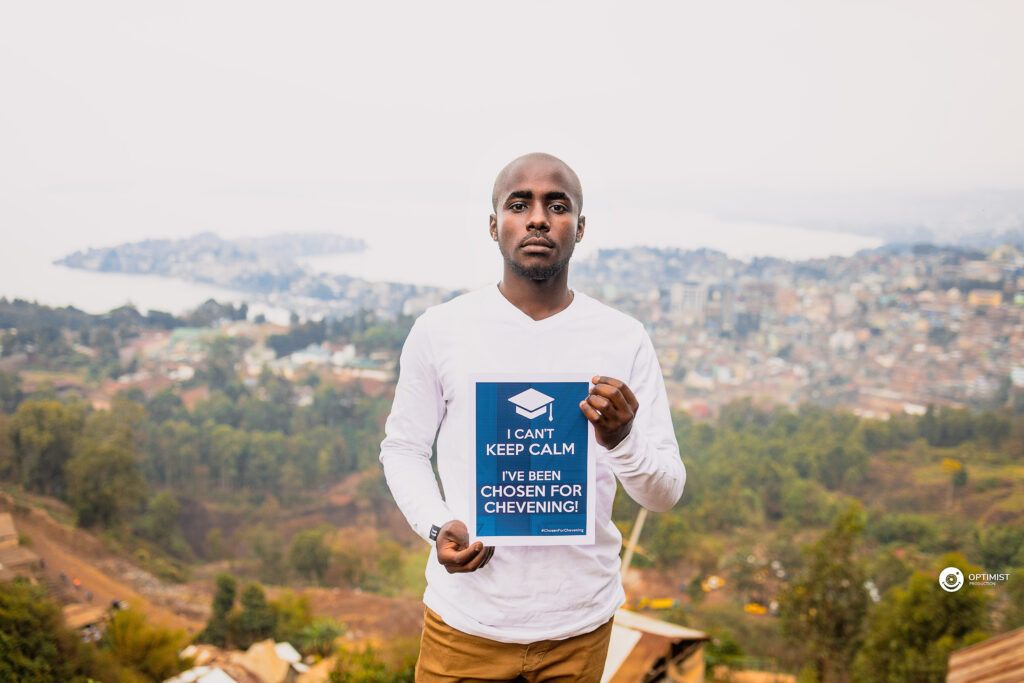
Emmanuel Tumsifu from Congo, studying MSc Sustainable Cities
Emmanuel Tumsifu
I hold a Bachelor’s degree in Architecture from the Catholic University of Bukavu in the Democratic Republic of Congo. I subsequently worked as an Architectural Technician at STRACCO, a construction company that delivers vital social infrastructure projects such as schools and hospitals, etc. across the Kivu region. My role was centered on collaborating with communities to build sustainable and resilient living spaces.
Driven by this commitment to community-centered design, I founded the Urban SustaiNOW Initiative. This non-profit organization collaborates with all layers of the community to collectively shape safer, more sustainable cities. Our mission is to mitigate urban disasters such as floods, devastating house fires, and landslides which currently claim and threaten lives in Bukavu. We focus particularly on protecting vulnerable groups, including those displaced by conflict around mining zones and forced to settle in precarious urban conditions.
Chevening represents far more than a scholarship; it is an opportunity to join a global network of leaders committed to creating positive change. Beyond funding my studies in the UK, it connects me with like-minded individuals from around the world. The friendships and professional collaborations forged through this platform provide a vital system of mutual support to achieve our shared ambitions.
My long-term career plan is to work at the forefront of urban sustainability in Africa. The continent’s rapid urbanization is creating significant challenges, including growing social inequalities and environmental risks that must be addressed to ensure a prosperous future. Upon completing my degree, I intend to establish a sustainability agency that will enable me to work directly with communities and local governments to develop effective, on-the-ground solutions.
I have chosen Birkbeck because its unique curriculum allows me to gain professional experience concurrently with my studies. This is essential for maximizing the value of my one-year program. Furthermore, studying in London itself provides an unparalleled opportunity to observe how a world-class city tackles sustainability. I am eager to learn from the strategies, actions, and policies that the government and citizens are implementing to transform London into a model of urban sustainability.
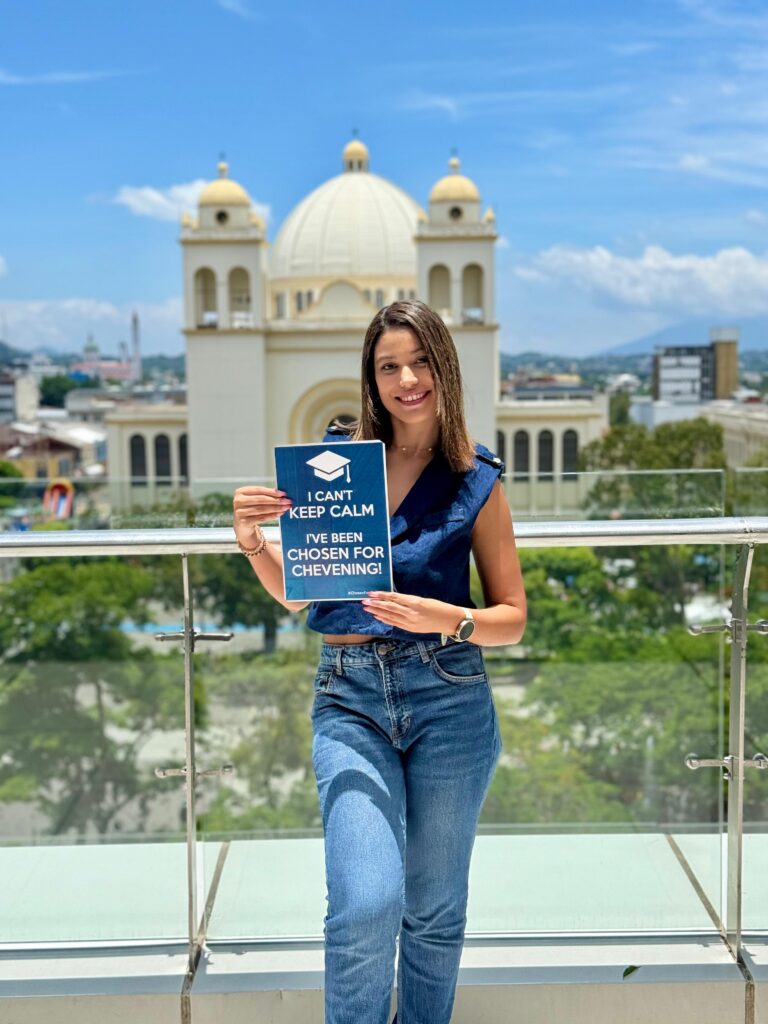
Fabiola Leon from El Salvador, studying MSc Public Policy and Management
Fabiola Leon
I’m a Salvadoran government and public affairs manager driven by the belief that technology and public policy can create opportunities for people who are too often left behind. I studied International Politics at Beijing Language and Culture University, an experience that shaped my global perspective and allowed me to grow personally and professionally. I also speak three languages—Spanish, English, and Chinese—which has helped me work across cultures and understand how different societies approach governance and innovation.
Before coming to the UK, I worked as Government & Public Affairs Manager at Huawei, where I led national initiatives in AI, cloud, digital power, and cybersecurity. I also supported programmes like Seeds for the Future and Women4Tech, helping young people and women gain digital skills. These experiences showed me the power of technology and the crucial role of people-centred public policies in ensuring that innovation benefits everyone.
I applied to Chevening because I believe leaders have a responsibility to make technology more inclusive, ethical, and accessible. My long-term goal is to help shape digital policies in Latin America that protect citizens, expand opportunities, and guide responsible innovation. Chevening offers the knowledge, network, and global environment needed to pursue that mission.
I chose Birkbeck for its strong reputation in public policy and its unique evening model, which has allowed me to study while engaging with London’s dynamic tech and policy ecosystem. Being part of such a diverse community and representing it as a Birkbeck Student Ambassador has already been an incredibly rewarding experience.
After Chevening, my goal is to keep working at the intersection of technology, government, and public policy, helping build digital frameworks that turn innovation into real opportunities for all—especially in El Salvador and across Latin America.
Maria Fraser from Guyana, studying MSc International Relations
Maria Fraser
My academic journey began in China, where I completed my first master’s degree, an MSc in Marine Sciences at Zhejiang University China. That experience shaped my scientific foundation, strengthened my research skills, and broadened my global perspective on marine ecosystems and environmental management.
Professionally, I am a marine biologist working with the Ministry of Natural Resources and the Protected Areas Commission in Guyana. Over the years, my work has included marine conservation, sea turtle protection, microplastic contamination research, environmental education, and coordinating national youth programmes focused on natural resources and sustainable development. I have been involved in developing conservation initiatives, supporting community-based environmental stewardship, and contributing to policy-relevant research on coastal and offshore ecosystems. These experiences have shown me how deeply environmental challenges are connected to governance, diplomacy, and international cooperation.
I applied for the Chevening Scholarship to bridge the gap between marine science and global policymaking. As Guyana expands its role in regional and international environmental dialogue—particularly around climate resilience, offshore resource management, and conservation—there is a growing need for professionals who can translate scientific evidence into informed policy. Chevening offers the platform, networks, and leadership development necessary for me to grow into that role. After completing my degree, I plan to return to Guyana to contribute more strategically to ocean governance, marine spatial planning, environmental diplomacy, and the strengthening of protected area management.
I chose Birkbeck because of its strong interdisciplinary approach and its location in one of the world’s most influential policy hubs. The programme’s focus on global politics and security provides the analytical tools I need to understand how international systems shape environmental outcomes. Its evening teaching also allows me to balance academic study with ongoing research, writing, and professional engagement. Being at Birkbeck places me within reach of important global institutions, experts, and networks. It is an ideal environment to strengthen my voice as a marine scientist entering international relations.
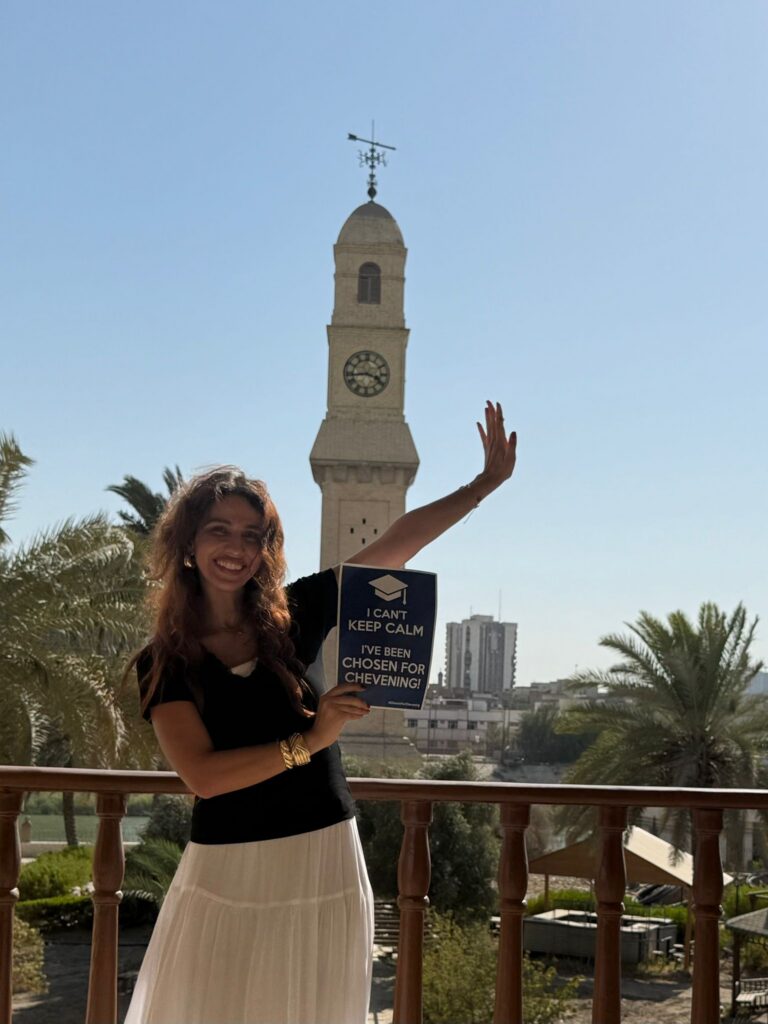
Nada Mahdi Mohammed from Iraq, studying MSc Marketing Analytics
Nada Mahdi Mohammed
I hold a Master’s degree in Computer Engineering from Bahçeşehir University in Turkey, where my research focused on advanced machine learning methods. I also have a background in Computer Science and a fellowship in Entrepreneurship from the United Nations Institute for Training and Research (UNITAR). Professionally, I have built a career at the intersection of influencer marketing, data analytics, and digital strategy, working with major e-commerce and technology platforms to design data-driven growth campaigns and community engagement initiatives.
I applied for Chevening because it represents far more than a scholarship—it is a platform for leadership, impact, and global collaboration. Growing up during periods of conflict, access to international education felt out of reach, yet it shaped my belief in resilience and in the transformative power of learning. Chevening allows me to deepen my expertise in data-driven marketing while joining a diverse network of changemakers who are committed to building better futures for their countries. My long-term plan after Chevening is to return to Iraq and contribute to the digital transformation of the marketing and tech sectors. A core part of my vision is to increase the participation of women in digital marketing and data analytics, and I aim to establish a Chevening women-in-data community, offering workshops, mentorship, and capacity-building programmes.
I chose Birkbeck because of its strong reputation for combining academic excellence with real-world application. The degree aligns perfectly with my goal of merging strategic marketing insight with advanced analytical skills. Birkbeck’s evening teaching model also creates a vibrant learning environment full of working professionals, which enriches discussions and brings industry perspectives directly into the classroom. Being part of such a diverse and intellectually stimulating community has already strengthened both my academic development and professional outlook.
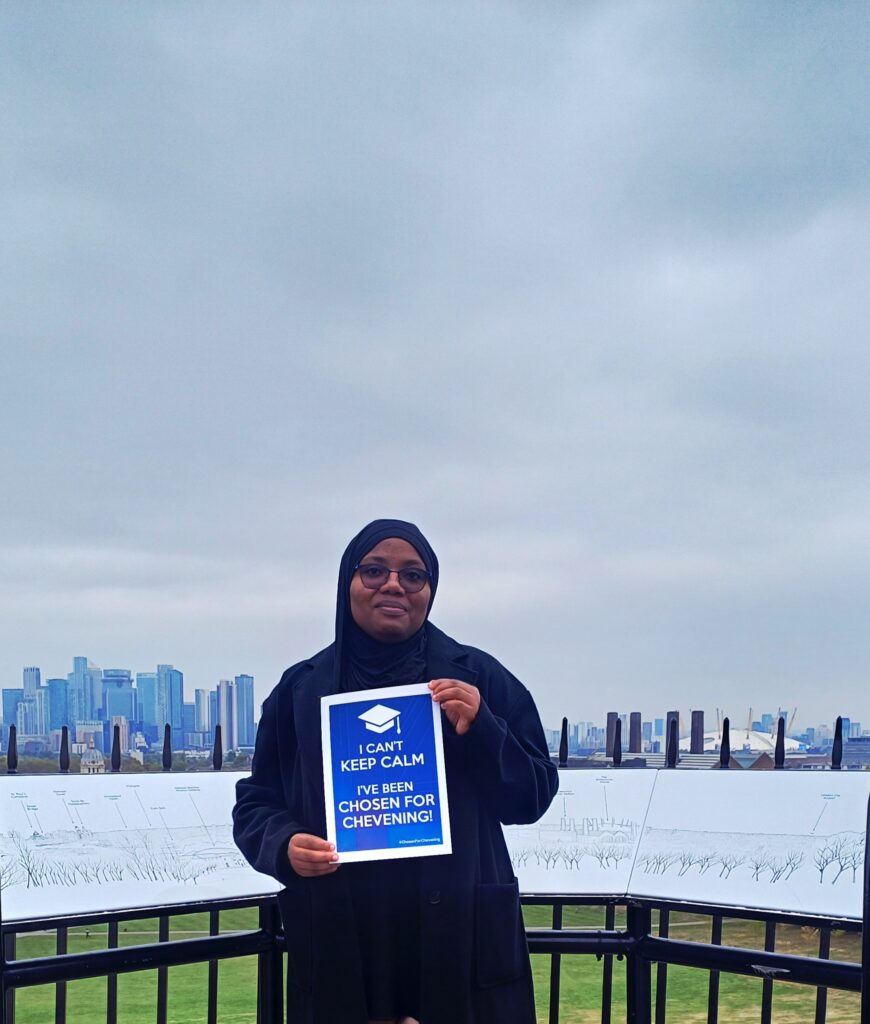
Oumi Soit Mohamed from Comoros, studying MSc Educational Neuroscience
Oumi Soit Mohamed
I come from a diverse academic and professional background that combines science, education, and community development. After my bachelor’s degree in life sciences, I completed a master’s degree in biochemistry applied to biodiversity and health.
I began my career four years ago as a biochemistry assistant lecturer at the University of Comoros and a high school biology teacher, then over the years my path evolved as I became more interested to education, learning, and youth educational outcomes. My recent work (2023-2025) has focused on supporting primary school children with learning difficulties, especially in reading, oral expression, and comprehension through reading clubs and speaking workshops.
I applied for Chevening because it represents far more than a scholarship; it is a network of thinkers, changemakers, and future leaders. Chevening offers the ideal platform for me to gain world-class academic training, engage with a global network, and refine my ideas into impactful, scalable initiatives.
My long-term plan after Chevening is to establish a learning and development centre grounded in educational neuroscience. This centre will support students and teachers by providing evidence-based methods for improving learning, addressing psychological and behavioural challenges, and integrating mental-health-informed approaches. Ultimately, I hope to contribute to national education reforms.
I chose Birkbeck because of its strong reputation for research-driven education, particularly in the field of neuroscience. Birkbeck attracts a diverse, mature, and globally minded student body, which enriches discussions and creates a stimulating intellectual environment. The programme aligns perfectly with my vision of understanding how cognition, environment, and socio-economic factors influence learning, especially in developing countries.
Rania Achouche from Algeria, studying MA Digital Media Culture
Rania Achouche
I’m a digital media creator, a Cambridge-certified language educator, and founder of Lingua Franka. My background weaves between education, media, and entrepreneurship, all driven by a deep interest in how language and advocacy shape social change.
In 2019, I was a digital journalist during the Algerian protest movement, covering it for international media. That experience sharpened my understanding of how narratives are constructed — and who gets to tell them. Since then, I’ve hosted a podcast with a decolonial spirit, built online communities, and created content interrogating the socio-economic realities of the Global South.
Algeria is a rapidly evolving country undergoing deep economic, social, and political transformation. With language education and digital literacy now declared national priorities, I founded Lingua Franka to help Algerian professionals build global fluency and leadership voices — without compromising our anti-colonial identity.
I applied for Chevening because I had reached a point in my journey where I needed the time, space, and academic grounding to sharpen, scale, and sustain the work I had already begun. I don’t just want to grow as a professional — I want to contribute to shifting the narrative around language, identity, and knowledge production in our region, where these conversations are both urgent and underdeveloped.
I chose Birkbeck because, like Lingua Franka, it’s disruptive in the best way — rebellious, inclusive, and human-centred, while still part of the prestigious University of London network. Its evening structure allows me to balance my studies with ongoing projects, and its commitment to critical thinking makes it the perfect space to deepen both my academic and professional vision.
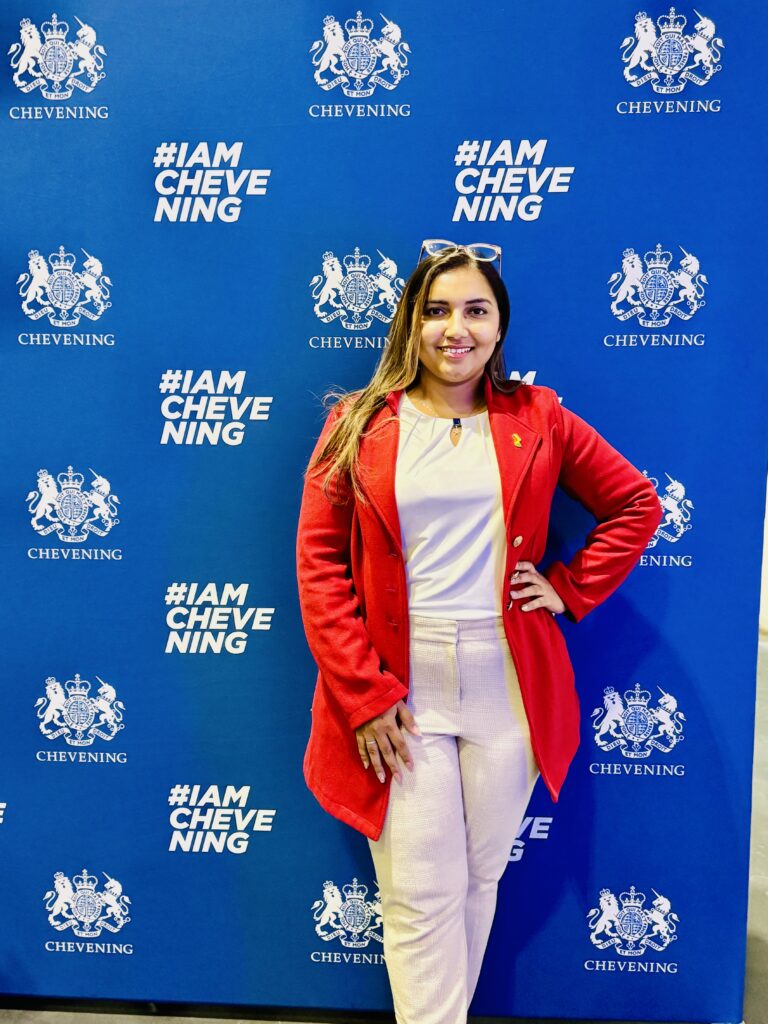
Sekulu Nyekha from India, studying MSc Social Research
Sekulu Nyekha
Growing up in Nagaland (India) among the hills of Kohima, I was always inspired by the stories I grew up with, and the ways through which our traditions and indigenous identity were passed down. This inspiration was nurtured further when I moved to the metropolitan city of Bangalore to pursue my undergrad, as it made me even more aware of my unique identity and important narrative. I pursued my undergrad in Visual Communication and Performing Arts with Psychology, which gave me the tools to investigate and communicate the social issues around me and explore the lived experiences of diverse communities. After my graduation, I worked towards Sexual and Reproductive Health and Rights and youth leadership as a consultant, primarily on storytelling, project management and research for over 5 years.
Getting accepted as a Chevening Scholar is a full-circle moment for me to reflect on my journey thus far, and access the privilege of being part of a strong global community of leaders. Having led my own initiatives, including Feminist Futures India, through which I work with young people and women from indigenous communities to address issues of bodily illiteracy, being a Chevening Scholar means the opportunity to deliberate on how to sustain our work as young leaders too.
My ambition is to work at the intersection of storytelling and research to build human centred solutions towards youth development in India and the region at large. While reading up on a series of courses and colleges in the UK, the MSc Social Research program at Birkbeck made the most sense to my professional experience and what I intend to learn. Birkbeck’s diverse community and inclusive educational system mean I get varied perspectives and networks in my classroom, while also having an active support that caters to my needs as someone who is going back to school after more than 5 years. I was also driven by the university’s rich history of revolutionising education for the working class and women. As someone whose community is largely identified as a marginalised group, I believe being a Birkbeck and a Chevening scholar will enable me to move beyond a marginalised sense of identity, to someone who is simply passionate about tipping the scale of social issues, and seeking to ask the right questions.
Suleiman Jama from Somalia, studying MSc International Security and Global Governance
Suleiman Jama
Academically, I began my journey at the University of Burao, where I completed my Bachelor’s degree in Economics. Even before graduating, I was already working with humanitarian organizations in my hometown. These early experiences introduced me to protection, humanitarian disarmament, and peacebuilding, and they sparked a genuine interest in understanding how communities cope with crisis and how development can support long term stability.
Inspired by this work, I pursued a Master’s degree in International Law and Diplomacy. This helped me build a strong understanding of legal frameworks, diplomacy, and conflict resolution, and it allowed me to connect what I learned in class with the challenges I had seen in the field.
Over the past five years, I have taken on leadership roles with international organizations. As a Programme Officer at Save the Children, I managed projects focused on reducing vulnerability in communities affected by conflict. I later served as a Project Manager with Health Poverty Action, where I led efforts to prevent and respond to gender-based violence. One of the achievements I value most from this period is helping to establish the first GBV response center in Ainabo, which has supported more than four hundred survivors. Most recently, I served as Programme Team Leader with the Danish Refugee Council, overseeing humanitarian disarmament and peacebuilding programs and supporting the development of community centers that promote dialogue and strengthen social cohesion.
I applied for the Chevening Scholarship because it provides a unique opportunity to deepen my knowledge, expand my global networks, and strengthen the leadership skills I need to contribute meaningfully to peace and development. The master’s programme is equipping me with both theoretical and practical tools to understand and address complex security challenges.
After completing my studies, I am committed to returning to Somalia to support conflict resolution and peacebuilding efforts through focused projects with international organizations or UN agencies. In the long term, I hope to serve as a senior consultant for government institutions and as a researcher shaping policy at national and regional levels. I also aim to take on leadership roles within international development organizations, where I can advocate for effective and inclusive policies that respond to the needs of vulnerable communities.
By drawing on the skills, knowledge, and networks gained through Chevening and my studies at Birkbeck, I intend to design and implement programs that strengthen stability, promote social reintegration, and advance governance reforms in communities affected by displacement.
I chose Birkbeck because the programme aligns closely with my long-term career goals. Its interdisciplinary approach, which brings together political, historical, and sociological perspectives, offers the analytical depth needed to understand and respond to complex security and governance challenges. The strong focus on policy development and evidence-based research is particularly valuable, as it will equip me to design practical and effective solutions for fragile contexts like Somalia.
Birkbeck’s reputation for academic excellence, combined with its flexible learning environment, makes it especially suitable for professionals who want to balance rigorous study with real-world application. Through this programme, I aim to deepen my understanding of global security issues while strengthening my ability to contribute to sustainable peace, effective governance, and long-term stability in my country and the wider region.
Vinold Juma from Kenya, studying MSc Analytical Chemistry
Vinold Juma
My journey in chemistry began with curiosity about the world around me. I wanted to understand how materials change, react, and transform into the products we use every day. Over time, that curiosity became a passion for applying science to real-world challenges, particularly in food security and sustainable production.
Prior to studying at Birkbeck, I worked in quality control and analytical research, gaining hands-on experience with instruments such as spectroscopy and chromatography. These roles taught me the importance of accuracy, methodical thinking, and evidence-based decision-making, and reinforced my desire to use science to create meaningful impact.
Chevening appealed to me because it represents more than academic excellence, it is a network of leaders committed to making positive change. My long-term goal is to advance sustainable feed production in Kenya through research on Black Soldier Fly Larvae and agricultural by-products. I believe that integrating analytical chemistry with innovative, circular approaches can help reduce waste, improve local food systems, and strengthen environmental resilience.
I chose Birkbeck because of its inclusive approach and strong emphasis on practical learning. Studying alongside professionals from diverse backgrounds has enriched my perspective and allowed me to combine theoretical knowledge with applied skills.
Through my MSc and the Chevening network, I hope to grow not only as a scientist but also as a leader who can bridge research, innovation, and practical solutions. I aim to return home equipped to influence industry and policy, contributing to sustainable development and creating opportunities that improve both livelihoods and the environment.
Dr Pam Yeow, Professor of Sustainability and Organization, shares her thoughts on the recent prolonged water shortages experienced by herself and thousands of others in the South East this year.
On the weekend of the 10th and 11th January 2026, my family and neighbours in our village in Kent experienced a prolonged water outage. What began on Saturday evening continued through Sunday, Monday and well into Tuesday before supplies were restored to our immediate area. On Friday 16 January, South East Water still reported eight ongoing interruptions to their network—several of which have been in place for a week or longer. In November and December, many of the same regions faced similar disruptions. The precarious nature of an essential resource—critical for basic life functions such as cleaning, cooking and sanitation—was brought into sharp relief, both for me as a resident and as a researcher working on issues of sustainability.
Communications from the service provider
The first sign of trouble emerged on Saturday evening when posts began circulating on the local village Facebook group reporting low water pressure. A screenshot from the water provider stated: “We currently have a pressure issue at our site which means we are unable to pump the water. You may therefore be experiencing no water or low water pressure. We apologise for any inconvenience and are working hard to fix the issue.”
The water returned briefly on Sunday morning—only to disappear entirely by late afternoon. By Tuesday morning, 48 hours later, intermittent supplies began to return, although with water flowing at low pressure on Tuesday evening with people preparing to cook dinner and bath time.
Residents expressed growing concern, particularly for elderly neighbours, families with young children, and those with large animals such as horses. The timing compounded the situation: by late Sunday, all nearby shops—including 24‑hour supermarkets—were closed. As a family of four, the only clean water we had was a single bottle in a flask. We used water sparingly and were fortunate to have water butts in the garden for flushing toilets.
Communication from South East Water remained limited. At around 9pm on Sunday, residents received a text message stating that no further updates would be sent that evening “so as not to disturb you.” As research shows, effective crisis communication is crucial for maintaining trust, particularly when service disruptions are prolonged (Tucker, Yeow & Viki, 2013). Clearer, more frequent communication during this outage would have reassured the community that teams were actively working to resolve the problems.
Stakeholders and cascading impacts
By Monday morning, frustration was widespread. Without functioning toilets, local schools were forced to close, businesses suspended operations, and pubs, cafés and restaurants were unable to open. The local university shifted teaching online and began setting up emergency water stations. Hospitals announced that some appointments would move to virtual formats.
Still, South East Water had not established any water distribution points. Parish councils stepped in, setting up temporary water stations, and volunteers delivered water to vulnerable households. Public explanations from Southeast Water increasingly cited the recent storm and cold weather as major causes. Yet reported damage in Kent was comparatively limited.
Escalation and accountability
Local MPs and councillors soon intervened, demanding explanations from the company’s senior leadership. During Prime Minister’s Questions, the PM described the situation—affecting 30,000 customers at its peak—as “clearly totally unacceptable.” The water regulator, Ofwat, then launched a formal investigation into whether South East Water failed to meet its customer service obligations (BBC News, 2026; Ofwat, 2026). A separate, ongoing investigation is examining whether the company adequately maintained and invested in system resilience (Ofwat, 2026).
These investigations highlight deep structural issues. Privatisation of water companies has long faced criticism for prioritising profit extraction over infrastructure maintenance. Underinvestment leaves ageing pipes, pumps and treatment facilities vulnerable—particularly as climate change accelerates extreme weather events.
Understanding the system: physical and social dimensions
Jung et al. (2023) argue in their systemic review that water is indispensable not only for human consumption but also for agriculture, industrial production, energy generation and biodiversity. They emphasise that ensuring sufficient availability is not enough; public awareness of water’s broader sustainability role is essential (Jung et al., 2023). Unfortunately this was illustrated in the recent water outage that impacted several counties across the England.
Physical infrastructure
Water networks require continuous, proactive maintenance. This includes repairing leaks quickly and strengthening pump stations and pipework against climate-driven stresses. Yet repeated failures across the region suggest substantial gaps in investment and preparedness (BBC News, 2026).
Human and societal behaviour
Technological resilience must be matched with responsible water use. Behaviour change initiatives—such as Waterwise’s Water Saving Week—show how collective everyday habits, including fixing leaks and reducing consumption, can deliver meaningful benefits when scaled across communities (Waterwise, 2026). Ofwat’s forthcoming £75 million Water Efficiency Campaign, to be delivered over five years, aims to embed water‑conscious behaviours across households and workplaces.
Yeow, Dean and Tucker (2014) illustrated that to embed ethical behaviours, there is a need to take a systems approach to ensure that both individuals and institutions (for example, governments and public bodies, and other organisations) collaborate to encourage sustained behavioural change at societal level.
Towards a sustainable and resilient future
At the Research Centre for Environment and Sustainability, we are committed to tackling these interconnected challenges through interdisciplinary collaboration. No single actor—government, regulators, utilities, communities or households—can create resilience alone. Water, as Jung et al. (2023) emphasise, is not simply a utility but a foundational component of social, economic and ecological wellbeing. When access to this resource falters, the effects cascade across communities, organisations and ecosystems, revealing the fragility of the systems on which we depend.
South East Water’s failures, now the subject of regulatory investigation, underscore the consequences of underinvestment in critical infrastructure and the communication missteps that compound public distress during crises. But they also expose deeper societal issues: our collective assumptions about resource availability, our limited preparedness for disruption, and the lag between the pace of climate change and the adaptability of our infrastructures.
Equitable planning that protects vulnerable populations
Community engagement that strengthens preparedness and social cohesion
Recent events show that water insecurity is not an abstract global issue—it is unfolding locally, now. As climate volatility intensifies, outages will become more frequent unless we reshape our relationship with water from one of assumed abundance to one of shared stewardship.
Our ambition is to foster models of resilience that are both technologically robust and socially equitable. This means exploring innovations in water management and pairing these with behaviour change strategies that encourage responsible consumption. It requires working closely with academic partners and government bodies and regulators as well as other organisations to ensure vulnerable populations are protected when disruptions occur. And it involves advocating for governance structures that prioritise long‑term sustainability over short‑term profit.
Ultimately, this incident was not an isolated episode, but part of a growing pattern of infrastructural stress exacerbated by climate volatility. As storms intensify and weather patterns become less predictable, water insecurity will no longer be an occasional inconvenience but a persistent risk. If we are to build a future in which communities can rely on the stability of essential services, we must reimagine the systems that support them. Through collaborative research, evidence‑based policy, and the empowerment of citizens to act as stewards of scarce resources, we can begin to reconfigure our relationship with water—from one of assumed abundance to one of shared responsibility.
Jung, M. S., Gonzalez da Silva, J. A., Fachinetto, J. M., Carvalho, I. R., Lucchese, O. A., Basso, N. C. F., Copetti, C. M., Greco da Silva, L., & others. (2023). Water: A fundamental resource for ensuring sustainability. Revista de Gestão Social e Ambiental. https://doi.org/10.24857/rgsa.v17n7-013 [researchgate.net]
Tucker, D. A., Yeow, P., & Viki, G. T. (2013). Communicating during organizational change using social accounts: The importance of ideological accounts. Management Communication Quarterly, 27(2), 184–209. https://doi.org/10.1177/0893318912469771
Waterwise. (2026). Water Saving Week 2026. https://waterwise.org.uk/campaign/water-saving-week-2026/
Turkish student Alp Emre, is shaping a career in football-focused sports management, and in this blog he reflects on being selected for a Birkbeck International Excellence Scholarship and his first few months studying MSc Sport Management and the Business of Football at Birkbeck.
Alp Emre
What is your academic and professional background?
I graduated in 2021 from Pamukkale University, Türkiye, with a BSc Civil Engineering degree. Afterwards, I transitioned into the sports industry through the International Sports Management Master’s programme delivered by European Sport Business School in collaboration with Valencia CF.
I then completed an academy operations internship at EuroProBasket International Academy in Spain. Shortly before applying to Birkbeck to study MSc Sport Management and the Business of Football, I joined Villarreal CF as a Business Development intern for five months, where I mainly assisted the marketing and sales departments by supporting the club’s international expansion and sponsorship activities.
Why did you choose Birkbeck for your studies?
I wanted to shape my career on the football side of the sports industry, and Birkbeck was a perfect fit as it provides a clear pathway to specialise in football-focused sports management. In addition to academic courses, the Birkbeck Sport Business Centre organises many informative panels and conferences by inviting guest lecturers, which adds strong practical value to the programme.
Moreover, evening classes allow students to balance their studies with work and daily activities. The central London location of the campus is another advantage, particularly for social life and professional career development. Considering my goals after graduation, London — often described as the “capital of sports” — offers an outstanding job market with numerous stadiums, sports clubs and sports management agencies. All these aspects strongly convinced me to choose Birkbeck.
How does it feel to be a Birkbeck Scholar?
As an international student from Türkiye, I was selected for the International Excellence Scholarship. It is a true honour to be a Birkbeck Scholar, and I am committed to demonstrating strong academic and analytical performance during my studies. I highly recommend that prospective students apply for scholarships at Birkbeck, as the university offers a wide range of financial support opportunities for international students from all around the world.
Living in London
The first few weeks were mostly spent on cultural adaptation and building a daily routine. Living in a city rich in history, art, and intercultural activities is truly inspiring. I do not believe words are enough to fully describe how impressive London is. Every day brings a new opportunity to explore a different park, try popular international cuisine and meet people from diverse backgrounds.
Arsenal Stadium visit
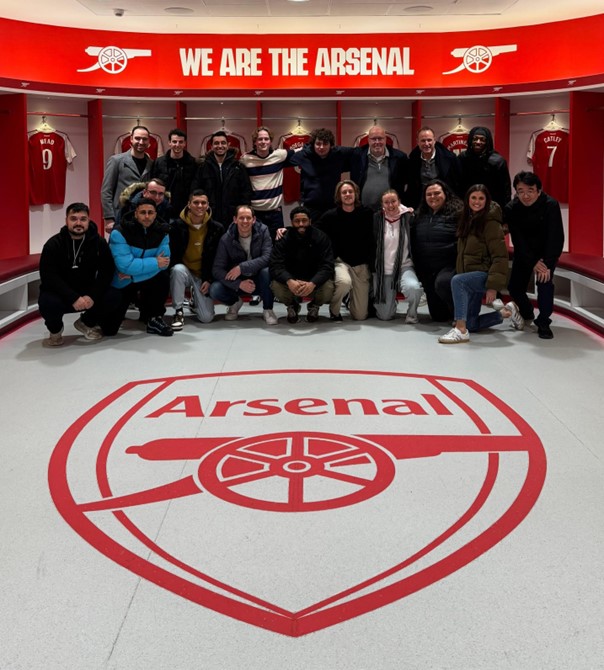
In November, we had a class visit to Arsenal’s Emirates Stadium as part of our Sport and Society module. The visit began with a lecture at the Arsenal Hub, where we learned about the club’s community initiatives as well as its local and international partnership strategies. The experience concluded with a stadium tour and a group photo in the Arsenal dressing room. It is always exciting to witness what happens behind the scenes of a major football club, and this visit provided great insights into how elite clubs operate beyond the pitch.
Class visit to Arsenal’s Emirates Stadium
What are your plans after graduation?
Upon completing my education, I plan to gain further experience at a football club or a sports management agency. Birkbeck is helping me refine my skills across the areas of strategy and business development, with a strong focus on the sports industry. Since transitioning into this field, my primary goal has been to work in a well-established organisation within this competitive environment and contribute to impactful projects.
In this blog, Dr David Gamblin, module convenor of the Consultancy Challenge and Programme Director for MSc Management Consultancy and Organisational Change, shares more information about the consultancy project students are offered with PA Consulting,a global management consultancy. Three students share their experiences of taking part in the challenge.
Birkbeck students celebrating the end of their Consultancy Challenge projects with their clients, mentors and supervisors
It is always a particular highlight of the academic year to witness the students complete their Consultancy Challenge projects. Over a busy 12-week consultancy cycle, the students work diligently from the initial scoping of the briefs with their client, all the way to the final presentation of deliverables – with plenty of rapport building, teamwork, data collection, and problem solving along the way.
These projects are an ideal exposure to the world of consultancy, with student teams working with real clients, on real problems that the clients need solving. The impact is real too, and with the projects’ focusing on the charity sector, it means that the students are making a beneficial difference to organisations, staff, and volunteers who are serving often vulnerable populations.
Whilst the work is challenging, the student teams are supported along their journey by PA Consulting who provide expert mentorship and guidance. Through PA’s approach of continuous feedback, the students are challenged to deliver work that PA would be proud of, in a supportive and stimulating environment. This provides the students with the perfect opportunity to put their knowledge and learning into practice, and learn crucial consultancy skills over the project and beyond.
My sincerest thanks go out to all of the consultants at PA with whom we have the pleasure of working, for providing our students with their support and expertise. The collaboration is approaching a decade now, and it is truly rewarding to reflect on the student journeys each year, how they have grown from this rich experience, and the difference that can be made through this innovative relationship.
Birkbeck students with PA Consultants and Birkbeck supervisors
Student testimonial, Ma. Teresa Manrique, Consultancy Challenge 2023 The Consultancy Challenge was the highlight of the MSc Management Consultancy and Organisational Change degree for me. It gave me the opportunity to apply and refine the skills I had learned throughout the course, and to test my knowledge with the guidance of my mentors and tutors.
Working with PA and the client was a valuable experience. They treated our team with professionalism and engaged with us as professionals, not as students. After presentations, they gave feedback on our performance and how we could improve. The challenge taught me how to work in a multicultural and dynamic setting. I learned how to adapt to British culture and how to work effectively with colleagues and clients from different backgrounds. I also learned the importance of being resourceful and assertive in order to deliver on commitments. Having worked for a client in a line of work that I had no experience in was especially rewarding. It gave me the opportunity to learn about their advocacy and to develop my own skills in this area.
Overall, the Consultancy Challenge has made me more confident in my ability to seek employment in the UK. I am now ready to apply the skills and knowledge I have gained to make a significant contribution to any organization. I have also made some valuable connections with other students and professionals in the field of management consultancy. I am confident that these relationships will continue to benefit me throughout my career. I’m grateful for the opportunity to have participated in the Consultancy Challenge. It has been a challenging but rewarding experience, and I am confident that it has prepared me well for a successful career in management consultancy.
Student testimonial, Tonia-Lee Smith, Consultancy Challenge 2023 I had the opportunity to participate in the Consultancy Challenge, not only as a member of the team but also as a team facilitator. David had warned us that it wasn’t called the Consultancy Challenge for name’s sake, but that it was designed to challenge us to grow and work in a way that we hadn’t previously and find innovative solutions to our problems.
I’ve spent most of my time in academic settings and my work experience had been in more casual environments, so, while I was excited to be working with and learning from PA, I was also nervous, as I didn’t know what to expect. PA did an amazing job at setting the tone from the beginning and managing expectations. My mentor, Hannah, was the key to our success in the project. She was great at anticipating the needs of our group and the client’s as well. Her experience and authenticity helped us feel more comfortable in our roles. PA did a thorough job offering feedback and Hannah did a great job of helping us apply the advice in a practical way.
I’ve learned a lot about delegation, project management, leadership, the importance of a strong and consistent work ethic, and of course consulting with a client and that’s not even the entire list. This experience, though more challenging than I could have imagined, is something I would do again. The tips and help I received from everyone involved in the process is invaluable to me and are things that I’ve already started applying in both my professional and personal life and I’m sure will be most useful to me as I delve deeper into my career.
Birkbeck students celebrating the end of their Consultancy Challenge project with Emily Hill, Principal Consultant at PA, and Dr David Gamblin, Consultancy Challenge convenor at Birkbeck
Student testimonial, Ngozi Anuforo, Consultancy Challenge 2022 The Consultancy Challenge offered me a personal and professional challenge and it was a fantastic opportunity to draw together my learning on the Master’s degree.
I found the challenge inspiring and valued the way in which working on a real organisational dilemma created the chance to draw on the support and guidance from experienced colleagues at PA Consulting and Birkbeck. I gained a huge amount from the diversity and range of skills and knowledge amongst the other students in my team.
I would highly recommend the Consultancy Challenge to anyone wanting to grow their professional confidence and ability to deliver effective consultancy practice with a high degree of insight and reflection. Undertaking the challenge enabled me to bring existing experience and knowledge to the fore, and motivated me to continue expanding, and deepening my practice, as a consultant.
A recent report by Crest Advisory in partnership with Birkbeck and the Police Foundation found that the emotional impact of online fraud for victims is often worse than the financial hit. In this blog Dr Bina Bhardwa, Senior Research Fellow at the Institute for Crime & Justice Policy Research (ICPR) at Birkbeck, drawing on findings from focus groups with the public, shares her vision for how we need a different approach to tackling online fraud.
Online fraud is an everyday ‘trip hazard’ that we have become, or are under pressure to become, better skilled at and (sadly) accustomed to navigating. The volume, sophistication, and constant barrage of fraud risks makes the task of filtering out this ‘background noise’ challenging and, most importantly, makes us ever more reliant on credible and trusted sources of information.
While most members of the public trust messaging from their banks, the occasional ‘fraud awareness’ training at work and household names such as Martin Lewis to keep them informed, much of their knowledge about fraud is derived from experiences shared by friends and family who have been victims of fraud or had near misses, and an avalanche of misinformation. The government’s latest anti-fraud campaign – Stop! Think Fraud – is a step in the right direction, but we know little as yet about its scope to bring about tangible change.
There was a perception among focus group participants we spoke to as part of a wider research project on Tackling Online Fraud that the police did not have the capacity to respond to volume fraud, especially where financial losses were thought of as insignificant and where more ‘serious’ crimes took precedence. This goes some way towards explaining the under-reporting of fraud. Deficiencies in the state’s capacity to protect its citizens from crime, means that responsibility for protecting oneself from online fraud threats rests largely with the individual.
Government fraud strategies, and the recommendations stemming from much of the research on fraud tend to centre, perhaps somewhat predictably, on three staples:
more resources – usually aimed at bolstering the numbers and specialisms of investigators,
forging and improving public-private partnerships, and
better financial education.
Of course, these are important and worthy recommendations. However, what we see less of is how we can beg, borrow, and steal ideas and good practice from other areas of criminal justice, to daringly try something different. Drawing on two examples from the drugs field, I present, here, a case for applying models and methods from elsewhere to tackling online fraud.
Drug safety checking at festivals
Not without contention among the conservative, drug-safety checking services made their debut in the UK in 2018 at the Secret Garden Party and Kendal Calling music festivals, pioneered by The Loop. Since then, the model of drug testing has expanded its reach and support. The operating model is centred on providing non-judgmental, harm reduction advice to members of the public. Substances are voluntarily submitted to The Loop’s chemists who test them and then share risk and safety information with individuals based on the results. A further feature is the dissemination of live-time, in-situ safety information via social media channels, which communicate the risks of, for example, adulterants and high strength substances in circulation at an event.
The key tenets of the drug safety testing model – non-judgmental, led by experts, a feedback loop and the live dissemination of knowledge – could be imported to tackle online fraud. This would not in fact be new to fraud prevention, as it is the premise of Action Fraud Alert. However, the majority of the participants in our public focus groups had not heard of Action Fraud, let alone proactively signed up for alerts. Is this then a case for raising public awareness of Action Fraud or is it a call for a more trusted and effective national system for circulating topical alerts? For example, during the height of the ‘Hi Mum’ impersonation scams, the government – informed by National Fraud Investigation Bureau (NFIB) analysis of reports – could have disseminated alerts and safety messaging to the public, as the equivalent to providing non-judgmental, credible, harm minimisation drug safety advice in live time.
A ‘whole systems approach’ to tackling drug misuse
Catalysed by Dame Carol Black’s independent review of drugs which highlighted the damning impact of years of disinvestment in drug treatment services, the government has invested in rebuilding drug treatment and recovery services, taking a ‘whole of Government’, ‘whole systems approach’. While the government’s latest Drugs Strategy is not without its shortcomings[1], what is key here is shared responsibility for the ‘drug problem’.
Project ADDER (Addiction, Diversion, Disruption, Enforcement, Recovery) is an example of this approach. The £59 million programme involved law enforcement, treatment and recovery services working together in areas with the highest prevalence of Class A (heroin and crack cocaine) drug use and drug-related deaths. An unpublished evaluation of the programme found that the close cooperation between government departments, public sector enforcement services and voluntary sector treatment services, working towards the shared goal of combating drug misuse, produced positive outcomes, such as contributing to an increase in arrests for high harm individuals involved drug supply. Can we not do the same for combating fraud, e.g. taking a ‘whole systems’ approach to tackling high harm fraudsters? Focus group participants recognised that the police alone are largely powerless in the face of the ever-increasing volume and global reach of fraud. The Home Office, Department for Education, Department for Science, Innovation and Technology, Department of Health, and other relevant departments, in conjunction with private and voluntary sector, should work together to disrupt fraud, divert fraudsters who are caught and better understand mechanisms for recovery from the psychological and health harms of fraud. This would be an expansive ‘whole systems approach’ that is held to account and subject to evaluation.
The fact that fraud now makes up over 40% of all crime in England and Wales signals that it’s time for a different approach. However, there’s no need to reinvent the wheel: we can build on evidence of good practice from other areas of criminal justice. As demonstrated here, the drugs field offers a good starting point.
With Mental Health Awareness Week 2024 taking place from 13 to 19 May, William Sarenden, BA Philosophy student and Chair of the Birkbeck’s Students’ Union, shares tips for how to improve mental health, especially in the context of this year’s theme of movement.
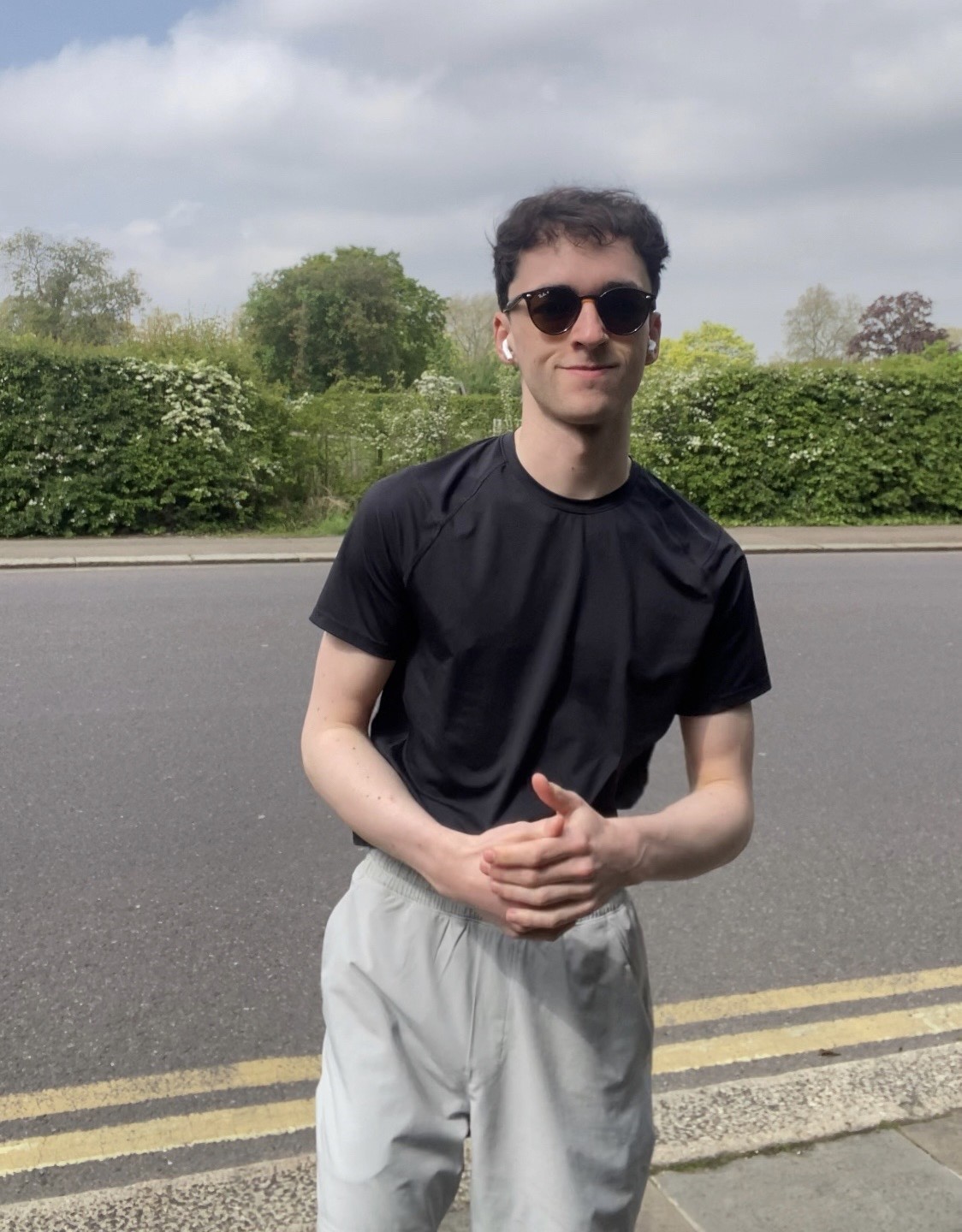
William Sarenden on a run
It would be an understatement to say that mental health awareness is important. Even in a world that seems increasingly aware of its necessity, there is still much room for improved mental health outcomes and effective strategies in tackling the matter.
Mental Health Awareness Week is a chance for everyone to consider the impact mental health has on their lives. It’s here to show support for those in need as well as educate ourselves on the diverse facets of mental health, and offer avenues for reaching out and providing support.
Commencing on Monday the 13th of May, this year’s theme is “Movement: Moving more for our mental health” which underscores the interconnectedness between our physical activity and mental wellbeing. With each daily action contributing to our mental health, it approaches the subject in a way we can all relate to and get involved with. This includes viewing mental health in a way that we are able to have a more holistic, accessible, and empowering approach to a healthy wellbeing.
Tackling the issues of stigma surrounding mental health, celebrating the people that support those in need and championing developments in our understanding is at the heart of this week’s meaning. With this all in mind, there are a few key messages highlighted by this year’s theme all of which are important to think about throughout the week:
The link between mental health and movement: With a plethora of research that showcases the strong link between how our movements impact our mental health, it’s important that we regularly exercise, keep active and find time for ourselves. While having a physical exercise routine, going to the gym, or even heading out on a nice walk has its health benefits, the value that this time has for the mind is sometimes overlooked or not considered. Whether its time away from the constant level of stimulation provided by technology or a simple break away from work, it’s great to prioritise a time that allows you to focus on what will make you more aware of your mental state.
Accessibility and inclusivity: Mental Health Awareness Week isn’t just about our own individual experience, but the collective experience of our communities. Understanding that we all have different levels of needs is key in supporting both our own and others’ wellbeing. It’s important that we take time to find out our own individual preferences and capabilities, whilst recognising the needs of others that may differ from our own and help in any way we can to better our community.
Prevention of mental health challenges: In acknowledging the need for movement in our day-to-day life, we start the trend of being able to spend more time focusing on not only supporting existing mental health but playing a critical role in prevention. Prevention can come in many forms and this year’s theme showcases one of the best ways, by simply keeping fit and active.
Empowerment and self-care Cultivating a positive relationship with our bodies, fostering a sense of balance, and taking ownership of our mental wellbeing is essential in empowering us to achieve what we want in life. It’s all about fulfilling those basic needs first that allow us to then face any of life’s daily challenges. We should always look to embrace movement as a form of self-care as it will not only improve our wellbeing but contributes to a culture that values and supports health and self-care practices.
My own advice to the reader Discovering personalized methods to nurture our wellbeing lay the foundation for any robust mental health. Personally, I’m someone who loves to stay active, but I’ve learned to balance it with less fast paced moments. Whether it’s a leisurely stroll through one of London’s picturesque parks or a quiet reading session, these activities rejuvenate my spirit and allow for that much needed downtime. Additionally, I’m one of the many people who have a newfound love for running (although I’m still trying to find the right pace) which has been both a challenging yet exhilarating opportunity to discover new ways of working on my mental health. This week we should embrace the unknown by exploring new activities, joining clubs, or experimenting with different workout routines—because true insight into what truly uplifts us only emerges through exploration and experimentation.
William Sarenden taking a break on a run
Creating a better environment for ourselves and others Building a sense of belonging is the key for many to connect with their mental health. In actively participating in many forms of movement; yoga classes, group exercise, team sport and any community led activity, we allow others to feel more welcomed and give them more opportunities for critical support. Sometimes all it takes is the company of others to help us get moving.
It’s very common for us to forget or neglect the need to look after our own wellbeing, when we all live busy lives and have a lot on our plate. Remember that this week serves as a reminder to take that time out and give ourselves and others the support needed to grow, develop, and live the best lives we can.
Birkbeck’s Wellbeing Service together with the Birkbeck Students’ Union has created a programme of events to mark the week, including mental health hubs where students can access support, a 6 hour walk around London and a film screening of ‘The Boys in the Boat’. Find out more and book onto ticketed events here.
To provide the best experiences, we use technologies like cookies to store and/or access device information. Consenting to these technologies will allow us to process data such as browsing behavior or unique IDs on this site. Not consenting or withdrawing consent, may adversely affect certain features and functions.
Functional
Always active
The technical storage or access is strictly necessary for the legitimate purpose of enabling the use of a specific service explicitly requested by the subscriber or user, or for the sole purpose of carrying out the transmission of a communication over an electronic communications network.
Preferences
The technical storage or access is necessary for the legitimate purpose of storing preferences that are not requested by the subscriber or user.
Statistics
The technical storage or access that is used exclusively for statistical purposes.The technical storage or access that is used exclusively for anonymous statistical purposes. Without a subpoena, voluntary compliance on the part of your Internet Service Provider, or additional records from a third party, information stored or retrieved for this purpose alone cannot usually be used to identify you.
Marketing
The technical storage or access is required to create user profiles to send advertising, or to track the user on a website or across several websites for similar marketing purposes.