Author Archives: I Arden

Opinion: Donald Trump is a Danger to Democracy

Dr Ben Worthy, Reader in Politics and Public Policy at Birkbeck’s School of Social Sciences shares his thoughts on the President Trump’s latest actions.

Since his second term began Donald Trump has dismantled, undermined and destroyed some of the essential features of American democracy. The signs have long been there that Trump doesn’t support or like democratic institutions or ideas. In his first term, remember, he tried to deny he’d lost and supported an armed coup that stormed Congress. Now, just two months into his second term, the US political system itself is under sustained attack. 

It is true that even before Trump American democracy was, shall we say, a work in progress, and actually far younger than it looks. Until the 1960s claims of democracy and the ringing belief in ‘We the People’ co-existed with slavery and severe inequality, and, at least in terms of voting rights, it has only been a full democracy since 1965. But since January 2025 even this imperfect system is being pulled apart.

So what exactly has Donald Trump done? Since he came to power he has launched a flurry of so called Executive Orders (which are essentially memos) attacking various democratic rights, and made a series of attacks minority groups and vulnerable people, especially in the trans community and immigrants. Immigration officials and other agencies have moved quickly to target opponents who may oppose or speak out, from lawyers to universities, spreading terror and intimidation. Just read this headline out loud ‘A PhD student was snatched by masked officers in broad daylight. Then she was flown 1,500 miles away’. This is the story of a student writing in a student newspaper, who was snatched from the street by masked and unidentifiable police. Yes, secret police and snatched away.  Opponents and critics are disappearing are being silenced, heading towards the concentration camps that have been created exactly to sit outside of the law (though they haven’ been called that). This is only the beginning of Trump’s plans for mass deportation.

As well as being horrific, Trump’s action run against several important rules of democracy. The first is the rule of law, and the idea that everyone, from the President downwards, must be subject to it, equally. Trump very clearly believes otherwise. He has pardoned people convicted of attempting to overthrow the government. He has also suspended the vital legal processes for critics, simply deporting them and making up reasons afterwards. As this article puts it ‘the lawlessness is the point’. Without the rule of law, the law is simply whatever Trump says it is.

The second rule of democracy is about following the constitution, the rules and procedures that set out the rules of the game. The US constitution is one of the world’s most famous, setting out the ‘checks and balances’ to make sure no one can…erm… become a dictator. In theory, the President is balanced by the Supreme Court and Congress, who all block each other.

In July 2024 a Supreme Court ruling gave any future President (and especially Trump) immunity and, effectively’ the power of a king’ and Trump is now using it to the full. So far Trump has unconstitutionally and illegally abolished government departments and pursued law firms who he believes are opposed to him, while Musk, who has no proper constitutional position, has illegally taken control of government data. Trump’s day one orders on immigration were ‘unconstitutional, illegal and cruel’ as has been his unconstitutional use of the Alien Enemies Act of 1798 . Each of these acts should have been stopped, and each would probably be an impeachable office, meaning the President could be removed.

So far, the checks have failed. Some Judges at various levels are working to stop or slow down Trump. The problem at the moment is that the legislature (Congress) and the highest court (the Supreme Court) are filled (and better say ‘packed’) with Trump’s supporters, who have decided that their loyalty to Trump is more important that defending the Constitution.

Trump is now mulling possibility of somehow, someway serving a Third term. As this piece argues Trump cannot, in constitutional terms, be elected for a third term but could try to reach the White House by becoming Vice President, Putin style, or some complex swap arrangement

Finally, the third way of thinking about democracy is through elections. Adam Przeworski famously argued that Democracy is ‘a system in which parties lose elections’. Free and fair elections are the most important part of democracy, and perhaps the one true way to judge a democracy is whether the party that loses agrees to step down. Leaving office willingly is the fundamental difference between democracies and dictatorship. Trump tried all he could to not leave, as a clear warning sign, in 2020.

Trump’s issued a new set of Executive Orders in March 2025 aimed to ‘Protect and Preserve Elections’. Like in any other authoritarian regime, we need to remember that anything the government says now means the precise opposite. Trump’s instructions are an attempt to restrict mail voting and create new proofs for ID to undermine his opponents and manipulate the elections in his favour.

Trump’s actions fit with a longer term voter suppression by Republicans across many states of America. This report maps the ‘barrage of restrictive voting legislation over the course of the last decade’ which have targeted ‘voters of colour’ as well as  ‘voters with disabilities and low-income voters who can face significant obstacles to obtaining photo identification’.

Beyond the direct attack on the electoral system, the fear of revenge is intimidating parts of the media, lawyers and anyone who could fight it, rolling the pitch for Trump and weakening his opponents. Trump is, in short, trying to create a situation where he doesn’t lose elections. Tim Walz, who ran as VP for Kamala Harris, warned that ‘the road towards authoritarianism has been paved with people saying, ‘You’re overreacting,’ ”. He went on to warn ‘I think you should assume a worst-case scenario’. We should all assume that now.

More information
Tackling drug-resistant TB: my cross-border mission as a Birkbeck Commonwealth Scholar

Gourav Rakshi is a Commonwealth Split-Site PhD Scholar based at Birkbeck, University of London. He’s recently actively shared his research to mark World TB Day, World Health Day, presenting his investigative work to a broader community of scientists and early career researchers.

I’m a Commonwealth Split-Site PhD scholar conducting research at the ISMB-Mycobacterial Research Laboratory within the School of Natural Sciences at Birkbeck, University of London. I’m also a member of the UCL-TB Centre. My research is jointly supervised by Professor Venkatesan Jayaprakash (Birla Institute of Technology, Mesra, India) and Professor Sanjib Bhakta (Birkbeck, University of London, UK), and my interdisciplinary project contributes to a UK-India education and research initiative aimed at accelerating the development of novel therapeutic interventions against drug-resistant tuberculosis (TB).

On 21 March, I presented a poster at the IOI Early Career Researcher Conference 2025, held at Saïd Business School, University of Oxford. This conference fosters interdisciplinary collaboration among researchers, clinicians, industry experts, and postgraduate students, encouraging innovative, multidisciplinary approaches to tackling antimicrobial resistance (AMR).

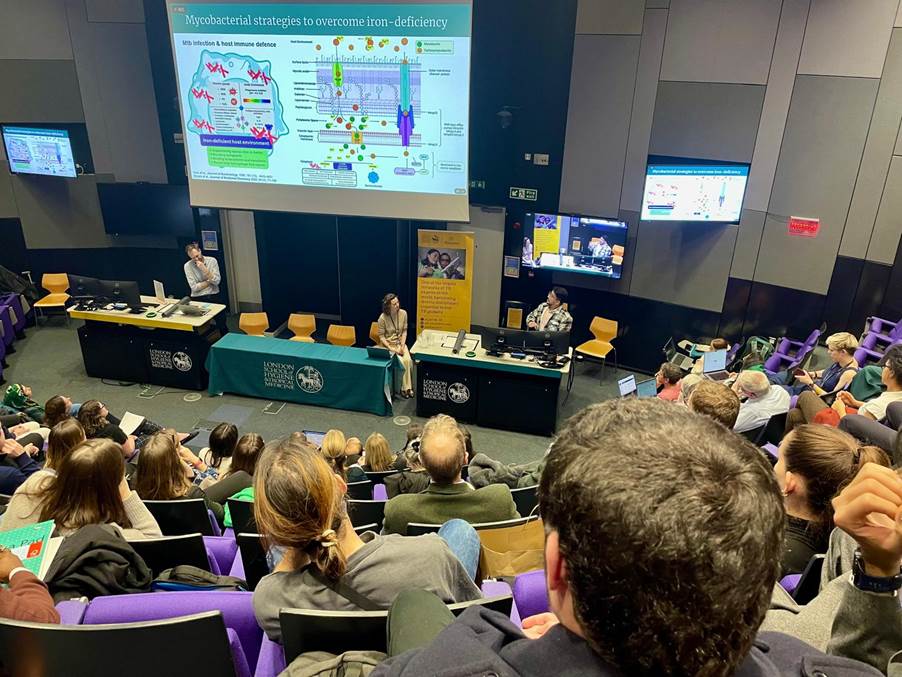
A few days later, on 24 March, I delivered a Turbo Talk at the World TB Day Symposium 2025, held at the John Snow Lecture Theatre, London School of Hygiene & Tropical Medicine (LSHTM). I was honoured to receive first prize for my presentation. This annual symposium brings together the global TB research community – including scientists, clinicians, policymakers, and affected communities – to share insights on TB research, control strategies, diagnostics, and policy development, while addressing future challenges.

World TB Day, observed on 24 March each year, commemorates the day in 1882 when Dr Robert Koch announced his discovery of Mycobacterium tuberculosis as the causative agent of tuberculosis. The symposium, jointly hosted by the UCL-TB and LSHTM TB Centres, highlights current TB research, control measures, and policy initiatives, connecting a wide range of stakeholders – from researchers and healthcare professionals to diagnostics experts and members of affected communities.

UCL-TB/ LSHTM-TB World TB Day Symposium 2025

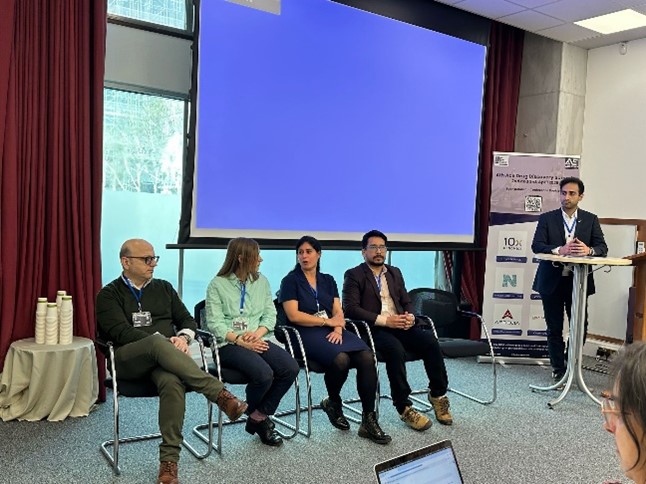
Continuing my engagement with the wider scientific community, I participated in a panel discussion on 2 and 3 April at the 4th ACE Drug Discovery Summit, held at Insurance Hall, London. The session, titled In Vitro and In Vivo Testing of Drugs to Accelerate New Drug Discovery: Complementary Approaches, featured leading experts from academia and industry. During the event, Professor Bhakta delivered a keynote lecture on Models and Methods in Antimicrobial Drug Development (for further reading: https://pubmed.ncbi.nlm.nih.gov/38949698/). Other distinguished panellists included Soroush Safaei, Senior Principal Scientist at Sanofi; Chandan Seth Nanda, Vice President of Target and Drug Discovery at Pear Bio; Annick Sawala, Head of Translational Research at Vivan Therapeutics; and Bilada Bilican, Senior Director at AstraZeneca’s Applied Stem Cell Sciences, Centre for Genomics Research. The ACE Drug Discovery Summit provided an excellent platform for global experts to explore trends, challenges, and innovations in drug discovery through presentations and interactive sessions.

Reflecting on these experiences, I can say that as a final-year PhD student, presenting my work to an international audience and engaging in meaningful discussions with both academic and industry leaders has been incredibly rewarding. This journey wouldn’t have been possible without the support of the Commonwealth Scholarship, and I’m deeply grateful to my doctoral training supervisors for their unwavering support and mentorship.

More Information:

Scholars’ tips for your Chevening Interview 

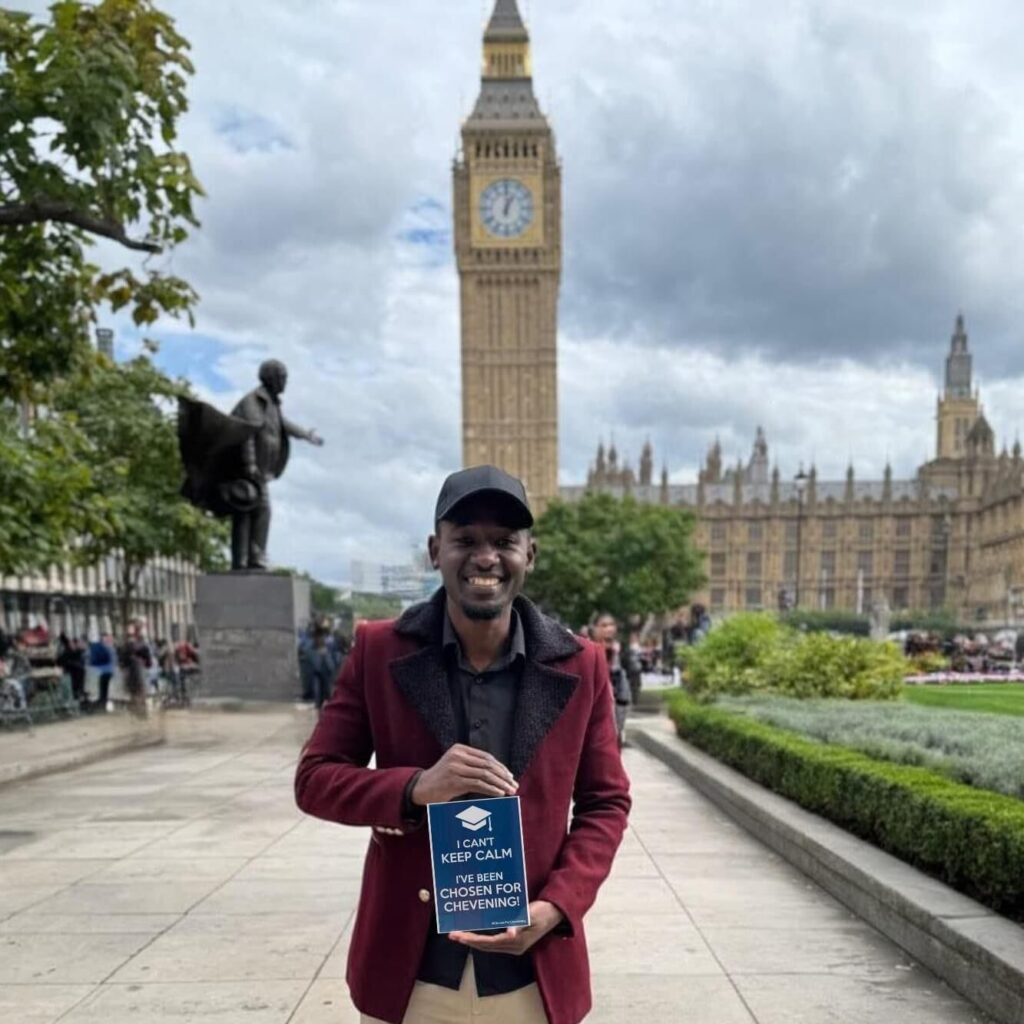
As part of the range of activities offered to support international offer holders, Birkbeck recently held a Q&A session about Chevening Scholarship interviews. Current and former Chevening Scholars shared tips and advice on applying to the prestigious UK Foreign and Commonwealth Office scholarship. 

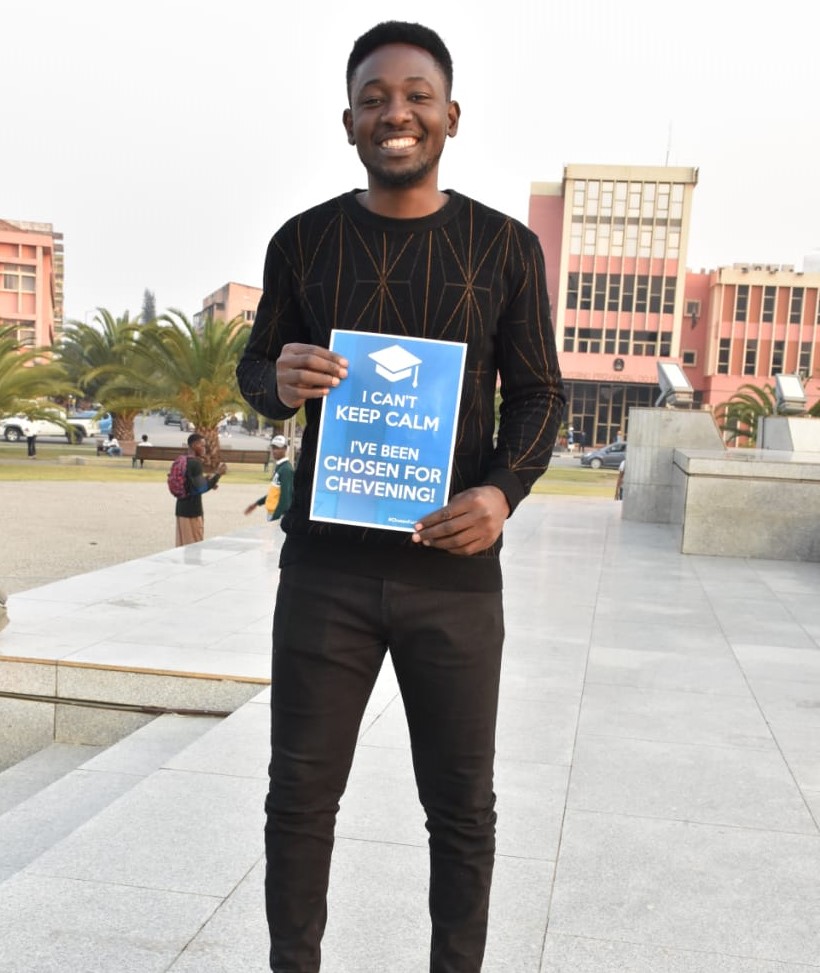
Vasco Chitema from Angola – MA, Language Teaching/Teaching English to Speakers of Other Languages – 2024 Chevening scholar 

First, well done on being selected for interview. Congratulations! For me, I think reaching the interview was the hardest part of the process. I’m the first Chevening scholar from my city, Huambo, so I didn’t have anyone to go to for advice. I had to do my own research.  

The very first place that you should go to in order to ace your interview is the Chevening website itself. There you’re going to find 90% of all the information that you need. Also, search related videos on YouTube!  

You also need to try to practice some common interview questions like:  

  • Tell us about you 
  • How is this scholarship going to help you? 
  • Where do you see yourself in the future (5-10 years)? 

When asked about yourself you should try and talk about where you came from, in terms of education, your past experience, where you’re at now and try to link this to your career goals. 

Remember to be confident but also show you’re open to learning. And, of course, when you go to the interview, try to dress smartly! 

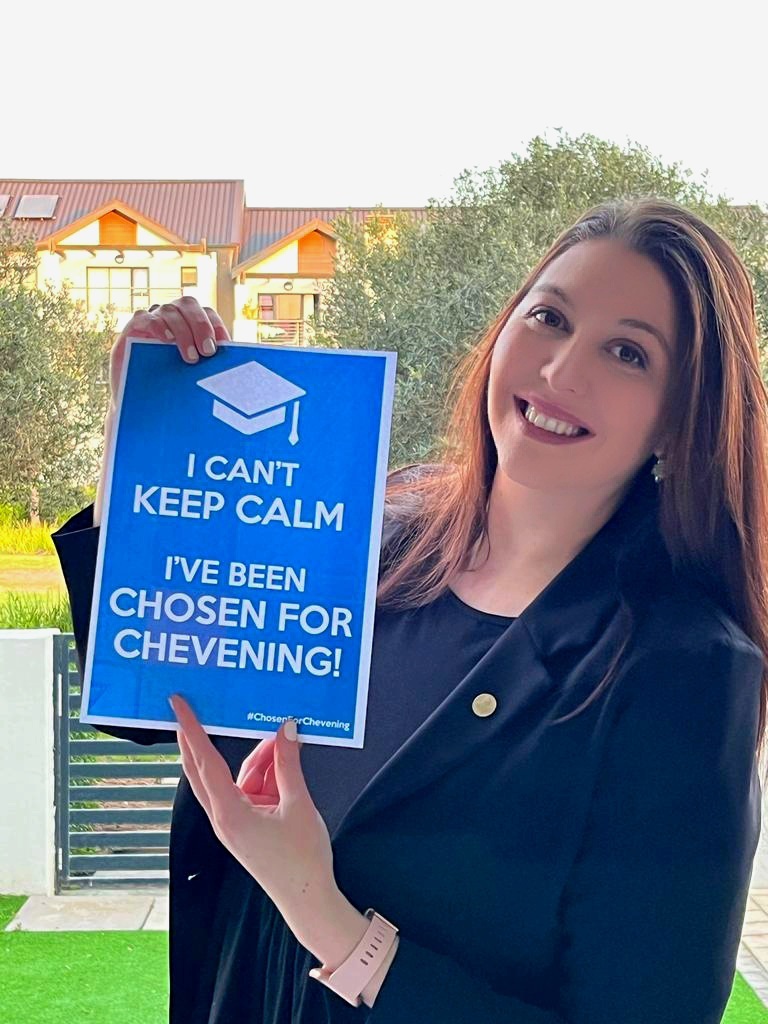
Susan Brits, from South Africa – MA Educational Neuroscience – 2022 Chevening scholar and current Interim President of the Chevening Alumni Association for South Africa (CASA) 

It’s beneficial to have a solid understanding of your essays, as the interview questions will be directly related to the content of those essays.

To prepare effectively, I thoroughly analysed each element of my essays and identified potential questions that could be asked for each concept. I then developed possible answers, ultimately creating about 20 pages of responses. This level of preparation is essential!

During the interview, I encountered questions that were often multi-layered, with the panel presenting multiple queries within a single question. Being well-prepared allowed me to respond with precision, addressing each component of the question as it was intended.

In your Chevening application, much of your focus will be on course research, the professors you are interested in working with, and the potential supervisors for your research. It can be helpful to reference this in your interview. For instance, stating something like, “I am applying to Birkbeck because I want to work with Michael Thomas, whose research on Educational Neuroscience aligns closely with my interests,” demonstrates that you have a clear understanding of your academic goals. So it’s important to make use of resources such as Google Scholar to research your potential professors. Ensure that your responses are well-linked to the specific program to which you are applying.

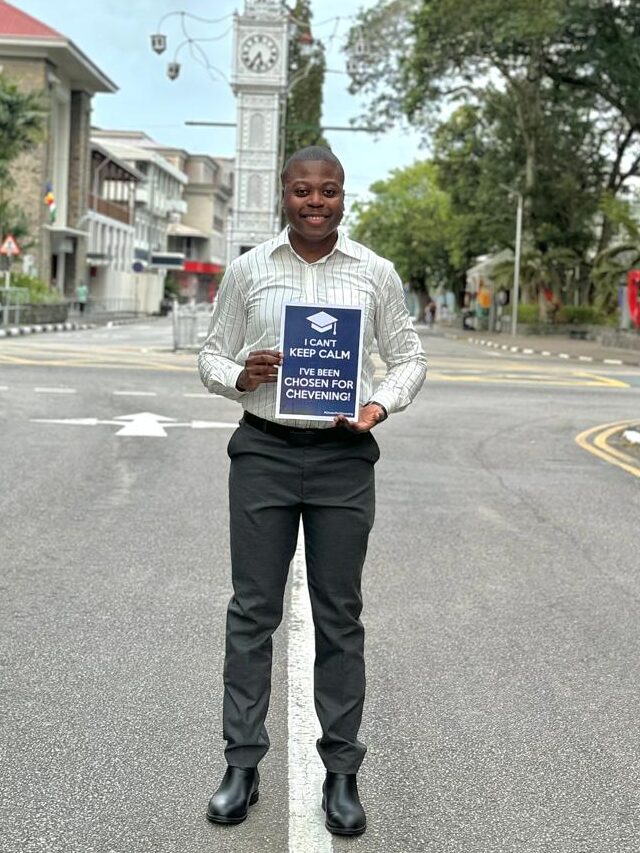
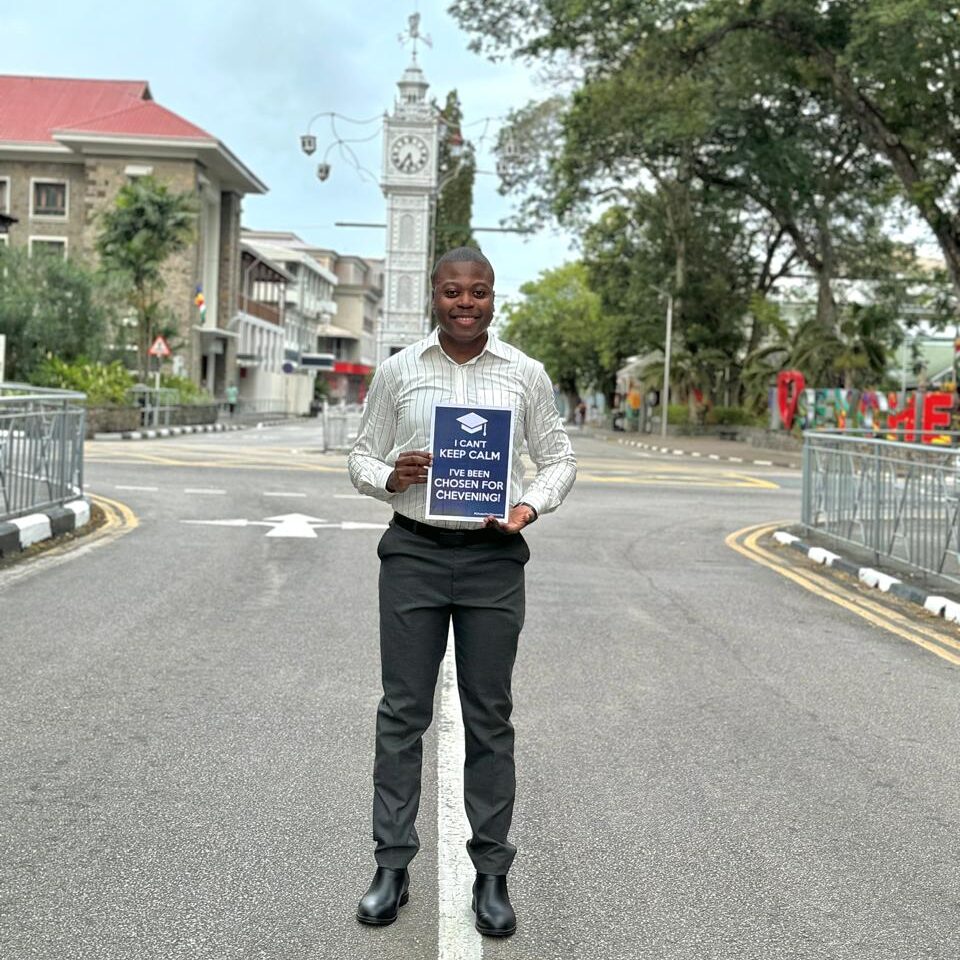
Rudy Sinon, from Seychelles – MSc Advanced Computing – 2024 Chevening scholar  

My main advice is to practice, practice, practice. I would advise you to find someone with whom you can have a mock interview. They can review your essay and may ask you questions you hadn’t considered, helping you prepare for the unexpected.

Be prepared for the panel not to ask questions in a chronological order based on your essay – from the first to the last sections of your application. They might mix it up a bit, asking about your goals, then a networking question, and later returning to your goals to ensure that your essay tells a coherent story.

My essay focused on data analytics. Every section, from the first to the last, was primarily centered on data analytics – why I love data and how studying in the UK would help me achieve my goals in the field.

The main thing is to paint a picture for the interviewers and ensure that every part is connected.

More Information: 

Celebrating outstanding research at the Birkbeck Business School Dissertation Showcase  

The Dissertation Showcase events held by the People, Work and Organizational Psychology subject group within Birkbeck’s Business School are designed to celebrate the outstanding postgraduate research carried out by Birkbeck students. Here, Dr Kevin Teoh, Dr Lukas Wallrich and Janet Sheath reflect on the most recent event which showcased dissertations from the 2023/24 student cohort. 

With over 100 attendees joining both in person and online, the showcase provided a platform for emerging scholars to present their research and engage in discussions on pressing workplace issues. It also allowed current and former students to interact and exchange learning about the dissertation process, and for the Birkbeck community to celebrate the success of the 2023/24 cohort in completing their programmes.  

Birkbeck Business School recently hosted the second People, Work, and Organizational Psychology (PWOP) Dissertation Showcase. The event on January 17th, 2025, brought together students, alumni, and staff, to showcase some of the outstanding dissertations from MSc students in Organizational Psychology, Human Resources Management, Career Coaching, and Coaching Psychology.  

A highlight of the evening was the presentation of the Best Dissertation Award which featured as the main presentation that evening. This award was given to Tamara McBride for her dissertation on “Building Bridges for a Brighter Age: The moderating effects of subjective age and cross-age contact on age-based stereotype threat and disengagement among younger and older workers”  

Two other dissertation awards were presented that evening: 

  • The Alan Wingrove Award for Best Coaching Dissertation – awarded to Katherine Powell for “I am human too…’: What are the negative effects of coaching upon coaches and what helps to reduce or abate them?” 
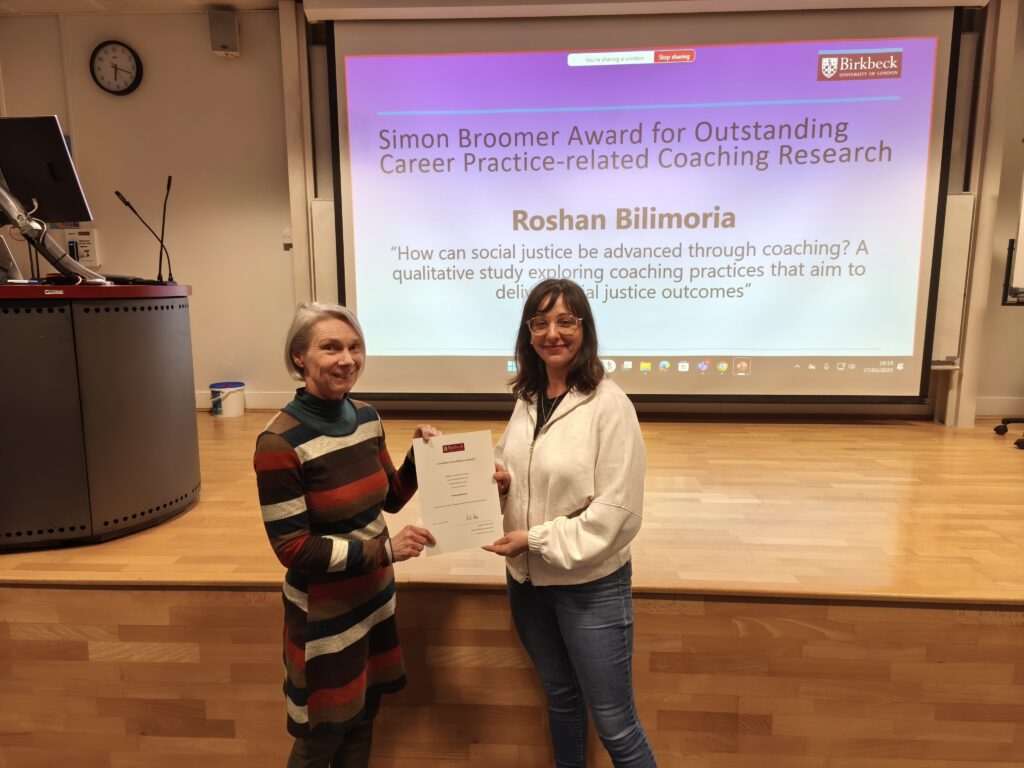
  • The Simon Broomer Award for Outstanding Career Practice-Related Coaching Research – awarded to Roshan Bilimoria for “How can social justice be advanced through coaching? A qualitative study exploring coaching practices that aim to deliver social justice outcomes” 
Janet Sheath Presenting an award to Roshan Bilimoria

The evening featured 13 individual presentations, grouped into three key themes reflecting the diversity of research in this field. The first theme, Lived Experiences and Identity in the Workplace, explored personal narratives and identity-related challenges, including neurodivergence, gender dynamics, and work-life balance.  

The second theme, Leadership, Change, and Organizational Challenges, examined how leaders and employees navigate complex workplace transformations, including sensemaking during crises and diversity, equity, and inclusion efforts.  

The final theme, Workplace Equity and Gender Dynamics, focused on systemic workplace inequalities, including coaching for social justice, flexible working arrangements for parents, and career progression barriers faced by underrepresented groups. 

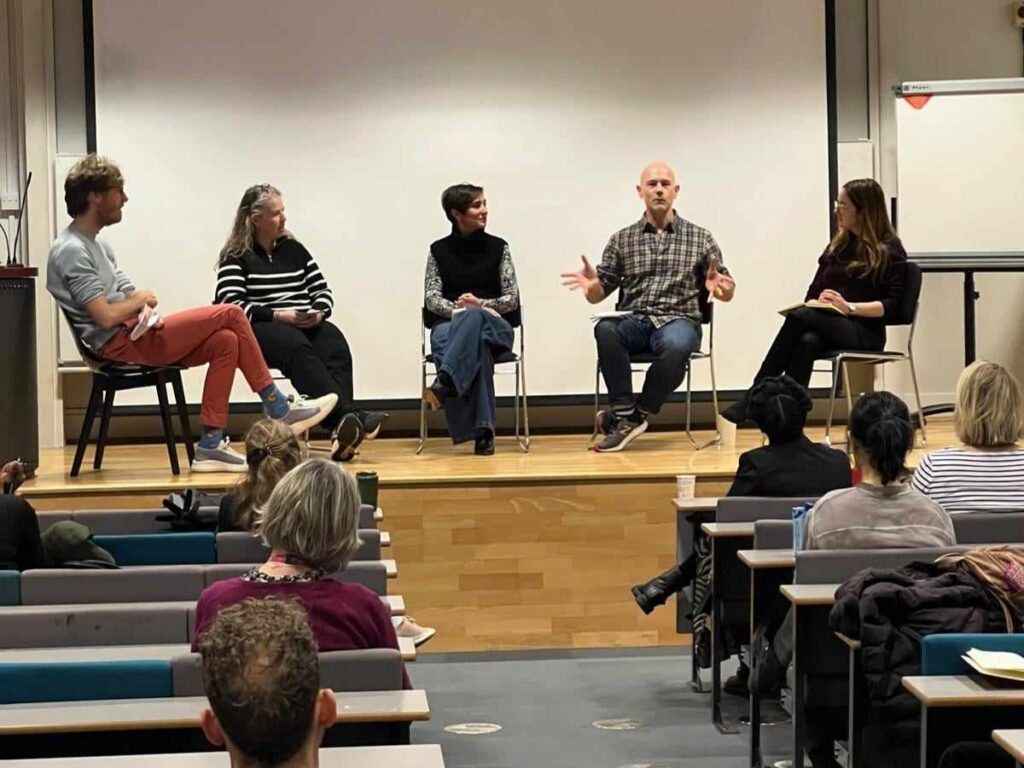
The event concluded with a Student-Alumni Panel Discussion, where past and present students shared insights on their dissertation journeys and how their research has shaped their careers. This interactive session highlighted the real-world impact of PWOP research, from influencing HR policies to supporting inclusive workplace practices and facilitating career transitions. 

As the evening wrapped up, attendees reflected on the showcase as a testament to Birkbeck’s commitment to fostering critical, socially responsible research that bridges theory and practice. With another cohort set to embark on their dissertation journey, the event provided inspiration, motivation, and a reminder of the impact of rigorous research in shaping the future of work. 

Birkbeck has been at the forefront of Organizational Psychology since 1962, when it became the first institution in the UK to offer a dedicated programme in the discipline. The school has continued to be a pioneer in research and teaching, launching the UK’s first online Organizational Psychology programme in 1981. Today, the People, Work, and Organizational Psychology subject group within Birkbeck Business School, focuses on understanding the interplay between people and work, with its interdisciplinary approach continuing to shape critical conversations around well-being, leadership, workplace equity, and the future of work. 

The full list of presentations from the evening: 

Lived Experiences and Identity in the Workplace presentations 

  • Shakyra Campbell – Coming Out: Neurodivergent workers’ lived experience of self-disclosure within the workplace 
  • Hayley Adamson – How do female service leavers experience their transition out of the military? An IPA study through a feminist lens 
  • Chloe Green – Balancing acts within leadership advisory firms: A qualitative study exploring employee perceptions of work-life balance and their boundary management techniques 
  • Jo Price – Organisational Mothers: How office housework contributes to gender inequity in the workplace 

 
Leadership, Change, and Organizational Challenges presentations 

  • Rachel Grant – Beyond the Known: Leaders’ sensemaking during the liminal pandemic and post-pandemic periods 
  • Zoe Kennedy – Toxic or invigorating: Exploring EDI practitioner workplace experiences and change 
  • Elaine Bagshaw – A Foucauldian Discourse Analysis of how leaders and decision-makers in the UK discursively construct ‘return-to-the-office’ policies and practice 
  • Kiryl Tsikhan – Golden years or rusty pennies? Psychological factors that inform retirement saving behaviours 

Workplace Equity and Gender Dynamics presentations 

  • Roshan Bilimoria – How can social justice be advanced through coaching? A qualitative study exploring coaching practices that aim to deliver social justice outcomes 
  • Sam Hewlings – Informal Parental Leave: How fathers in the UK construction industry use hybrid working as an alternative to Shared Parental Leave 
  • Bobbie Reynolds – Playing the game and disrupting social class barriers: Career progression experiences of working-class senior technology leaders 

More information: 

Book recommendations for LGBTQI+ history month: true stories of queer lives 

For LGBTQI+ history month, Reader in Creative Writing at Birkbeck, Julia Bell, shares some of her top picks for books and stories about queer lives – some of which have come from Birkbeck alumni.  

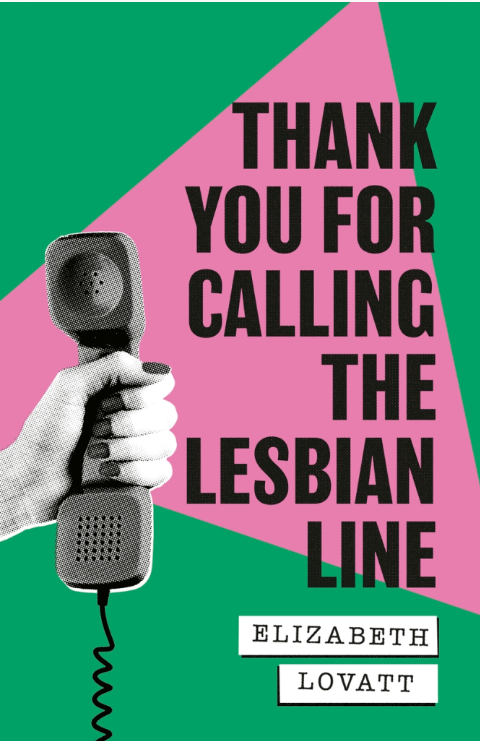
Elizabeth Lovatt – Thank You for Calling the Lesbian Line (Dialogue Books)  

Thank You for Calling the Lesbian Line started work at Birkbeck on the MA in Creative & Critical Writing course, and has been released just this month.

Taken from the archives of the Lesbian Line – a lifesaving lesbian hotline where callers could ask anything from the details of a film screening to sharing illicit longings and difficult lovers – Lovatt imagines the lives of these callers braided with Lesbian history, and her own coming out story. A great read, and one that’s just received a great review in the Guardian!  

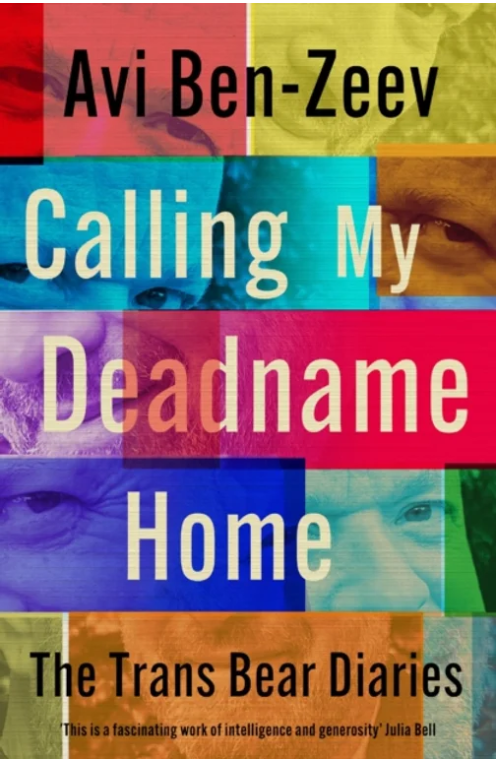
Avi Ben-Zeev – Calling my Deadname Home: Trans Bear Diaries (Muswell Press)  

Another Birkbeck alumni, this time from the MFA in Creative Writing. Calling my Deadname Home: Trans Bear Diaries is a fascinating and sensitive account of a transition.

Ben-Zeev’s journey to becoming a gay man takes many pit stops and twists, but the central realisation, that wholehearted living involves integrating both his new identity and his past self, is beautifully realised. Intelligent, and psychologically resonant, this book teaches us a lot about how to live fearlessly and become our true selves.  

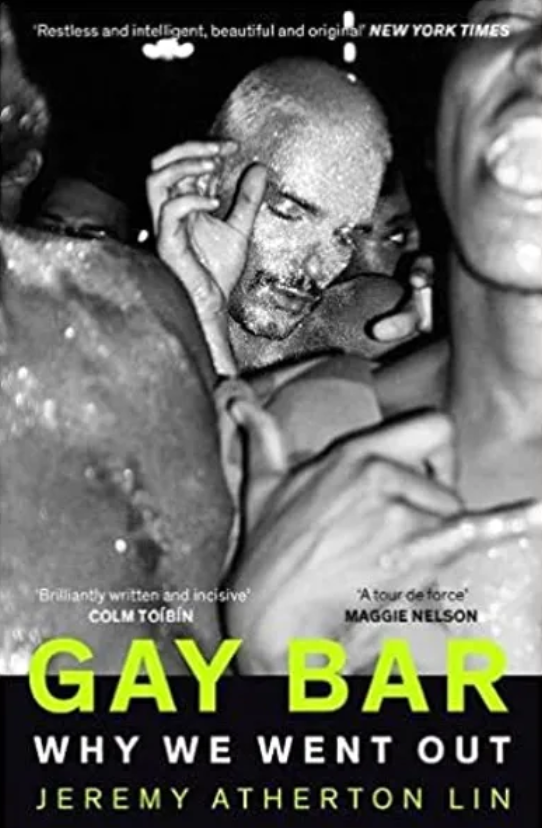
Jeremy Atherton Lin – Gay Bar: Why We Went Out (Granta) 

I absolutely love this cultural history of gay nightlife which is both sexy and serious – from San Francisco leather bars to Popstarz at the Scala.

Gay Bar: Why We Went Out is a transnational book that visits all our old haunts and thinks deeply about hedonism and community in gay culture – it’s also a great read. Atherton Lin’s new book – Deep House – is forthcoming, and I can’t wait for it!  

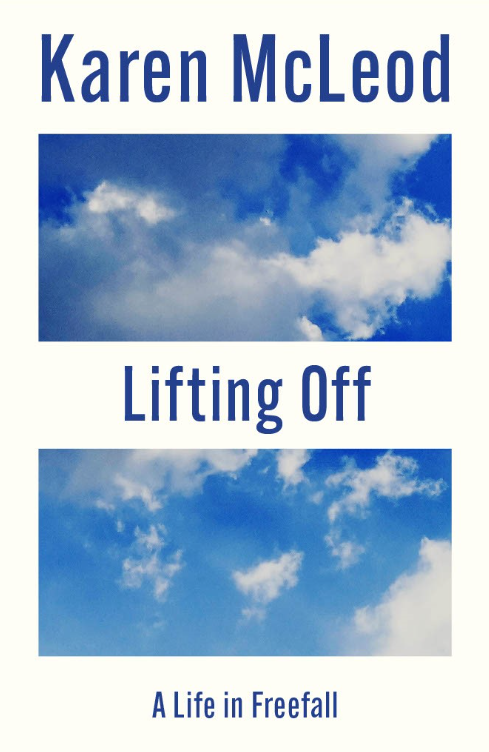
Karen McLeod – Lifting Off (Muswell Press)  

Ever wondered what it was like to be trolley dolly? Wonder no more – Lifting Off is a fascinating insight into the world of flight attendants and of being a feme lesbian in a world of gay men.

This book is funny, insightful and at times heartbreaking. Also to be read next to the re-print of McLeod’s first novel, In Search of The Missing Eyelash, which has been a favourite of mine since it first came out.  


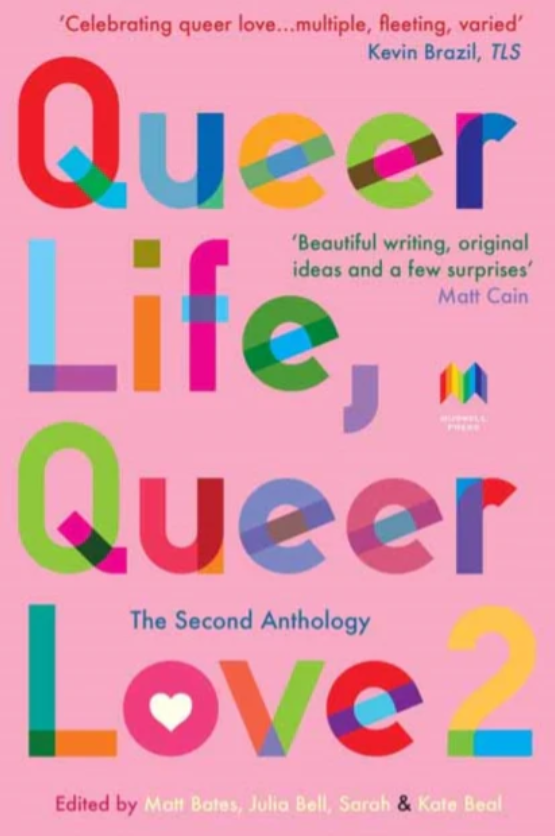
Ed Matthew Bates, Julia Bell, Sarah and Kate Beal – Queer Life, Queer Love 2 (Muswell Press) 

Why, yes, of course I’m going to recommend my own project! Queer Life, Queer Love 2 is a grab bag of fiction, poetry and non-fiction has some Birkbeck Creative Writing alumni between the covers. It’s also a fascinating testament to the richness and resilience of queer lives and vibrant and irrepressible creativity within the community. Libro Levi Bridgeman’s poem about becoming a Granddandy – which has also been made into a stop-motion film – is of particular note, as is Sharon Shaw’s piece on the complications of visiting Gaza as a queer woman before the war. Volume 3 is in the works, this time guest edited by Karen Mcleod.   

More information:  

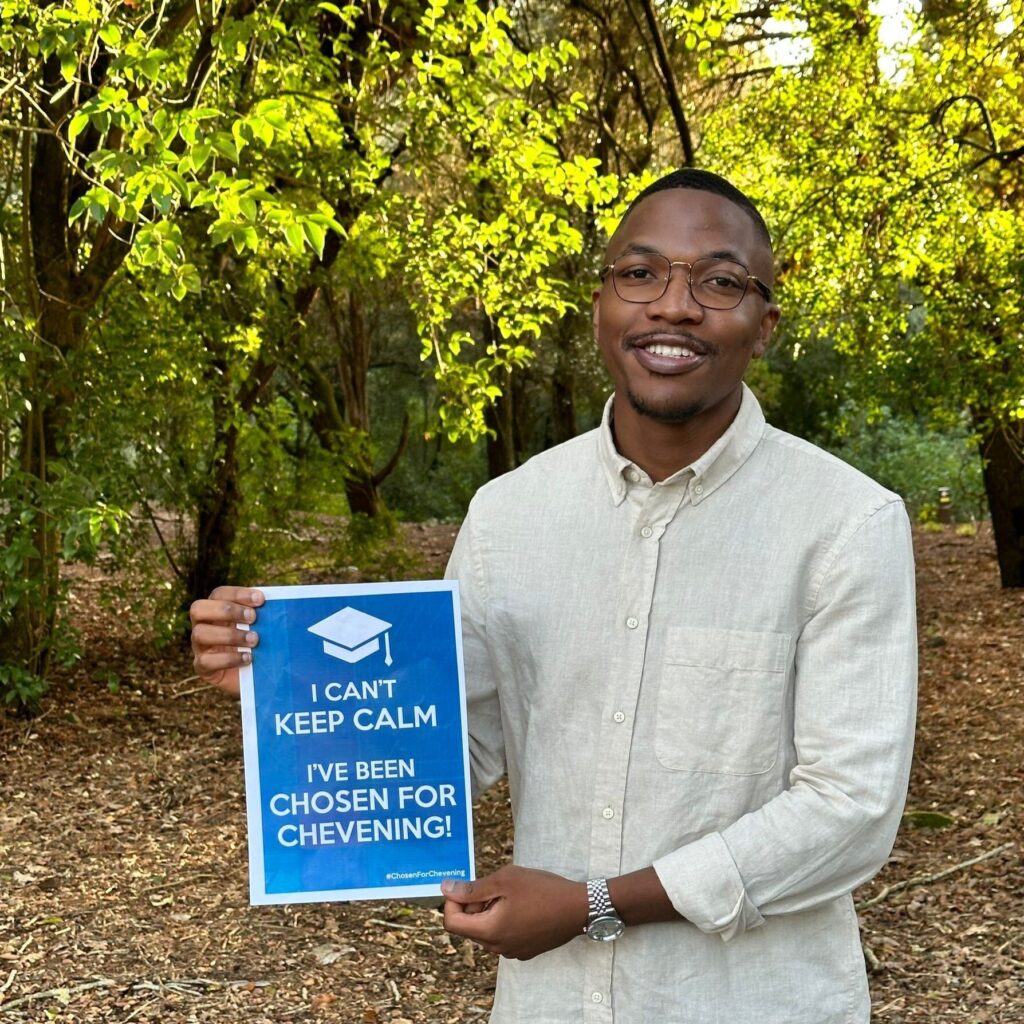
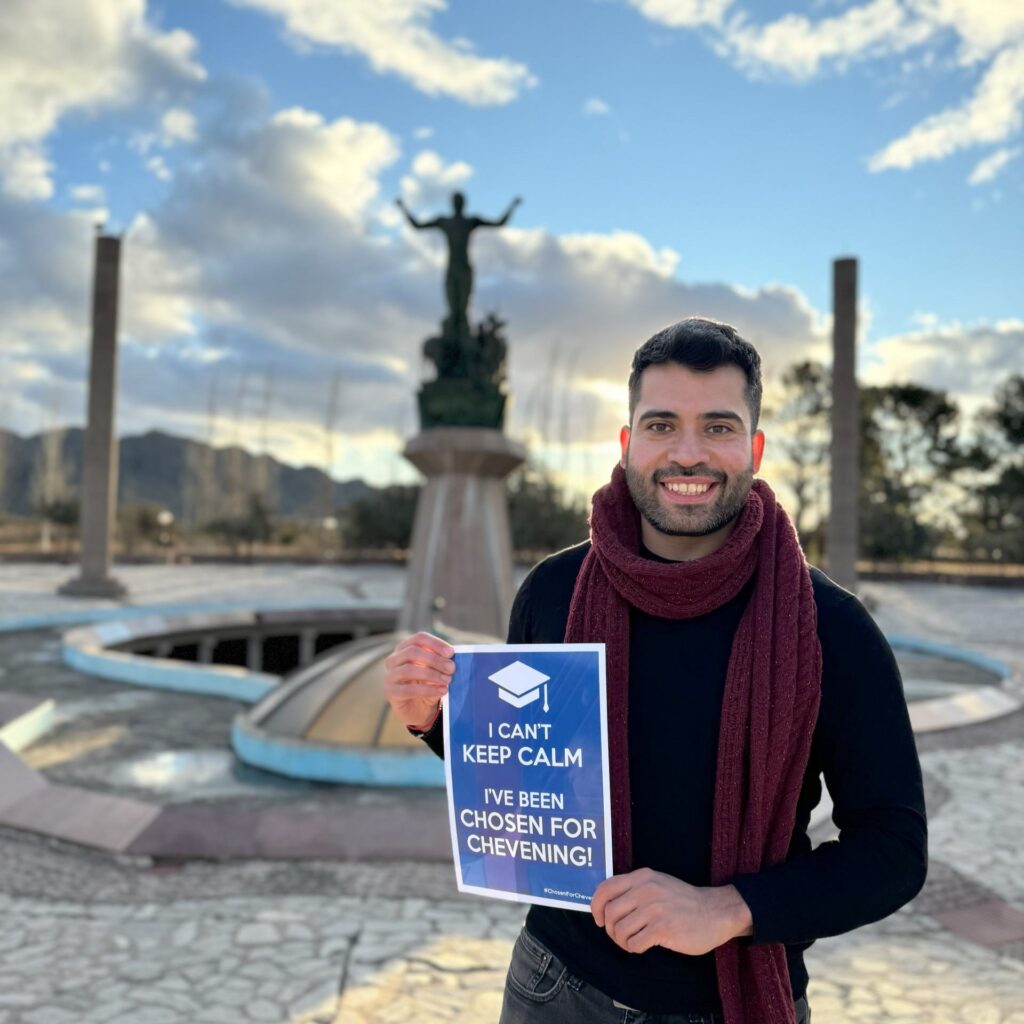
Meet Birkbeck’s 2024/25 Chevening scholars 

Each year, the UK Foreign, Commonwealth & Development Office awards the prestigious Chevening Scholarship to outstanding students recognized for their leadership potential and academic excellence. Here, we get to know some of the 2024/25 Chevening cohort a little better.

Rudy Sinon – Studying MA Advanced Computing

I am a Senior Statistician at the Seychelles Revenue Commission, currently on study leave to pursue my Master’s degree at Birkbeck, University of London. With a background in Public Administration and Political Science, I have spent a decade working in government statistics, using data analysis to enhance revenue collection and compliance.

I applied for the Chevening Scholarship to gain expertise in data analytics and leadership while connecting with a global network of professionals. My long-term goal is to modernize the Seychelles Revenue Commission by integrating advanced technology and data-driven decision-making, ultimately improving efficiency and transparency in the country’s financial sector.

I chose Birkbeck for its flexible learning model, which allows me to balance work and study effectively. Its focus on advanced computational techniques aligns perfectly with my vision of leveraging data science to drive public sector innovation in Seychelles.

Kasuni Chamudika – Studying MSc International Business

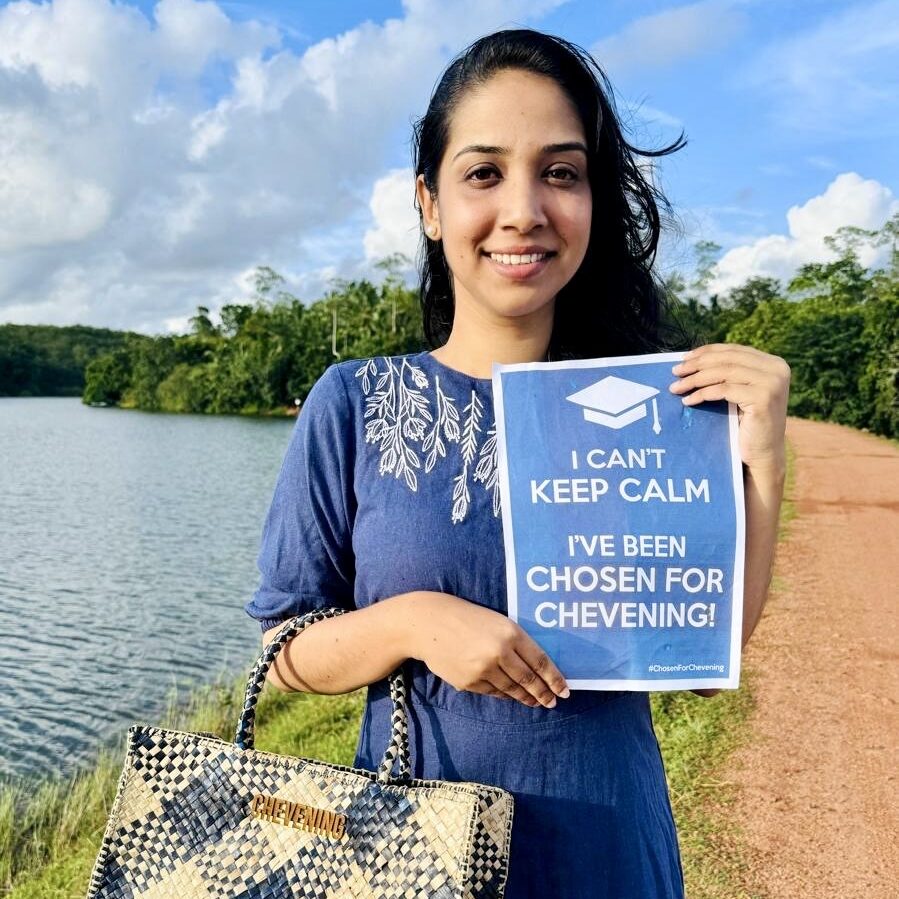
I hold degrees in International Studies and Business Administration. After five years as a project officer at the Board of Investment of Sri Lanka, I founded SustainU, a company that empowers MSMEs by helping them develop products, access new markets, and build strategic connections.

I applied for the Chevening Scholarship to enhance my leadership and networking skills while gaining international exposure. After completing my studies, I plan to expand SustainU by developing Learning, Manufacturing, and Selling platforms, creating SME incubation centers, and becoming an international business consultant promoting Sri Lankan exports. I also hope to explore partnerships between the UK and Sri Lanka to foster business development and trade.

I chose Birkbeck for its focus on working professionals and its strong support for entrepreneurial ventures. The university’s career coaching, networking initiatives, and business-oriented programs align with my ambition to drive SME growth and global business expansion.

Marko Stankovic – Studying MSc International Security and Global Governance

I hold a Master of Laws from the University of Belgrade and have studied at Paris 1 Panthéon-Sorbonne University. My professional experience includes working with the OSCE Mission to Serbia, where I contributed to police reform, human rights advocacy, and youth training initiatives.

I applied for the Chevening Scholarship to gain a top-tier education, expand my global perspective, and develop innovative approaches to security and governance challenges. My long-term ambition is to lead an international organization, promoting peace, security, equality, and human rights.

I chose Birkbeck for its interdisciplinary approach and strong focus on social and political issues. The program builds on my expertise, combining history, geopolitics, and social sciences to address modern global conflicts. This academic experience will help me transition from practical fieldwork to a broader, strategic perspective on international security.

Patrick Lonjezo Chimimba – Studying MSc in Sport Management and the Business of Football 

I have worked for several organizations, private and public in Malawi and I am the current Chief Executive Officer of Silver Strikers Football Club, a team playing in the Malawian Elite League. I am also a Director of Operation of Mpira Mmudzi Mwathu, a Sport for Development organization that uses sport as a tool for social change and development, nurturing young boys and girls for 3 years.  

I selected Birkbeck because it provides a practical program in Sports Management and the Business of Football that resonated very well with my career plan. The Sports Management component is important in my role with Mpira Mmudzi Mwathu and the Business of Football component will be utilized in my role as the CEO of Silver Strikers Football Club. The Sports Management program at Birkbeck’s reputation made me choose it over other institutions, the tailored made professional talks by industry gurus made me fall in love with Birkbeck.  

Hnin Myat Mon – Studying MA Language Teaching/Teaching English to Speakers of Other Languages 

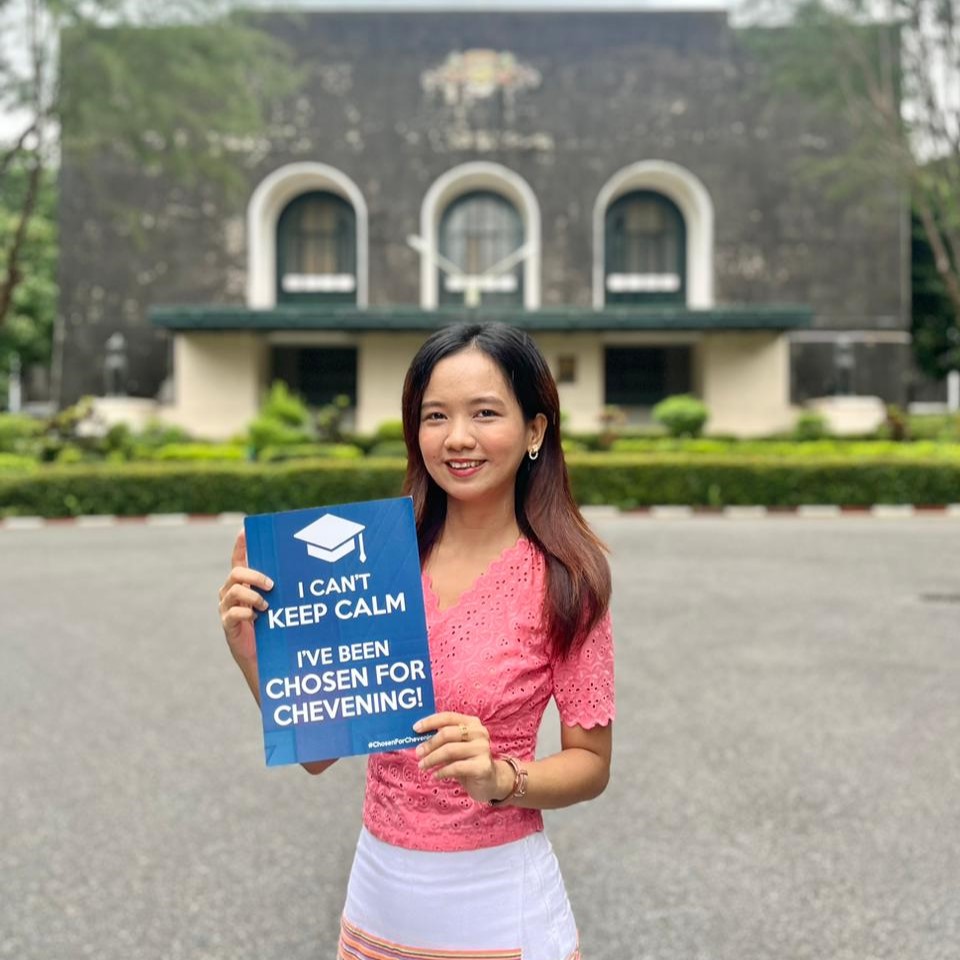
I stepped into the world of English Language Teaching at University of Yangon in Myanmar. Since I’VE BEEN CHOSEN FOR CHEVENING,  I am going to further my Master’s in TESOL (Teaching English to Speakers of Other Languages) at Birkbeck, University of London.   

 I am thankful to Chevening (FCDO) for this wonderful opportunity to achieve the dream of doing a master’s degree in the UK.   

Idris Aldrisi – Studying MSc Public Policy and Management 

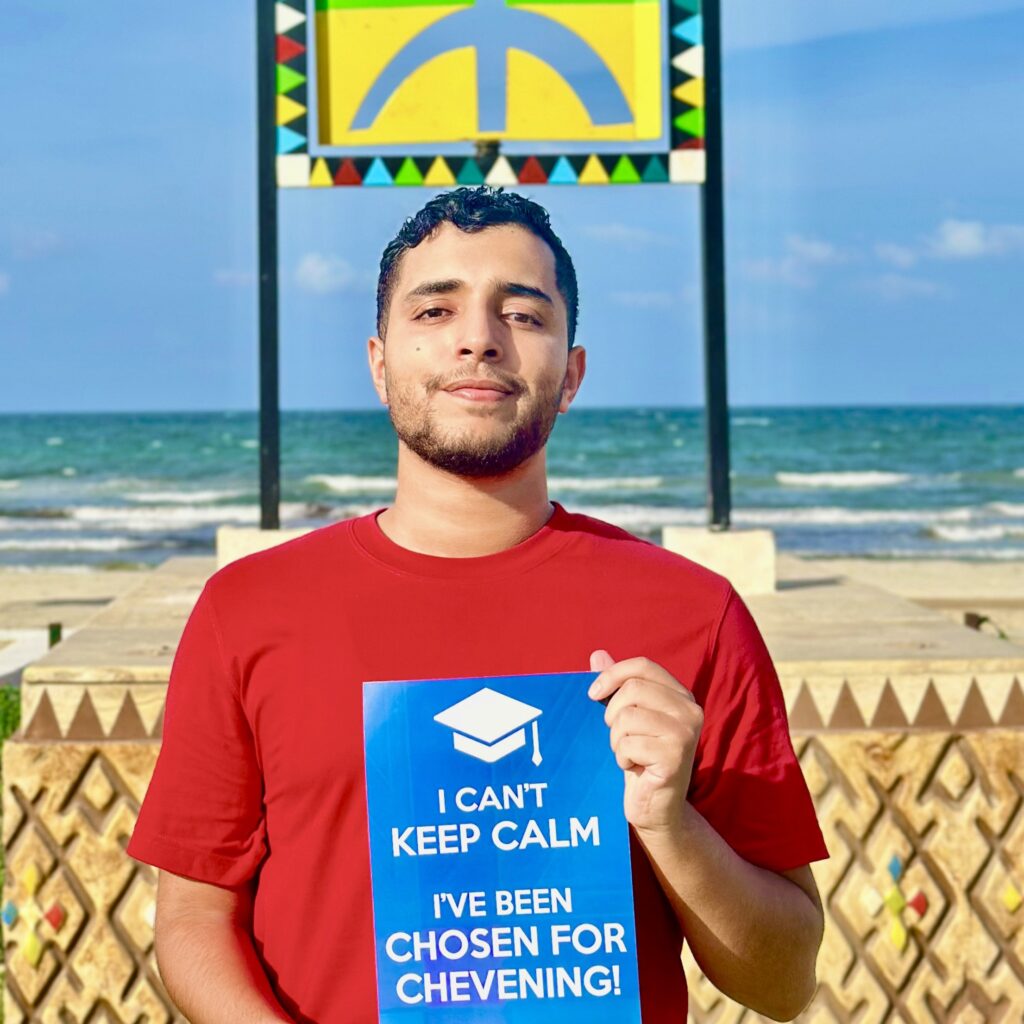
With a background in English education and public policy, I am passionate about creating positive change in my community in Libya. My journey began with my degree in English Education, which gave me the foundational skills to communicate effectively and teach others. However, my drive to contribute to the development of my country led me to engage in initiatives beyond education, such as my work with the UNDP in Zuwara, Libya. Here, I led a project to prevent violent extremism, which allowed me to develop leadership skills, such as building relationships with key stakeholders and managing large-scale community efforts. This experience ignited my interest in public policy, as I saw firsthand how policy can influence sustainable social change. 

I applied for the Chevening Scholarship to deepen my knowledge of public policy and  to contribute meaningfully to Libya’s development. My long-term plan after Chevening involves working on policy reform in Libya, focusing on migration, organized crime, and education. I aspire to work at both the municipal level in my hometown, Zuwara, and later, at the national level. My ultimate goal is to shape policies that promote decentralization, social justice, and economic development. I also plan to leverage my experience to contribute to international policies, particularly on issues like climate change and regional stability. 

Marcio Da Fonseca Antonio – Studying LLM in Law and Political Economy 

Studying at an institution associated with Marcus Garvey, a central figure for black communities, will be an honor I will carry with me for life.  

I strongly believe that building the prosperous Angola we all aspire to requires investing in our human capital and my experience as an athlete has taught me to never shy away from challenges and to relentlessly pursue excellence.  

 The teachers are extremely inspiring and the program is very interesting. I believe that  Birkbeck, University of London is the right place to have a memorable experience and that will certainly help me make a difference when I return to Angola.  

Marcos Flores Leyes – Studying LLM Criminal Law and Criminal Justice 

I began my career in the Judiciary of the Province of San Luis, Argentina, as a Judicial Agent (2010), later serving as Juvenile Defender (2016), Public Prosecutor (2017) Criminal, Correctional, and Misdemeanor Investigating Judge (2018-2021) and since 2022, I have been serving as a Guarantee Judge. I have a strong commitment to social justice, particularly in defending human rights.  

I applied for Chevening because it presents a unique opportunity to expand my expertise in criminal law and human rights within a global context. My long-term goal is to continue advancing in the Argentine judicial system, working towards positions where I can influence jurisprudence related to human rights, gender-based violence, and child protection. I also aim to use my knowledge to improve legal practices and access to justice in my province.  

I chose Birkbeck because of its renowned academic excellence in criminal law and its interdisciplinary approach, which perfectly aligns with my professional interests. The flexibility of its evening study program also allows me to balance my studies with my ongoing judicial duties.  

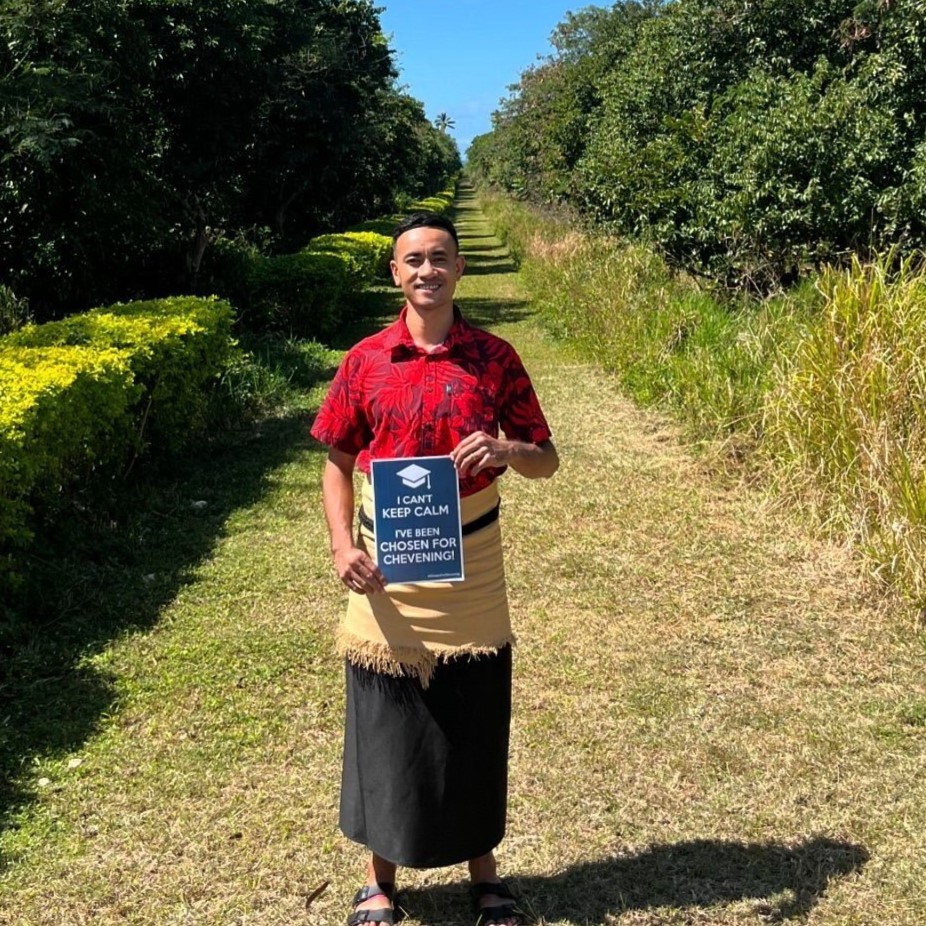
Rico Tuhanuku – Studying LLM Law General 

My decision to apply for the Chevening Scholarship was driven by a deep-seated desire to contribute meaningfully to Tonga’s legal framework and strengthen its existing relationship with the United Kingdom Government.  

Upon my return to Tonga, I intend to leverage the knowledge and skills gained through this LLM program to make a significant impact on the public sector. I envision myself playing a pivotal role in shaping policies that address the specific needs and aspirations of our nation. My end-goal is to assume a leadership position, such as Chief Executive Officer of the Public Service Commission or another integrity agency, where I can directly influence the development and implementation of public policies.  

I am committed to fostering collaboration and partnerships to address policy gaps and ensure that our legal framework operates effectively. I am confident that my LLM will provide me with the necessary qualifications and expertise to pursue more influential roles within Tonga’s legal landscape and contribute to the nation’s progress and development.  

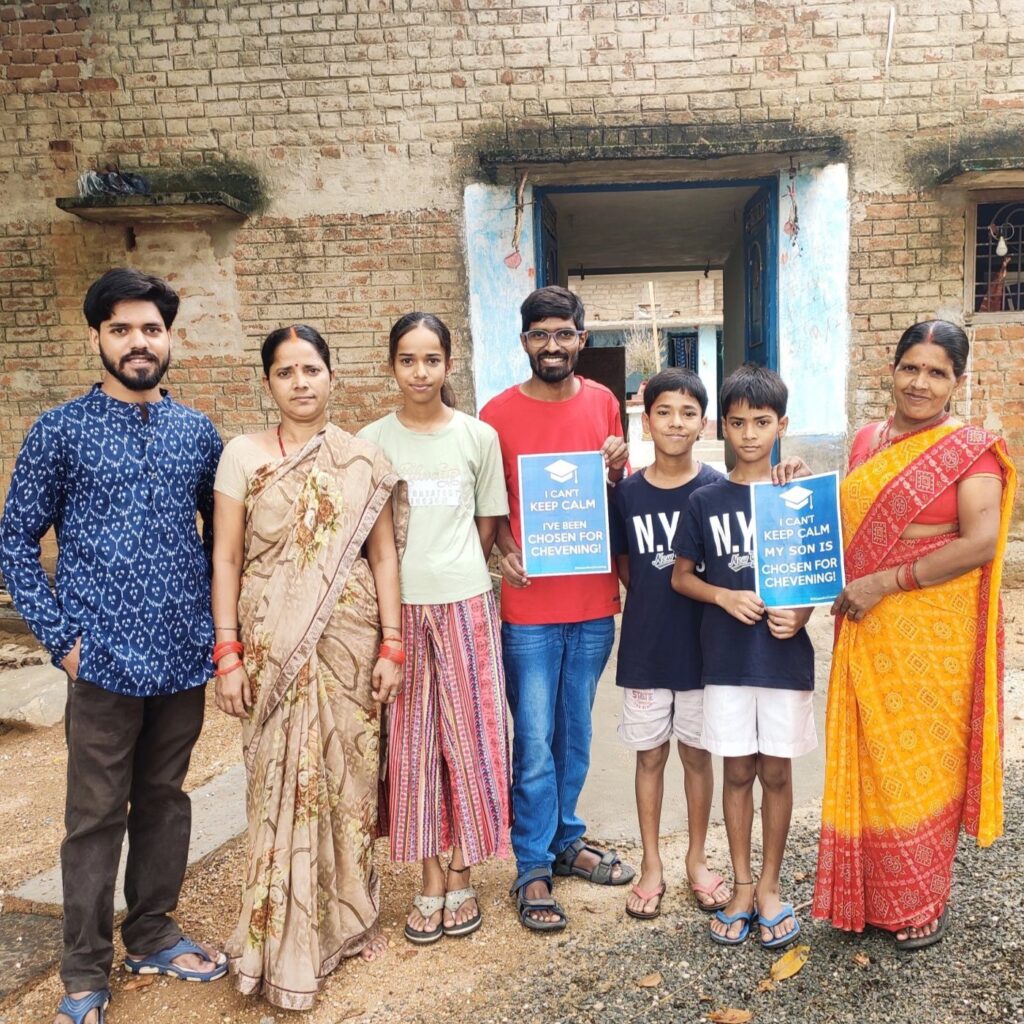
Sishu Ranjan – MSc Education and Social Justice 

I have been a student leader, educator, and researcher in India for around 5 years and my full-time education. I have been actively involved in student politics and social movements. My university education was in Chemistry as a first-generation tertiary student. I taught undergraduate-level Chemistry at a college in my home state Jharkhand. Then I shifted my education to study ‘Education’ as a discipline at Jamia Millia Islamia New Delhi and then at Azim Premji University Bangalore where I developed a basic understanding of teaching and learning, education policies, and teacher education in India.  

Being a student leader, academic activist, and activist who thrives for social justice, Chevening is a platform to connect with like-minded scholars across the globe who work especially on education and education policies. My long-term plan is to teach at a university and then enter into active politics to work for the democratization of education among the most marginalized groups of India by collaborating with Indian Chevening scholars. I aim to transform Teacher Education programs running in India by transforming their curriculum and the process radically.  

I am studying MSc Education and Social Justice at Birkbeck to understand the role of politics and economy in shaping education policies. My main aim is to develop skills in research around education and social justice to research teacher education in India for social justice by situating in a global and neo-liberal context. Birkbeck being an evening university and non-traditional, provides me an opportunity to learn with experienced people in the classroom. Also, the history of Birkbeck University motivated me to understand the culture of non-traditional tertiary education which will help me in the future to shape Indian higher education.  

Vasco – Studying MA Language Teaching/Teaching English to Speakers of Other Languages 

I am Vasco, from Angola. As a Chevening Scholar, I chose Birkbeck, University of London, for its unique evening-based approach to education, which brings together a diverse community of students balancing work and studies. This flexible environment is ideal for pursuing my master’s in TESOL, allowing me to focus deeply on the field while connecting with professionals from various backgrounds!  

More Information:

More Birkbeckians than Etonians in the new government

Matt Innes is Birkbeck’s Academic and Corporate Deputy Vice-Chancellor, as well Professor of History in Birkbeck’s School of Historical Studies. Here, he reflects on the reach and impact of Birkbeck alumni.

The 2024 election saw a record number of Birkbeck graduates in the new Parliament, with a total of fourteen Birkbeck alumni and Fellows elected. Now that the final ministerial appointments have been announced, Birkbeck can count no fewer than seven alumni and fellows holding government office. These number three cabinet ministers, two ministers of state and a number of other appointments.

The total surpasses the four Birkbeck figures who took up office one hundred years ago, when the first Labour government was formed just a few years after the extension of the vote to all adult males and some women. In that hundred years, Birkbeck figures have played significant roles in a number of governments. Birkbeck is one of the few Universities whose history includes a head of institution who went on to hold ministerial office: Baroness Tessa Blackstone.

The demographic and educational background of new ministers in 2024, and the extent to which it signals a change in the established pattern of UK political life, has attracted analysis and comment. Bridget Phillipson, the new Secretary of State for Education, has spoken about the importance of social class and obstacles to educational success for many of the new Cabinet: although all bar one Cabinet members are graduates, most were the first in their family to be able to attend University, often overcoming significant barriers to do so.

Research by the Sutton Trust has shown that over 90% of the new Cabinet were educated in state secondary schools, in a sharp change even with previous Labour Cabinets (which were typically a third privately educated), and still more dramatic contrast with preceding Conservative governments (often over two thirds privately educated). Over a quarter of the new Cabinet have law qualifications, with politics and history being other popular degree subjects, including three Oxford Philosophy, Politics and Economics graduates and two Cambridge historians.

Of the 17 Prime Ministers who have held office since Winston Churchill in the Second World War, no fewer than thirteen took their undergraduate degree at Oxford (the exceptions being three ‘takeover’ Prime Ministers who came to office mid-Parliament after their predecessors stood down, rather than via the Ballot Box:  James Callaghan, John Major and Gordon Brown.

Sir Keir Starmer’s undergraduate degree from Leeds University brings the number of UK Universities with Prime Ministerial alumni to six; Oxford, Cambridge, Edinburgh, Glasgow and – of course – Birkbeck, where Ramsay MacDonald, the first working class Prime Minister, took evening classes in science.

In 1924, the Birkbeck presence in government reflected the university’s position as the institution of choice for education hungry Londoners without the means to access the traditional universities. It exemplified a broader process of change: namely the integration of the institutions and organisations of working-class self-advancement into the formal public life of the nation.

In 2024, Birkbeck’s presence again reflects a broader process of change, as a generation who benefitted from the extension of educational opportunity and university access in the late twentieth century come into office. All seven Birkbeck educated ministers undertook postgraduate or professional studies, with the distinction and flexibility for which Birkbeck is known, providing an educational bridge into professional and political careers. Four of them took Birkbeck’s prestigious politics and government portfolio, which remains popular amongst recent graduates seeking to make their way in the world of policy and politics.

Educational opportunity is one of the new Government’s five core missions, and the crisis ridden state of UK universities is a matter of urgent debate. The personal histories of so many Birkbeck graduates speak to the opportunity created by Birkbeck’s distinctive educational model and the personal and professional growth it fosters. With the university accelerating strategic changes which will deliver even greater accessibility and flexibility, Birkbeck can offer a compelling alternative to traditional university that is keenly relevant to the Government’s mission.

Note: 

Birkbeck alumni and Fellows in the Starmer government include: (Cabinet) David Lammy MP, Secretary of State for Foreign and Commonwealth Affairs; Lisa Nandy MP, Secretary of State for Culture Media & Sport; Lou Haigh MP, Secretary of State for Transport. (Ministers) Tulip Siddiq MP, Economic Secretary to the Treasury & City Minister; Georgia Gould MP, Minister of State in the Cabinet Office; Alison McGovern MP, Minister of State in the Department of Work & Pensions; Hamish Falconer MP, Parliamentary Under Secretary in the Foreign and Commonwealth Office; Baroness (Fiona) Twycross, Baroness in Waiting (Government Whip).

More information:

A guide to preparing your Chevening application

Applications for the 2025/26 Chevening, the fully funded scholarship for postgraduate students offered by the UK government, open in August. Catherine Charpentier, from Birkbeck’s International Marketing and Recruitment team, advises how to prepare to apply for the highly coveted scholarship. 

It’s official, applications for Chevening for 2025/26 open on Tuesday 6 August 2024! If you’re thinking of applying, there’s a lot you can do before this date, so here’s a roundup of some top tips.  

Double check eligibility criteria 

First of all, you want to make you meet all eligibility criteria – including citizenship and academic background. You also need to have at least two years work experience (equivalent to 2,800 hours) in order to apply. This can be in part-time or full-time employment, voluntary work or paid or unpaid internships. Work experience can be completed before, during, or after graduating from your undergraduate studies. It’s also worth noting that your work experience does not need to be related to the course/s you want to study. 

Don’t have 2,800 hours of experience just yet? Why not apply for an internship, or offer your services to a volunteer organisation to make up the total? You should meet the requirements by the time you submit your form, with applications scheduled to close in the autumn. 

Assuming you meet all the eligibility requirements, what next to help you prepare for an application?  

Gain meaningful experience 

Beyond the number of working hours accumulated, you should reflect on how your work experience demonstrates leadership qualities. What impact have you had on your company or community? 

If you think these are points you could improve on, why not take advantage of the next few months to do so? You could volunteer to take on extra responsibilities at work, or lead on a project for an organisation you are involved with, or even organise an event for a charity. 

Develop your network 

In your application, you will be required to demonstrate your networking skills. Spend the next few months engaging with your network; reactivate old links and build new relationships, attend community events, support local groups, a professional organisation, or your local Chevening alumni network.   

You can refer to Birkbeck Futures, The Importance of Networking guide, for tips and advice to develop a networking strategy. 

Choose your programme of study 

Selecting the right courses at the right universities is one of the most important aspects of your application. Only full-time courses that start in the autumn term, and lead to a taught master’s qualification are eligible. Visit university websites, explore modules, find out what student’s have to say about their experiences, and check you meet the institution’s entry requirements before selecting your programme.   

Remember you must be able to demonstrate both why you selected the specific Master’s and institution, and how the qualification you will gain aligns with your short, mid and long-term goals. 

Select your referees 

You will have to give the name of two referees in your application. Use the next few months to select who you think could provide positive and meaningful references for you. Get in touch now, keep the relationship alive and remind them of all the reasons why you will be deserving of this glorious reference when the time comes! 

Further Information:  

A student’s guide to celebrating Pride in and around Birkbeck

Sidhant Maharaj is an intersectional queer feminist activist from Fiji, currently pursuing their Masters in Gender and Sexuality Studies at Birkbeck, University of London. 

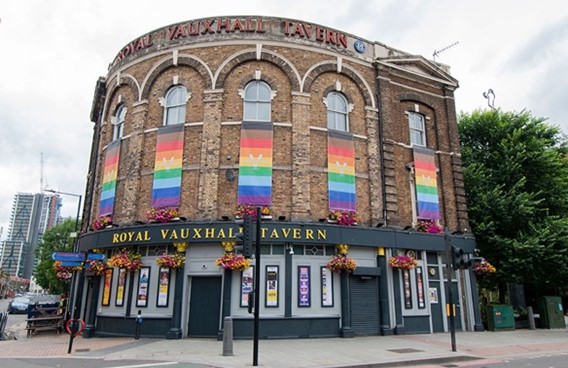
Greetings, I’m Sidhant! I thought Pride Month would be an opportune moment to explore the vibrant and inclusive community surrounding Birkbeck. London, known for its rich history and diversity, offers an array of activities and events that celebrate LGBTQ+ pride and promote intersectionality.

What is Pride and why is it important?

Pride is an annual celebration of LGBTQ+ identities, cultures, and communities. It originated as a commemoration of the Stonewall Riots of 1969, a pivotal moment in the fight for LGBTQ+ rights. Pride Month, celebrated every June, serves as a reminder of the struggles and triumphs of the LGBTQ+ community, advocating for equal rights, acceptance, and visibility.

Pride is important because it fosters a sense of belonging and community among LGBTQ+ individuals, promoting acceptance and love. It provides a platform to address ongoing issues of discrimination, inequality, and violence against LGBTQ+ people. Pride events and parades are not just festive occasions; they are acts of resistance and solidarity, reinforcing the message that everyone deserves to live authentically and without fear. Celebrating Pride means honouring the past, advocating for the present, and inspiring hope for a future where diversity is celebrated, and equality is a reality for all.

Here’s a guide to making the most of Pride Month in and around Birkbeck.

  1. Participate in the London Pride Parade

A rainbow pride flag is being held parallel to the floor as marchers in a pride parade move through crowds.

The annual London Pride Parade is a must-attend event, drawing thousands from around the globe. This year, the parade will take place on June 29th. The parade, known for its exuberant floats, music, and performances, highlights the strength and unity of the LGBTQ+ community. As a student, consider joining one of the university groups marching in the parade, which is a fantastic way to show solidarity and meet like-minded individuals.

Here is a list of other upcoming Pride events you should look out for:

  • London Trans+ Pride:London Trans+ Pride will take place on Saturday 27 July 2024
  • UK Black Pride:UK Black Pride is once again taking place in Queen Elizabeth Olympic Park on Sunday 11 August 2024
  • Bi Pride UK 2024Bi Pride is taking place on Saturday 31 August at the University of West London, Ealing
  1. Visit the LGBTQ+ Cultural Institutions

London is home to several museums and galleries that celebrate LGBTQ+ history and culture:


  • The British Museum: Discover artifacts and stories that illuminate the lives of LGBTQ+ people throughout history. Join their LGBTQ+ tours for a unique perspective. The British museum has a number of Pride events this year, be sure to check them out.

  • Queer Britain: The UK’s first national LGBTQ+ museum, Queer Britain, located in King’s Cross, celebrates the stories, people, and places that have shaped the queer community.
  • Bishopsgate Institute: Home to the UK’s most comprehensive LGBTQ+ archives, this institute hosts regular exhibitions and talks on queer history.
  1. Engage with Local LGBTQ+ Organizations

Connecting with local organizations can enrich your experience and provide support networks:

  • Stonewall: A prominent LGBTQ+ rights charity, Stonewall offers volunteer opportunities and campaigns that you can get involved in.

  1. Attend Queer Performances and Events

Theatre, performance art and queer safe spaces play a crucial role in LGBTQ+ culture. London offers numerous queer-themed activities:

  • The Common Press: Located in Bethnal Green, The Common Press is a community-oriented space that hosts a variety of events including queer readings, performances, and workshops. It’s a fantastic venue for experiencing grassroots LGBTQ+ culture and arts.


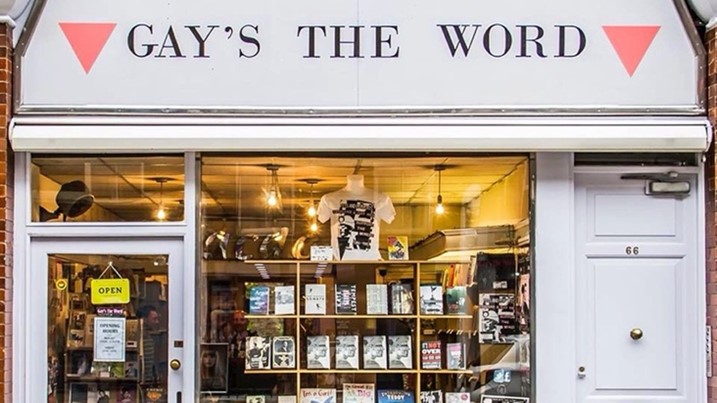
  1. Explore Queer Literature

Literature offers profound insights into the queer experience. Check out these local literary spots:

  1. Participate in Academic Discussions and Workshops

Birkbeck itself hosts various seminars, workshops, and discussions on gender and sexuality:

  1. Enjoy Social Spaces and Nightlife

London’s nightlife is diverse and welcoming:

  • Heaven: One of London’s most famous gay clubs, offering vibrant nightlife experiences with themed nights and renowned DJs.
  • G-A-Y Bar: Located in Soho, this bar is perfect for meeting friends and enjoying a night out in a lively, inclusive environment.
  • Ku Bar: Also in Soho, Ku Bar is known for its friendly atmosphere and fantastic cocktails.
  1. Explore Queer-Friendly Cafés and Restaurants

Soho, in particular, is brimming with LGBTQ+-friendly eateries:

  1. Support Queer Businesses and Initiatives

Supporting local queer-owned businesses and initiatives helps strengthen the community:

  • Pride Pop-Ups: During Pride Month, various pop-up shops and markets feature queer entrepreneurs showcasing their products.

Final Thoughts

As a student at Birkbeck, University of London, you are part of a vibrant, diverse, and inclusive community. Engaging with the activities and events listed above will not only enhance your understanding of LGBTQ+ issues but also help you forge lasting connections. Embrace the spirit of Pride, celebrate diversity, and continue to advocate for equality and intersectionality in all aspects of life.

More information: 

The future faces of law: a closer look at two rising legal scholars

Meet the Birkbeck law students in receipt of prestigious scholarships to aid them in their journey to becoming barristers.  

Law students hoping to become barristers must undertake the Bar Professional Training Course, which serves as the vocational stage of training required for entry to the Bar of England and Wales. Upon successful completion of their course, graduates are eligible to be called to the Bar and embark on their careers as barristers.

This year, two students from Birkbeck’s Law School have been awarded prestigious scholarships towards their Bar courses by the Honourable Society of the Inner Temple, one of the four renowned Inns of Court. Membership in one of these Inns is a prerequisite for individuals aspiring to be called to the Bar and pursue a career as a barrister in England and Wales. 

Viran Solanki, studying LLB Law at Birkbeck, and recipient of Middle Temple’s Jerry Parthab Singh Scholarship to help fund his Bar Course. 

What attracted you to studying law?

I have worked in various roles within the court service since 2018, initially at a County Court and currently at the First-tier Tribunal (Immigration & Asylum Chamber). Witnessing first hand on a day-to-day basis the way in which barristers used their specialist knowledge to make a real difference in an individual or family’s lives motivated me to pursue a career in law.

Why did you choose to study Law at Birkbeck?

The flexible studying options really appealed. Studying here allowed me to work full-time while studying across four years in the evenings. 

With the flexibility afforded to you through your studies, how do you spend your days? My full time is as a Legal Officer in the First-tier Tribunal (Immigration & Asylum Officer). This involves working to delegated judicial functions to effectively case manage immigration appeals, identifying and resolving barriers to case progression. I’ve also found that I’ve been applying legal research skills learnt at Birkbeck to real world scenarios to communicate complex procedural matters in a simple way. I have also presided in several Case Management Appointment hearings, with the goal of effectively narrowing issues in dispute and ensuring compliance prior to a substantive appeal hearing. 

What’s been your favourite thing about your academic journey so far?  

The opportunity to meet new people from all kinds of backgrounds and careers has been wonderful. I definitely would not have achieved much throughout the last few years without the support of colleagues and tutors!

What are your plans for the future?

Results permitting, I plan on studying the Bar Course at the Inns of Court College of Advocacy from September 2024, following which the plan is to find pupillage and qualify as a barrister specialising in immigration law!

How do you think law can make a difference in the world?

People generally interact with the face of the law when they are in need and often at a low point in their life, be it after an arrest or as a victim of crime, a particularly bitter family dispute or in an immigration context as they flee persecution in their home country. Law makes a difference for these people by ensuring that they are able to have the fairest assessment of their dispute or issue. I hope that by developing skills grounded in my studies at Birkbeck, I will be able to contribute to assisting those that are in need.

What does the scholarship mean to you?

The scholarship means a lot! Of course, the financial assistance towards the paying of fees for the Bar Course is greatly appreciated, but also coming through a difficult application and interview process has in a sense validated the long nights at the library and studies leading up to this point. Being awarded the scholarship has reiterated the sense that the path towards becoming a barrister is the right one for me, and has motivated me to continue to strive towards this goal.  

Jack Soares Mullen, studying the Graduate Diploma in Law at Birkbeck and recipient of Middle Temple’s Harmsworth scholarship which will fully cover his Bar Course. 

What attracted you to studying law?

I worked as a teacher for three years and then, two years ago, changed careers and joined the civil service. In my current role I work for the Judicial Office and work closely with a number of judges which has exposed me to the workings of the justice system, and this sparked an interest in becoming a barrister. 

Why did you choose to study Law at Birkbeck? 

I wanted to be able to continue working in my current role and, with classes held in the evening, Birkbeck provided the perfect opportunity to study alongside my work commitments.

With your classes taking place in the evenings, how do you spend your days?

I’ve continued to work full-time alongside studying full time this year which takes up most of time. Even so, I have managed to complete two mini pupillages and marshalled some judges this academic year. A highlight was marshalling two high court judges at Bristol Crown Court, observing two complex murder trials.

What’s been your favourite thing about your academic journey so far?

I loved representing the university at the Michael Corkery Criminal Law Moot. I was sure I wanted to become a criminal barrister once I took the course, and getting to test my advocacy skills alongside my fantastic mooting partner, Emma, was great fun and a real adrenaline rush. I can’t recommend to other students the value of taking up mooting opportunities – particularly if they are looking to get a pupillage at the bar.

What are your plans for the future?

I was fortunate enough to receive a scholarship for my GDL (law conversion course) from Middle Temple and then another scholarship to study the bar course, which I will begin in September this year. I’ve also managed to secure a pupillage at a well-respected criminal chambers, 2 Hare Court, for September 2025 so, if all goes well, I will begin my career at the bar there then.

How do you hope to make a difference in the world?

I hope that becoming a criminal barrister will give me the opportunity to make a difference in people’s lives. Whether someone is a complainant, defendant or witness, when someone encounters the criminal justice system it is likely to be a stressful moment, and for some, a very difficult moment of their lives. Being able to guide people through the process and present their position to the court is a valuable and exciting thing to do. Perhaps unlike other areas of law, crime will always have people at the centre no matter how serious the offence. Therefore, even at the earliest stages in my career, every day in court will matter to somebody and make a real difference in their world. 

What does the scholarship mean to you?

The scholarship is invaluable to me, because the journey to the bar can be an expensive one. Securing scholarships for both the GDL and bar course has meant I haven’t taken on any debt and removed that barrier. Scholarships from the inns are also a useful stamp of approval for any aspiring barrister when applying for pupillage. They show that at least one panel of barristers and judges believes that you are capable of a career at the bar. Knowing this has given me some confidence that I’ve chosen the right path, particularly given how competitive it is to get pupillage and tenancy. 

More information: