Professor Sanjib Bhakta reflects on a recent early-career researcher-led workshop hosted by Birkbeck, University of London and UCL, exploring how collaboration, innovation and shared purpose can accelerate progress in tackling antimicrobial resistance in mycobacterial infections.
Antimicrobial resistance (AMR) is one of the defining global health challenges of our time that cannot be solved in isolation. In bringing together researchers, clinicians, and industry partners this week, I was struck by how much progress becomes possible when we create space not just for expertise, but for genuine exchange.
At the Mycobacteria Research Laboratory in the School of Natural Sciences of Birkbeck, University of London, in collaboration with University College London Chemistry, we hosted a dynamic, early-career researcher (ECR)-led capacity-building workshop under the umbrella of the Institute of Structural and Molecular Biology. Held at Birkbeck Central in Bloomsbury, the event brought together an inspiring mix of scientists, clinicians, industry partners, and international collaborators, all united by a common purpose: tackling the growing challenge of AMR in mycobacterial infections.
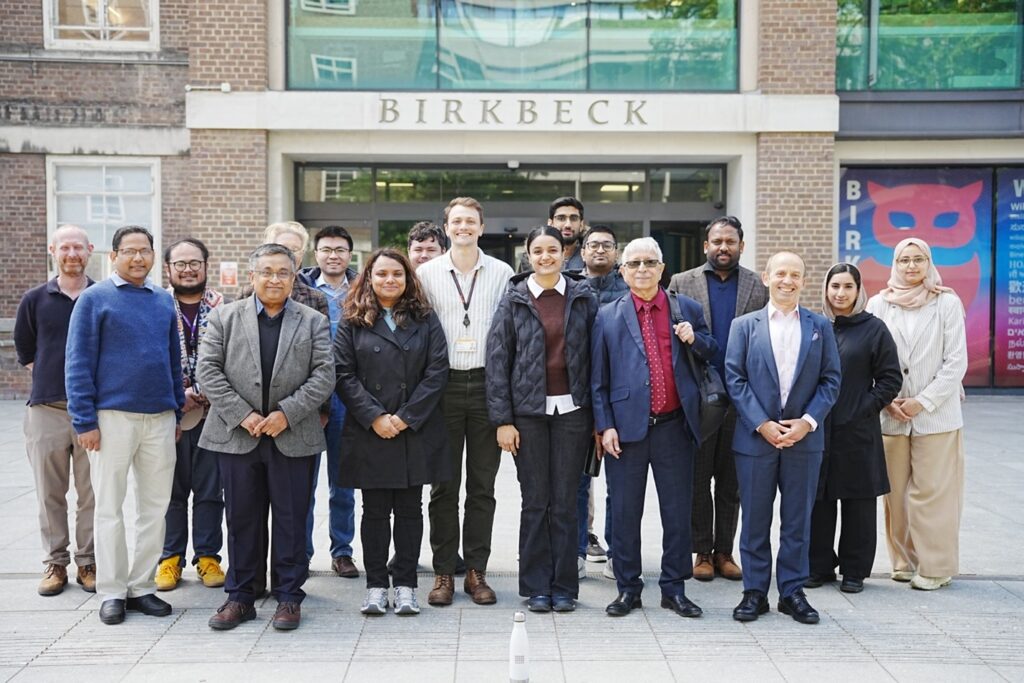
From the outset, we set a tone of ambition and inclusivity, anchored in scientific excellence while remaining deeply committed to collaboration, translation, and impact. The day opened with a warm welcome from Professor Katherine Thompson, Head of the School of Natural Sciences, who offered an overview of the School and highlighted the importance of interdisciplinary thinking in addressing complex global health challenges. Her remarks framed our central mission: to integrate expertise across computational biology, chemistry, microbiology, clinical sciences, and biotechnology.
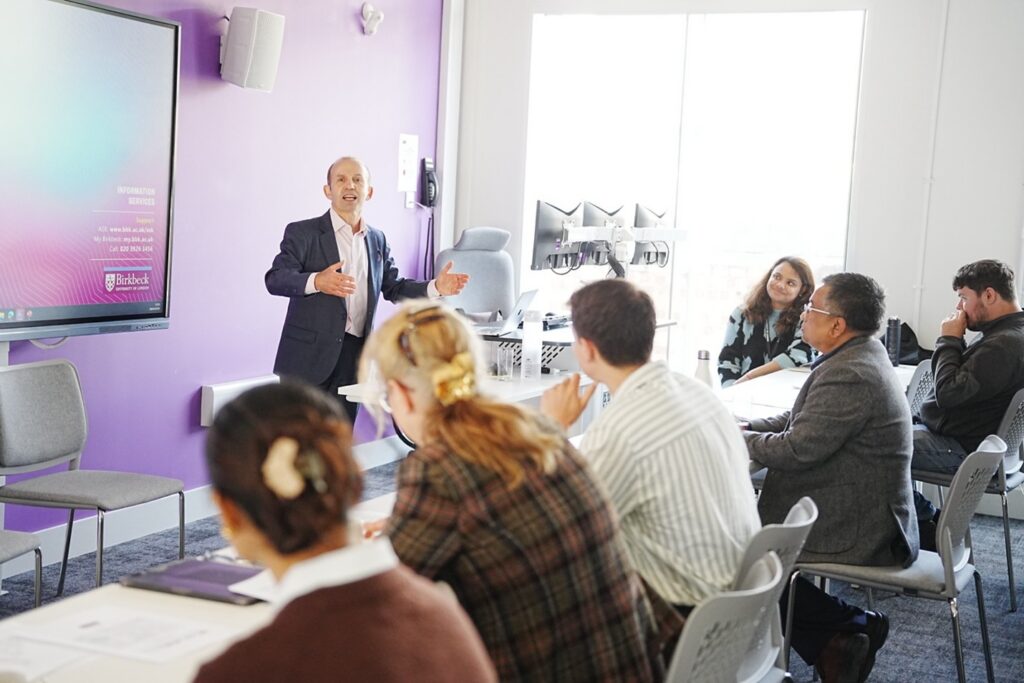
Session 1, co-chaired by Dr Nupur Angrish and Dr Manoj Saxena, explored how human and machine intelligence can be harnessed to accelerate drug discovery. Talks ranged from interpretable omics and antibody discovery to generative AI-driven antimicrobial development. Contributions from researchers such as Dr Joseph Ng and Dr Ziaurrehman Tanoli illustrated how cutting-edge computational tools are reshaping the drug discovery pipeline, enhancing both speed and precision.
Crucially, these discussions were not confined to theory. They highlighted real-world applications, including novel therapeutic strategies targeting essential and vulnerable endogenous metabolisms in infectious bacteria a and innovative approaches to tackling drug-resistant infections inside the host environment.
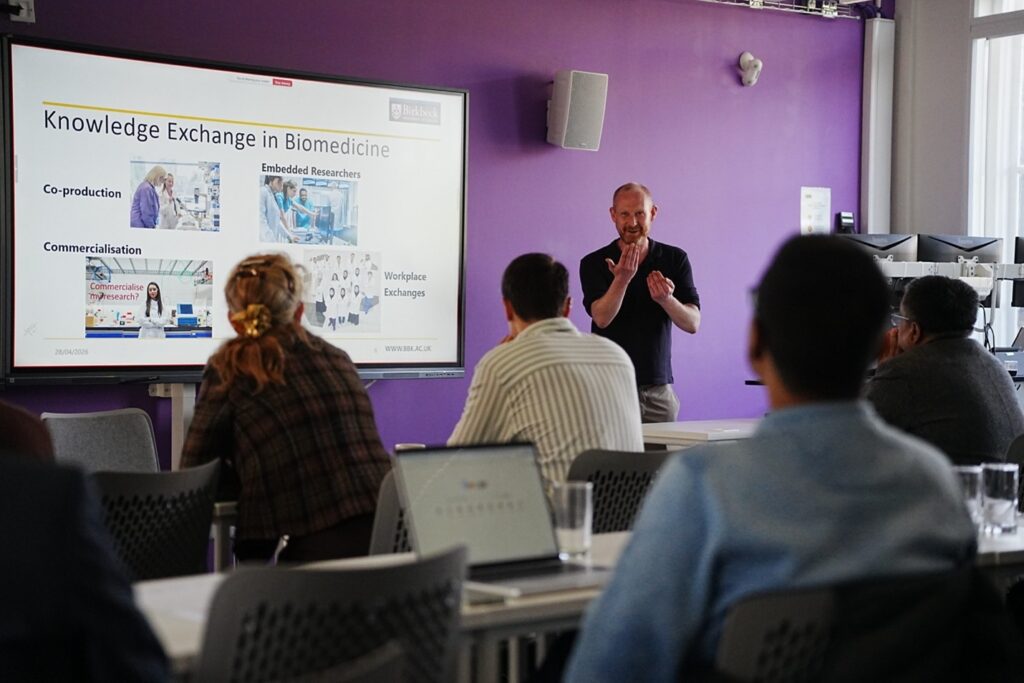
Session 2 focused on one of the most pressing challenges in AMR research: translating laboratory discoveries into clinical and societal impact. Chaired by Professor Alethea Tabor, the session showcased pioneering work spanning nanoparticle-based drug delivery, repurposing of existing drugs, and rapid protein production technologies.
Speakers emphasised the importance of understanding pathogen diversity and leveraging it to improve early-stage screening of compounds in in vivo-like in vitro environments. Industry perspectives, including contributions from Birkbeck partner Nuclera, highlighted how collaboration with biotech can accelerate protein target characterisation by reducing the time and complexity associated with difficult-to-express membrane proteins.
For me, this session reinforced a key message: overcoming AMR requires not only scientific discovery, but also strategic alignment across academia, healthcare, and industry.
In a refreshing departure from conventional academic formats, we also introduced a post-lunch walking session through Bloomsbury, an area steeped in scientific heritage. Led by Dr William Thompson, this “Talk the Talk and Walk the Walk” session transformed the campus into an open classroom. As we passed landmark institutions such as the London School of Hygiene & Tropical Medicine and UCL’s Schools of Pharmacy and Chemistry, participants engaged in informal discussions that fostered openness, reflection, and interdisciplinary exchange.
It was a powerful reminder that some of the most meaningful collaborations begin outside formal settings.
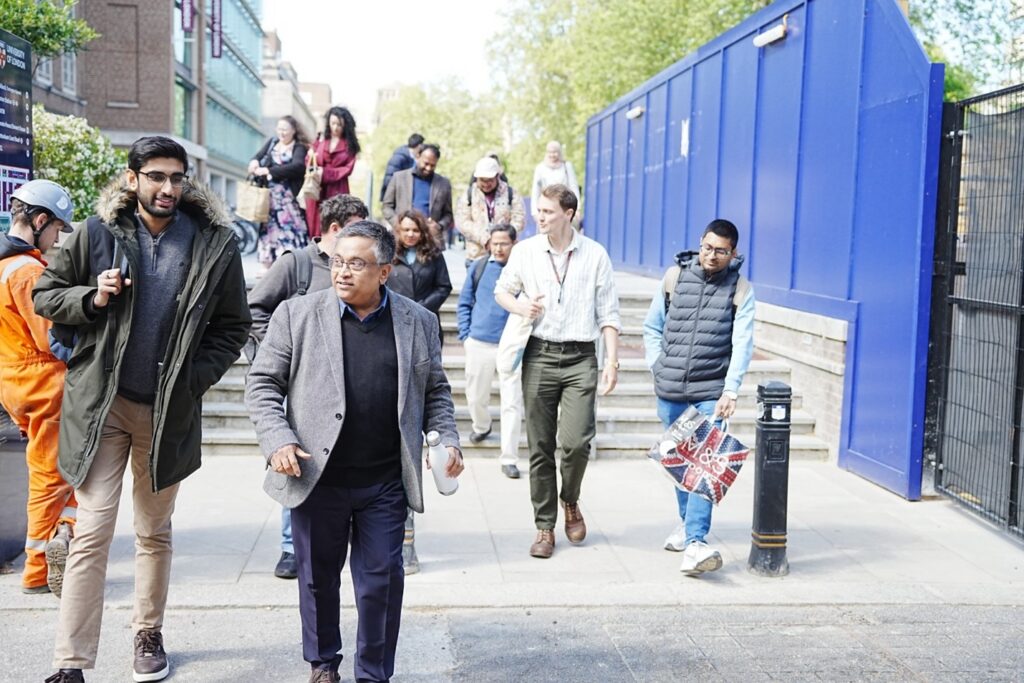
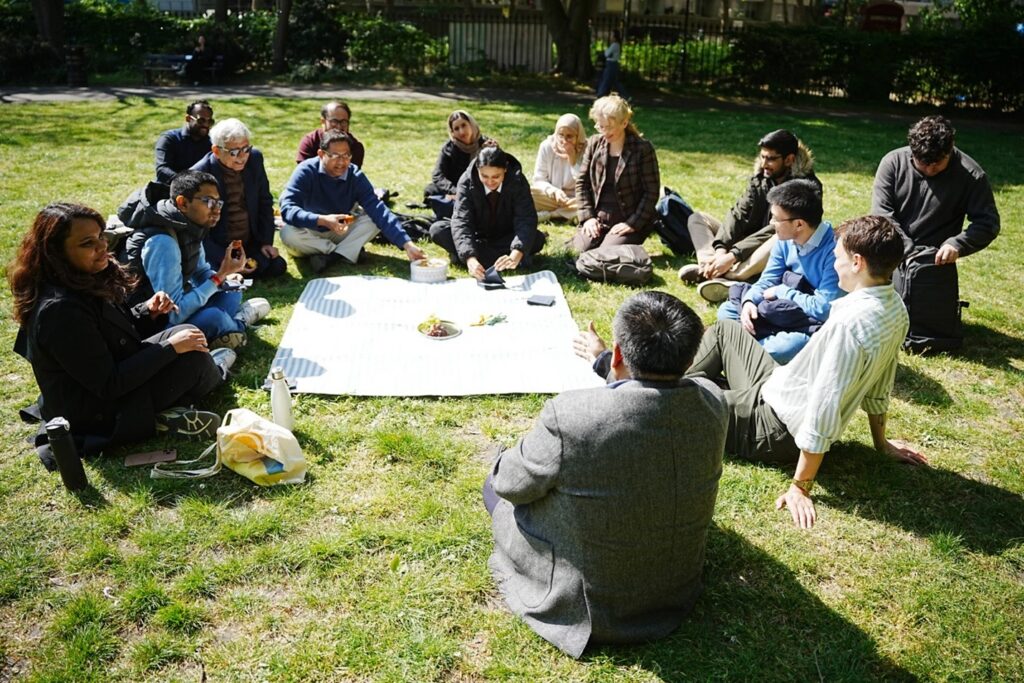
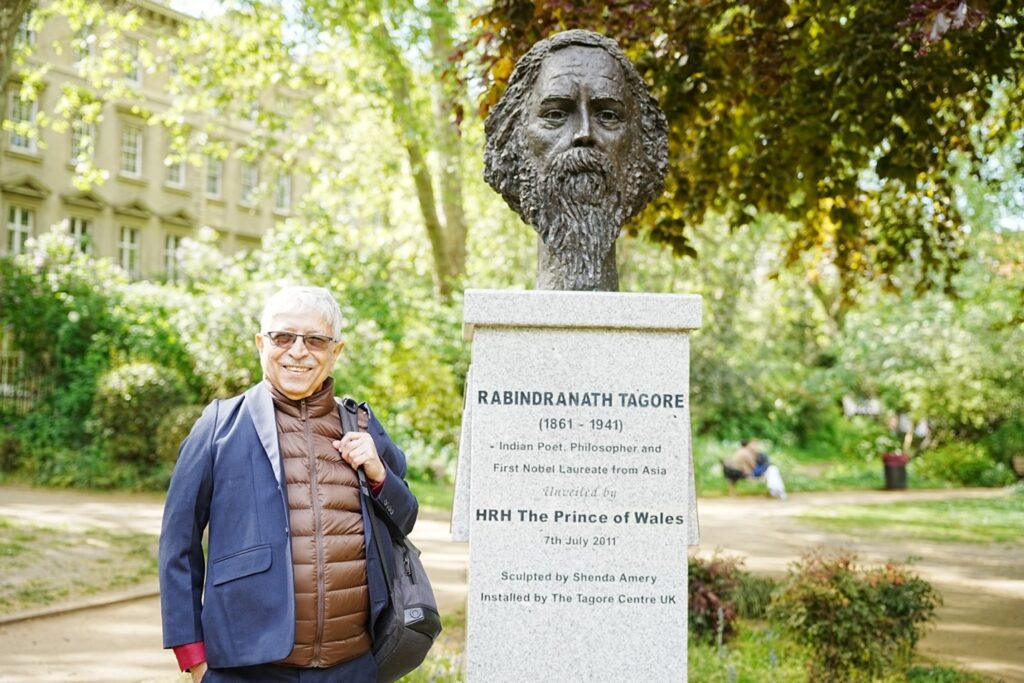
Attendees take a stroll around the central London campus, enjoying a walking tour then taking a break to enjoy a cake baked by Professor Sanjib Bhakta whilst sharing their research journeys and insights gained along the way
Global perspectives on tuberculosis and AMR
The workshop culminated in a keynote lecture by Professor Seyed E. Hasnain, chaired by Dr Ankita Nag, addressing a critical question: is the global elimination of tuberculosis possible?
Drawing on decades of research, he explored the remarkable adaptability of tuberculosis and its causative agent, Mycobacterium tuberculosis. His talk highlighted how the pathogen’s evolutionary strategies enable persistence despite genomic reduction, presenting both challenges and opportunities for therapeutic innovation.
Importantly, he emphasised the need for integrated approaches that combine computational biology, genomics, clinical research, and drug repurposing. His message resonated strongly with the workshop’s overarching theme: that only through collaboration can we outpace the evolving threat of AMR.
The closing reflections, led by Professor Franca Fraternali, brought the day full circle, focusing on the importance of building sustainable research capacity, fostering early-career leadership, and strengthening global partnerships.
One of the key outcomes of the workshop was a shared recognition that tackling AMR demands a truly networked approach – connecting local expertise in London with global collaborators across Europe, Asia, and beyond. The active participation of academic institutions, industry partners, and funding bodies signals a growing momentum towards translational, impact-driven science.
Looking ahead, this workshop was more than a meeting, it was a catalyst. It demonstrated how ECR-led initiatives can drive meaningful change by creating platforms for innovation, mentorship, and collaboration. By bringing together diverse perspectives and expertise, we have laid a strong foundation for future partnerships across academia, healthcare, and biotechnology. These collaborations will be critical in accelerating the development of new diagnostics, therapeutics, and strategies to combat AMR.
As the global community continues to grapple with drug-resistant infections, initiatives like this serve as a powerful reminder: progress is possible when we work together across disciplines, sectors, and borders. The journey to overcome antimicrobial resistance is complex, but with shared vision, scientific rigour, and collaborative strength, it is one we are well-equipped to pursue. I would like to thank the UKRI and MOHE for their support of this international collaborative project.
Photo credits: Dr Pranab K. Paul
More information