Tag Archives: International students

Planning, practice and storytelling: preparing for Chevening Interviews

At a recent Q&A organised by the Birkbeck International team, Current Chevening Scholars shared their experiences of preparing for the all-important interview step in the selection process for the prestigious UK Foreign and Commonwealth Office scholarship.  
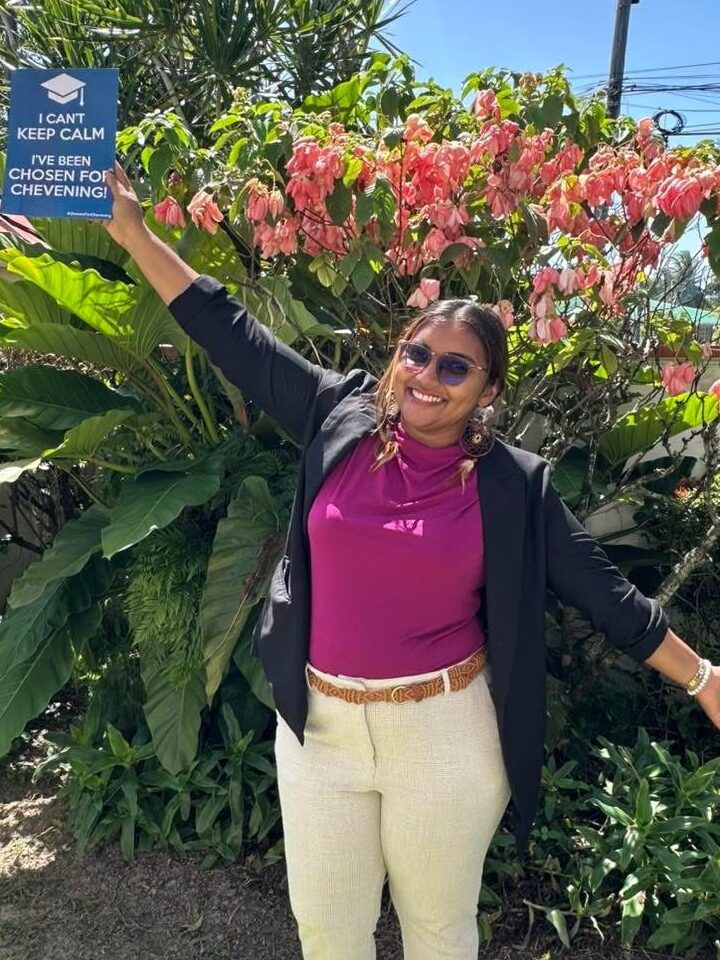
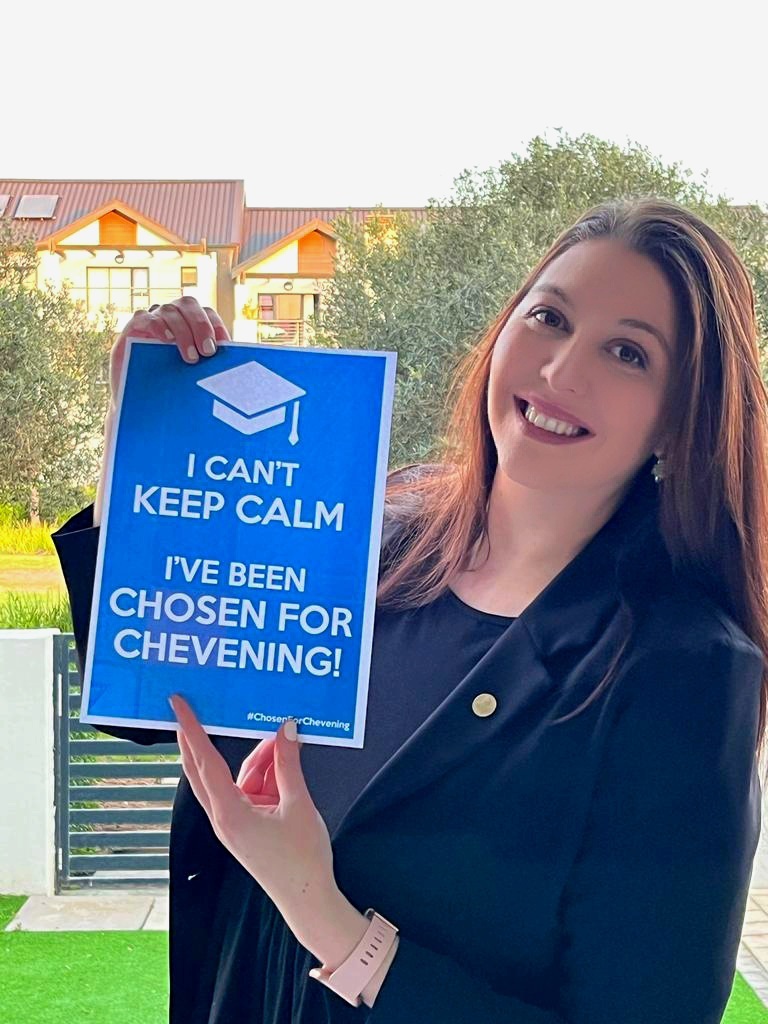
Maria Annaliza Fraser, Guyana, MSc International Relations 

When did you learn you had been selected for a Chevening interview? 

I got my notice on Valentine’s Day last year! There were several dates across March to select from. I remember selecting the 20 or the 21 of March, so I could have a month to prepare. 

How did you choose your time-slot?  

When I found out I had an interview, I called a previous Chevener who is a friend – he was more excited than I was at that point – and he advised I took a few days to decide on an interview slot that worked with my schedule.  

I took a slot at 8am, as if you know Georgetown, you know how miserable parking is! 

What tips you can share with future applicants?  

Practice with mock interviews with friends. I reached out to a previous scholar, who supported me throughout the journey. 

Go back to your essays, as the panel will refer to your answers about leadership, networking, education and career plans.  

This next tip might seem overwhelming, but I decided “I’m going to answer very confidently, very boldly, and be truthful and honest”. And I did that. It’s worth doing!  

Don’t hold back from talking about your motivation. For example, I was a bit nervous because my background is Marine Sciences and this is my second Master’s, so I explained this path isn’t about making a complete switch, it’s just about merging a gap. 

When it came to providing examples of facing resistance or difficulties, draw on both personal and professional examples. I drew on my experience working on the gas energy project in Guyana, and bringing stakeholders from opposite sides together – which also covered networking!  

I would also say, make sure you have a question you can ask at the end, when the panel invite you to. I asked about the Chevening alumni community and how I could get involved with it after the scholarship. 

Fabiola Andrea Leon, El Salvador, MSc Public Policy and Management 

When did you learn you had been selected for a Chevening interview? 

I think it was three weeks before the interview, I booked it right away and got a place on the second day of interviews. I prioritised booking at the beginning of the day, as I feared the panel can be tired after seeing many people. But I think, even if you are interviewed at the end of the day, you can also make an impact. If you come in with a good story, I think the panel is going to be captivated anyway. 

How did you prepare for the interview?   

Based on my application essays I prepared to tell my story and structured this as a pyramid. I wrote down what I have done at the bottom and what I want to achieve at the top. I was genuinely proud of different projects that I was working so I wanted to incorporate it into this story.  

I practiced a lot. I had mock interviews with people that I knew. I got feedback about things like speaking too fast,  

I joined applicant groups on Facebook and LinkedIn, watched videos on YouTube. I also connected with a previous Birkbeck scholar, Marko, and gained a lot from his experience and advice. 

I also prepared for general questions, such as challenges I have faced. My answer was divided into two; projects led at work, and my experience studying in China at 18 and how I adapted to living in a different country and learning a new language. I highly suggest for applicants to think about the challenges that they have faced in life, as well as professionally.  

Sekulu Nyekha, India, MSc Social Research 

When did you learn you had been selected for the interview? 

I got the e-mail in the night. It was on Valentine’s Day too, like Maria. I remember being really excited, but I didn’t want to rush booking the slot. However, when I went to book an interview from the selection available, the earlier dates were the only dates which were left. I picked March 4, which was one of the earliest dates of interviews! 

Was your interview online or in person?  

It was online for me. I think it’s because India is so diverse and big, so it made sense for it to be done online. 

How did you prepare?   

I’d always been confident about interviews, but right before the Chevening interview, I messed one up really badly and that taught me a lesson. I decided I was not going to be overconfident this time – I would seriously prepare. I had mock interviews with as many people were willing to help.  

I also practiced timing my responses, speaking for two, three or five minutes. This came very handy during the interview as I was told I had two minutes to answer each question. At that point I knew exactly how to structure my answers within the time allocated. 

What tips you can share with future applicants?  

Focus on what you wrote in your application essay, but don’t let that be your only focus! I saw my interview as a continuation of my essay. I referred to it, but I added more details, mentioned additional leadership positions and new projects I’d worked on since I originally applying. 

I also wanted both my essay and interview to come under one theme, seeing all my answers as part of one trajectory. Something like this can help a lot with memorability and coherency!  

For the networking question I mentioned how many people I worked directly with. I also mentioned my relation with Sishu, a previous Birkbeck Chevening scholar and friend, who I had been in touch with for insight. I think it also showed that I am excited to be part of the Chevening community. 

Tholang Mathopa, South Africa, MA AI, Ethics and Society 

How many times did you apply to Chevening before you got selected?  

I actually applied twice. In 2024, I had admission to a university I hadn’t listed on my application. This time around I made sure my listed universities matched and I gave it another shot. And it shows you shouldn’t ever give up on yourself. You must always try and try and try and try again until you get it right. 

Was your interview online or in person?  

It was online. At the beginning of the interview I was told I had about two minutes per question. The allocated interview slot was forty-five minutes, but we didn’t use it all.  

What tips you can share with future applicants?  

You should already be building on your trajectory, start working on the goals you actually want to achieve. It makes applying for the Chevening and answering interview questions so much easier.  

Make sure you document what you work on, your achievements, no matter how small you think this is. Don’t hesitate to share these on social media. It doesn’t have to be perfect, in fact the grittier it is, the better. We get to see the humanity behind what you’re doing. 

You need to be able to elaborate on your career plan after Chevening, mid and long term. This is where your real story comes to play. For example, you may have been working on a plan for some time- and Chevening is going to enable you to achieve this. You should be able to say this is what I’m going to do from year one after finishing, all the way up to year ten. The panel wants to know your vision and how the scholarship is going to help you reach your objectives. 

Finding my rhythm in London

Guyang Lin is studying LLM Qualifying Law Degrees, and is the recipient of the International Excellence Award. In this blog, they reflect on settling in to life in London and evening classes at Birkbeck.

It was drizzling the day I decided to cycle to a seminar for the first time. The streets of London shimmered with rain, and I was being pushed – by time, by cars, by the city itself – to keep moving.

I didn’t even know which way to go. When you’re new to London, the smallest tasks can feel monumental. Figuring out which side of the road to ride on, how to use a Forest e-bike, which traffic points to use, everything felt like a test.

I got bumped once, and my anxiety peaked, but I kept pedalling. Finally, I reached my destination, a little shaken but glad to have made it. That, I suppose, was a lesson London wanted to teach me: persistence often comes before confidence. But I already knew that. After all, persistence is what pushes me out of the comfort of home and the weariness of work, towards campus.

Two days later, I tried cycling again. I waited at a traffic light near Westminster, nervous but determined. Big Ben struck quarter to five, and I started moving: hesitant at first, then faster as the e-bike’s motor kicked in. The city rushed past me, and I began to feel more at ease.

Soon, cycling became my weekly ritual: my transition between work, study, and self. Between four and six p.m., London bursts into motion as waves of people hurry towards buses and Underground stations. This is the time I ride towards Birkbeck, joining the rush of people in my own way.

Most people use this time to head home, to rest. My destination, though, is not a place of rest but of energy: the lights of Birkbeck campus, the hum of conversation during evening seminars as people gather to learn. People with grey hair in windbreakers, bright pink hair in hoodies, or short hair in business suits. Some come straight from their offices, others from homes and families. Everyone brings a story, a day already lived, and a determination to keep learning. In this environment, I find something both grounding and inspiring, a sense that education is not separate from life but a part of it.

When I cycle home later at night, the city has changed. The roads are calmer, the people less rushed. It feels as though London and I share a secret, the knowledge that between dusk and midnight, the city belongs to those still chasing their dreams.

Studying at Birkbeck has taught me that “settling in” isn’t about becoming entirely comfortable. It’s about finding your rhythm in a city that never stops moving, learning when to push forward, when to pause, and how to keep going even when the rain falls.

London doesn’t slow down for anyone, but it leaves just enough room for people to grow at their own pace. And somewhere between the crowded evenings and the quiet rides home, between the ambition and the exhaustion, I’ve realised I’m no longer just passing through. I’ve become part of the city.

More information

Settling at Birkbeck as a Chevening Scholar 

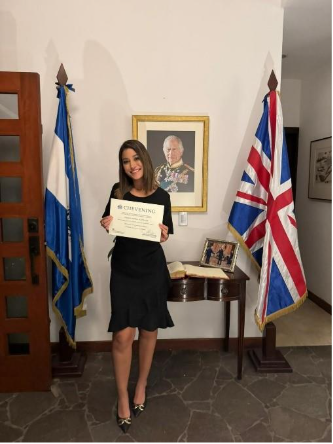
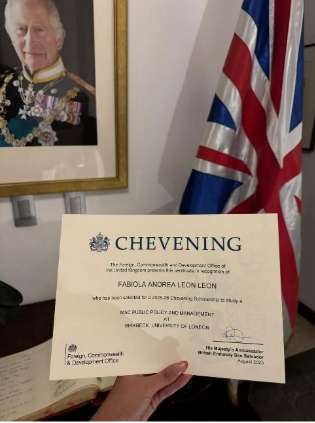
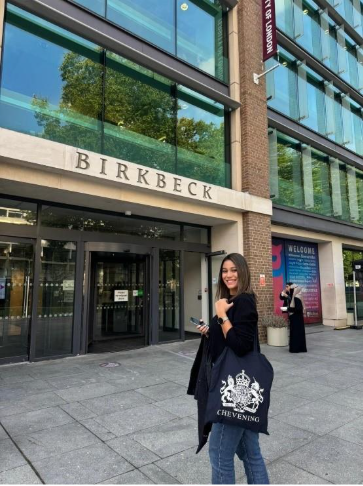
In August 2025, Fabiola moved to London to start her master’s in Public Policy and Management at Birkbeck as a Chevening Scholar. Here she shares her journey of coming to London and setting in.

My name is Fabiola but my friends call me Poly. Coming to Birkbeck to study Public Policy and Management as a Chevening Scholar took months of dreaming, preparing, and hoping to get here, but stepping into London felt like finally turning a page I’d waited years to write. 

My Chevening Journey 

My Chevening journey began in June 2025, when I got an email saying I had been selected as one of four scholars from El Salvador – and the only woman that year. I read it twice, then sat in silence taking it all in. Accepting Birkbeck’s offer that same day felt like stepping into a dream.

Arriving and Settling In 

Arriving in London was exciting but overwhelming. What helped the most was the support from Birkbeck and Chevening. Each scholar gets a staff member who checks in and helps with everything from accommodation to admin. Knowing I had people guiding me from the start made the transition much easier and helped me feel grounded in a new country.  

Finding My Home in London 

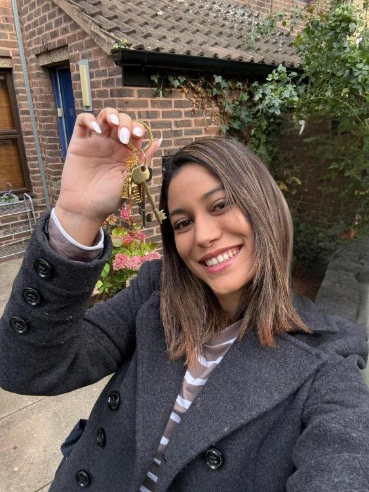
House hunting was its own adventure. I had lived abroad during my bachelor’s degree in Beijing, but finding a place in London felt different but exciting, challenging, and very real. After several viewings and a lot of exploring, I found a flat in North London that instantly felt right for me. 

My daily commute through Camden, Euston, and Bloomsbury has become one of my favourite parts of the day. And on the way home, grabbing a kebab has slowly turned into a small London ritual that makes the city feel familiar. 

Chevening Orientation: Joining a Global Family 

One of the highlights of my year was the Chevening Orientation. Being in a room with around 1,500 scholars from all over the world was inspiring. I met people working in government, international organisations, and the private sector, all passionate about making a difference. 

Hearing speeches from Emma Hennessey and Hamish Falconer MP reminded us why we were selected: to grow, to lead, and to bring something valuable back home. Walking out of that event, I felt incredibly proud to represent El Salvador. 

Part- time jobs: Becoming a Student Ambassador 

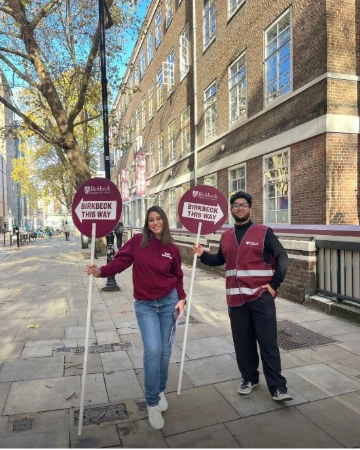
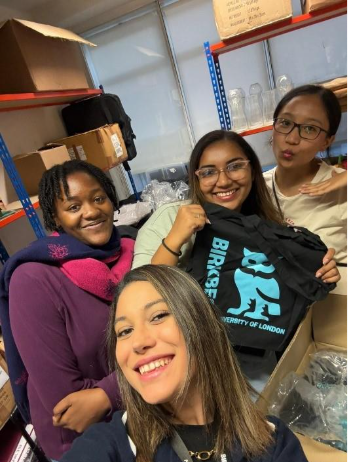
I applied to be a Student Ambassador because I wanted to get involved and help other students feel welcome. It has honestly been one of my favourite parts of the experience. I’ve worked at welcome events, spoken on panels, and helped with social media. These opportunities have helped me grow, connect, and feel like I truly belong at Birkbeck. 

Challenges and Growth 

Going back to studying after working for years has been a challenge. Building a new routine, getting back into an academic mindset, and adjusting to London’s cost of living can be tough. But these challenges remind me why I came here: to grow, learn, and step outside my comfort zone. 

Looking Ahead 

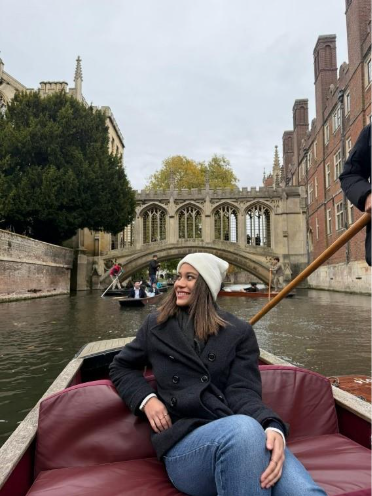
Even though I’ve only been here a short time, London already feels full of possibilities. I’ve visited Cambridge, made friends from all over the world, and I’m planning a trip to Scotland soon. I also joined the new Birkbeck Political Society, and I’m excited to help create events, conversations, and new spaces for students interested in politics. 

This year already feels unforgettable. I’m proud to represent El Salvador, to study in a city as vibrant as London, and to show that dreams even the big, scary ones can become real. 

Further Information:   

Scholars’ tips for your Chevening Interview 

As part of the range of activities offered to support international offer holders, Birkbeck recently held a Q&A session about Chevening Scholarship interviews. Current and former Chevening Scholars shared tips and advice on applying to the prestigious UK Foreign and Commonwealth Office scholarship. 

Vasco Chitema from Angola – MA, Language Teaching/Teaching English to Speakers of Other Languages – 2024 Chevening scholar 

First, well done on being selected for interview. Congratulations! For me, I think reaching the interview was the hardest part of the process. I’m the first Chevening scholar from my city, Huambo, so I didn’t have anyone to go to for advice. I had to do my own research.  

The very first place that you should go to in order to ace your interview is the Chevening website itself. There you’re going to find 90% of all the information that you need. Also, search related videos on YouTube!  

You also need to try to practice some common interview questions like:  

  • Tell us about you 
  • How is this scholarship going to help you? 
  • Where do you see yourself in the future (5-10 years)? 

When asked about yourself you should try and talk about where you came from, in terms of education, your past experience, where you’re at now and try to link this to your career goals. 

Remember to be confident but also show you’re open to learning. And, of course, when you go to the interview, try to dress smartly! 

Susan Brits, from South Africa – MA Educational Neuroscience – 2022 Chevening scholar and current Interim President of the Chevening Alumni Association for South Africa (CASA) 

It’s beneficial to have a solid understanding of your essays, as the interview questions will be directly related to the content of those essays.

To prepare effectively, I thoroughly analysed each element of my essays and identified potential questions that could be asked for each concept. I then developed possible answers, ultimately creating about 20 pages of responses. This level of preparation is essential!

During the interview, I encountered questions that were often multi-layered, with the panel presenting multiple queries within a single question. Being well-prepared allowed me to respond with precision, addressing each component of the question as it was intended.

In your Chevening application, much of your focus will be on course research, the professors you are interested in working with, and the potential supervisors for your research. It can be helpful to reference this in your interview. For instance, stating something like, “I am applying to Birkbeck because I want to work with Michael Thomas, whose research on Educational Neuroscience aligns closely with my interests,” demonstrates that you have a clear understanding of your academic goals. So it’s important to make use of resources such as Google Scholar to research your potential professors. Ensure that your responses are well-linked to the specific program to which you are applying.

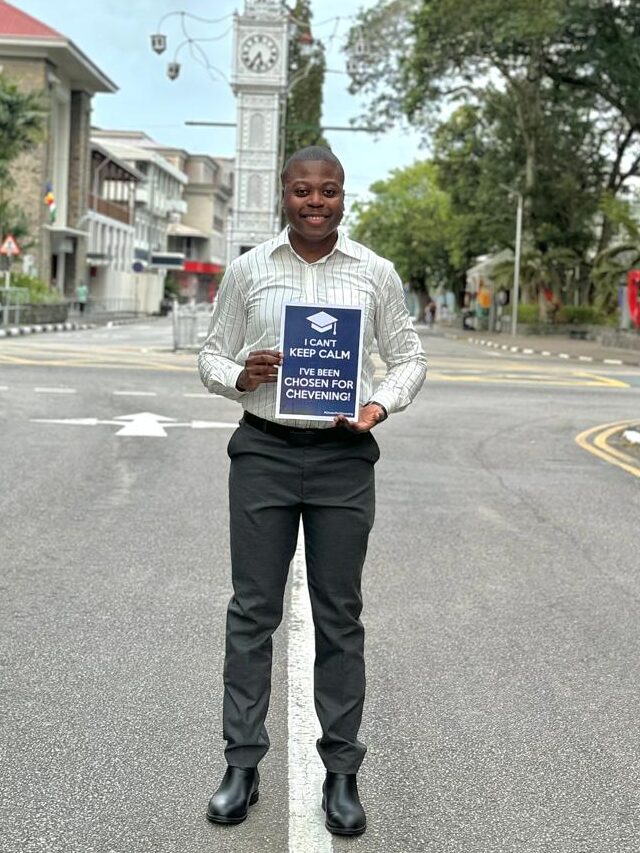
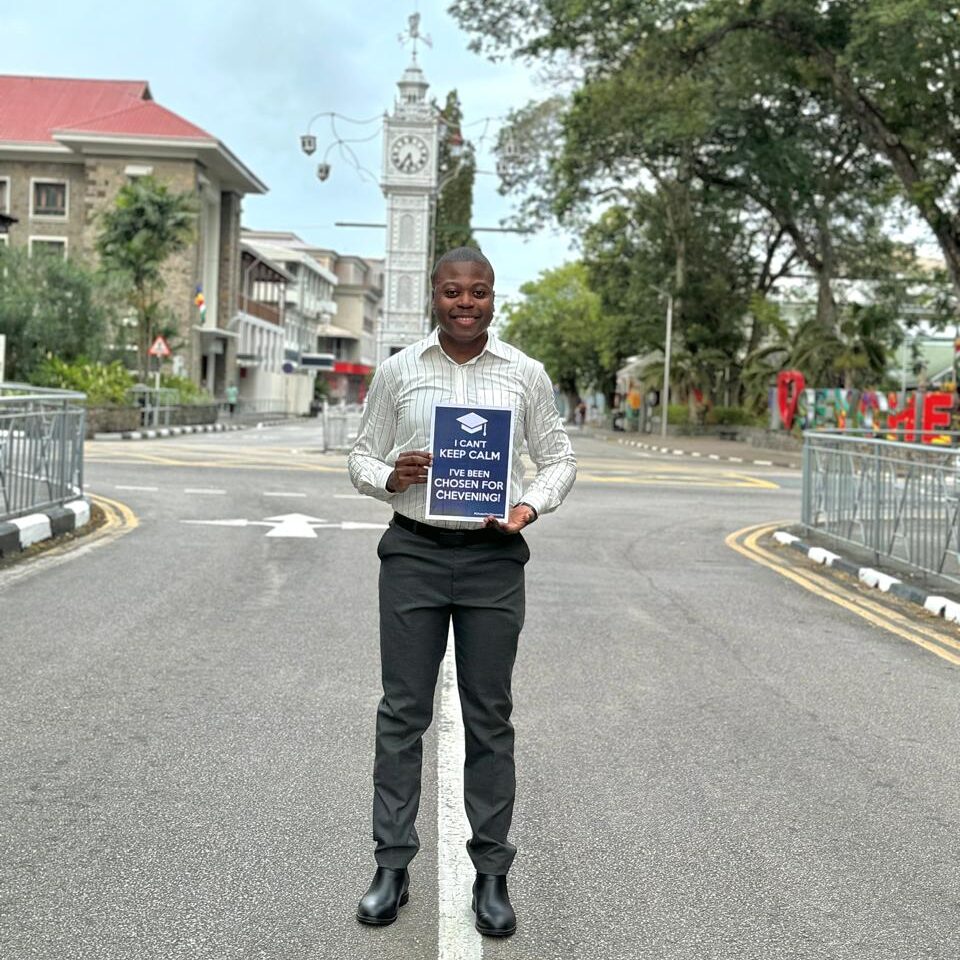
Rudy Sinon, from Seychelles – MSc Advanced Computing – 2024 Chevening scholar  

My main advice is to practice, practice, practice. I would advise you to find someone with whom you can have a mock interview. They can review your essay and may ask you questions you hadn’t considered, helping you prepare for the unexpected.

Be prepared for the panel not to ask questions in a chronological order based on your essay – from the first to the last sections of your application. They might mix it up a bit, asking about your goals, then a networking question, and later returning to your goals to ensure that your essay tells a coherent story.

My essay focused on data analytics. Every section, from the first to the last, was primarily centered on data analytics – why I love data and how studying in the UK would help me achieve my goals in the field.

The main thing is to paint a picture for the interviewers and ensure that every part is connected.

More Information: 

Meet Birkbeck’s 2024/25 Chevening scholars 

Each year, the UK Foreign, Commonwealth & Development Office awards the prestigious Chevening Scholarship to outstanding students recognized for their leadership potential and academic excellence. Here, we get to know some of the 2024/25 Chevening cohort a little better.

Rudy Sinon – Studying MA Advanced Computing

I am a Senior Statistician at the Seychelles Revenue Commission, currently on study leave to pursue my Master’s degree at Birkbeck, University of London. With a background in Public Administration and Political Science, I have spent a decade working in government statistics, using data analysis to enhance revenue collection and compliance.

I applied for the Chevening Scholarship to gain expertise in data analytics and leadership while connecting with a global network of professionals. My long-term goal is to modernize the Seychelles Revenue Commission by integrating advanced technology and data-driven decision-making, ultimately improving efficiency and transparency in the country’s financial sector.

I chose Birkbeck for its flexible learning model, which allows me to balance work and study effectively. Its focus on advanced computational techniques aligns perfectly with my vision of leveraging data science to drive public sector innovation in Seychelles.

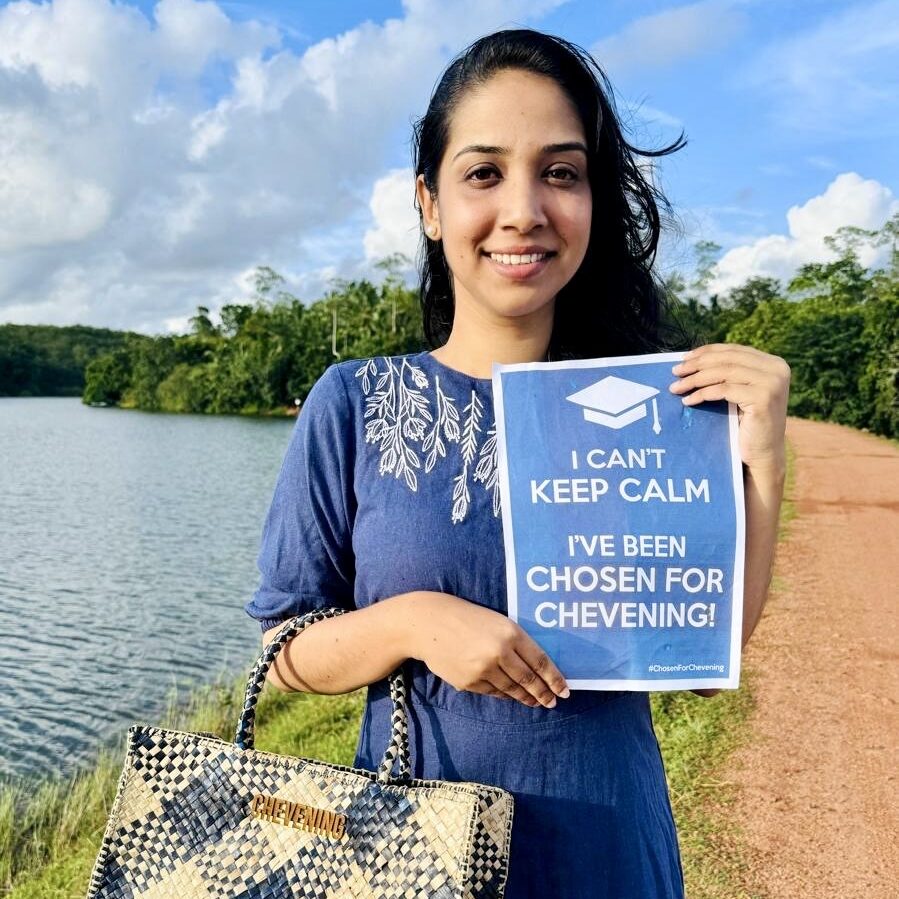
Kasuni Chamudika – Studying MSc International Business

I hold degrees in International Studies and Business Administration. After five years as a project officer at the Board of Investment of Sri Lanka, I founded SustainU, a company that empowers MSMEs by helping them develop products, access new markets, and build strategic connections.

I applied for the Chevening Scholarship to enhance my leadership and networking skills while gaining international exposure. After completing my studies, I plan to expand SustainU by developing Learning, Manufacturing, and Selling platforms, creating SME incubation centers, and becoming an international business consultant promoting Sri Lankan exports. I also hope to explore partnerships between the UK and Sri Lanka to foster business development and trade.

I chose Birkbeck for its focus on working professionals and its strong support for entrepreneurial ventures. The university’s career coaching, networking initiatives, and business-oriented programs align with my ambition to drive SME growth and global business expansion.

Marko Stankovic – Studying MSc International Security and Global Governance

I hold a Master of Laws from the University of Belgrade and have studied at Paris 1 Panthéon-Sorbonne University. My professional experience includes working with the OSCE Mission to Serbia, where I contributed to police reform, human rights advocacy, and youth training initiatives.
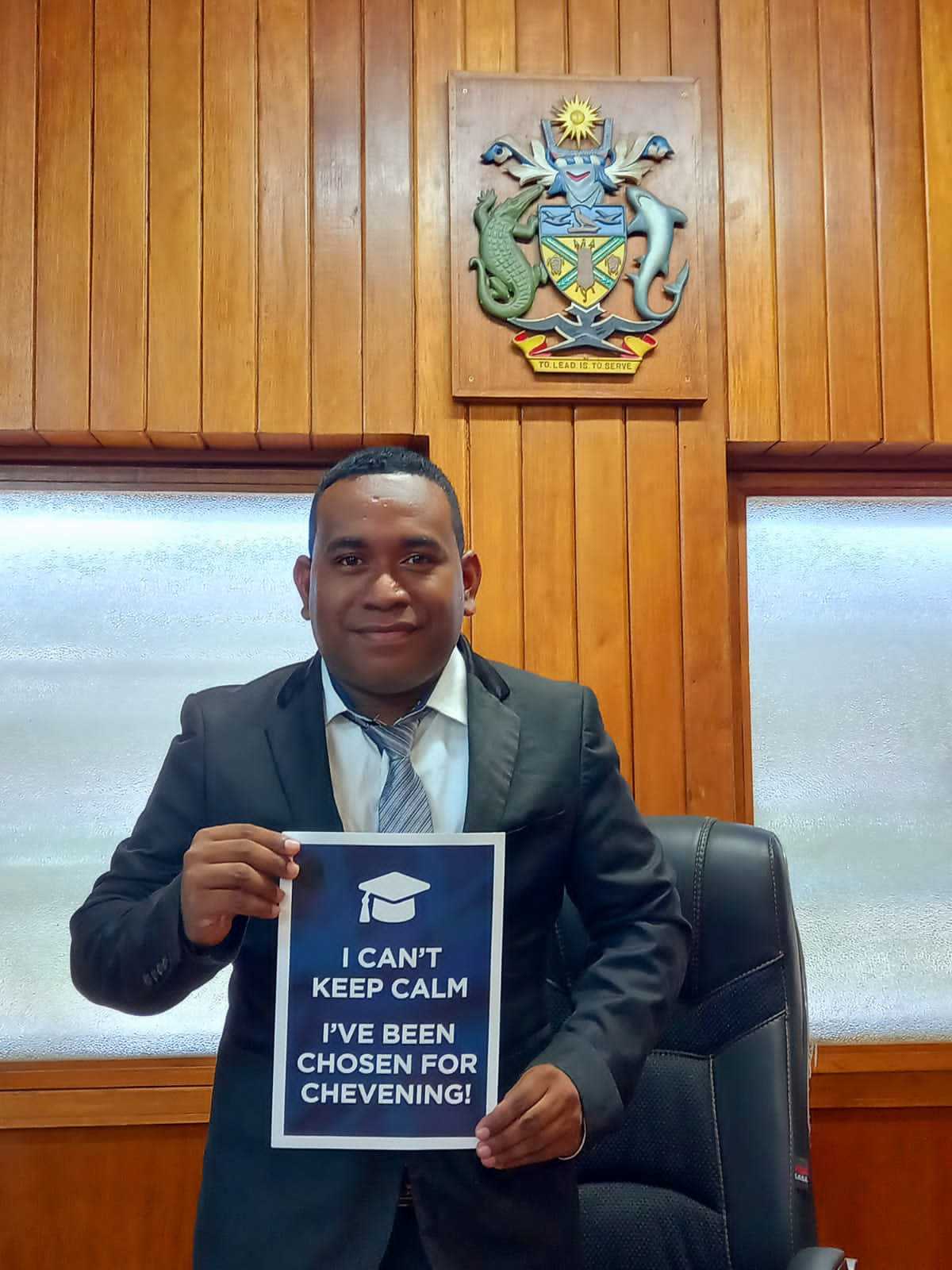
I applied for the Chevening Scholarship to gain a top-tier education, expand my global perspective, and develop innovative approaches to security and governance challenges. My long-term ambition is to lead an international organization, promoting peace, security, equality, and human rights.

I chose Birkbeck for its interdisciplinary approach and strong focus on social and political issues. The program builds on my expertise, combining history, geopolitics, and social sciences to address modern global conflicts. This academic experience will help me transition from practical fieldwork to a broader, strategic perspective on international security.

Patrick Lonjezo Chimimba – Studying MSc in Sport Management and the Business of Football 

I have worked for several organizations, private and public in Malawi and I am the current Chief Executive Officer of Silver Strikers Football Club, a team playing in the Malawian Elite League. I am also a Director of Operation of Mpira Mmudzi Mwathu, a Sport for Development organization that uses sport as a tool for social change and development, nurturing young boys and girls for 3 years.  

I selected Birkbeck because it provides a practical program in Sports Management and the Business of Football that resonated very well with my career plan. The Sports Management component is important in my role with Mpira Mmudzi Mwathu and the Business of Football component will be utilized in my role as the CEO of Silver Strikers Football Club. The Sports Management program at Birkbeck’s reputation made me choose it over other institutions, the tailored made professional talks by industry gurus made me fall in love with Birkbeck.  

Hnin Myat Mon – Studying MA Language Teaching/Teaching English to Speakers of Other Languages 

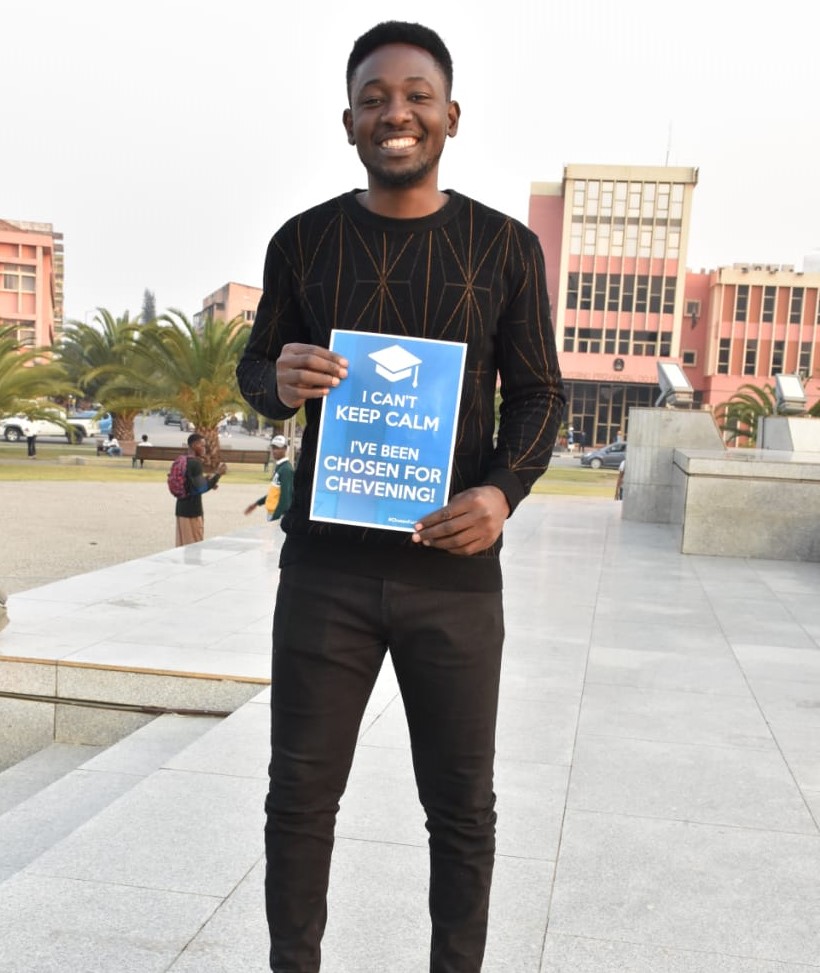
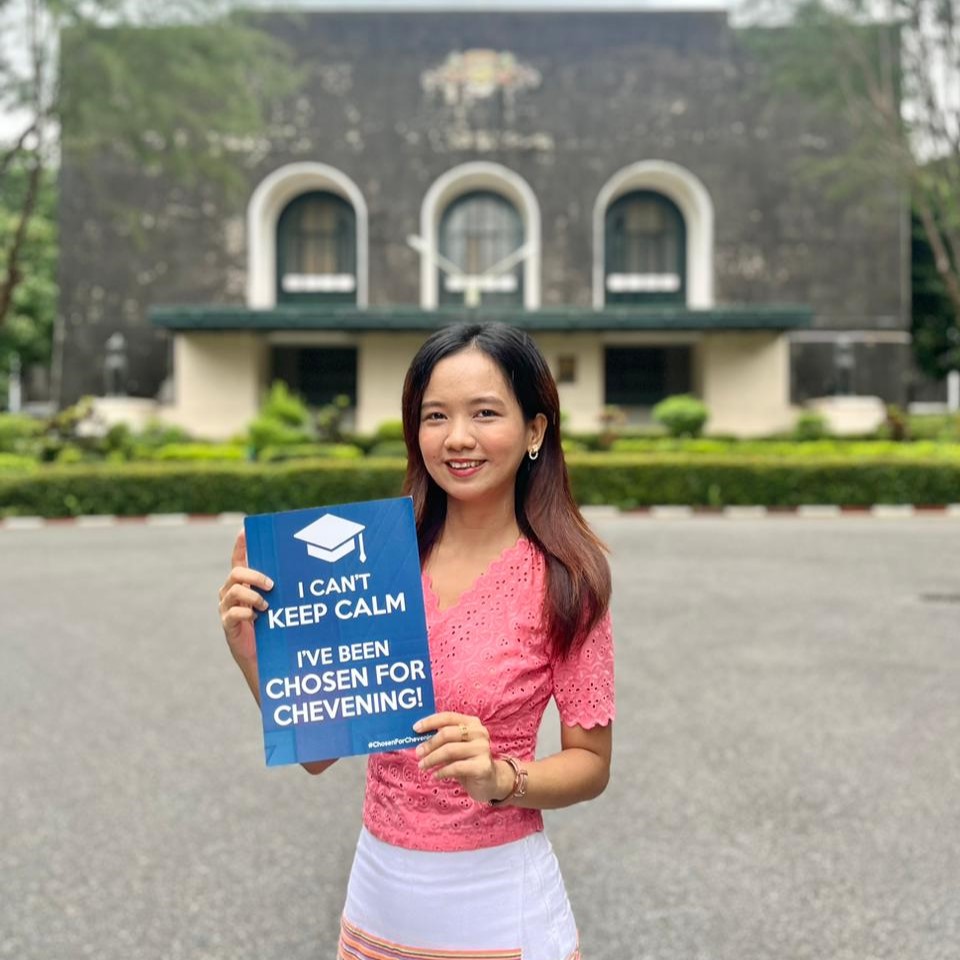
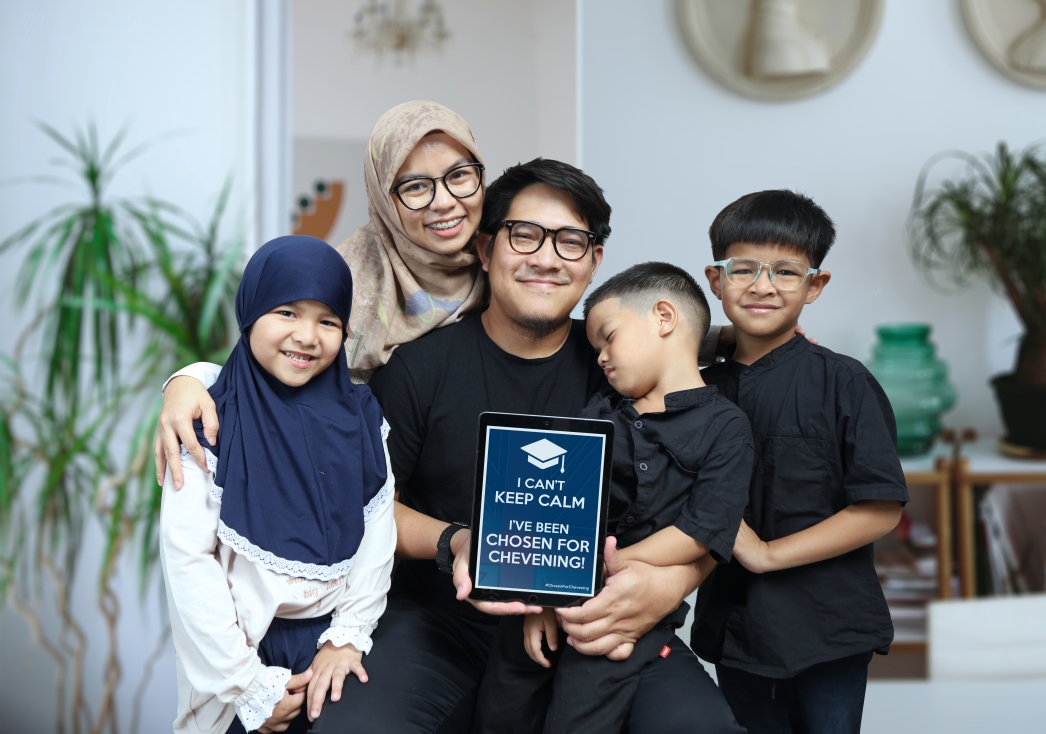
I stepped into the world of English Language Teaching at University of Yangon in Myanmar. Since I’VE BEEN CHOSEN FOR CHEVENING,  I am going to further my Master’s in TESOL (Teaching English to Speakers of Other Languages) at Birkbeck, University of London.   

 I am thankful to Chevening (FCDO) for this wonderful opportunity to achieve the dream of doing a master’s degree in the UK.   

Idris Aldrisi – Studying MSc Public Policy and Management 

With a background in English education and public policy, I am passionate about creating positive change in my community in Libya. My journey began with my degree in English Education, which gave me the foundational skills to communicate effectively and teach others. However, my drive to contribute to the development of my country led me to engage in initiatives beyond education, such as my work with the UNDP in Zuwara, Libya. Here, I led a project to prevent violent extremism, which allowed me to develop leadership skills, such as building relationships with key stakeholders and managing large-scale community efforts. This experience ignited my interest in public policy, as I saw firsthand how policy can influence sustainable social change. 

I applied for the Chevening Scholarship to deepen my knowledge of public policy and  to contribute meaningfully to Libya’s development. My long-term plan after Chevening involves working on policy reform in Libya, focusing on migration, organized crime, and education. I aspire to work at both the municipal level in my hometown, Zuwara, and later, at the national level. My ultimate goal is to shape policies that promote decentralization, social justice, and economic development. I also plan to leverage my experience to contribute to international policies, particularly on issues like climate change and regional stability. 

Marcio Da Fonseca Antonio – Studying LLM in Law and Political Economy 

Studying at an institution associated with Marcus Garvey, a central figure for black communities, will be an honor I will carry with me for life.  

I strongly believe that building the prosperous Angola we all aspire to requires investing in our human capital and my experience as an athlete has taught me to never shy away from challenges and to relentlessly pursue excellence.  

 The teachers are extremely inspiring and the program is very interesting. I believe that  Birkbeck, University of London is the right place to have a memorable experience and that will certainly help me make a difference when I return to Angola.  

Marcos Flores Leyes – Studying LLM Criminal Law and Criminal Justice 

I began my career in the Judiciary of the Province of San Luis, Argentina, as a Judicial Agent (2010), later serving as Juvenile Defender (2016), Public Prosecutor (2017) Criminal, Correctional, and Misdemeanor Investigating Judge (2018-2021) and since 2022, I have been serving as a Guarantee Judge. I have a strong commitment to social justice, particularly in defending human rights.  

I applied for Chevening because it presents a unique opportunity to expand my expertise in criminal law and human rights within a global context. My long-term goal is to continue advancing in the Argentine judicial system, working towards positions where I can influence jurisprudence related to human rights, gender-based violence, and child protection. I also aim to use my knowledge to improve legal practices and access to justice in my province.  

I chose Birkbeck because of its renowned academic excellence in criminal law and its interdisciplinary approach, which perfectly aligns with my professional interests. The flexibility of its evening study program also allows me to balance my studies with my ongoing judicial duties.  

Rico Tuhanuku – Studying LLM Law General 

My decision to apply for the Chevening Scholarship was driven by a deep-seated desire to contribute meaningfully to Tonga’s legal framework and strengthen its existing relationship with the United Kingdom Government.  

Upon my return to Tonga, I intend to leverage the knowledge and skills gained through this LLM program to make a significant impact on the public sector. I envision myself playing a pivotal role in shaping policies that address the specific needs and aspirations of our nation. My end-goal is to assume a leadership position, such as Chief Executive Officer of the Public Service Commission or another integrity agency, where I can directly influence the development and implementation of public policies.  

I am committed to fostering collaboration and partnerships to address policy gaps and ensure that our legal framework operates effectively. I am confident that my LLM will provide me with the necessary qualifications and expertise to pursue more influential roles within Tonga’s legal landscape and contribute to the nation’s progress and development.  

Sishu Ranjan – MSc Education and Social Justice 

I have been a student leader, educator, and researcher in India for around 5 years and my full-time education. I have been actively involved in student politics and social movements. My university education was in Chemistry as a first-generation tertiary student. I taught undergraduate-level Chemistry at a college in my home state Jharkhand. Then I shifted my education to study ‘Education’ as a discipline at Jamia Millia Islamia New Delhi and then at Azim Premji University Bangalore where I developed a basic understanding of teaching and learning, education policies, and teacher education in India.  

Being a student leader, academic activist, and activist who thrives for social justice, Chevening is a platform to connect with like-minded scholars across the globe who work especially on education and education policies. My long-term plan is to teach at a university and then enter into active politics to work for the democratization of education among the most marginalized groups of India by collaborating with Indian Chevening scholars. I aim to transform Teacher Education programs running in India by transforming their curriculum and the process radically.  

I am studying MSc Education and Social Justice at Birkbeck to understand the role of politics and economy in shaping education policies. My main aim is to develop skills in research around education and social justice to research teacher education in India for social justice by situating in a global and neo-liberal context. Birkbeck being an evening university and non-traditional, provides me an opportunity to learn with experienced people in the classroom. Also, the history of Birkbeck University motivated me to understand the culture of non-traditional tertiary education which will help me in the future to shape Indian higher education.  

Vasco – Studying MA Language Teaching/Teaching English to Speakers of Other Languages 

I am Vasco, from Angola. As a Chevening Scholar, I chose Birkbeck, University of London, for its unique evening-based approach to education, which brings together a diverse community of students balancing work and studies. This flexible environment is ideal for pursuing my master’s in TESOL, allowing me to focus deeply on the field while connecting with professionals from various backgrounds!  

More Information:

A guide to preparing your Chevening application

Applications for the 2025/26 Chevening, the fully funded scholarship for postgraduate students offered by the UK government, open in August. Catherine Charpentier, from Birkbeck’s International Marketing and Recruitment team, advises how to prepare to apply for the highly coveted scholarship. 

It’s official, applications for Chevening for 2025/26 open on Tuesday 6 August 2024! If you’re thinking of applying, there’s a lot you can do before this date, so here’s a roundup of some top tips.  

Double check eligibility criteria 

First of all, you want to make you meet all eligibility criteria – including citizenship and academic background. You also need to have at least two years work experience (equivalent to 2,800 hours) in order to apply. This can be in part-time or full-time employment, voluntary work or paid or unpaid internships. Work experience can be completed before, during, or after graduating from your undergraduate studies. It’s also worth noting that your work experience does not need to be related to the course/s you want to study. 

Don’t have 2,800 hours of experience just yet? Why not apply for an internship, or offer your services to a volunteer organisation to make up the total? You should meet the requirements by the time you submit your form, with applications scheduled to close in the autumn. 

Assuming you meet all the eligibility requirements, what next to help you prepare for an application?  

Gain meaningful experience 

Beyond the number of working hours accumulated, you should reflect on how your work experience demonstrates leadership qualities. What impact have you had on your company or community? 

If you think these are points you could improve on, why not take advantage of the next few months to do so? You could volunteer to take on extra responsibilities at work, or lead on a project for an organisation you are involved with, or even organise an event for a charity. 

Develop your network 

In your application, you will be required to demonstrate your networking skills. Spend the next few months engaging with your network; reactivate old links and build new relationships, attend community events, support local groups, a professional organisation, or your local Chevening alumni network.   

You can refer to Birkbeck Futures, The Importance of Networking guide, for tips and advice to develop a networking strategy. 

Choose your programme of study 

Selecting the right courses at the right universities is one of the most important aspects of your application. Only full-time courses that start in the autumn term, and lead to a taught master’s qualification are eligible. Visit university websites, explore modules, find out what student’s have to say about their experiences, and check you meet the institution’s entry requirements before selecting your programme.   

Remember you must be able to demonstrate both why you selected the specific Master’s and institution, and how the qualification you will gain aligns with your short, mid and long-term goals. 

Select your referees 

You will have to give the name of two referees in your application. Use the next few months to select who you think could provide positive and meaningful references for you. Get in touch now, keep the relationship alive and remind them of all the reasons why you will be deserving of this glorious reference when the time comes! 

Further Information:  

How to prepare for a Chevening Scholarship interview

In this blog current Birkbeck Chevening scholars, Ahmed Alaa Yaqoob Maki, MSc Entrepreneurship student from Iraq and MSc Business Innovation students Aslan Saputra from Indonesia and Ramata N’Diaye from Mali, tell us how they tackled the Chevening interviews and give advice to this year’s applicants.

How did you prepare for your Chevening interview?

Ahmed Alaa Yaqoob Maki:

Ahmed Alaa Yaqoob Maki

First of all, congratulations on reaching this stage! To get started, go back to your application and focus on your essays and the key points you highlighted. Be ready to discuss any part of your application in detail, including your career goals, leadership experiences, and how you plan to use the Chevening scholarship to contribute to your home country. Furthermore, prepare to demonstrate your skills in leadership and networking through real examples from your past experiences. Most importantly, be knowledgeable about current events and issues in your country, the UK, and globally, especially those related to your field of study or professional sector.

In addition, you can find lots of mock interview opportunities. Practice with mock interviews to simulate the interview environment. This can help you become more comfortable with speaking about your experiences and achievements confidently. Feedback from these sessions can be invaluable.

Ramata N’Diaye:

Ramata N’Diaye

To prepare for my Chevening interview, I embraced a thorough approach centered around self-reflection, research on the Chevening scholarship, and diligent queries on my Top 3 universities. I immersed myself in understanding the Chevening Scholarship’s core objectives, values, and the attributes they seek in scholars. This foundational knowledge was crucial for tailoring my responses to align with Chevening’s mission.

I then reflected on my personal, academic, and professional experiences, identifying clear examples that demonstrated my leadership qualities, networking abilities, and commitment to positive change.

Recognizing the importance of staying informed, I kept abreast of current global and regional issues, particularly those relevant to my field of interest and my home country. Practicing mock interviews was also a pivotal part of my preparation, allowing me to refine my answers, improve my delivery, and build confidence.

Aslan Saputra:

Aslan Saputra

In my country, several people who had been shortlisted for Chevening formed small groups to be able to practice together and share the latest information about the Chevening application.

When I entered the shortlisted stage, I knew the story I brought to the application attracted the hearts of the Chevening committee, so my task during the interview was to retell it more enthusiastically and in more detail so that my charisma became stronger and more promising.

What advice would you give to this year’s shortlisted candidate on how to ace their interview?

Ramata N’Diaye:

For this year’s shortlisted candidates, my advice is to deeply understand what Chevening stands for and thoughtfully reflect on your journey and aspirations. Articulate your vision clearly, demonstrate how you embody the Chevening values, and be prepared to engage in discussions on current affairs with insight and poise. Remember, authenticity and preparedness are key to acing the Chevening interview.

Aslan Saputra:

My advice is to not bring new stories to the interview. Just elaborate on the essay that you wrote previously, and show your unique and strong character. Don’t be too stiff, and learn how to tell stories that are interesting and fun.

Ahmed Alaa Yaqoob Maki:

When answering questions, consider using the STAR technique (Situation, Task, Action, Result) to structure your responses. This method helps you deliver comprehensive and compelling answers.

Further information


Celebrating the Lunar New Year and Year of the Dragon with friends and colleagues at Birkbeck  

Zhuoxin Han is a second year LLB Law student. In this blog they share their experience of attending the Lunar New Year event held by the university.  The Lunar New Year is the most important festival celebrated by many countries in Asia. The influence of the Spring Festival has been spreading worldwide; for instance, Canada, Australia, New Zealand, South Africa, the UK, and the US have begun to join in this celebration. You may have noticed the huge number of red lanterns and decorations in London’s Chinatown if you happened to pass by recently. Or maybe the red celebration signs on the street -screens, as well as dragon illustrations on newspapers or magazines? The Evening Standard, for instance, printed a super cool red dragon as its cover on 10th Feb. 

The Lunar New Year is associated with old myths and traditional customs. Every family undergoes a thorough cleaning while approaching the new year, meaning they are ready to sweep out bad things or moods and be ready to accept the incoming good fortune. In the past, people would practice calligraphy and write their own versions of couplets; today people tend to purchase ready-made couplets. Another custom is using red paper cut outs and couplets to decorate windows and doors respectively. These pretty ornaments make people feel content and joyful. 

This year, the Lunar New Year event was jointly held by Birkbeck Global Recruitment Team and La Yong Jackson, from the International Student Administration team. As student Ambassadors, Ziyao and I were appointed to assist this event.

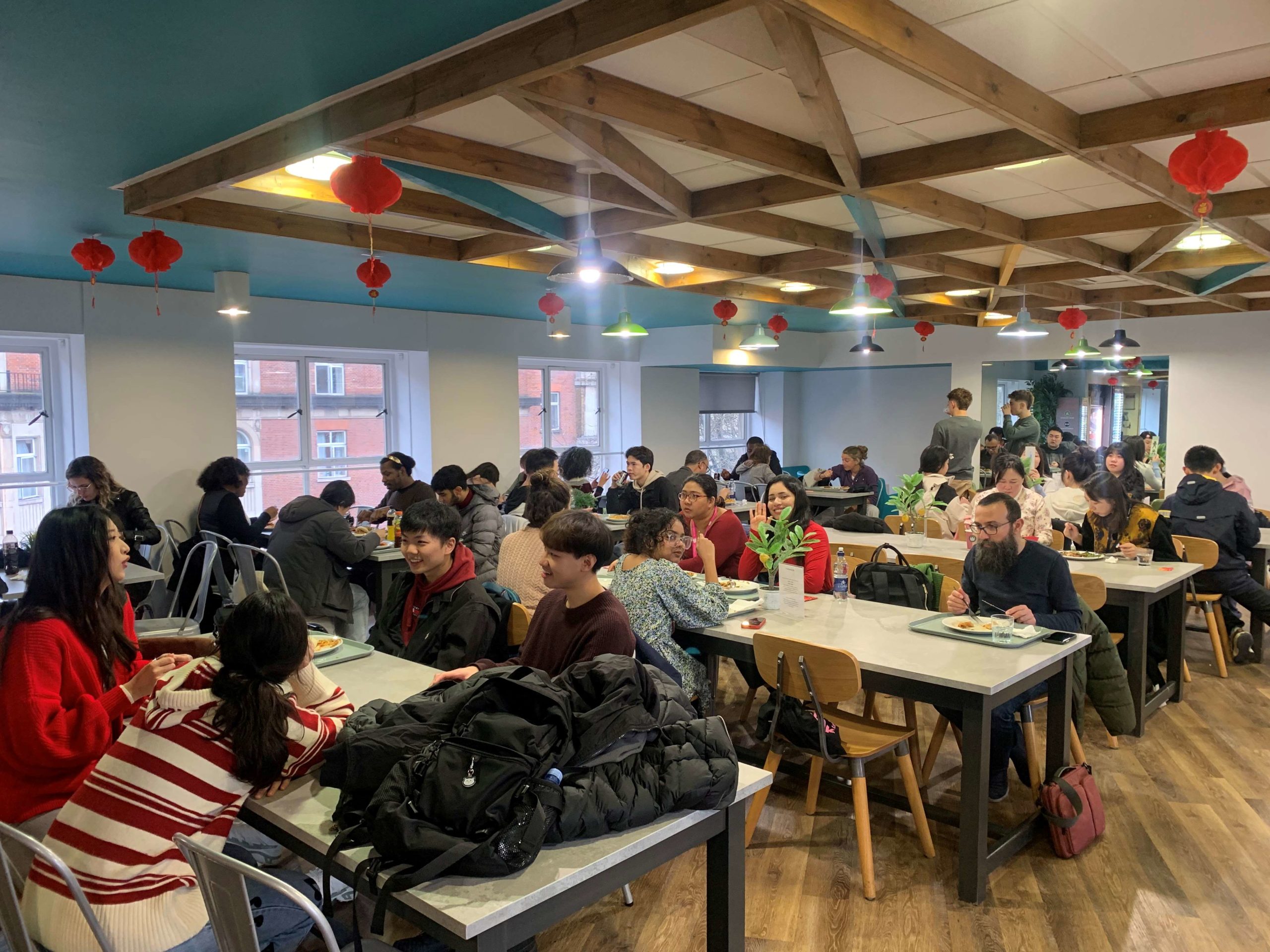
Before Birkbeck participants arrived, our team members cleaned and decorated the locations where the celebrations were due to take place in the main Malet Street building, the Canteen on the fifth floor, and the George Birkbeck Bar on the fourth floor. We also managed to create a ‘photo corner’ for guests who wish to take pictures, using our phones or Polaroid instant cameras provided by staff for everyone to use. 

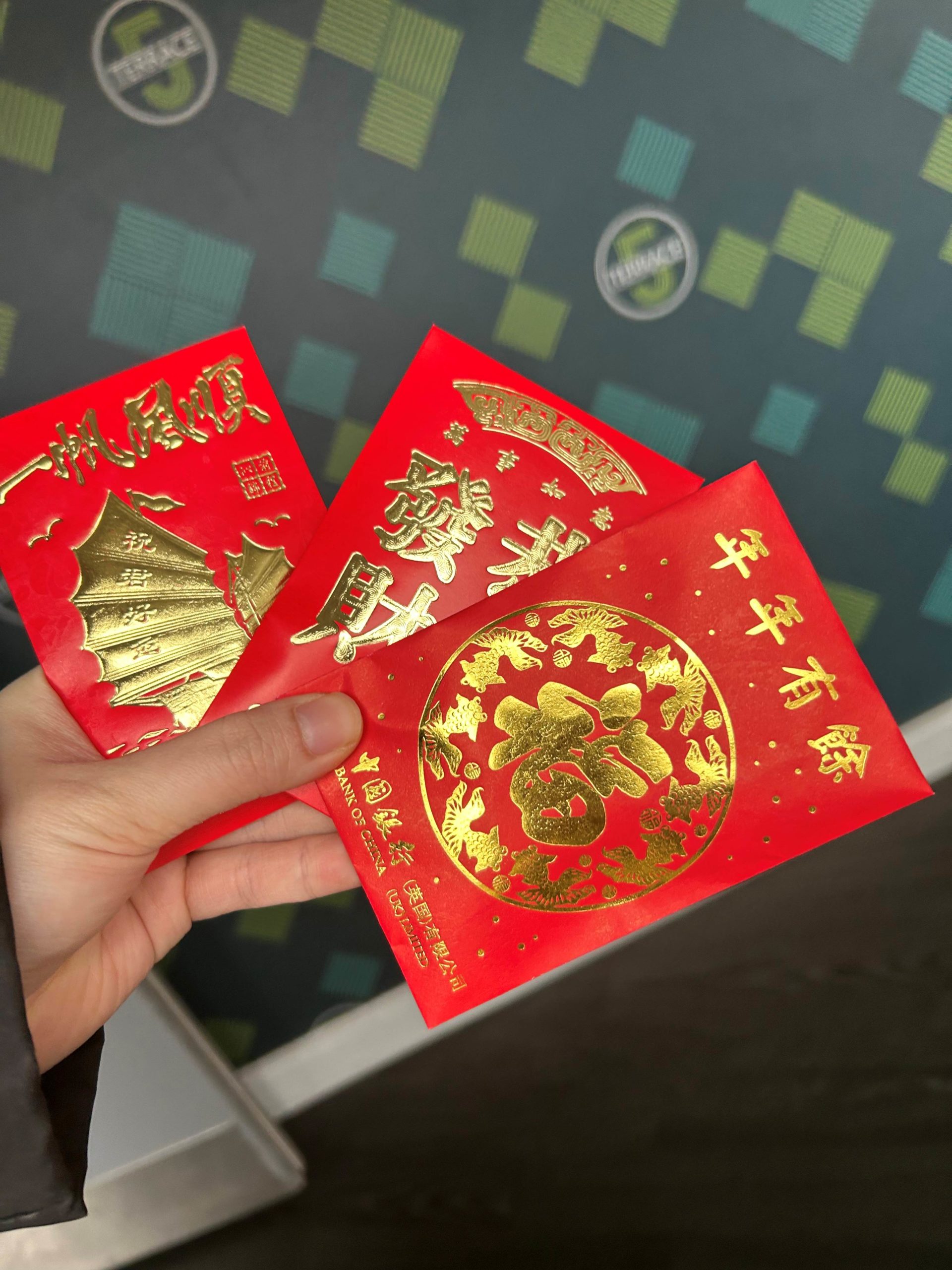
The most popular custom during the Spring Festival must be the Red Pocket! The bright red reminds people of the warmth of family, the way everyone once gathered around, talking at the fireplace. I’ve sometimes wondered if that’s why Santa’s hats are red. 😊  

This year, Birkbeck prepared red pockets containing a free lunch voucher, golden chocolate, plus a delicate Birkbeck College badge for everyone who registered for the celebrations. As an international student, I found myself impressed by all these thoughtful details. It was probably a time-consuming task to prepare, and felt special. I was also impressed by the canteen staff, who had a really busy day, preparing food for both the regular daily menus and also the extra Asian cuisines for our celebrations. Sammie, Yunmeng, Ziyao, and I helped with guest check-in; everyone looked surprised and happy when they received the red pocket. It was nice to witness their genuine smiles. After lunch in the canteen, we moved to the George Birkbeck Bar.

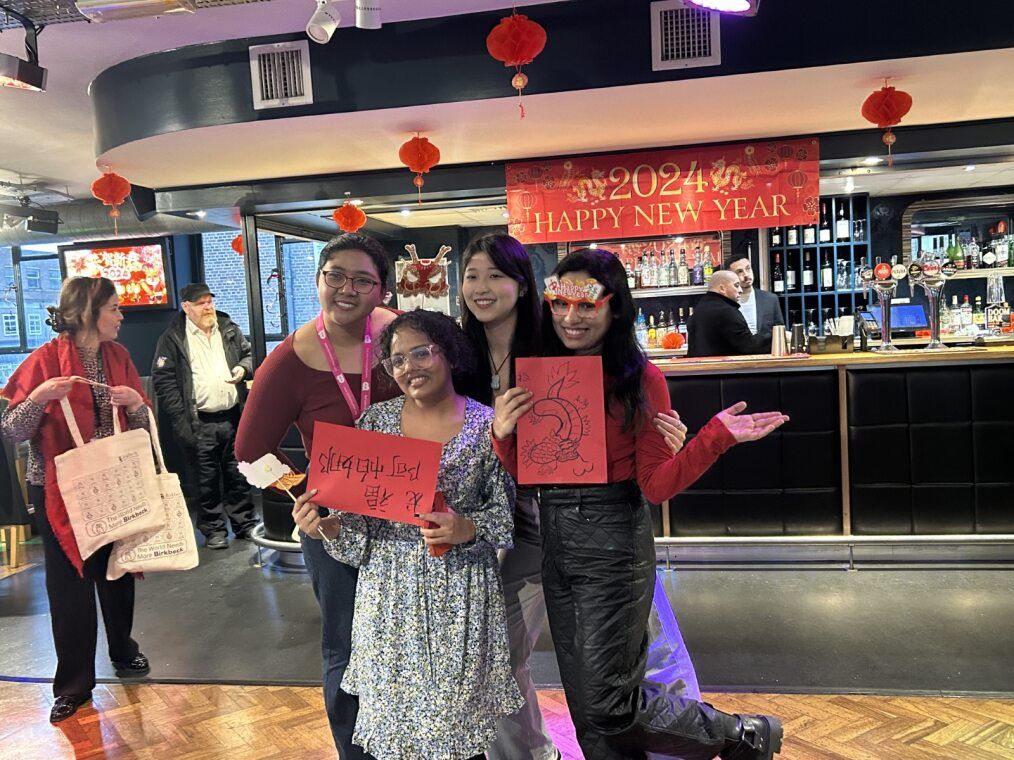
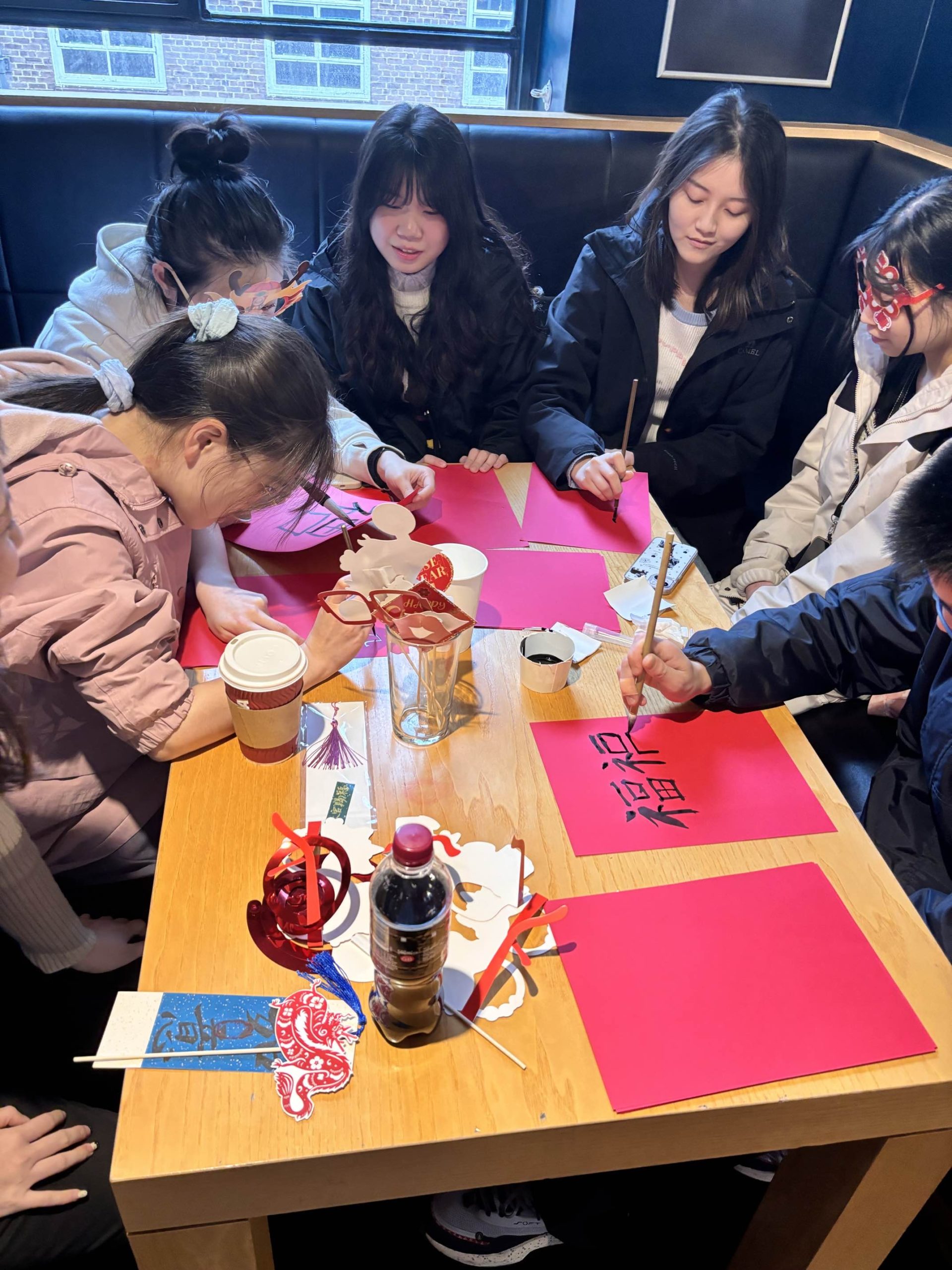
Here we enjoyed three main activities: red paper cutting with traditional calligraphy or painting, voting for the best dresser and finally a quiz with prizes to be won! One girl drew a vivid dragon and received compliments with people taking pictures of her painting, and she even won a prize for it. Another lady who dressed in a traditional long dress with a beautiful pearl necklace won the best-dressed prize. She looked surprised when she received the award and gave a big, charming smile.

The quiz session was exciting; questions were related to customs and special products of different countries. It was a well-balanced quiz that included single choice, multiple choice, and matching. Each question had a strict time limitation which added to the excitement; everyone was holding their breath. When the results were released, I was a bit shocked to realise I had won! To be honest, I had guessed some of my answers! My colleague was searching for the mysterious winner: Han, which is my shortened nickname. She moved through the room super-fast, and I was chasing her, trying to explain that I was the one she was looking for. Finally, she turned around and noticed me chasing her, which made everyone laugh. There were two others who had come in with high scores, so as the three winners we gathered and had our picture taken. After this, lots of students stayed longer to socialize with each other, and we took lots of photos to remember the happy memories!

The Lunar New Year marks the end of the cold, dark winter and celebrates the beginning of a hopeful spring; it is a symbol of the final rest after a busy or tiring year; a chance to reunite with family members and recharge energy. People use this opportunity to catch up with those dear to them, preparing and getting ready for the next following year. This event which created a sense of community and togetherness, really helped capture these feelings.

As a final note from me, I wish you all a happy Lunar New Year! May the Year of the Dragon bring you good fortune! 

龙年吉祥!1 龍年吉祥!2 

Below is a list of well wishes for the lunar new year in a variety of languages, so feel free to spread the well wishes in your own language!

Albanian: Le të sjellë Viti i Drakonit fat për ty!

Arabic: “مهما جلب عام التنين لك من الحظ السعيد!” (mahma jalaba ‘aam altinin lak min alhaz alsaeid)

Bengali: “ড্রাগন বছর তোমার ভাগ্য আনুক!” (Ḍrāgana bôshara tōmāra bhāgya ānuka!)

Bosnian: “Neka godina Zmaja donese sreću tebi!” (same as Croatian)

Croatian: “Neka godina Zmaja donese sreću tebi!”

Czech: “Ať ti Rok Draka přinese štěstí!”

Danish: “Må Drageåret bringe dig held og lykke!”

Dutch: “Moge het Jaar van de Draak je geluk brengen!”

Estonian: “Loota, et Draakoni aasta toob sulle õnne!”

Filipino: “Sana’y magdala ng suwerte sa’yo ang Taon ng Dragon!”

Finnish: “Toivotan sinulle onnea Lohikäärmeen vuonna!”

French: “Que l’Année du Dragon vous apporte bonne chance!”

German: “Möge das Jahr des Drachen Ihnen Glück bringen!”

Greek: “Ας φέρει το Έτος του Δράκου καλή τύχη σε εσένα!” (As férei to Étos tou Drákou kalí týchi se eséna!)

Hebrew: “שנת הדרקון תביא לך מזל טוב!” (Shnat hadrakon tavi lecha mazal tov!)

Hindi: “ड्रैगन का वर्ष आपको शुभकामनाएं लेकर आए!” (ḍragan kā varṣ āpako śubhakāmanāeṁ lekar āe!)

Hungarian: “A Sárkány Éve hozzon neked szerencsét!”

Icelandic: “Má Drakársárinn koma þér heppni!”

Indonesian: “Semoga Tahun Naga membawa keberuntungan bagi Anda!”

Italian: “Che l’Anno del Drago ti porti fortuna!”

Japanese: “龍の年があなたに幸運をもたらしますように!” (Ryū no toshi ga anata ni kōun o motarashimasu yō ni!)

Korean: “용년이 당신에게 행운을 가져다 주기를 바랍니다!” (Yongnyeoni dangsinege haeng-un-eul gajyeoda jugireul barabnida!)

Kurdish: “Salê Şahmaran ji we re şans bidin!”

Latvian: “Lai Drakona Gads atnes tev veiksmi!”

Lithuanian: “Tegul Drakono metai tau atneš laimę!”

Malay: “Semoga Tahun Naga membawa keberuntungan kepada anda!”

Nepali: “ड्र्यागनको वर्ष तपाईंलाई भाग्य ल्याउनुहोस्!” (Ḍr’yāganakō varṣa tapā’īnlā’ī bhāgya lyā’unuhōs!)

Polish: “Niech Rok Smoka przyniesie ci szczęście!”

Portuguese: “Que o Ano do Dragão traga boa sorte para você!”

Romanian: “Anul Dragonului să îți aducă noroc!”

Russian: “Пусть год Дракона принесет вам удачу!”

Serbian: “Neka godina Zmaja donese sreću tebi!” (same as Croatian)

Spanish: “¡Que el Año del Dragón te traiga buena suerte!”

Swahili: “Mwaka wa Joka ulete bahati njema kwako!”

Swedish: “Må Drakens år bringa dig lycka!”

Thai: “ขอให้ปีมังกรนำโชคดีมาหาคุณ!” (kh̄ xih̄ pī mạngkrnăm chŏkh dī mā h̄ā khun!)

Turkish: “Ejderha Yılı size şans getirsin!”

Ukrainian: “Нехай Рік Дракона принесе вам щастя!” (Nekhay Rik Drakona prynese vam shchastya!)

Vietnamese: “Chúc năm Rồng mang lại may mắn cho bạn!”

More Information: 


Meet the Chevening Scholar: Felix Hollison

Felix is from Soloman Islands, and studying LLM Pathways (Law and New Technology). Find out more about him, his remarkable path to Birkbeck, and his hopes for the future in the below Q&A.

What is your academic and professional background?

I am a lawyer by profession, and I graduated with a Bachelor of Law (LLB) at the University of the South Pacific (USP) in 2014. From 2015 to 2019, I worked as a Senior Crown Counsel in the Attorney-General’s Chambers in Solomon Islands. I was part of the litigation team within the chambers, and represented the Solomon Islands Government mostly in civil cases in the Magistrates Court, High Court and the Court of Appeal.

I joined the Central Magistrates Court of Solomon Islands in June 2019 as a Principal Magistrate and I still work there. Mostly, I deal with criminal cases such as robbery, burglary, assault related cases, sexual offences, human trafficking, theft offences, domestic violence, public disorder offences and other wide range of criminal offences.

Why did you apply for Chevening?

I applied for Chevening because I think this prestigious scholarship will be the vehicle for me to gain a world-class academic learning in the United Kingdom. It will also be a chance to enhance my leadership credentials, and the qualification will no doubt increase my marketability and employability globally.

What are your long-term plans after studying?

One of my goals is to help develop the jurisprudence of my country through my judgments, assist in law reforms where necessary and help Solomon Islands modernise its laws for the betterment of the country. Should I be given the chance to become a judge in the superior courts in the future, it will be a humble opportunity to be more influential in terms of the development of our jurisprudence.

Why did you choose Birkbeck for your studies?

I selected Birkbeck because it is a renowned university located in the heart of London that has transformed many lives for around 200 years already. More importantly, it provides the LLM with Pathways that I wish to study. It has a strong tradition of research across its departments of Law and Criminology with their internationally distinguished staff. The phenomenal changes that have taken place in technology will transform the way society operates in many ways that will have consequential effects on the law around the globe. My country is susceptible to the adverse effects of technological changes such as the erosion of democracy, climate change, cybercrime, biotechnology, political radicalisation and automation to name some.

Birkbeck is the ideal place to gain the necessary academic and professional knowledge to assist my country navigate through these uncertain times. Modernising my country’s laws to keep abreast with the technological and normative changes is a must, and I wish to be an agent of change in my country.

Changing careers: from working in law to becoming a football agent

Iddi Yassin is one of the 21 Birkbeck 2023 Chevening scholars. In this blog Iddi shares his dreams about the future and the place Birkbeck will play in helping him achieve his goals.

Iddi Yassin

I’m from Tanzania and I’m studying MSc Sport Management at Birkbeck. In 2016, I was admitted to the Tanzania Mainland Bar Association, and I practised law as an Advocate of The High Court of Tanzania.

Chevening as a first step to a new career

I applied for Chevening in 2023 because it’s arguably the most prestigious scholarship programme with remarkable scholars and alumni from different social, economic, and political backgrounds.

My long-term plan is to become a football agent and manage young athletes in Tanzania to fulfil their career ambitions on the global stage. I hope the extensive skills and rich network acquired from my postgraduate studies will help me achieve this.

Why Birkbeck?

I chose Birkbeck due to its great reputation and popularity in the sports industry, as well as its great staff equipped with understanding of management, governance, and regulatory issues within the business of sports. Furthermore, studying in a cosmopolitan and business-oriented capital city such as London will give me exposure to a wide range of sports businesses, football clubs, and football regulatory authorities.

I’m confident that having the opportunity to study this course will help build my skills, competence, and expertise and provide me with a strong foundation as a football agent and sports consultant. I plan to participate fully in various long-term sports programmes including raising awareness to the public, writing articles, and publishing them. This includes being actively engaged and collaborating with the government and other stakeholders in capacity-building programs.

Further information